How to Grow Your Own Organic Blackberries
Blackberries are one of England’s favourite fruits, often foraged in autumn or stewed with apples for a crumble. Read more on ethical foraging (leave some for wildlife!)
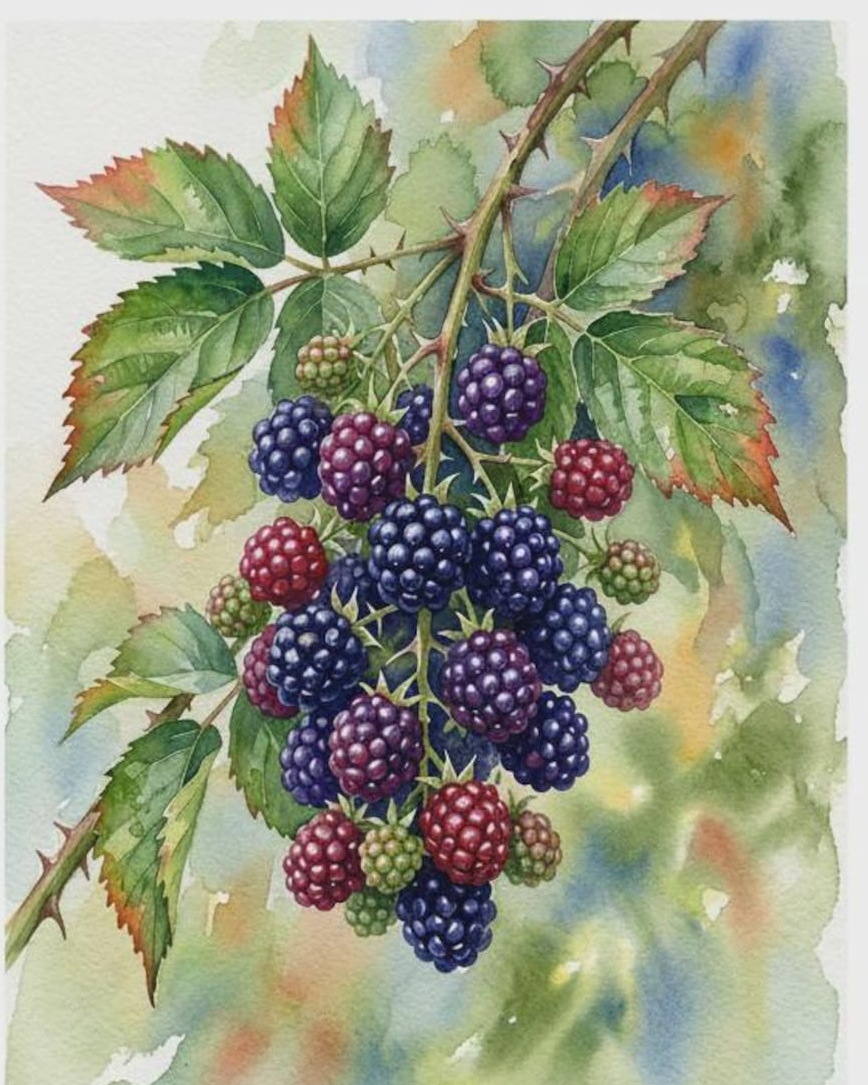
Not true berries, blackberries start off green, then turn red and finally ripen to a deep black (they don’t get any sweeter once harvested). Also used as food dyes, blackberries are native to not just Europe, but Asia and North/South America.
What you need to grow organic blackberries
Blackberries need well-draining soil in a sunny sheltered spot from November to March. They thrive in England’s climate and are pretty easy to grow, even in limited space (you can grow them in large patio pots). Avoid heavy clay or chalky soils, and don’t give your blackberries ‘wet feet’ by overwatering.
To plant, line the bottom of your pot with peat-free compost and make a hole twice the size of the root system, aim for slightly acidic soil PH of 5.5 to 6.5. You can plant bare-root or container-grown canes during winter, as long as ground is not frozen or waterlogged.
- Read up on pet-friendly gardens for plants and mulches (like cocoa) to avoid
- Use humane non-toxic methods to deter slugs/snails
- For indoor plants and greenhouses, use Feather Friendly bird tape to stop birds flying into windows (avoid facing indoor plants to face gardens).
Use fruit protector bags (never use netting as this can trap birds and wildlife). Fasten over fruit as it starts to ripen, and leave until harvest (remove during flowering to let bees pollinate, or no fruit will develop). If laundered, use a microfiber filter.
Space plants 1.5 to 3 metres apart (they spread) and keep the root crown level with the surface of the soil. If you use a support trellis system, ensure any ties are biodegradable, not plastic. Applying a thick 5 to 8cm layer of organic straw or compost around the base helps to lock in soil moisture and suppress weeds.
Water the base deeply twice a week during the first growing season, then only during dry hot spells. And cut away old woody canes at the end of summer harvesting.
Where to buy sustainable blackberry plants
If you can’t find sustainable blackberry plants locally:
Rocket Gardens offers a thornless variety of blackberries, for a long harvest.
This company’s vegetables and herbs are organic, the blackberries are the best we could find commercially (in sustainable packaging).
Ways to eat fresh organic blackberries
Blackberries are best avoided for people with gastrointestinal issues, on medically-restricted low fibre diets, salicylate sensitivity, or allergies to the Rosaceae family (the rose family – strawberries, raspberries).
Avoid blackberries for young children and swallowing difficulties.
- Stir them into thick plant-based yoghurt
- Drop fresh berries and mint leaves into a pitcher of iced water
- Stir them into hot porridge, just before serving.
- Whizz with banana and oat drink for a quick smoothie.
- Simmer with a splash of water for a warm sauce