How to Grow Your Own Organic Garlic
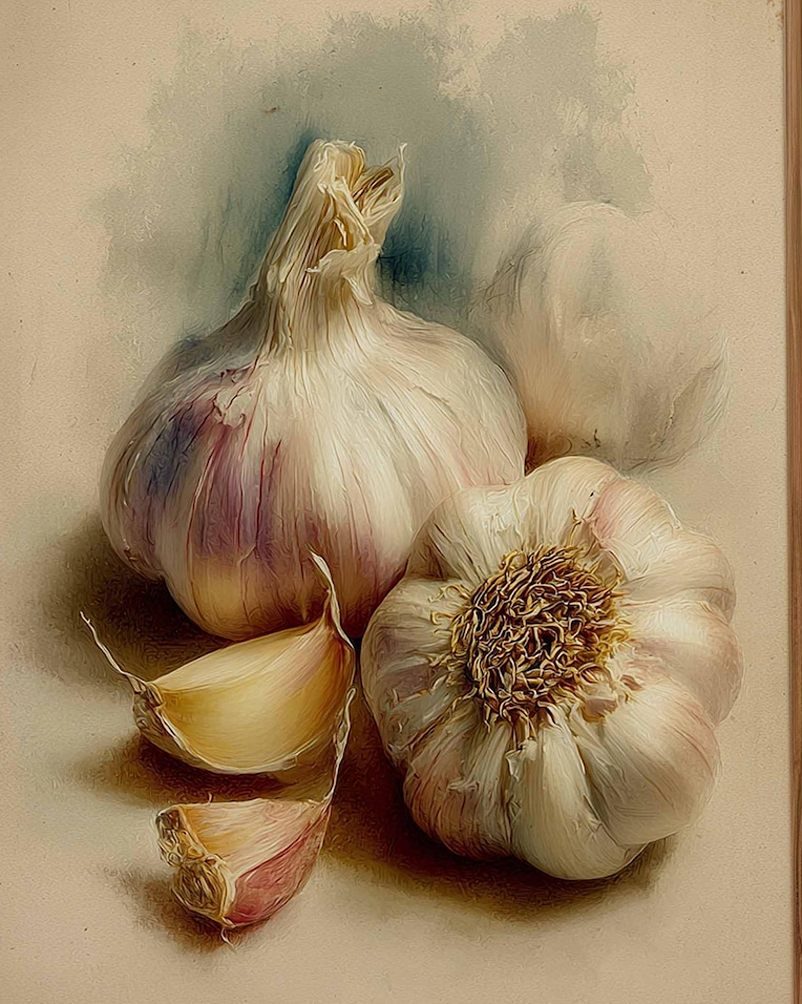
Garlic is a close relative to onions, leeks, shallots and chives, and belongs to the lily family (all these vegetables and lilies are highly toxic to pets, so keep them away). Often called ‘the stinking rose’, garlic has been eaten for over 9000 years (ancient Egyptians fed it to labourers to boost strength and endurance).
The healthy compound in garlic (allicin) is only created when cells are crushed or chopped (you can remove the pungeant smell from your hands by rubbing them on stainless steel under cold water). Or use Friendly Soap’s cook’s soap, specially designed to remove ‘chef hand smells!’
Eating an apple (or chewing raw parsley) after eating onions, quickly neutralises ‘garlic breath!’
Two thirds of the world’s garlic is grown in China (the city of Chicago in the USA is named after the native word ‘chicagoua’ which means wild garlic plant. However, garlic is also popular in England (back in the day, French monarchs would order it over when they missed it, when it did not grow in England!)
Alliumphobia is the official medical term for a severe irrational fear of garlic!
What you need to grow organic garlic
Garlic grows well in England, but cloves must be planted in the autumn (October to December) as it needs a couple of months ‘cold snap’ to trigger the bulb to split into cloves. Don’t plant standard supermarket garlic, this is often treated with sprout inhibitors and could harbour diseases. Buy organic seeds certified for UK climates.
Garlic needs a fully sunny spot with good drainage, as waterlogged soil will cause cloves to rot. Use good soil (for clay soil, grow in raised beds). Remove weeds by hands nearby and keep soil moist during dry spells (stop watering two to three weeks before harvesting to let bulbs ripen safely).
Harvest garlic in late June to August (using a small garden trowel to carefully lift the roots from underneath, don’t pull them out by the stalks). Being careful not to disturb earthworms or baby stag beetles hiding in the soil.
Birds sometimes mistake garlic tips for worms, so prepared to lose a little of the harvest (never use netting, it traps birds and wildlife). Add a thicker mulch (this will only happen for a few weeks until garlic establish).
- Read up on pet-friendly gardens for plants and mulches (like cocoa) to avoid
- Use humane non-toxic methods to deter slugs/snails
- For indoor plants and greenhouses, use Feather Friendly bird tape to stop birds flying into windows (avoid facing indoor plants to face gardens).
Where to buy sustainable garlic
If you can’t find sustainable garlic plants locally, you can buy from Tamar Organics.
Ways to eat fresh organic garlic
Garlic should be avoided for people with allium allergies along with anyone taking blood thinners or with bleeding disorders (also avoid for 14 days before scheduled surgery or major dental surgery due its blood-thinning properties). Also avoid for IBS and acid reflux. Check medication inserts too, as some interact with garlic.
Keep garlic (or any foods containing them) away from pets. All alliums (including garlic, leeks, onion, shallots and chives) are toxic to all animal friends (cats and Japanese dog breeds are especially sensitive).
Aglio e Olio
Cook 200g of plastic-free pasta in salted water. Meanwhile cook 5 thinly sliced garlic cloves and 1/2 tsp dried chilli flakes in 4 tbsp rapeseed or olive oil, saute for a few minutes. Drain the pasta (reserve a little water) then toss the pasta in the oil, add the cooking water and a little freshly chopped parsley.
Vegan garlic bread
Mix 4 tbsp vegan Flora butter with 4 crushed garlic cloves and 1 tbsp chopped fresh parsley in a small bowl. Slice a baguette or ciabatta loaf diagonally at 2cm intervals (don’t slice all the way through). Spread the butter generously inside each cut. Wrap in foil and bake for 10 to 15 minutes.