Charismatic Camels (how to help them worldwide)

Camels are desert mammals that store fat in their humps for energy, and can survive a long time without water, drinking gallons in one sitting). They also have three eyelids, thick lips and closable nostrils, to endure harsh sandy environments.
Most have one hump (Dromedary camels) and the others are Bactrian (two humps). They eat cacti, thorns and dry salty plants and can run fast distances, again spitting at potential threats.
Today camels are also used for transport, milk, meat and wool, and there are big welfare issues. If you travel abroad, never accept animal rides (from any creature, including camels).
The Stunning Brown Colours of Nature
Brown is a colour deeply rooted in nature. Think of rich soil and tree barks, the earth beneath our feet, or the feathers of a hawk circling overhead. Brown is stability, comfort and warmth. Logs on the fire or earthy ground crunching underfoot on forest walks.
Soil can range from sandy beige to rich coffee tones, it depends on minerals and organic matter. It’s the foundation for crops and forests, and every plant that feeds on the nutrients.
Trees also have brown bark, but very varied. Oak trees have rough dark brown bark, while birch bark is much lighter, and maple and walnut bark are often ‘shiny rich brown’.
The best way to help camels is to secure their desert habitats, by avoiding illegal mining, human-caused habitat loss and illegal hunting. And to stop them being used to draw water from wells, where they often chained, with no freedom (this can also happen in Spain).
Wildlife with Beautiful Brown Hues
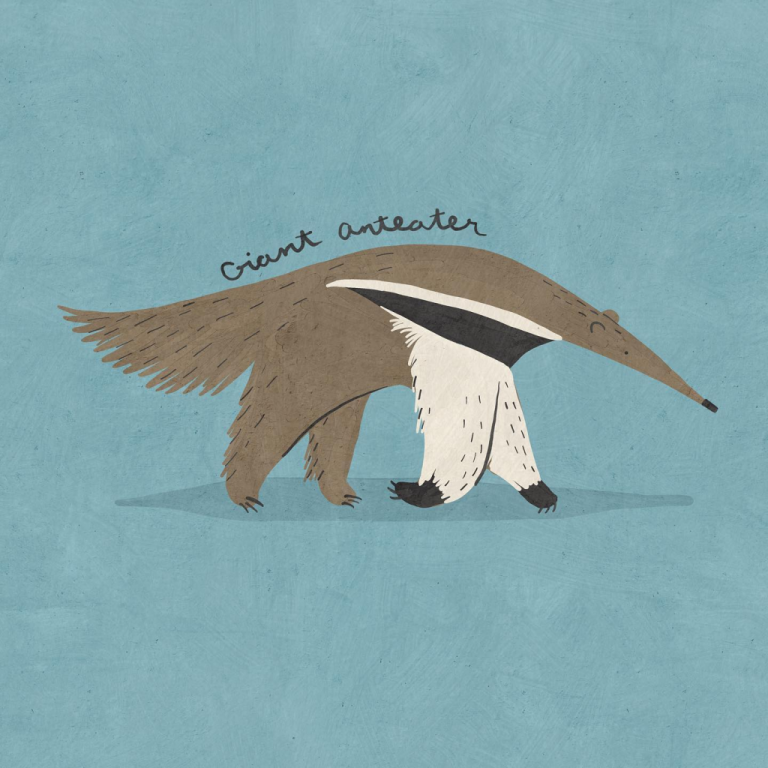
Think of a beautiful brown bear, or deer that rely on their coats to blend into the forest. Owls often have streaked brown feathers to hide in plain site. Dam-building beavers are brown, to hide from predators in rivers.
Many birds from sparrows to hawks are brown. These help them stay unnoticed, whether they are the hunted or the hunter.
Browns are a rich source of tannin (like in tea) and lignin. Tannins are also found in trees and unripe fruits, responsible for the brown colour you find in aged wood. Lignin is a complex polymer found in the cell walls of plants, to give them strength and air water transport.
Minerals like ochre and umber are also brown. Ochre is a clay pigment that ranges from yellow to deep brown, and umber is rich in iron and boasts a deep earthy tone. Together, they give brown colours to rocks and soil.
Brown is the colour of hearth and home – of dried herbs and stone-ground bread and freshly baked cookies. It represents all of the nurturing, life-sustaining, down-to-earth qualities of terra firma, the very shade of earth itself. It is a grounding, stabilising colour associated with resilience, comfort and security. Leatrice Eiseman