Chickens, Chicks and Roosters (how to help them)
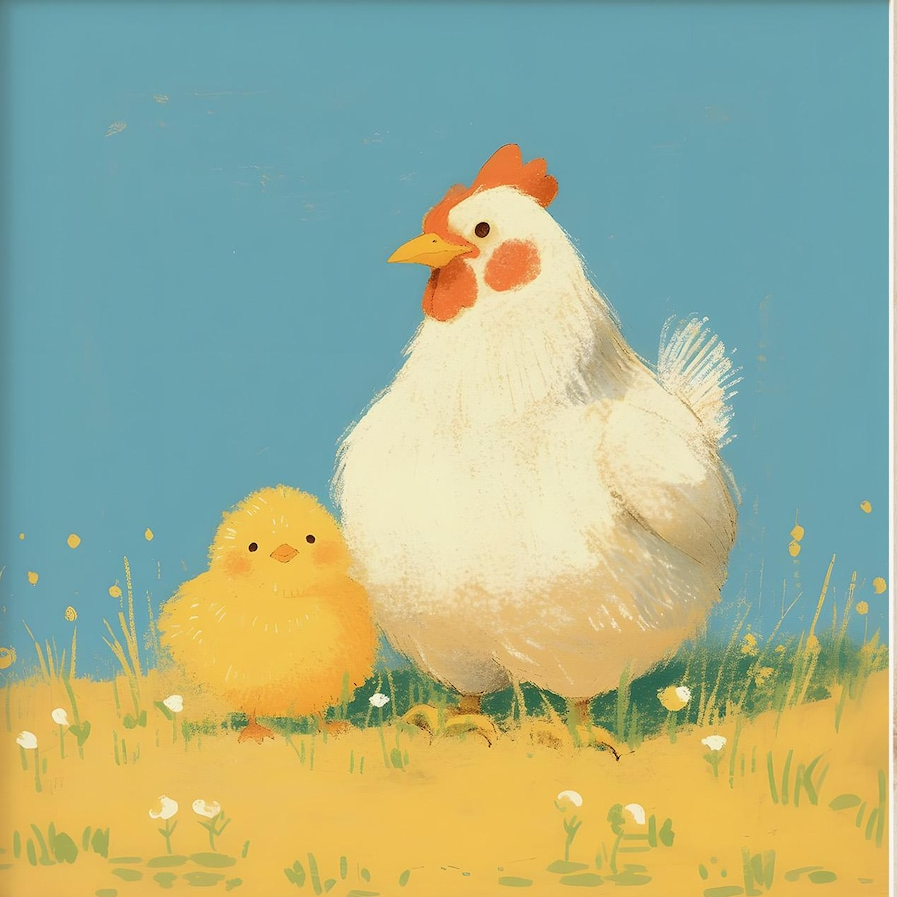
Chickens are actually descended from dinosaurs (paleontologists say that if you look at a silhouette of either, you can’t tell the difference, apart from size).
England has millions of chickens, chicks and roosters. Some live on local farms, others are rescued from factory farms, but most alas are on factory farms, for the egg and broiler (chicken) industry.
The earth now has more chickens than humans due to the food industry, and it’s said hens are the most abused creatures on earth.
In nature, chickens forage and dust-bathe, and sing to their chicks in their womb.
Other issues include abandoned pet chickens and roosters (many were ‘adopted during the pandemic for eggs, then abandoned in the wild afterwards). And of course we have awful issues like cock-fighting (illegal but it still is legal in some parts of the world).
If you eat chicken, ensure it’s certified free-range from a local farmer (same with eggs). Be careful with supermarkets, as a lot of it has ‘hock burns’ (from ammonia). But often this is hidden, as supermarkets and food brands have woken up to consumer knowledge.
Hock burns are caused by creatures lying in excrement, and it’s thought that around a third of birds sold have them, due to feathers having been rubbed away.
Then of course we have ritually slaughtered chicken due to the Muslim and Jewish faiths. In New York, live chickens are swung around a preacher’s neck while praying.
Compassion in World Farming vets say ritual slaughter causes immense suffering without stunning, and it’s perfectly fine for either faith to be vegan or vegetarian, so there is no excuse for governments adjusting laws to suit, breaking animal welfare laws.
The simplest ways to help chickens, hens and roosters are:
- Avoid eating chicken (or eat certified free-range). There is not enough land for everyone to eat free-range, so eating it en-masse does not ‘help farmers’. People who eat free-range chicken are ‘supporting farmers’, the rest eaten is just supporting factory farms. Chicken also has the same cholesterol as beef, despite being thought of as a ‘low-fat white meat’.
- Eat plant-based egg alternatives (or again only buy certified free-range eggs). Avoid greenwash terms like ‘cage-free eggs’, only the label ‘certified organic free-range’ is trustworthy, although some local free-range farmers also avoid killing male chicks at birth (due to being of no financial value), unlike the main commercial egg industry.
- If you are concerned for any poultry, call RSPCA Farm Welfare and if needed, Crimestoppers (anonymous). Despite the abuse often suffered, there are welfare laws for barnyard animals, just like any others.
- Campaign for Compassion in World Farming’s campaign to get shops to take on its its 6-tier food labelling system (consumers would then know how animal foods were raised in plain English, rather than relying on marketing from food brands and supermarkets).
If you follow Halal or Kosher food laws, then know that it’s okay within either religion to be vegan or vegetarian, to avoid eating meat from animals that have not been stunned. Here are some helpful resources:
- Middle Eastern Vegan Society and One Arab Vegan
- Jewish, Sustainable, Vegan and The Jewish Vegan Society
Endorsing the Better Chicken Commitment

The Humane League is asking all supermarkets to sign up to the Better Chicken Commitment to ensure all producers:
- Comply with EU animal welfare laws & regulations
- Not exceed maximum stocking density
- Use higher welfare breeds
- Provide a higher welfare environment
- Use controlled atmospheric stunning over shackling slaughter methods
- Agree to regular independent audits of abattoirs
If nobody bought factory-farmed meat, all companies would change course. Simple as.
Visit Compassion in World Farming and Save the Chickens Foundation for more information.
Plant-Based Alternatives to Chicken
Before cooking, read up on food safety for people and pets (recycle packaging at supermarket bag bins, if your kerbside doesn’t recycle).
- THIS offers plant-based chicken pieces, wings and thighs, plus a roast ‘chicken’ with stuffing.
- Moving Mountains Chicken (burgers and nuggets) is made from natural ingredients, and also sold for food service (hotels, restaurants etc).
- Heura is a young Barcelona company offering chunks and nuggets in sustainable packaging.
Rehome Ex-Battery Hens (and possibly a rooster!)

British Hen Welfare Trust is a wonderful organisation, that rescues chickens due for slaughter at the end of their egg-laying life. To give new homes for chickens and roosters, to people who would otherwise buy chickens from farms, for free-range eggs or simply because they like looking after them.
The charity is keen not to be political, so it maintains good relationships with farmers, in order to help the chickens given to them.
In nature, one rooster has a few ‘wives’ so usually there are also roosters to re-home too. Be prepared to be woken up early! Obviously you have to pass tests to ensure you have the right space and money to buy a big enough coop, and knowledge to feed and care for them.
The site above is run by experts, who can offer a hen-keeping starter guide and tips on feeding and hot/cold weather, plus details of hen-friendly vets.
Many foods (including flowers like daffodils) are highly toxic to chickens, so it’s really important to learn what not to feed them. These are not birds to just ‘give your leftovers too’, as many foods could harm.
Let’s All Keep Chickens is a good guide from a world expert on chicken-care, which covers all the basics including how to keep chickens healthy and avoid pecking. Also learn how to speak chicken, which will make care all the more easier!
How to Keep Chickens Safe from Foxes
Foxes are natural predators or chickens, so obviously good deterrence is key. In the wild, the natural diet of foxes is rabbits and rats, it’s often due to lack of natural habitats that they have come into urban areas.
Tips to deter foxes from attacking chickens include:
- Use plant-based fertilisers (avoid blood/fish based ones).
- One swan sanctuary recommends playing an outdoor camping radio (Radio 4 of people talking over music), this seems to deter).
- Don’t feed foxes. All wildlife rescues say they never see a starving fox, as they are scavengers who can live on anything from carrion (dead meat) to earthworms and fruit. So it’s fine to leave them to find their own food.
British Hen Welfare tips include:
- Use a large chicken-friendly coop with fencing, so hens are free to roam and be happy, but secure from predators.
- Never leave hens out overnight. Put them to bed at dusk (and keep them in secure runs, if you are out during the day).
- Check coops and runs for damage, high winds or snow can weaken areas like roofs.
- Fixed runs should be at least 5 ft high and laid on grass at right angles, to prevent predators digging underneath.
- Don’t house near overhanging branches, which foxes can use to gain entry.
Wisdom We Can Learn from Chickens!
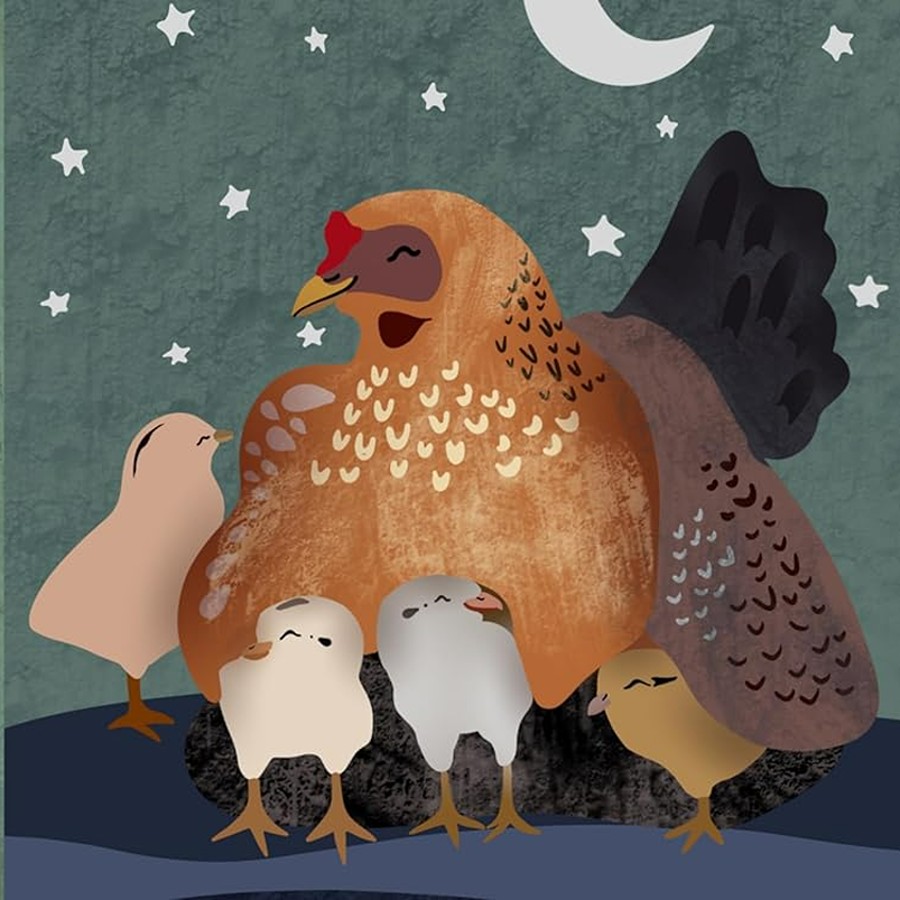
Chicken Therapy is a delightful book packed with gorgeous illustrations, and gleaned wisdom from hen friends. From how they greet the day to exploring surroundings, and tending their chicks. Penned from a ‘self-proclaimed chicken lady’, example wisdom includes:
- Even if you can’t fly, don’t be afraid to stretch your wings. You may just get off the ground after all!
- Listen to the squawk of others. There really may be a hawk flying overhead.
- You don’t have to have lots of possessions, to be happy. Your space can be a comfortable and wonderful home.
- Don’t be afraid to put yourself out there. Connect with others and find your flock.