England’s Delightful Dolphins (how to help)

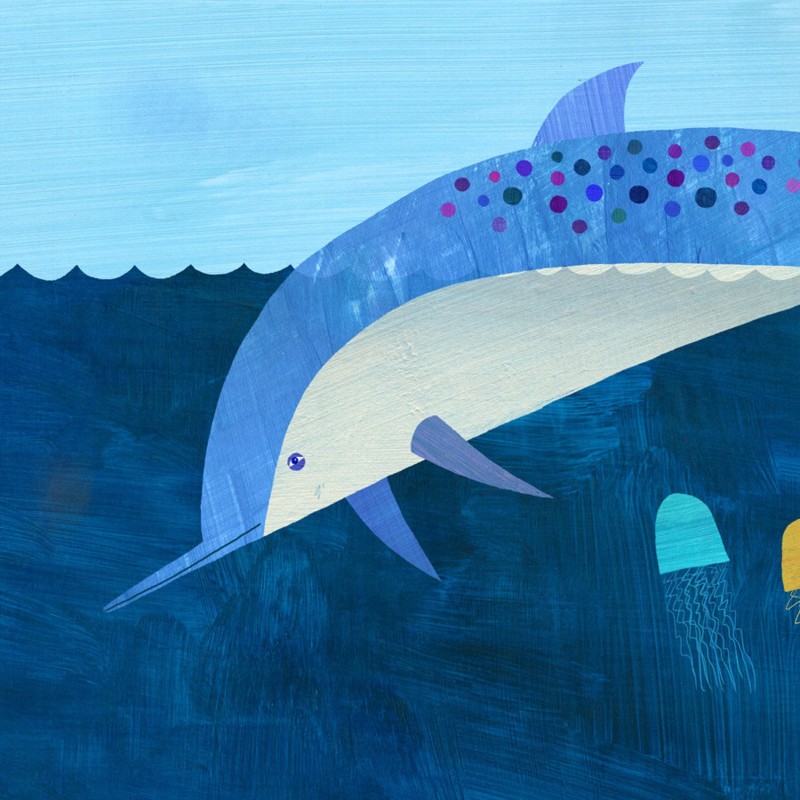
England’s coast is home to many pods of playful smart dolphins (and similar-looking porpoises, although these are smaller, less social and have triangular rather than wave-like fins).
As with all marine creatures, they are suffering from oil and plastic pollution, over-fishing, by-catch (when caught in nets) and ship strikes.
Simple Swaps to Help Delightful Dolphins
- Litter travels on tides, so never drop litter at the beach (or off a boat) as it could end up in the stomachs (or tangling) creatures here and far away .
- Other ways to help are to choose reusable over disposable, and use waterless car washes (home drive and supermarket car washes send untreated oily water down drains, and into the sea.
- If you eat fish, look for sustainable-certified brands, which don’t use by-catch methods (that catch other marine creatures in nets).
- Boycott krill supplements (food needed for marine creatures).
- To help prevent oil pollution, wrap small amounts of oil in kitchen paper and bin (same with cream liqueurs). For larger amounts, use an oil recycling container and take to the tip.
If you sail a boat and spot a dolphin (or any marine wildlife), keep at least 100 feet away (or further away if possible for large creatures). If the creature approaches your boat, switch the engine off and slow your speed to 4 knots.
WiSE is a wildlife-friendly boating course (it only takes five hours).
Never use jet skis or flash photography. If you dive or snorkel, enter the water gently, to avoid splashing, and again keep your distance – it’s their territory, not yours.
Dolphin Conservation and Ocean Sanctuaries
England presently has no ocean sanctuaries (Scotland has just one), though there are many worldwide. These are ‘owned by nobody’, so marine creatures are left alone, free from human interference.
If you eat fish, look for brands certified to not use by-catch methods, to help creatures and reduce ghost fishing waste.
Whale and Dolphin Conservation is England’s main charity to save our marine friends. Choose this charity at easyfundraising, and when you buy something from a participating store or serve, a portion goes to them, it doesn’t cost you anything.
Avoid Tourist Aquariums
Avoid tourist aquariums, as they have nowhere near the space needed for one of the most social and intelligent creatures on earth. People often assume dolphins are happy, as they are always ‘smiling’.
But dolphins can’t move their facial muscles, so always look this way, even if they are miserable, bored and depressed.
Also don’t let children ‘swim with dolphins’. These creatures hunt sharks in pods. You would not let your child swim with a shark, so why a dolphin? They can be just as lethal, if spooked.
Stop Cruel Dolphin Hunts
Join the campaign at Whale & Dolphin Conservation to stop cruel dolphin hunts in Japan, Faroe Islands, Peru, Sri Lanka and Ghana. Over 100,000 dolphins and small whales are killed each year, either for eating or to use as bait for the shark fin industry.
Your support helps the charity conduct undercover investigations, educate the public (many people in Japan have no idea what goes on) and ask businesses to stop using airlines that carry live dolphins captured during hunts, to send to zoos and aquariums worldwide.
How to Help Stranded and Injured Dolphins
If concerned about any marine creature, call British Divers Marine Life Rescue (RSPCA and Coastguard can also put you through).
You can take Marine Mammal Medic Course, to join rescue volunteers (you must have a smartphone – and receive a lifejacket and insurance for the first year).
If you find a dolphin needing help:
Don’t put injured dolphins back in the sea. Instead follow the five P’s while you wait for help:
- Protection (use a face mask and gloves, steer clear of the blowhole and trashing tails)
- Position (roll the creature onto its underbelly, dig trenches under pectoral fins for comfort)
- Pour water (to keep skin moist – soaked seaweed is a good option). Never pour pour water or cover seaweed over the blowhole, this is how marine creatures breathe).
- People (keep people and noise away, keep an eye out for tides and rough seas.
- Photos (send photos and videos to the BDMLR call handler)
- Also report dead dolphins (location, date, species, condition).
An Amazing True Story about Dolphins
We’ve all heard about dolphins circling divers, to protect them from sharks. Here’s a true story to amaze:
In California, a marine biologist who regularly watched a pod of dolphins, saw one ‘shoot off’ into the middle of the ocean, followed quickly by others. This was not normal, so she followed 3 miles off-shore by boat, to see them circling a young woman in the water.
When she arrived at ER, a translator said the German girl had swam out, to commit suicide. The dolphins had known from 3 miles away, and swam from the shore to save her!