Save endangered hippos: protecting a remarkable species
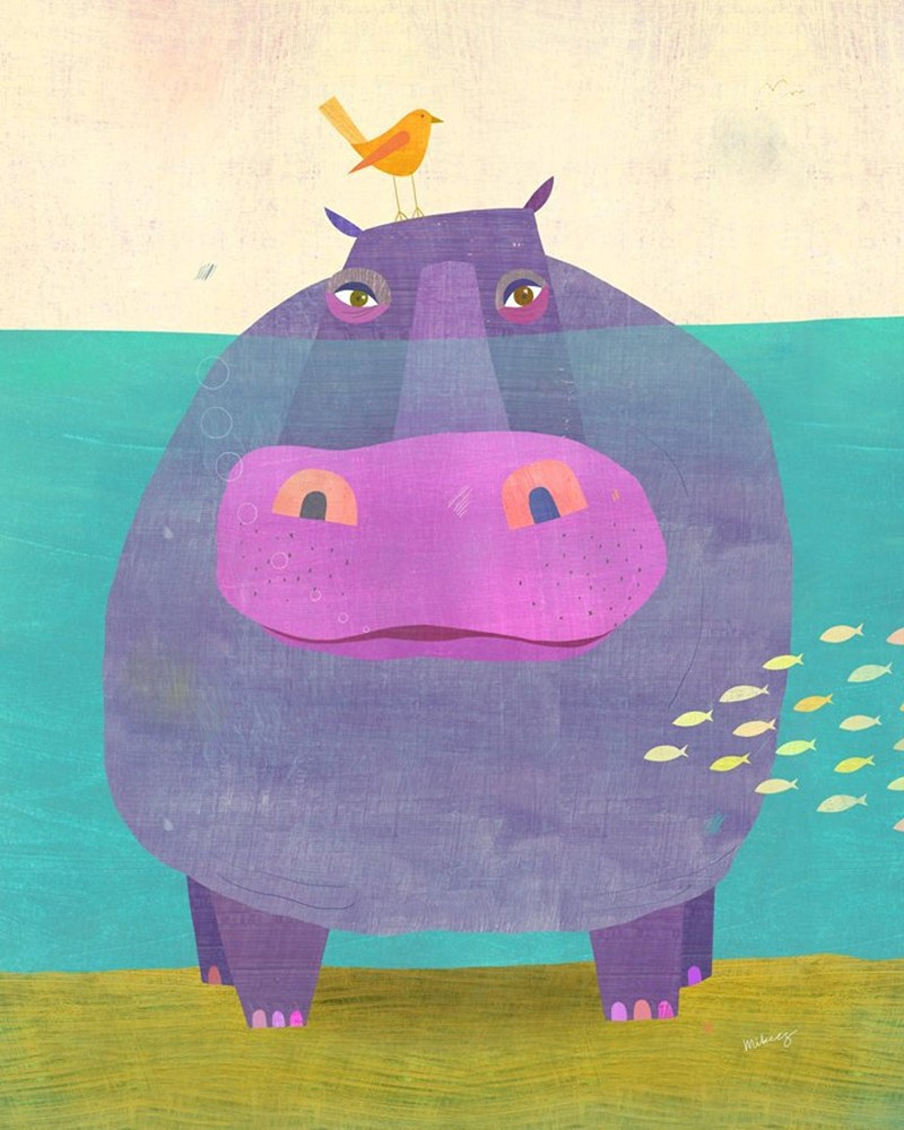
Hippo Melanie Mikecz

Melanie Mikecz

We all know and love hippos. Yet despite being vegetarians, they are one of the world’s most dangerous animals, mostly because they like to be left alone, and will fight to defend their young.

They are one of Africa’s most territorial animals.

These semi-aquatic giants can’t actually swim, so they walk along the riverbeds, holding their breath for up to five minutes. And in the African heat, spend around 16 hours each day in the water, secreting an oily red liquid  ‘sunscreen’.

Hippos can even sleep underwater (their proper name of ‘hippopotamus’ is from the Greek for ‘river horse’.  Yet despite their huge size, hippos can run like the wind (up to 22mph per hour – just less than the fastest man on earth) and can also can open their mouths a full 180 degrees!

Calves are born underwater, and swim almost immediately. Yet despite their reputation, hippos are herbivores, eating up to 80 pounds of grass a night.

So not only is keeping hippos in zoos boring for these magnificent animals, but if conservation is not done in natural habitats, other species suffer. Hippos even create ‘grazing lawns’ in Africa, that offers habitats for other herbivores.

Are hippos endangered?

Yes. Due to lack of habitat mostly, there are now only around 150,000 wild hippos on earth. They mostly live in sub-Saharan African swamps, where other threats are poaching (illegal hunting) and human-wildlife conflict. Most live in large herds, apart from solitary pygmy hippos.

Hippos mark their territory with dung, and if humans venture nearby, it can cause conflict (around 500 people are killed each year by hippos in Africa).

How to help wild African hippos

  • Protect their habitats. Modern farming methods are destroying their natural freshwater habitats, which they need to survive. Water is in high demand in Africa, which is why anything that protects the world’s fresh water helps. Read The Last Drop, a book packed with easy ideas.
  • Don’t visit zoos. Hippos live in large herds normally, and England is the wrong temperature for them too. There are plenty of hippo conservation charities in Africa, who are helping them to survive, in their own environment, where they can be healthy and happy.
  • Support stricter regulations on poaching (illegal hunting for meat and ivory from canine teeth). Like bush meat, this happens more when there is civil unrest, so people kill them for money, in order to eat.
  • Support Save the Hippos, a charity that helps wild hippos in Zimbabwe, from conservation to snare patrols/removal.

Ideas to reduce human-hippo conflict.

In Zimbabwe, a Whatsapp chatbot uses AI to prevent conflict by offering immediate advice to villagers and farmers, on how to deal with hippos, lions, elephants or crocodiles, a great example of when AI does work. It also helps to report wildlife crime or injured wild animals, and offers tips on how to reduce conflict, crop damage (and livestock predation in the case of lions).

Reform UK and the Conservatives want to roll back ideas to prevent climate change. But this will result in more climate refugees (‘people on boats’) and more wildlife conflict, as animals compete with humans for crops in extreme weather conditions. 

Stop mining new metals (gold)

The world has enough already-mined gold to last forever. So choose recycled jewellery and more sustainable smartphones, to stop gold mining, something that is negatively affecting hippos on the Ivory Coast, now in danger of extinction.

Gold panning removes gold from river sediments, which needs water and ends up affecting local rivers and sediment. Hippos need this clean water to keep cool and also use the habitats to breed and raise young.

Why hippos matter

During the day, hippos spend much of their time in water. At night, they often leave rivers and lakes to graze on grasses. As they move between aquatic and terrestrial environments, they transport nutrients through the ecosystem.

Their behaviour can influence the movement of nutrients between water and land. Their grazing also affects vegetation, while their presence forms part of a complex web of relationships between plants, animals and freshwater environments.

Protecting hippos can therefore benefit many other species that share their habitat.

A healthy river system supporting hippos may also support fish, birds, reptiles, insects, plants and communities that depend on freshwater. Conservation is rarely about saving just one species.

Where hippos live

The common hippopotamus is native to sub-Saharan Africa. It depends heavily on freshwater, particularly during the heat of the day, although it also needs access to grasslands for feeding.

This makes hippos especially dependent on landscapes where water and food are relatively close together. A river can be a lifeline. So can a lake, wetland or seasonal water source.

But these environments are increasingly affected by human activity. Agriculture, settlements, infrastructure, water extraction and other forms of development can change rivers and wetlands.

When habitats become fragmented, hippos may find it harder to move between feeding areas and water. They can also come into greater contact with people.

Protecting connected habitats is therefore an essential part of hippo conservation.

The threat of habitat loss

One of the greatest challenges facing wildlife is the loss and degradation of natural habitat.

As human populations grow, land is needed for farming, housing, roads and other infrastructure. Wetlands may be drained, grasslands converted to agricultural land and riverbanks developed.

A smaller habitat means fewer grazing areas and fewer safe places to rest in water. If natural corridors disappear, populations can become increasingly isolated.

Habitat loss can also increase conflict between humans and hippos. Hippos may enter farmland in search of food, particularly when their natural feeding areas have been reduced. Farmers may then face crop losses, while people can be injured when encounters with hippos become more frequent.

Climate change and hippos

Hippos depend on freshwater, making changes in rainfall, temperature and water availability particularly important. Climate change can alter when and where rain falls, increase the frequency or severity of droughts in some regions and place additional pressure on rivers and wetlands.

Hot temperatures increases the need of access to water.

A hippo’s large body and limited ability to tolerate prolonged exposure to strong sunlight mean that water is essential for regulating its temperature during the day.

When drought reduces rivers and waterholes, hippos can become concentrated around the remaining sources of water. This can increase competition and make animals more vulnerable to other pressures.

Protecting wetlands, restoring vegetation around rivers and maintaining natural water systems  helps ecosystems cope with changes.

The importance of healthy rivers

Hippos are not named after ‘river horses’ for nothing. Rivers provide hippos with somewhere to spend the hottest parts of the day, but they are also part of much larger ecosystems.

Pollution can damage freshwater habitats. Agricultural runoff, sewage, industrial waste and sediment can affect water quality and aquatic life.

Dams and excessive water extraction can alter the amount and timing of water moving through a river system. During dry periods, these changes can put additional pressure on wildlife.

Mining and freshwater habitats

The potential impacts vary depending on the type of mining, location and environmental safeguards involved. They can include habitat disturbance, deforestation, changes to drainage patterns, sediment entering waterways and contamination of soil or water.

For hippos, damage to rivers and wetlands can be particularly serious. A mine located near an important freshwater habitat could affect the quality or availability of water on which wildlife depends.

Protecting wetlands

Wetlands are among the world’s most valuable ecosystems. They store water, support biodiversity and can help regulate floods and water quality. They are also  important habitats for countless species.

For hippos, wetlands can provide essential water and feeding environments. Yet wetlands have historically been drained or converted for agriculture and development.

Conserving existing wetlands should therefore be a priority. Restoration can also bring damaged ecosystems back to life.

Working with local communities

Conservation cannot succeed without the people who live alongside wildlife. For communities sharing landscapes with hippos, these animals can be both valuable wildlife and a source of danger or economic difficulty.

Hippos can damage crops and threaten people when they come close to farms or settlements. Asking communities to tolerate these problems without support is unlikely to produce lasting conservation success.

Better land-use planning, protected corridors, early-warning systems and measures to reduce dangerous encounters can all play a role.

Preventing illegal hunting

Hippos have historically been hunted for meat, hides and ivory from their canine teeth. Illegal hunting can reduce populations and place additional pressure on already vulnerable groups. Strong wildlife laws and effective enforcement are important tools.

Combating illegal wildlife trade therefore requires cooperation across communities, governments, conservation organisations and international markets.

Wild hippos in Africa

This is six minutes of bliss! If like the rest of us you thought wild hippos just sat bathing in the water, not so! They ‘walk along the water’ creating important channels for other creatures. Very educational, and fun too!

Similar Posts