Where to Find Help for Alcohol Addiction
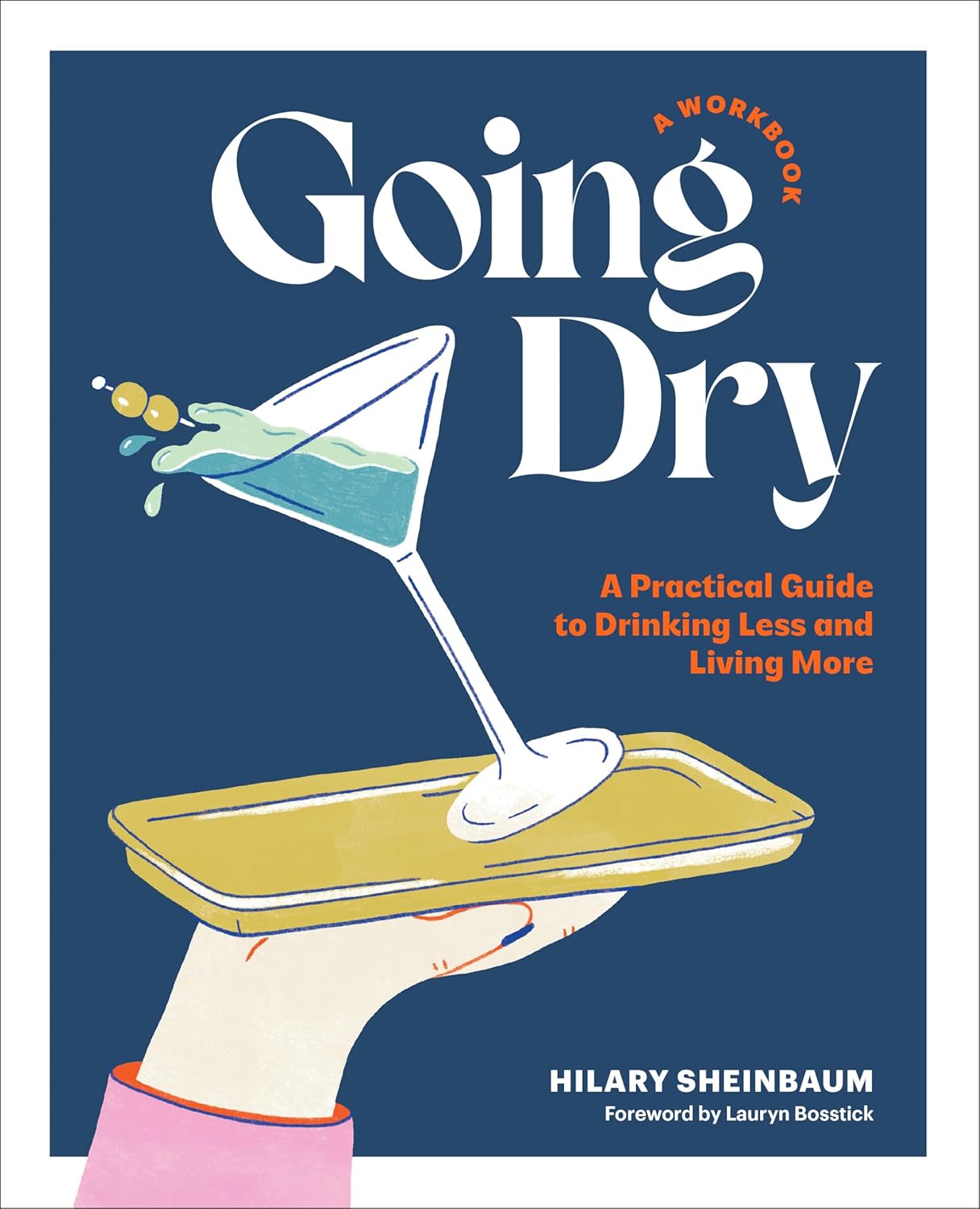
Enter your age, sex and weight at Alcohol Change along with how much you drink, and it will tell you what safe levels are, and if you’re above them. Campaigners want the law to change so that it’s easier to know a ‘unit’ which can get confusing.
In a nutshell, experts advise no more than 14 units of alcohol a week (spread over 3 days or more) and obviously none for pregnancy/breastfeeding/driving or affected medical conditions.
Know that often ‘home measures’ are more than in the pub, so if in doubt, use glasses with measurements:
Per week:
- 14 spirit measures (25ml) or
- 6 glasses of wine (175ml) or
- 6 pints of beer or cider (568ml)
So to clarify, if you drink gin and tonic, that would be no more than 2 glasses a night. Or 1 glass of wine (with a night off). Or 1 pint of beer or cider a night (again with a day off).
If you are over this limit (or wish to reduce), one easy way to do this is simply to switch to alcohol-free or low-alcohol versions, as a lot of alcohol-drinking is simply due to habit.
Or just do other things to relax (go for an evening walk, invite friends round for dinner, read a book, take a bath etc).
No Driving after Drinking Alcohol
The police say ideally have zero alcohol before driving. To help stop 200 people killed each year on our roads, due to alcohol-related accidents. The legal limit in Sweden is far tougher and Hungary, Romania, Slovakia and Czech Republic have zero tolerance.
It’s difficult to gauge how much alcohol is ‘safe’ because you won’t be doing the maths of calculating units, and it also depends on a person’s sex, height, weight and if a person is dehydrated or taking medication.
If you do drink, the police suggest waiting at least an hour for each unit consumed (time is the only way to rid alcohol from your body – coffee, food or sleep don’t).
For example, if you drink 3 pints of lager or one bottle of wine at midnight, you’ll not be ‘sober’ until at least 9am the next morning.
- The NHS offers a network of clinics and experts who focus on recovery. Depending on where you live, this might include drop-in centres or specialist outreach teams.
- Home Detox for Alcohol program was developed by recovering addicts, and offers an alternative to residential care, if you prefer to get better privately. It uses medically-qualified staff who can recommend you see GPs if you need medication to come off alcohol.
- AA has been around since the 1930s and runs free, local meetings across the UK. Meetings are friendly, confidential, and open to anyone who wants to try giving up drinking. There’s no pressure to speak if you don’t want to, and you can attend as often as you like.
- Find free or subsidised talking therapies through the NHS. Counsellors, therapists, and psychologists work with you to understand why drinking has become a problem, and help develop new ways to cope with life’s stresses.
- Family and friends can also join support groups of their own, like Al-Anon.
- Online, get help from Drinkaware and Soberistas. You’ll find daily check-ins, progress trackers and tips for coping with triggers.
Switch to Alcohol-Free Alternatives
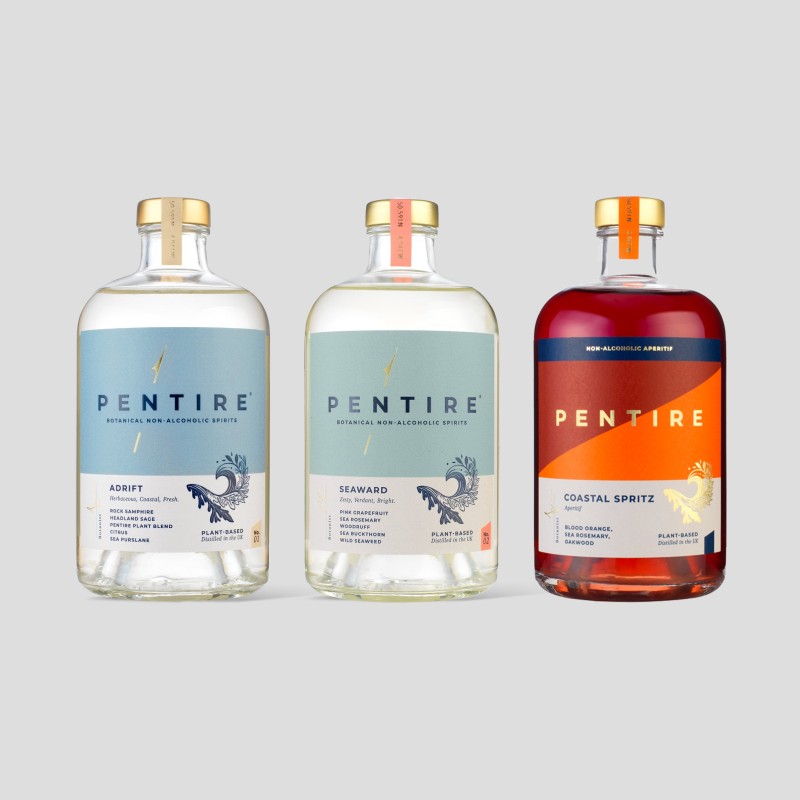
Pentire (Cornwall) is a botanical drink made by distilling sage and rock samphire. Ideal served with ice and tonic water, and garnished with lemon and rosemary. Made with seasonal ingredients and sold in sustainable packaging.
Often drinking alcohol is more of a habit. So if you switch to something similar that tastes the same, it can help to reduce or eliminate alcohol. Our site has many choices.
No drink can claim to be 100% alcohol-free (fruit, juice and rye bread all contain a little). But there are drinks that are nearly alcohol-free or lower alcohol.
Avoid tonic water for pregnancy/nursing and medical conditions (check medication before choosing grapefruit or rhubarb flavours).
No/Low Alcohol Wine Alternatives
- Thomas & Scott Noughty offers a no-alcohol organic vegan sparkling wine, with half the sugar of other brands and just 14 calories per glass, for a hangover free celebration. It also makes a nice no-alcohol red wine.
- Bottle Green Elderflower Cordial can be mixed with sparkling water, as a near-identical alternative to a white wine spritzer. Or look in stores for the ready-made pressé with Cotswolds water.
No/Low Alcohol Beers
No alcohol can be 0% booze, as even fruit and bread contain a little alcohol. But 0.5% is the main percentage used. It is safe to drive, but it’s best to avoid even this amount, if pregnant or nursing.
Before recycling, pop the ring-pulls back over the cans, to help avoid wildlife getting caught inside. Set up a can recycling program to raise money for your community! Never buy beers wrapped in plastic rings, they harm wildlife (if you see any, rip the holes and securely bin).
- Toast Brewing do a 0.5% Changing Tides beer.
- Lucky Saint is a good alcohol-free beer
- The Small Beer Co offer low-alcohol beers
- Below Brew offers 0.5% beers