Simple Swaps That Help Global South Countries

Although it sounds kind to send unwanted goods to developing countries, places like Africa don’t want them. Apart from quality working bicycles. These provide free transport to reach school and work (remove dirt, grease, mud and stickers).
But recycling household or business waste to Africa often creates more problems in a continent with few landfills or sewage systems. The electronics industry also tends to send unwanted goods here, as it saves them money on recycling.
No need for ‘dead man’s white clothes’
Each week, the African country of Ghana receives 15 million items of used clothing, often sent from western richer countries. But almost half are discarded due to being poor quality (paint-stained overalls etc). And also made with synthetic fibres (polyester, nylon, recycled plastic bottles) that never break down.
So they just end up landfills and water bodies, and cause more pollution. Ghana is even now receiving umpteen unwanted ‘junk cars’ that nobody wants (including their citizens).
The President of The Philippines recently sent back tonnes of rubbish to Canada, saying he would ‘sail to Canada and dump the garbage back there again’, if it got sent back. Canada has now agreed to cover cost of disposal.
Climate Smart Agriculture (could prevent starvation)

It’s believed that around one in every 11 people go to bed hungry each night, that’s around a third of the world’s population. The world’s hungriest countries at present are Haiti, Mali, Sudan, South Sudan and the Occupied Palestinian Territories.
Yet there is more than enough food for every person on earth. In fact, more food is thrown away than is needed to feed every hungry person.
Although many Global South countries face deep challenges from poverty and hunger (often caused by war and freak weather due to climate change), just ‘throwing money at big charity’ is not the answer. The good news is that there are more effective and empowering ways to help.
From choosing Fair Trade food and drink, to giving directly to people (without big charities), you can do something to help!
Africans don’t want to rely on westerners, they want to grow food on their own land. Climate smart agriculture does this, by supporting seeds and training for drought-tolerant crops and rainwater harvesting, to restore desert to lush land to grow healthy food at little cost.
This also provides resilience when droughts and floods hit. Recently in Tanzania, floods have killed nearly 150 people, the main city relying on ‘rain-fed agriculture’ for income. Floods have left people (and donkeys) starving, due to.
Rainforest Alliance has a good article on the benefits of climate-smart-agriculture:
- Rainwater harvesting does what it says on the tin – ensuring that on rare occasions when it rains, that water is kept to water plants and soil, rather than evaporating into the ground.
- Contour planting is used especially for tea plantations. Planting on hills or natural terraces helps to reduce soil erosion.
- Planting shade trees helps crops to flourish in hot weather. It also helps farmers grow multiple crops. You’ve likely heard of shade-grown coffee, where farmers can also grow say bananas at the same time, so get more bang for their buck, at local markets.
Why ‘gifting animals’ is not a good idea

Giving animals may seem kind, but giving cows and goats to (lactose-intolerant) people in developing countries that already suffer over-grazing is not a good idea. It creates more mouths to water and feed, can spread disease and result in fights, where animals are ‘cash crops’.
A better alternative is to grow teff, the world’s tiniest grain that is also super-high in protein. In Ethiopia (where we imported food from during Live Aid to feed our livestock), around 40% of people are starving.
Yet the country has 50 million cattle, sheep and goats and 35 million chickens. All consuming food and water, which causes overgrazing, deforestation, erosion and desertification.
You can feed way more people with plants than livestock, so donating to plant-based food charities means that your money feeds more people:
Animal gifting is madness. Environmentally unsound and economically disastrous. The grave consequences of introducing large numbers of goats and other domestic animals into fragile, arid environments is well-documented.
It’s grossly irresponsible to continue with these schemes, as a means of raising quick money for charities, over the Christmas season. The World Land Trust
How solar power helps global south countries
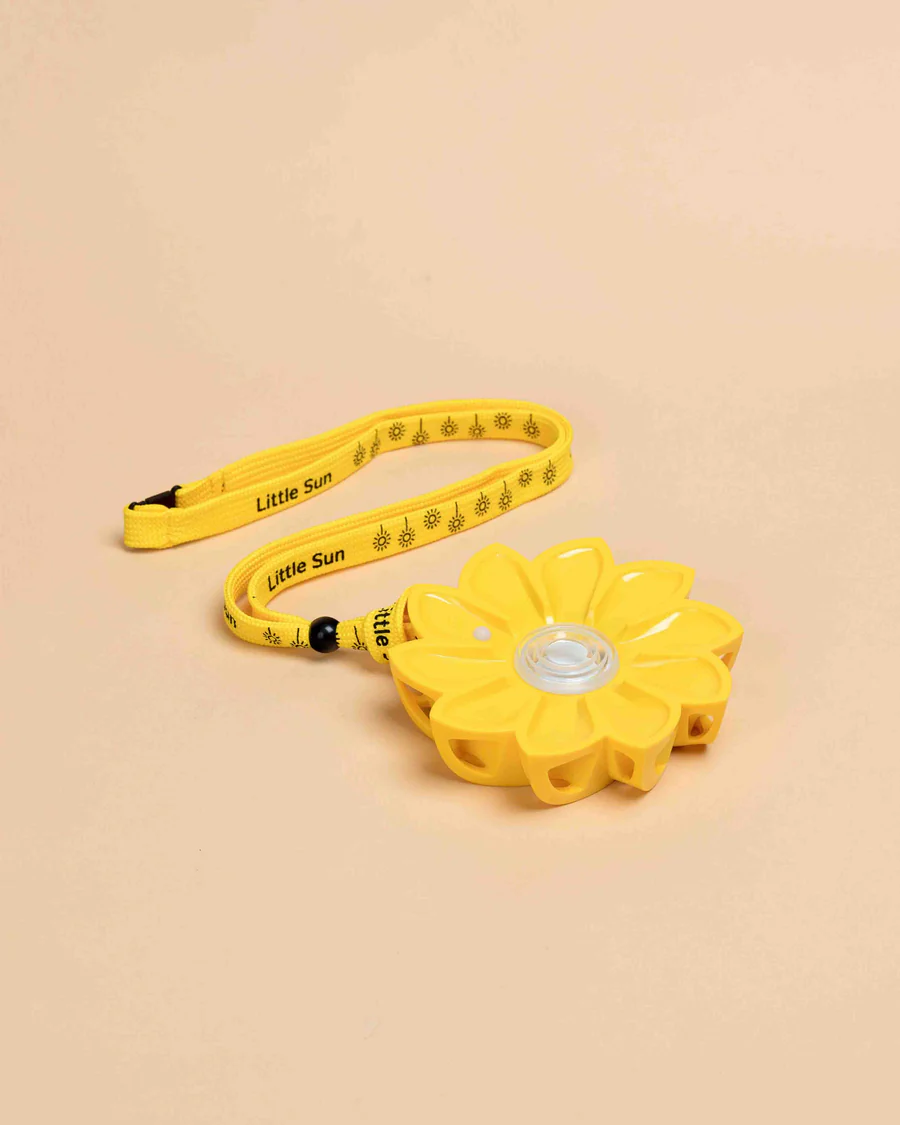
If you want to make a difference, support one of the companies below, all of which use profits to fund solar power in developing countries. In Africa, millions use dangerous expensive kerosene or chop firewood, which causes deforestation. Far better (in hot sunny climates) is free solar power, to bring heat and light, for cooking and studying.
Little Sun is a solar lamp that gives 5 hours of bright light (or 40 hours of dim light), after 5 hours of charging. For each one bought, one is donated to a rural household in Ethiopia.
Turn off lights when not needed to prevent light pollution and bird strike.
- Power a Life makes pocket phone chargers and Wee Pal Power Bank (made from recycled plastic bottles). Again, profits help solar charities.
- Wonderbag is an African-made slow cooker, which needs no electricity. Just bring a pot of food to the boil to cook with heat retention.
- The Little Coffee Company female farmers up to 125% more than Fair Trade minimum. It donates solar lamps to remote areas of Africa, for each pack sold.
Avoid caffeine for pregnancy/nursing. Bin grounds (acid could harm compost creatures – use a sink shield to avoid clogged drains).
I’d put my money on the sun and solar energy. What a source of power! I hope we don’t have to wait until the oil and gas run out, before we tackle that. I had I had more years left. Thomas Edison (American inventor who died in 1931). He would not be that impressed.
Don’t send disposable plastic pads to Africa
Some of the big plastic disposable feminine care companies, often urge us to ‘donate’ free feminine care products to girls and young women in Africa, so they don’t have to use leaves, and can spend more time in study and work. Sounds good?
Not so fast. This is actually one of the worst things to do. Most places in Africa don’t have sewage systems, and huge poverty in some areas can lead to girls sharing pads (not good on a continent ravaged by HIV and AIDS) and also ends up polluting a beautiful country.
In fact, there are a few companies that employ local people (including men) to make eco reusable alternatives, so why don’t these companies promote their work instead? Afripads are made from a blend of recycled paper and papyrus leaves.
The idea stemmed from the original pads, invented by engineer Moses, who ‘couldn’t stop inventing things’. Sent to a village to ask how he could help, two women hit over the head with a (clean) sanitary towel, and told to him to go off and invent something better. So he did! Moses is no longer with us. But he has left an empowering legacy for African girls and women.