Affordable Ideas to Help Homeless People (and dogs)

England has around 250,000 homeless people (including rough sleepers, sofa-surfers and people living in bed-and-breakfasts). Here are ideas beyond just throwing money at what is a huge issue in society.
Homeless people can claim benefits, giving the address of a family member/friend, hostel or job centre. This helps to pay for food (and pet food), interview clothes and rent deposits. People without bank accounts can use the government’s Payment Exception Service to collect benefits from a local post office or PayPoint outlet.
If you see someone sleeping rough, send a report to StreetLink, whose outreach teams visit rough sleepers at night, to alert them of support to find benefits and accommodation (if the person is under 18, call 999).
BillyChip (donate hot drinks and pet food without cash)
BillyChip is a safe secure ‘currency’ that can be bought from participating shops, to give to homeless people to pay for a hot drink or meal, or buy pet food. This enables people to help, while following council advice not to give cash (and also reduces robbery risk).
The idea was set up in memory of a young man (who died in a road accident) who volunteered to help homeless people. The scheme is free (shops are just charged for chips sold) and the welcome pack includes 25 Billy Chips, window decals and marketing materials.
Pubs and bars are not allowed to join, so chips can’t be used to buy alcohol.
How to Help Homeless People with Dogs

Lets with Pets (run by Dogs Trust) offers advice for tenants (including referencing, higher deposits and offering end-of-tenancy deep-clean) plus a free Good Practice Handbook for Landlords.
Around 10 to 25% of homeless people keep dogs as companion animals. And pets can be at risk, if guardians have to visit hospital or even die (most homeless people die in their 40s).
Organisations Helping Homeless People with Dogs
- Dog’s Trust Hope Project offers free vet care with participating vets (and can give info on dog-friendly hostels (and help those at risk of eviction).
- Dogs on the Streets (London and Manchester) offers free vet clinics, food and mobile vets.
- StreetVet offers health checks, vaccinations, urgent care and foster care for hospital stays.
- Street Paws runs outreach sessions, worming/flea treatment, microchipping and first aid training for hostels.
- Mayhew (London) offers preventative vet care (neutering, vaccinations, flea/worming treatments), food and leads/coats to keep dogs safe and warm.
Help Dogs of Homeless People Abroad
- Pets of the Homeless (US) offers free food and vet care (along with spay/neuter surgery, nail trimming and ear cleaning). And free crates for shelters that don’t usually allow pets.
- Project Street Vet (US) provides free free vet care (exams, vaccines, flea meds and other supplies) and end-of-life services.
- WE Care Worldwide (Sri Lanka) helps street dogs with injuries and illness (buy cotton t-shirts to support them).
- In Delhi, locals have created a waterproof dog bed for street dogs that combines recycled dog food bags, with jute cover & reflective piping.
Comfortable Sleeping Ideas for Homeless People
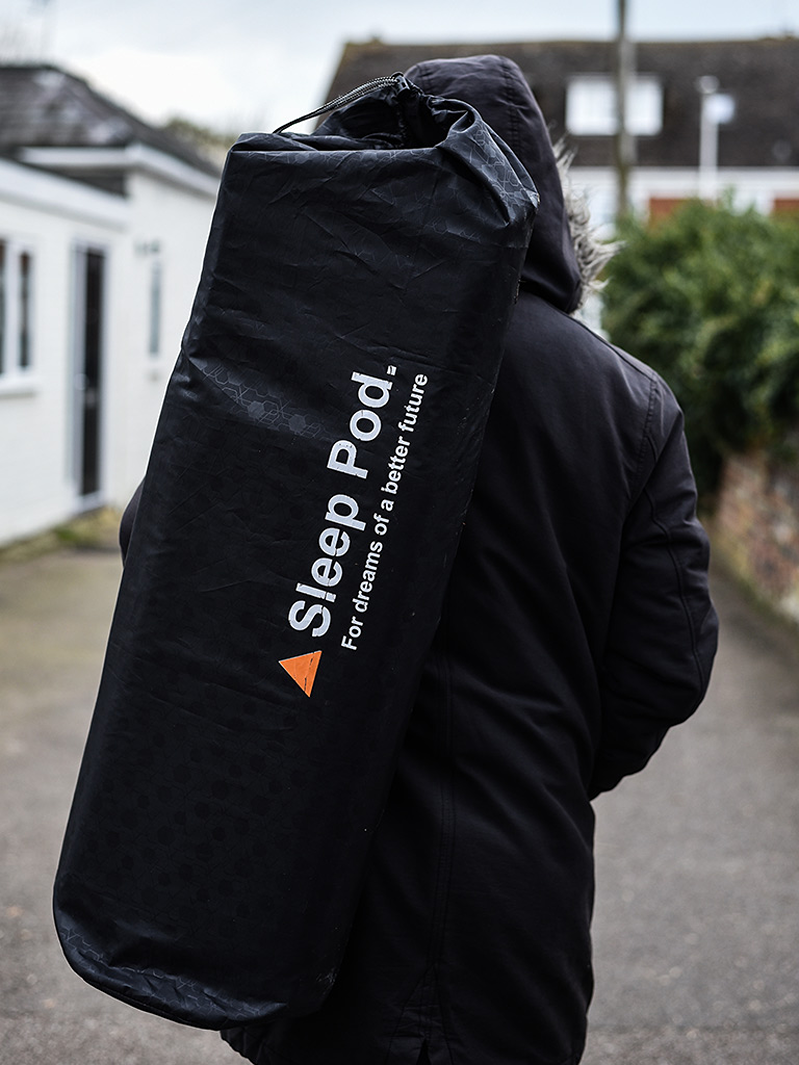
Rough sleepers find it difficult to drag around heavy coats and blankets, especially when wet.
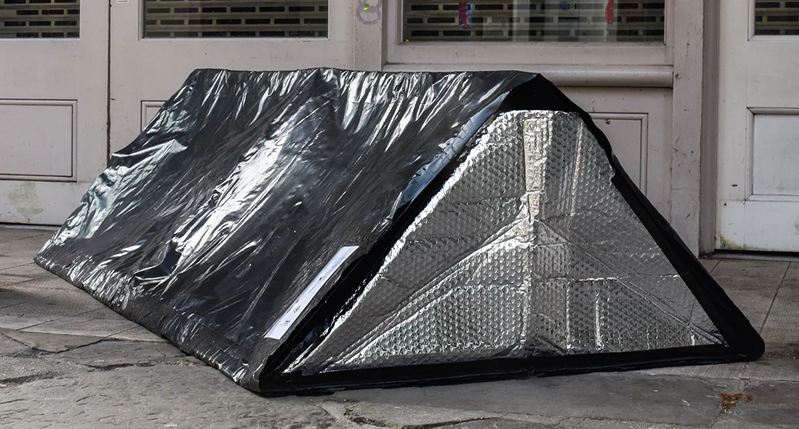
Sleep Pod is a £30 rain/wind-resistant ‘sleeping tent’ that is lightweight and easy to carry.

Sheltersuit is a wind-waterproof jacket with a large hood to shield the face from rain and streetlights, with a built-in mattress & pillow. It was invented in The Netherlands, by someone who heard that the homeless father of a friend, had died from hypothermia.
Made from upcycled materials, it’s given out free to homeless people across the world.
Free Showers, Toilets and Laundry for Homeless People
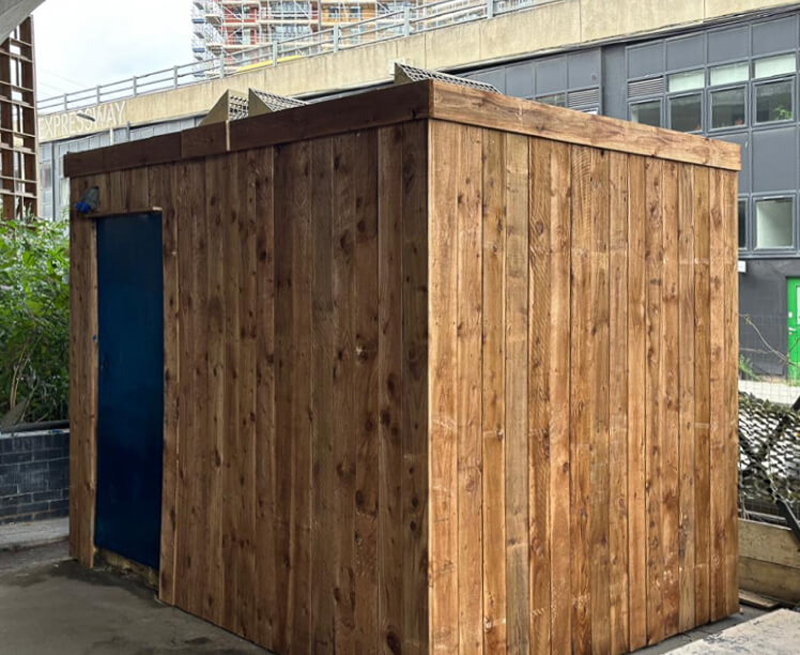
ShowerBox (London and Birmingham) offers free mobile showers to prevent infections and skin issues, and enhance self-care for better chance of finding a job and stable home. Users also get hot drinks, fresh undies and free use of hair clippers.
Homeless people also need free toilets (they can be arrested for indecency if urinating or removing clothes in public places). If there are no hostels, what are they supposed to do?
Rome, Miami and San Francisco all have dedicated free toilets for homeless people, why are we so far behind? It’s also safer for everyone, as addicts have safe disposal bins, for used needles.
We could also do with something like Orange Sky Australia (volunteers drive vans to different towns, so homeless people can take showers and launder their clothes for free).
Debunking Myths about Homeless People
Common myths about homeless people are often perpetuated in the media (one MP even said that ‘being homeless was a lifestyle choice’). Being homeless is cold, boring and often dangerous, and many are there due to being widowed, divorced, fallen behind on rent payments, escaping domestic abuse or mental illness.
Unlike in Germany and Italy (where renting is the norm), in England there is little regulation to protect tenants from exploitative landlords (Crisis wants a Local Housing Allowance, so tenants receive help to match higher rents).
Although job centres do a great job helping people to find work, it’s more difficult without an address or bank account. Ask about the Flexible Support Fund, which can help with interview travel costs and work clothes.
Not everyone who’s homeless is a drug addict. Some are normal people who’ve been knocked down, and it can happen to you too. Sherrilyn Kenyon
Help Homeless People Find Paid Work

The Big Issue (also in a version for northern England) sells magazines to vendors and then they sell them to people on the street and keep most of the profits (they also have card machines, if you don’t have cash).
Founded by Lord John Bird (a previous scallywag who spent time in prison), he now campaigns against homelessness in the House of Lord ((he was once asked to stand as London Mayor – he refused, so they got Boris Johnson instead!)
Beam (London) works by crowdfunding homeless people who tell you their stories, and then their dreams to become gardeners, beauticians, builders and support workers. Many people have trained up and increased their income, thanks to this wonderful organisation.
Emmaus has nationwide shops where you can donate furniture and white goods, which are restored (and PAT-tested for safety) by homeless people who receive jobs, training, homes and income.
Why Does Finland Have Almost Zero Homelessness?

Mostly due to a government that supports non-profit landlord Y-Säätiö.

This works with councils to build on-demand furnished M2-Kodit homes (above and below) that are energy-efficient, with access to green space, public transport and laundries.

A few other good ideas are:
Buses 4 Homeless converts London double-deckers into areas for sleep, cooking, training and holistic support. Blackpool also has its own Big Red Night bus that offers a warm safe place to at night with laundry & shower facilities.
Although Australia’s Sleepbus is no longer in operation, it was a great idea: climate-controlled pet-friendly sleep pods with lockable doors and toilets (and a Pink Sleepbus for families escaping domestic violence).
Homeless pods are modular shelters that affix to existing buildings and are warm, clean and safe. Designed by architect James Furzer, who was appalled at councils fitting ‘hostile architecture’ like spikes and arm-rests to public benches, so homeless people can’t sleep on them (it also means older and disabled people have no where to rest at bus stops).
In the city of São Paulo (Brazil), the council filled underpasses with large rocks. A dismayed local priest dismantled them all, in a brave act of defiance!