Beautiful Wild Bears (lots of ways to help)
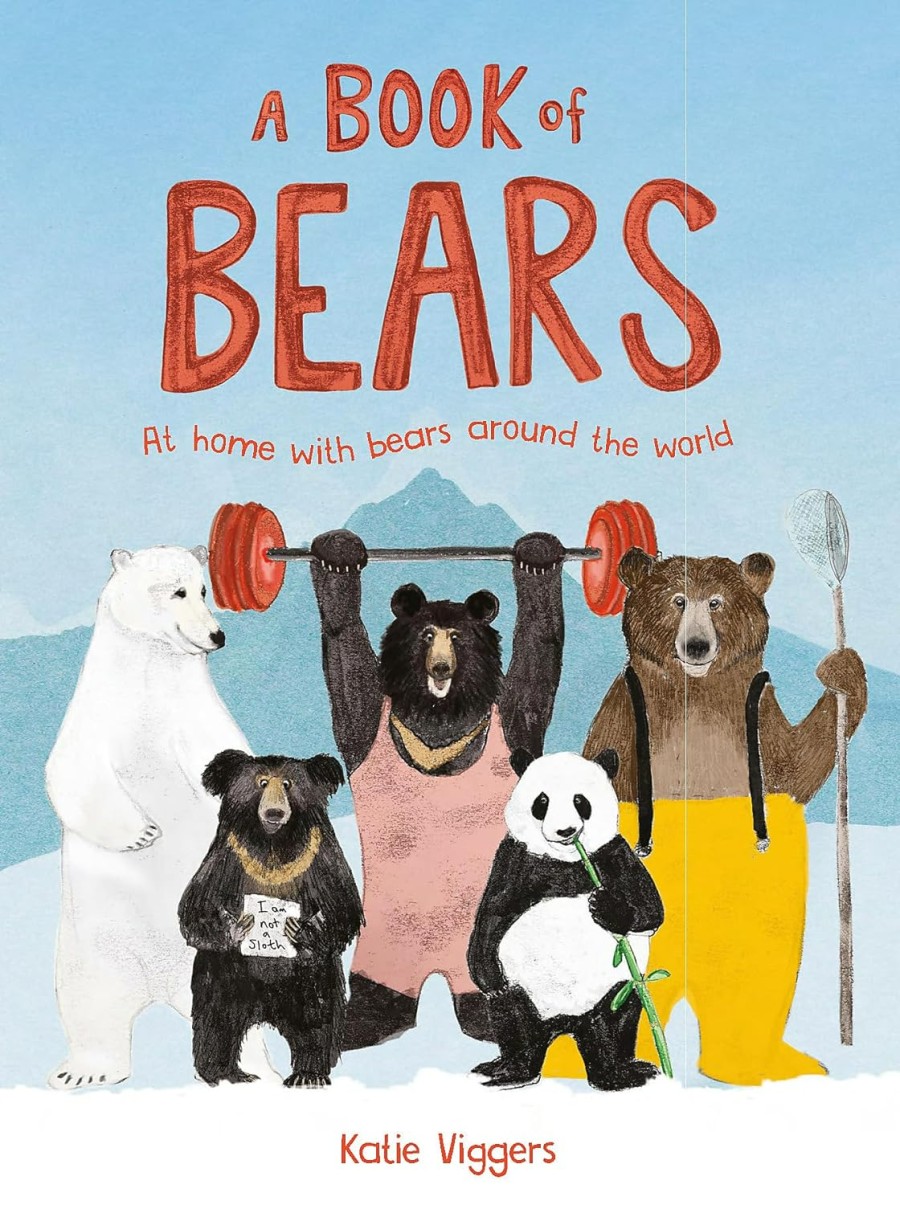
A Book of Bears is a lovely book for children. Learn about their likes and homes. Who is the best climber, and who is the fastest at catching fish?
There are eight species of wild bears on earth:
- American black bear: North America, mainly plants, insects, and some meat.
- Brown bear: Europe, Asia, North America, mixed diet (plants, fish, meat). Grizzly bears are North American brown bears.
- Polar bear: Arctic, mostly seals, strongly tied to sea ice.
- Giant panda: China, mainly bamboo, with occasional small animals.
- Sloth bear (India and Sri Lanka), mostly eat termites and ants.
- Spectacled (Andean) bear: Andes, mostly plants and fruit, some meat.
- Sun bear: South East Asia, insects, fruit, and honey.
- Asiatic black bear (moon bear): Asia, mixed diet, often forests and mountains.
How to help the world’s wild bears
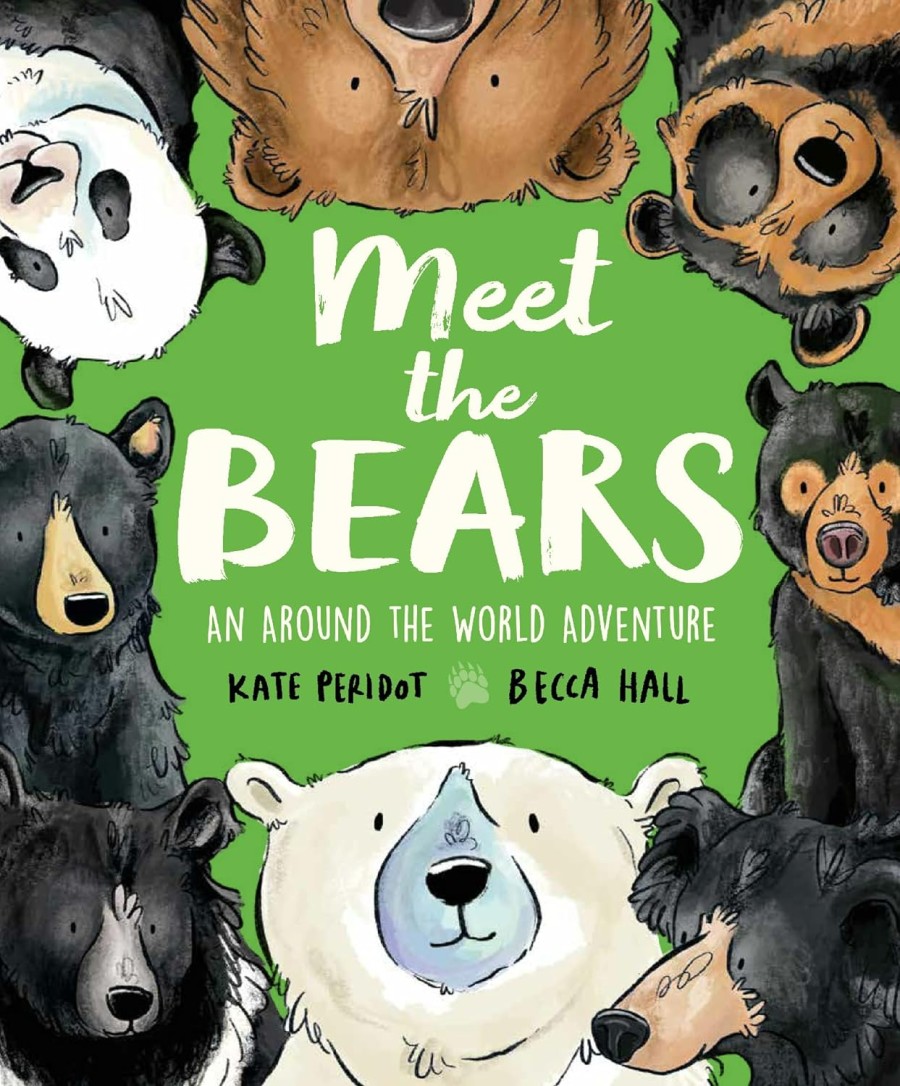
Bears are not native to England, but there are lots of ways to help them:
- Help moon bears by never buying medicine with ‘bear bile’.
- Help polar bears by preventing climate change. Never visit zoos (polar bears have around 1 million times more space in the wild).
- Support the ongoing ban on trophy imports.
- Don’t support tourist spectacles like ‘dancing bears’ or animal circuses.
- Avoid palm oil (deforestation is harming local habitats).
If you live (or are camping) abroad, learn to live in harmony with wild bears. Get Bear Smart has lots of tips (and local chapters worldwide) and says the best ways to help are:
- Don’t leave food (including pet food) outside.
- Cook and eat away from your tent.
- Clean barbecues and drip trays after use.
- Pick ripe fruit quickly, and clear fallen fruit.
- Keep toothpaste and sun cream secure (can smell like food).
- Keep compost securely out of reach.
- Keep dogs on leads in bear country.
Animals Asia Clothing (helping to rescue moon bears)

If you want to make a simple difference to help moon bears used for the bile trade in Asia, buy a few organic cotton staples from the clothing shop at Animals Asia. This amazing charity (founded by a British woman) is helping not to just rescue bears stuck in cages for decades, but also to educate and help stop this awful trade for so-called ‘traditional medicine’.
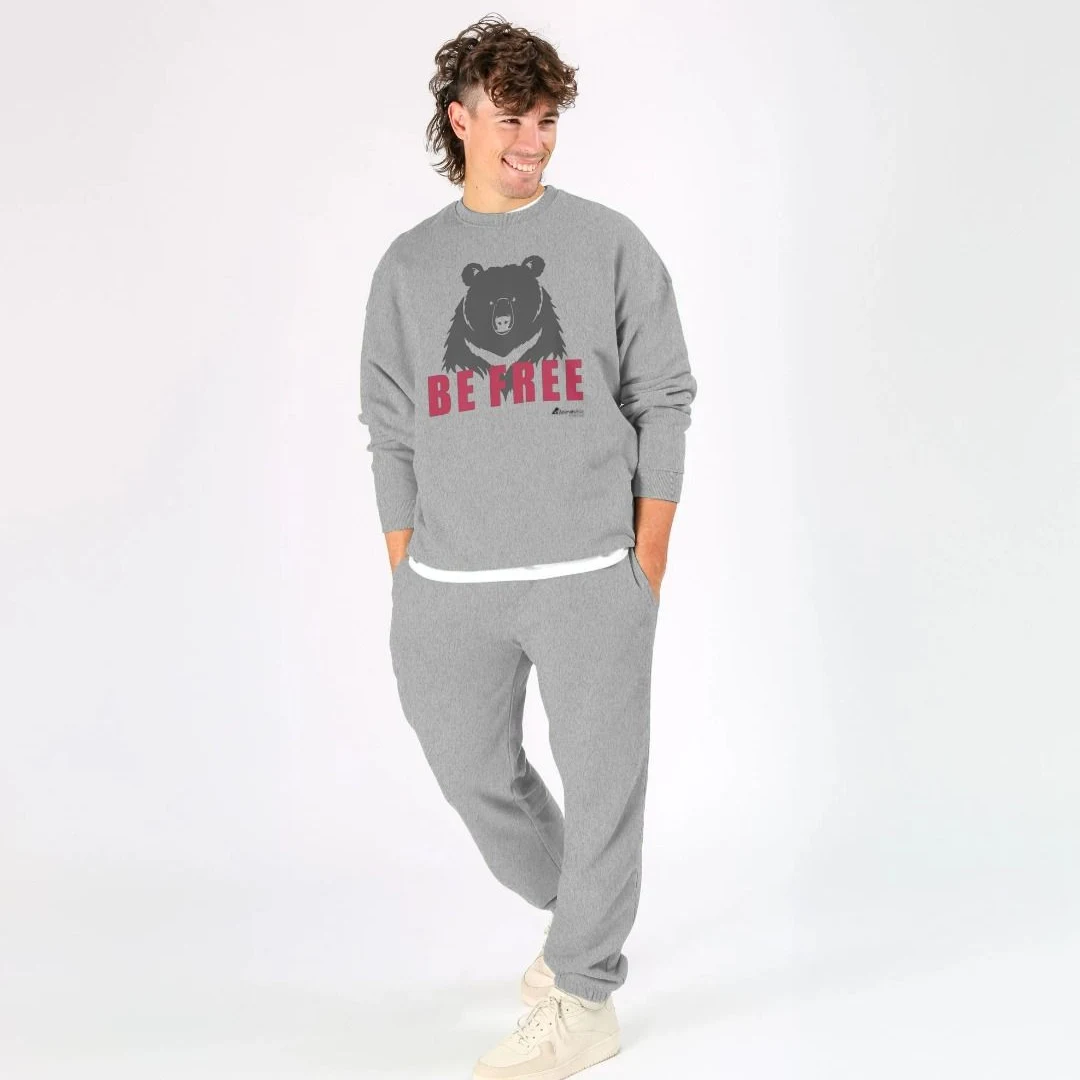
Purchase of these organic staples (tees, sweatshirts and jogging bottoms) helps to fund their amazing work. All items are made from organic cotton, printed-on-demand here in England, and sent to you in zero waste plastic-free packaging. You can also send back items at end-of-life for recycling.
How to stop the bear bile trade
The best way is to never buy anything linked to ‘traditional medicine’ unless you get written guarantee that no animal parts (bile and also tiger bone and rhino horn ‘ are not used. Although this is illegal in England, not all companies are ethical.
Most of these so-called medicines are based on myth anyway. One expert says that using rhino horn could actually fuel cancer, not cure it.
Synthetic UDCA (ursodiol) is now being used in medicine to dissolve gallstones and treat chronic liver disease, the main substitute for bear bile, and researchers have also developed a synthetic alternative, without the use of any animal tissue.