Report Crime and Wildlife Crime (anonymously)

How to Set up A Neighbourhood Watch Scheme

Hertfordshire Ava Lily

Ava Lily

Although England is a pretty safe country in comparison to some, it does have higher crime than many other countries (Switzerland’s murder rate is around 45 people per year, compared to 600 in England and Wales).

Lack of funding for our police is one factor, but there are many ways to help our police forces, which don’t involve money.

Create Neighbourhood Watch schemes (this is where groups look out for each other in communities, reporting odd behaviour). The site has good crime prevention advice. Also read about designing out crime officers (who use good town planning to create safe places).

Burglary prevention tips

Most police work is for so-called ‘minor crimes’, although having your house ransacked does not feel like a minor crime. But there are simple steps that can deter burglars:

  • Place ladders, bins and rubble, out of sight.
  • Buy quality locks for doors, gates and bikes.
  • Don’t leave items in view from windows.
  • Live simply (so you don’t have expensive jewels to steal).
  • Mark items of value with security marks.
  • Use a reputable burglar alarm like Verisure
  • Don’t tell people on social media, if you  go away.

Other tips for safer communities

What neighbourhood watch schemes do

  • First, share trusted information. That might include official alerts, patterns people have noticed (without guessing who did it), and reminders about reporting routes. Speed matters, because early reporting can stop repeat attempts.
  • Second, reduce opportunities. Small fixes make a difference, because many crimes are opportunistic. Think good locks, lights that work, bikes secured properly, sheds locked, and car doors checked. These aren’t flashy actions, but they remove the easy wins.
  • Third, look out for neighbours, especially those who might struggle. That could mean helping someone set up a door chain, offering to collect parcels when they’re away, or checking in after a worrying incident.

You won’t make crime vanish. However, you can make your area feel less “unguarded”, and more connected. That alone can deter low-effort trouble and help people feel confident at home.

  • You don’t need a committee, a logo, or a long meeting. You need a clear patch, a few helpers, and one way to communicate (remember that many people don’t use smartphones or What’s App).
  • Choose an area you can realistically cover. One street is ideal. A small block, a short row of terraces, or a couple of nearby closes also works. If you go too wide, messages become vague and people disengage.
  • Next, find two or three neighbours to help. Try to balance personalities and skills. One person might be good at organising, another at calm communication, and another at spotting practical fixes.

Then agree one starter goal for the first month. Keep it concrete, for example:

  • improve front door security
  • reduce shed break-ins
  • set a safe parcel routine so deliveries aren’t left on show

Reduce Knife & Gun Crimes (proven methods that work)

Edinburgh Amber Davenport

Amber Davenport

The media often focuses on the scary rise in knife crime in England. In 2024, England had 50,000 knife crimes (and increase of 80% in 10 years).

Yet nobody in the media (or in politics) seems to focus on the  fact that over the border in Scotland, knife crime rates have dropped to almost zero.

A few years ago, Scotland’s streets were very dangerous (in the cities), but their communities and police forces found answers, and now we can learn from them. In 2017 England and Wales had a combined 35 knife stabbings, whereas Scotland had none. So how did they do this?

By doing the same as Norway. Instead of ‘locking people up’, Scotland’s police forces have developed good relationships with residents and communities. With regular education and knife amnesties.

Some people are not aware that to carry any pointed or bladed article in a public place without good reason (say if you work as a chef) is against the law. And under ‘joint enterprise laws’, you can be prosecuted along with the stabber, if you are in the same group when the crime occurs.

Carrying a knife also makes you more likely to become a crime victim, it does not make you safer (a stab anywhere on the body, not just the chest) can be fatal, if the blade hits an artery.

Billy’s Wish is a charity founded in the name of an innocent victim of knife crime. It offers free resources for all schools.

Let’s Be Blunt is a campaign for people to buy rounded knives, founded by the heroic yoga teacher who tried to protect children in the Southport attacks, and was injured herself.

Give (anonymous) information on knife crime

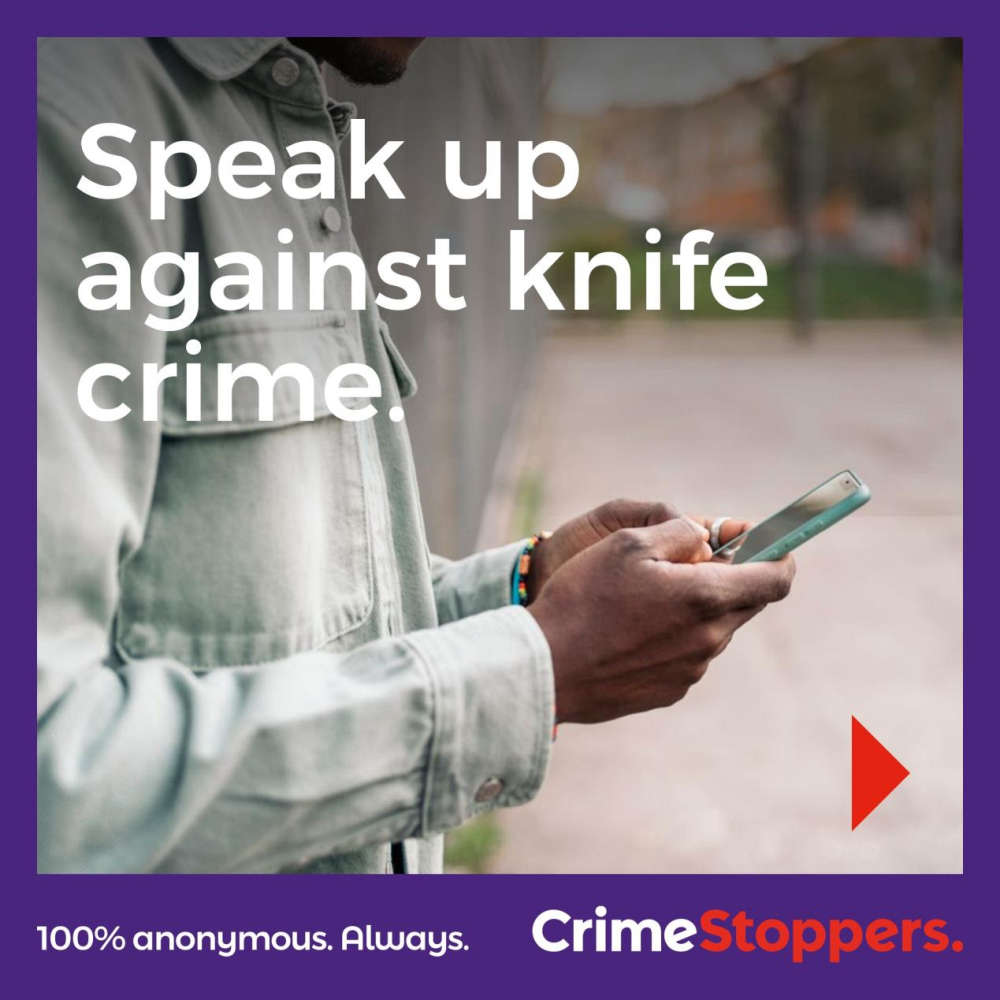
Fearless is a site to give information (anonymously) about a crime or fight that has taken place, or is planned. The site has a quick close tab and there is no browsing history, personal details or IP address taken.

You can also give information anonymously at Crimestoppers (in some cases there are rewards, collected anonymously using a bank code).

Steel Warriors is a London charity that melts down knives taken off the streets, then uses the steel to make ‘street outdoor gyms’ for young people.

How to Prevent Mass Shootings

in guns we trust

Of course, we have had a few mass shootings in the last few decades. But nothing like on the scale of the USA. And now with a recent wave of mass stabbings/shootings closer to home, it’s for sure time to look at lessons to be learned from the country where it all started.

In Guns We Trust is an American book, also relevant to England, with an increase in gun violence. In the USA when you have over 100 million people owning guns, you get tragedies like the recent Minneapolis events.

This book also recalls the Sandy Hook shooting (the author was the local bureau chief when it happened). At a New England primary school, one man shot his mother dead, then killed 20 children and 6 staff at a primary school, before shooting himself.

What makes this book so interesting is that the author is a practicing Christian, who is appalled at how the ‘Christian evangelicals’ have ‘hijacked his faith’ to promote gun ownership and right-wing politics (one of the teachers who died at Sandy Hook was just 27 as she protected the children – she was also the daughter of immigrants).

Just like here (where all mass shootings have been carried out by legal gun owners), the Sandy Hook killer’s gun had been legally bought by his mother (who he shot dead). All these people needed to pass checks to carry guns, before they carried out their crimes.

One good thing to come from all this tragedy was Sandy Hook Promise, a website with free resources for schools, councils and police forces to prevent gun violence worldwide. 

Guns are now everywhere. Millions of Americans hunt animals (sometimes as ‘trophy hunters’, like what happened with Cecil the lion (the dentist went onto kill a rare Mongolian sheep).

Although President Trump does not hunt himself, his sons do (there are photos of them grinning alongside dead buffalo and leopards, and even holding the tail of an elephant they had killed).

Since coming to office, Trump has relaxed the laws on trophy hunting (in England, some peers in the House of Lords are delaying the Bill due to vested interests, by talking about it for hours).

What’s this book all about?

This book is basically an unsettling investigations into the ‘unholy trinity’ which incorrectly links Jesus Christ to right-wing politics, ‘America first’ mentality and gun ownership. He asks why it is that ‘white evangelicals’ are more likely than other Americans to own weapons? Yet the main message of Jesus was peace and to ‘turn the other cheek’.

He also meets Christians worldwide who would never own a gun (think of Quakers). One Amish community that suffered a similar primary school shooting a few years back, even had the residents attend the funeral of the gunman, and help his widow and young family.

It’s almost impossible to believe this level of forgiveness. But due to their actions, the killer’s parents (he also shot himself dead) were able to forgive their own son. His mother would even visit a survivor (left unable to walk, talk or feed herself) to read her the Bible and Anne of Green Gables stories.

The author also meets activists who are ‘beating guns into garden tools’, and nuns who bought company stock, so they could force a gun manufacturer to do more to promote peace!

William J Kole is an award-winning veteran journalist who has reported worldwide, and served as bureau chief in Vienna and New England. A former lay missionary, he also served as board president for an international Christian relief agency. He lives in Rhode Island, USA.

But despite the panic caused by both the event (and often the media), there are proven ways to help prevent these awful tragedies, in most cases. Forget ‘political correctness’. Nothing excuses anyone shooting anyone, but it helps to know some causes, to stop the same happening again.

Vote for peace

There is never any excuse for mass shootings. But often they have political or religious hatred causes. That’s not to say the shooters are justified, but voting for parties that promote peace (rather than create more hatred by arming countries to bomb children’s hospitals etc) helps to foster world peace.

After the tragic shootings on Sydney beach, the Israeli Prime Minister immediately began to put blame on politicians, the same happened with President Trump in the USA, when Charlie Kirk was shot.

Neither does anything to help prevent the same happening again. Politicians have responsibility to bridge divides, not create more hatred and division.

Prevent bullying (in schools and workplaces)

Many teenagers who participate in school shootings often have a history of being bullied at the school they have carried out their crimes. So preventing bullying is obviously one way to prevent such tragedies happening again. And remember bullying can also happen in the workplace.

Listen to warnings (they’re usually there)

One surprising fact from research, is that nearly all mass shooters give a good indication of what they are about to do, whether that’s telling someone, or posting on social media.

So better monitoring can help to prevent further shootings. Register your school at Sandy Hook Promise, to take online courses to prevent shootings.

One way to help is for parents to use BARK app: This tool scans messages and posts  (without being too intrusive) for talk about bullying, self-harm, threats and talk about weapons). In the USA (where it was invented), this app has prevented at least two school shootings.

Links between animal and human abuse

Nearly all serial killers (and this includes mass shooters) have a history of cruelty to animals (most people who own lots of guns are hunters).

Animal Legal Defense Fund has more information on this, which is a huge factor in preventing crimes to both animals and humans. You can take free courses to learn more.

Don’t encourage play with ‘violent toys’

The daughter of Gwen Mayor (the teacher at Dunblane who died with defensive wounds, holding a dead child in her arms) does not allow her own children to play with toy guns or violent video games. Instead, she teaches them about hedgehogs, her mother’s favourite animal

People don’t just ‘snap’. There is a process as observable, and often as predictable, as water coming to a boil. Criminological consensus on the pathway to violence

ing Out Crime (how town planners can make safe places)

Newcastle upon Tyne

Ava Lily

Of course, initiatives like Neighbourhood Watch Schemes (with burglary prevention advice) is all for the good. But one thing that would massively help is if town planners make good use of designing out crime officers, specially trained people in the police, who have expertise on how to make places safer.

Secured by Design is a website that offers tips for town planners and communities, and there are plenty of free downloadable books and courses. Why are these not being made use of?

The evidence show that such communities have up to 87% less burglaries and 25% less anti-social and overall crime. This not only keeps places safer and nicer to live, but increases tourism income, and also saves councils (and the police) heaps of money.

Such officers are used routinely abroad including in The Netherlands, Poland, Chile, United Arab Emirates, Australia, South Korea and several US states.

In Nottingham city centre, designing out crime officers installed Secured by Design recommended doors and windows. And burglaries dropped by around 75%.

A birthday book for town planners

Designing Out Crime is the ultimate manual to designing safe communities. As a hefty textbook, it costs around £70. But this peanuts if it creates safe communities that would cost hundreds of thousands of pounds less to police.

It speaks to crime prevention officers and offers tips on ‘environmental criminology’, plus has plenty of case studies to inspire. For anyone who wishes to prevent crime and anti-social behaviour in their communities.

Examples of designing out crime:

Although some advice suggests trimming tree canopies, it’s important to do this alongside those protecting wild owls and bats that need ‘tree screens’ at certain measurements, to force them to fly higher, to avoid pylons and road traffic.

If using motion lights, turn these off when not in use, and use blinds/curtains and desk lamps, to help stop birds flying into glass windows.

  • Restrict public access to rear gardens with locked gates.
  • Use standard grid-layout streets over complex cul-de-scas.
  • Avoid building rear-access alleys behind long rows of houses.
  • Ensure shared parking courts are gated and visible from windows.
  • Introduced mixed land use – residential blocks with street-level eateries and small commercial spaces.
  • Position playgrounds and pocket parks where they are overlooked by surrounding windows.
  • Encourage foot traffic to crowd out drug activity
  • Instantly repair broken windows, clear fly-tipping and paint over graffiti. Neglected spaces signal areas are unmonitored, so more likely to attract crime.
  • Install tamper-proof public benches and bins, to prevent vandalism. Some silly councils with bins set on fire just get rid of the bins (increasing littering) rather than installing fire-proof bins.
  • Use solar-powered bus tops and shelters, that light up when people are waiting for public transport.
  • Restrict chaotic pedestrian cut-throughs, that give escape routes to fleeing offenders.

Which areas in England have least and most crime?

Unsurprisingly, the Isles of Scilly is England’s safest place, as there are few people and most of them are either walking on the beach, sailing or painting!

England’s smallest county of Rutland is also classed as very safe, and Harrogate is the safest large town. This is a well-laid out town with plenty of green spaces, and most buildings face public areas. It’s kind of  a town that naturally follows designing-out-crime rules, without even trying!

Of course the highest crime areas are the big cities – London and Manchester etc. They all do employ designing out crime officers, showing that it’s just one cog in a wheel of crime prevention measures.

In summary, the idea of designing out crime is ‘natural surveillance’, where people dealing drugs or commiting anti-social behaviour or burgling houses all stop, because they would be watched by someone – either on the street or from windows.

A well-supervised street is a safe street. The street itself must be watched. The public peace is not kept primarily by the police. It is kept by an almost unconscious network of voluntary controls and standards, among the people themselves. Jane Jacobs

In the USA, Project for Public Spaces follows the same idea, helping to transform towns into crime-free communities that people enjoy living in (you’ll also find these communities also have little litter, as people take pride in where they live, once it’s being looked after:

Project for Sunday afternoons: walking your dog, running into friends, people-watching and losing track of time.

Report Crime and Wildlife Crime Anonymously

Crimestoppers

Crimestoppers is an independent charity (which also lets you report wildlife crime anonymously), that gives communities the power to stop crime, by anonymously reporting concerns (by phone or online, every day of the year).

Crimestoppers is not the police. For emergencies, obviously call 999 (and don’t waste their time – some people have called, due to not completing a crossword answer?)

Began as a Community Action Trust in 1988, it was founded for a way to people to come forward with information about the murder of PC Keith Blakelock, during the 1985 London riots. Police knew that some people knew who was responsible, but were too afraid to come forward.

Since that time, they have listened to millions of people (most reports are now online), with appeals having resulted in over 140,000 arrests. Co-founder Lord Ashcroft is an interesting character. A former Conservative politician, he has signed up to The Giving Pledge (where the world’s wealthiest individuals pledge to give most of their wealth to good causes).

He is also passionate about wildlife. He campaigns against whale harpooning, captive breeding and trophy hunting (since the sad death of Cecil the lion, over 60 wild lions have been killed by British hunters). The ban has been delayed, by some peers in the House of Lords.

In 35 years, this charity’s guarantee of anonymity has never been broken. Yet it also offers rewards to some for giving information. Just ask for a reward code when you first speak to a call agent, or enter REWARD REQUEST in the online form. Then log back in 24 hours later, to get your reward code.

This can then be used to pick up cash rewards at designated banks, without need to show ID, using a secret password and pickup date.

Report wildlife crime Anonymously

Wildlife crime isn’t just “country things”. It can happen on footpaths, riverbanks, farmland edges, parks, and even gardens. It includes harming protected species, illegal hunting, illegal trapping, and damaging habitats. As a single incident or over weeks.

Examples include poison bait, trapped birds of prey, disturbed badger setts, illegal hare coursing, deer poaching, illegal netting or fish trapping (including eel traps), trading protected species, and damage to nesting sites.

If you’re not sure whether something is illegal, report what you saw anyway. Investigators can sort out the legal detail later. Wildlife offences often happen in remote places, so location matters even more than usual. A “field near the woods” is hard to search. Try to note:

  • Grid reference or What3Words, plus nearest road or parking spot.
  • How people accessed the area (gate, track, footpath).
  • Vehicle details, including number plates and where parked.
  • Number of people and what they were doing.
  • Weapons, traps, nets, or lamps, if seen.
  • Unusual smells (like chemicals), without getting close.
  • Dead or injured animals, seen from a safe distance.

Take extra care around suspected poison. Don’t touch bait, and keep children and pets away. Report urgently, because poison can harm pets, wildlife, and people.

Crimestoppers also run regular campaigns

Crimestoppers website has a whole suite of good information on keeping safe, which is a good read for personal use, businesses, councils, schools and communities. It covers:

  • Personal safety (domestic abuse, weapons crime, child neglect, sexual harassment and stalking, violence against sex workers, theft, hate crimes, mobile phone safety, identity theft and staying safe abroad.
  • Home and property safety (preventing home burglaries and vehicle theft). Plus tips on online safety, fraud prevention, scams and fake bank notes.
  • Rural crime – tip on preventing theft, arson, fly-tipping and wildlife crime (birds of prey, badger baiting, hare coursing, harming bats and illegal poaching).

When it is an emergency: call 999

Call 999 when there’s danger now. That includes ongoing violence, serious threats, burglary in progress, arson, or someone carrying a weapon. It also includes active wildlife persecution (setting dogs on animals, using traps, placing poison bait).

999 is not an anonymous service. The call handler may see your number, and the police may need a statement later. Still, you can say early on that you’re worried about your identity, and ask for your details to be kept private. Call handlers deal with this every day.

Keep it short at the start. Share the things that help officers arrive quickly:

  • Exact location (road name, nearby landmark, postcode).
  • What is happening now, in plain words.
  • Descriptions of people, vehicles, and clothing.
  • Direction of travel (towards high street, down the lane, northbound).

If you can’t stay on the line, say so. If you can, stay nearby at a safe distance and update what you see.

Not urgent? Report to 101 (or online)

Use the non-emergency route when the risk isn’t immediate. For example, you notice suspicious activity, you find damage later, or you spot signs of something illegal the next day.

If you give your details, ask how your information will be handled. You can request that the police don’t share your details with the suspect. Some forces can flag reports as restricted or confidential. It doesn’t guarantee you’ll never be contacted again, but it reduces the chance your name goes further than it needs to.

In many cases, police can act on intelligence without using you as a witness. Sometimes they need a formal statement, but should explain your options.

Also think about your own ‘digital footprints’. If you post on social media, you can accidentally reveal where you were standing, who you were with, or what time you were there. That can undo anonymity in seconds.

Photos or video can help, but only if it’s safe and legal. Don’t trespass to get a better angle. Don’t confront anyone. Don’t touch items left behind, because you could destroy fingerprints or contaminate evidence. Save files securely, and avoid sharing them publicly before reporting.

Why Prison Reform is not being ‘soft on crime’

The Governor coffee

Redemption Roasters trains people who have left prison, with skills to become skilled baristas. They roast blends, and also have 11 London coffee shops to pop in for an empowering espresso!

This brand goes further, even working with a project in Colombia, to support farmers who were previously growing for the drugs industry, to instead produce coffee to earn sustainable incomes.

Aviod caffeine for pregnancy/nursing (NHS says if you do drink it, no more than 1 cup of mild coffee or cola, or 2 cups of weak tea daily). Also avoid caffeine for affected medical conditions (like insomnia!)

Swishing coffee grounds into sinks could clog drains, so use a SinkShield

You can bin coffee grounds and tea leaves in food waste bins (usually broken down by anaerobic digestion). If you don’t have one, just bin them (acids could harm compost creatures – same for rhubarb/tomato/citrus scraps and allium scraps – onion, garlic, shallots, leeks and chives).

More coffee brands doing good for others

  • Change Please Coffee uses profits from its brews to train homeless people to become baristas, funding a living wage job and accommodation advice. The beans are sold whole or ground, including 1kg packs, ideal for coffee shops, pubs, hotels and restaurants.
  • Send Coffee funds 48-week training courses to become baristas, for London residents with learning difficulties and special educational needs (the course also includes financial literary and self-care). Choose coffee from Brazil, Uganda or Ethiopia.
  • Kickstart Coffee (Cambridge) uses all profits to plant coffee trees in Uganda, and fund educational needs for children and teachers.
  • Manumit Coffee offers coffee made by a co-operative of former slaves, and reinvests profits to help stop modern slavery.

It’s difficult to package coffee, as it needs some kind of seal to keep fresh. But this company for a start focuses on roasted beans, that you can buy and roast yourself. And with a mission to donate millions to animal charities, this brand deserves support!

The good news is that most supermarket bag bins now accept soft packaging like coffee bags, so save them up and drop them off, next time you’re passing!

Tap social beers (help give prisoners jobs)

Tap social beer

It’s not very politically correct these days to talk about prison reform, and of course justice must be seen to be served, both as a deterrent and to bring some kind of closure to victims of crime.

Most prisoners get £76 for their journey home (which can sometimes be a tent), with 50% of prisoners reoffending within a year. This costs taxpayers around £6 billion a year.

So it’s really important to look at why prisoners reoffend, to change things for the better and create safer communities.

Tap Social Beer (Oxford) sells vegan draught and canned beers (in cardboard packs), employing recently-released prisoners (or those on day release). The beers are sold at four local community spaces, in shops or online.

Before recycling cans, rinse then pop ring-pulls over holes. Then use your fingers/thumb to ‘pinch’ inner rims together, to avoid wildlife getting trapped. 

The Glasshouse (Kent) trains female prisoners in horticulture, the houseplants sold online to provide trained jobs and income.

Many indoor plants (including lilies and sago palm) are unsafe near pets  (even brushing a tail past can harm). Avoid facing indoor plants to outdoor gardens, to stop birds flying into windows.

Does restorative justice work?

Restorative justice is when the victim and criminal (not necessarily of the same crime) meet up with a trained professional, to discuss the impact that crimes have had on victims. This stemmed from a Hawaiian practice, where everyone had to get along, due to the small population.

Studies show that this is a pretty effective way to help victims feel heard. And most criminals also are deterred (for juveniles, it has an almost 100% success rate). Here’s a case study from the above site:

A boy snatched a handbag from a 99-year old wheelchair-bound woman, left screaming for help. Her son (who was pushing her) found the boy who gave back the bag, and he pleaded guilty in court.

The man met the boy in a Restorative Justice meeting, and learned that he was just 14, and had been coerced by someone else to mug his mother. After their meeting, he shook the boy’s hand (he later wrote an apology to his mother, who felt she had ‘been heard’).

This ending is not ‘politically correct’. But it’s likely that this boy will now never reoffend, less likely if he had just been sent to a juvenile detention centre, to learn more bad habits and mingle with criminals.

Norway uses prison reform ideas like this. And has re-offending rates at below 20%, far lower than  England.

Does the death penalty deter crime?

No, despite around 50% of people in the UK (and around 80% of Reform UK supporters) wanting it returned for heinous crimes (say child murder). It’s understandable, but the proof is that it simply does not deter (most people who commit such crimes are psychopaths or on drugs, or both).

This is proven in the USA. Liberal north-eastern states (with no death penalty) have lower rates of murder. Yet states with the death penalty (like Texas) have much higher murder rates. The killers are not thinking of the consequences, when committing the crime. Prevention is key.

One fact often overlooked by supporters of the death penalty, is that some jurors will find the accused innocent, as they don’t want the responsibility of sentencing someone to death (this could be due to conscience or faith). So it could mean that guilty murders are free to kill again.

When England had the death penalty, most executions were carried out by Albert Pierrepoint (the son of an executioner, he hanged Ruth Ellis). In one miscarriage of justice, he hanged an innocent man with a mental age of 10 (then when the guilty man was found, he hung him too).

Later on in life, he retired to open a bed-and-breakfast? And said ‘All the men and women whom I have faced at that final moment, convince me that in what I have done, I have not prevented a single murder’.

The book Death at Midnight is by a former USA executioner, who reminds us that while those who support executions go about their lives afterwards, it’s people like him left having nightmares for the rest of their lives.

Similar Posts