Beavers: Nature’s Flood-Reducing Architects!

Flooding is a huge issue these days in England. And one of the best ways to prevent flooding (apart from not chopping trees down and not buying peat compost) is to reintroduce beavers.
Previously hunted almost to extinction, these amazing mammals have huge strong teeth that they use to gnaw down wood to make dams – because that’s what they like doing all day. And by doing this, they automatically help to prevent floods.
Read more on simple solutions to stop flooding.
Known as the ‘engineers of the wetlands’, beavers are huge rodents, which are now being reintroduced to our wild areas, after around 400 years of not being there.
Mostly active at dawn and dusk, they are related to rats, mice and voles – and live in small family groups.
These rodents are herbivores, and like nothing more than gnawing through a nice chunk of wood, using their huge teeth that never stop growing and are coated with an iron-rich enamel, which is why they are orange.
Beavers even have a second set of lips to avoid swallowing debris underwater, and ‘inbuilt swimming goggles’ to see!
Beavers are classed as a ‘keystone species’ that can not just prevent floods but also filter water to make it purer.
They also help to keep water flowing during droughts, making them a critically important species for our natural world and biodiversity.
Whereas years ago beavers were hunted for their fur and meat (and their oil used in perfumes), today thankfully they are a protected species (including in Scotland).
Some people confuse them from afar with otters, but the latter are smaller and have different tails.
Beavers love making dams to create safe access to their lodges, and the result is natural dams, which slow water and prevent floods. Gloucestershire’s Wildlife Trust has created ‘leaky dams’ that force water to pass through slowly.
But beavers do this better! These ‘river engineers’ have teeth so strong, they can snap a tree trunk in a couple of bites, and gnaw through a whole trunk in less than an hour!
When beavers were released into a river in Devon, they reduced flood flow by up to 60%, even in very wet weather.
Paradoxically, they also help to prevent droughts (and improve water quality). In just 6 years, the UK government spent £2.6 million on flood defences, yet beavers can kind of do the same – for free!
To be happy and healthy, wild beavers need at least two hectares of freshwater habitat, with lots of trees and shrubs.
In Scotland, beavers are classed as a native species and the consultation is presently ongoing, to class them also as a native species in England, now that successful rewilding projects are underway.
How Exactly Do Beavers Help to Reduce Floods?
When beavers build dams (which they do to enable them safely access their lodges and they also dig channel to safely explore), this creates little ‘canals’ that hold water, which then pushes water into the soil to create wetlands, which absorb water (a bit like peat).
Studies have shown that dam-building by beavers can reduce floods by up to 60%, as water trickles out of wetlands slower, so ideal safety nets after heavy rain or stores.
And they do this at a fraction of the cost of building flood defences, which cost the government millions of pounds (and is forecast to increase over the coming years).
The Campaign to Set Wild Beavers Free
Wildlife charities are now asking the government to release beavers that are currently within fenced enclosures, so they can return to the wild. This would not just be good for them, but would have huge benefits to prevent and reduce flooding.
Ecologists say that care must be taken to prevent wildlife-human conflict, in case they felled garden trees or flooded high-value farm crops. Netting around trees is not a good idea, as holes are usually too large, and can trap birds and wildlife.
Wildlife experts in North America suggest planting fast-growing trees that beavers prefer (willow, aspen, alder, birch, ash, poplar and hazel) and this will prevent most beavers from venturing into gardens.
They only have one litter a year, so if we leave them alone and restore their habitats, it’s unlikely that beavers will start leaving their natural areas to go elsewhere.
Pruning is also suggested (cutting a willow stem can lead to three or four new ones) which beavers will then use to make dam wetlands. Beavers don’t venture far from their natural area, and if we look after their natural habitats, they should be quite happy to stay where they are – building dams and preventing floods.
Why Beaver Releases Must Be Done Officially
Due to the government taking so long to get the benefits, The Beaver Trust is warning not to just release beavers without permission. It says despite the benefits, doing so without expert help could lead to wild beavers encroaching on local gardens or more likely farmland, and we don’t want a situation where the success of rewilding than becomes an issue.
Beavers are also territorial and will fight to their deaths, if other beavers get too near their enclosures. And like all wildlife, beavers are prey to some other animals (it’s nature, but we need experts to know where to release them).
It’s in everyone’s interests – landowners, farmers, conservationists – to get a clear policy. A potential consequence of inaction is a growing number of unlicensed releases into the wild, which could alienate stakeholders, and jeopardise the success of future wild releases.
It’s important releases are done responsibly under license – then we can maximise the benefits that beavers bring, through damming and habitat modification. The Beaver Trust

Building a lodge starts with stacking branches into a dome-like structure. Mud is then added for insulation. Inside, a beaver lodge is surprisingly complex.
There are multiple chambers, one for drying off after a swim, another for sleeping, and often an underwater entrance to keep predators at bay.
A recent research project also found that reintroducing wild beavers to wetlands, led to an increase in the activity of endangered woodland bats.
Barbastelle bats are on the IUCN Red List as a threatened species (and are protected under the Wildlife and Countryside Act 1981). There are less than 5000 left across the UK, due to lack of woodland and pesticides.
The Beaver Manifesto (wetlands and conservation)
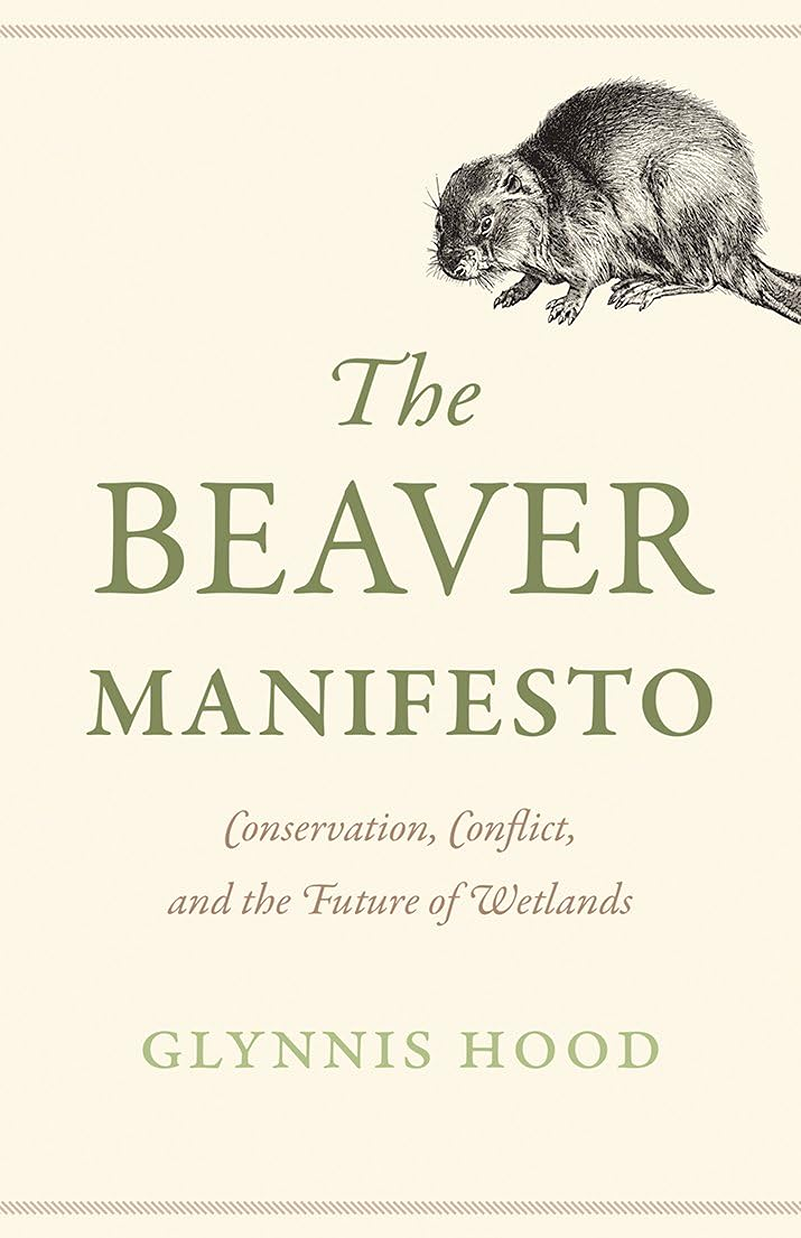
The Beaver Manifesto is a compelling book, which explores how councils, town planners and politicians need to rethink their approach, protecting native wildlife instead of ignoring their natural habitats. We can still build affordable homes, while working alongside ecology experts to avoid disturbance to native creatures).
Beavers are large vegetarian rodents, who use their huge orange teeth to gnaw wood and create dams, which also happens to prevent floods for us humans. Almost hunted to extinction for their fur, today they are thriving, thanks to nationwide rewilding projects.
This book tells the story of ‘nature’s architects’ and a keystone species for maintaining healthy aquatic ecosystems, and one beloved by conservationists, who often clash with those involved in urban development.
Beavers however refuse to conform to human rules, and so the only way to go is to accept that our native wildlife should be cherished and respected, and people should stop ‘fighting nature’.
The Beaver Trust is our national charity, helping to protect and rewild beavers. It says that rewilding should always be left to experts, as releasing them at the wrong times in the wrong areas, could cause harm to them and other species.
Author Glynnis Hood grew up in British Columbia (Canada) and spent her summers in little boats and running barefoot along the shores of Kootenay Lake. She has spent most of her adult live in forest and mountain areas, and has a PhD on wildlife and wetland ecology, and is now a professor of environmental science.
Her closest neighbours in Alberta are – a family of beavers!
Read River Journey, the story of wild beavers.
Concern Over Wildlife Political Policies
After discovering that 80% of Reform UK voters are concerned that the party has no wildlife policies (and is planning to return rewilded land to farming), it has hired Ben Goldsmith (half-brother of environmentalist Zak Goldsmith) to flesh out policies, to try to win more votes.
Presently, the party policy is to scrap the Habitats Directive, the Birds Directive and water pollution controls, in order to generate more business income. Removing these laws would lead to more development and intensive agriculture, and likely more sewage pollution, floods and wildfires.
This would place many of our protected areas (wetlands, hedges, chalk streams, ancient woodlands, sand dunes, peatlands) at risk, which in turn would harm birds and native wildlife. Friends of the Earth describes their plans as ‘a scrappage plan to speed up the demise of UK wildlife’