Waddling Penguins (why they need to stay in the wild)
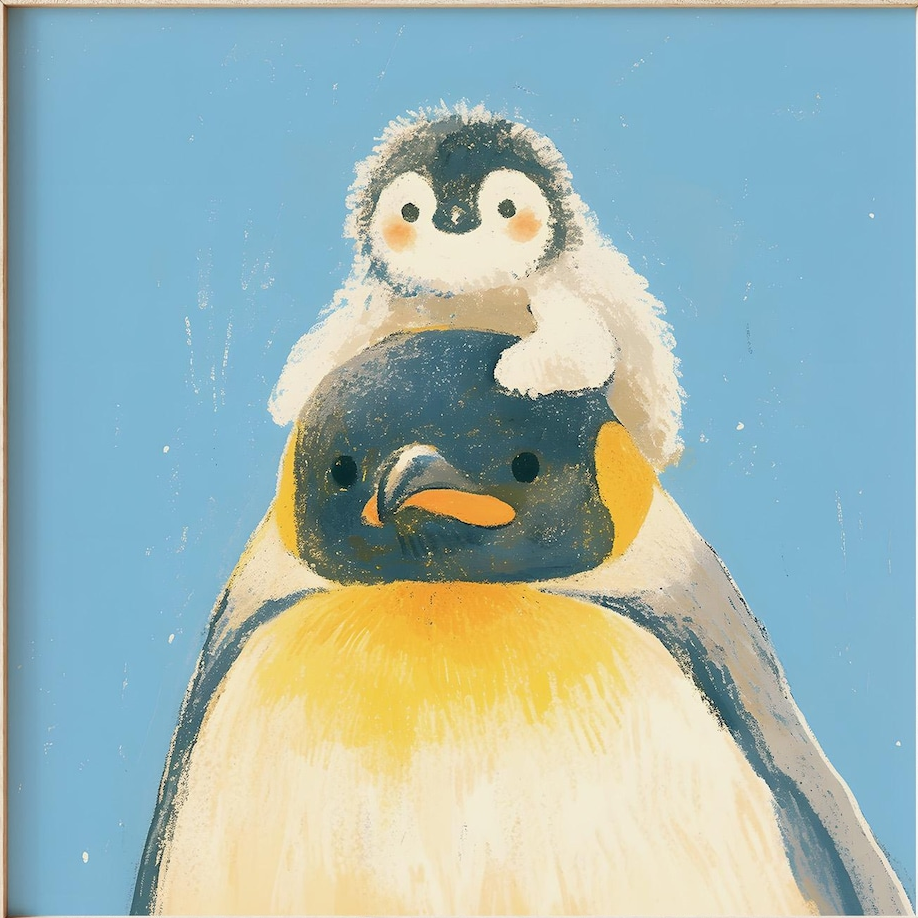
There’s not much cuter a bird than a waddling penguin, is there? In fact, these flightless birds (who make up for it by amazing swimming) have quite a tough life in the wild.
Huddling together in freezing temperatures to protect their eggs, one parent marching off miles to find food, and then a careful ‘handover’ to prevent the chick freezing within seconds.
Emperor penguins are the best-known. But there are other types. Gentoo penguins build ‘pebble nests’ and Adélie penguins migrate over sea ice, timing travel with the freeze and thaw. They read the weather far better than we do!

Having said that, penguins are wild birds. And it’s important things stay that way. Climate change is (like polar bears on top of the globe) causing huge issues in Antarctica, where penguins live (they also live in a few other areas on earth, and like seagulls, have a special gland to enable them to drink seawater).
Penguins easily survive as adults in freezing temperatures, as their waterproof feathers overlap (like roof tiles) to trap air for warmth). Dense bones reduce lift (to dive with ease). And strong flippers act like paddles, pushing through waves at high speed.
Penguins are very social birds, who not only share parenting, but use sharp calls to warn each other of danger, and can recognise their partners and chicks amid thousands, just by a quick call.
Our Choices Affect Wild Penguins

- Use less plastic, don’t drop litter. Also live a zero-waste lifestyle (beauty, fashion, cleaning, laundry), to help reduce your carbon footprint).
- Launder synthetic fibres (polyester, nylon, recycled plastic bottles) in a microfibre filter to stop microplastics ending up in the sea. Same with reusable nappies and menstrual pads (both have synthetic backings).
- Don’t buy krill supplements. These are sold in many health stores, despite Shepherd warning that even ‘sustainable krill’ is taking essential food from penguins and whales. There are better ways to take care of your health.
Don’t Visit Penguins in Zoos or Aquariums
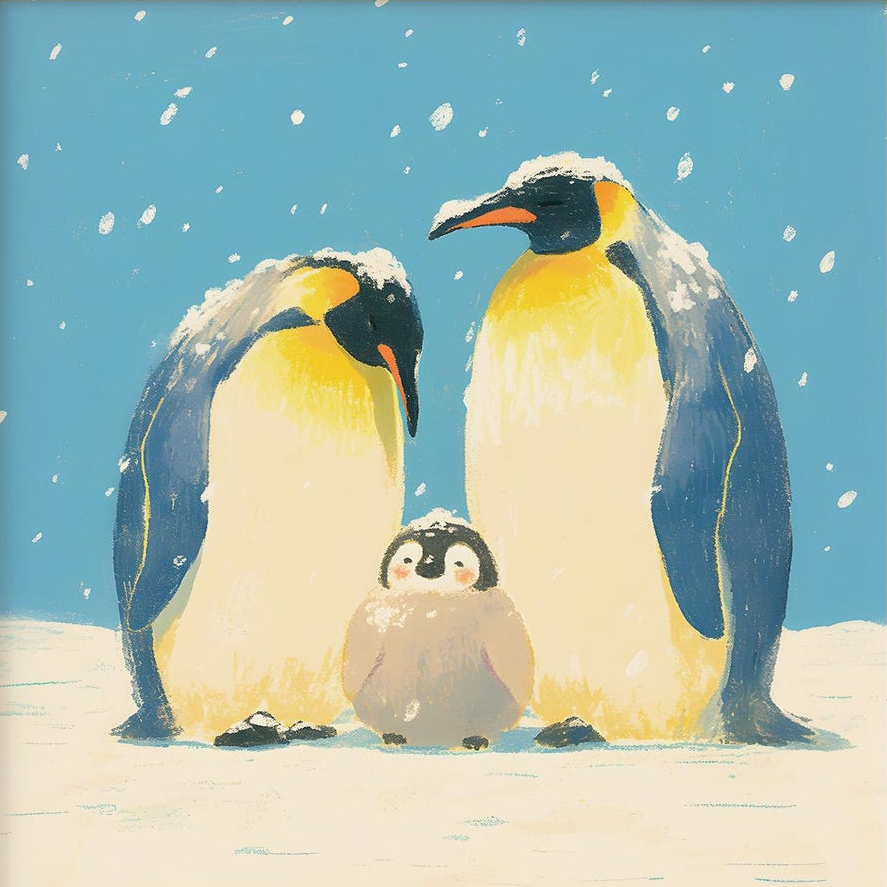
Wild penguins belong in the wild, England is way too warm for them. Freedom for Animals wants the government to release 15 Gentoo penguins (that live in a windowless Sea Life basement in London with no daylight or fresh air) to be released to experts, for rewilding.
In nature, these strong-swimming penguins are the deepest divers (to 600ft). Yet have just 6 to 7 feet of water in a tiny enclosure. Campaigners to rehome them include Chris Packham, Feargal Sharkey and Born Free.
As children, we know how important freedom and fresh air are for happiness. Penguins deserve sunlight, space to swim and a real sky above them. Not life in a dark basement. Naila Seetal (former Child Prime Minister of Children’s Parliament).
A similar campaign in Australia is trying to help Pesto, a penguin that lives in a small indoor enclosure, with a pool just 2 metres deep. King penguins are not endangered in the wild, so SeaLife has no conservation argument.
Keeping penguins in captivity also can lead to disease, malnutrition (frozen fish is not the same as fresh) and foot injuries. Thankfully an ice-skating event planned with ‘dancing penguins’ never came to fruition, after protests from animal welfare campaigners.
A Fun Book to Learn About Penguins!
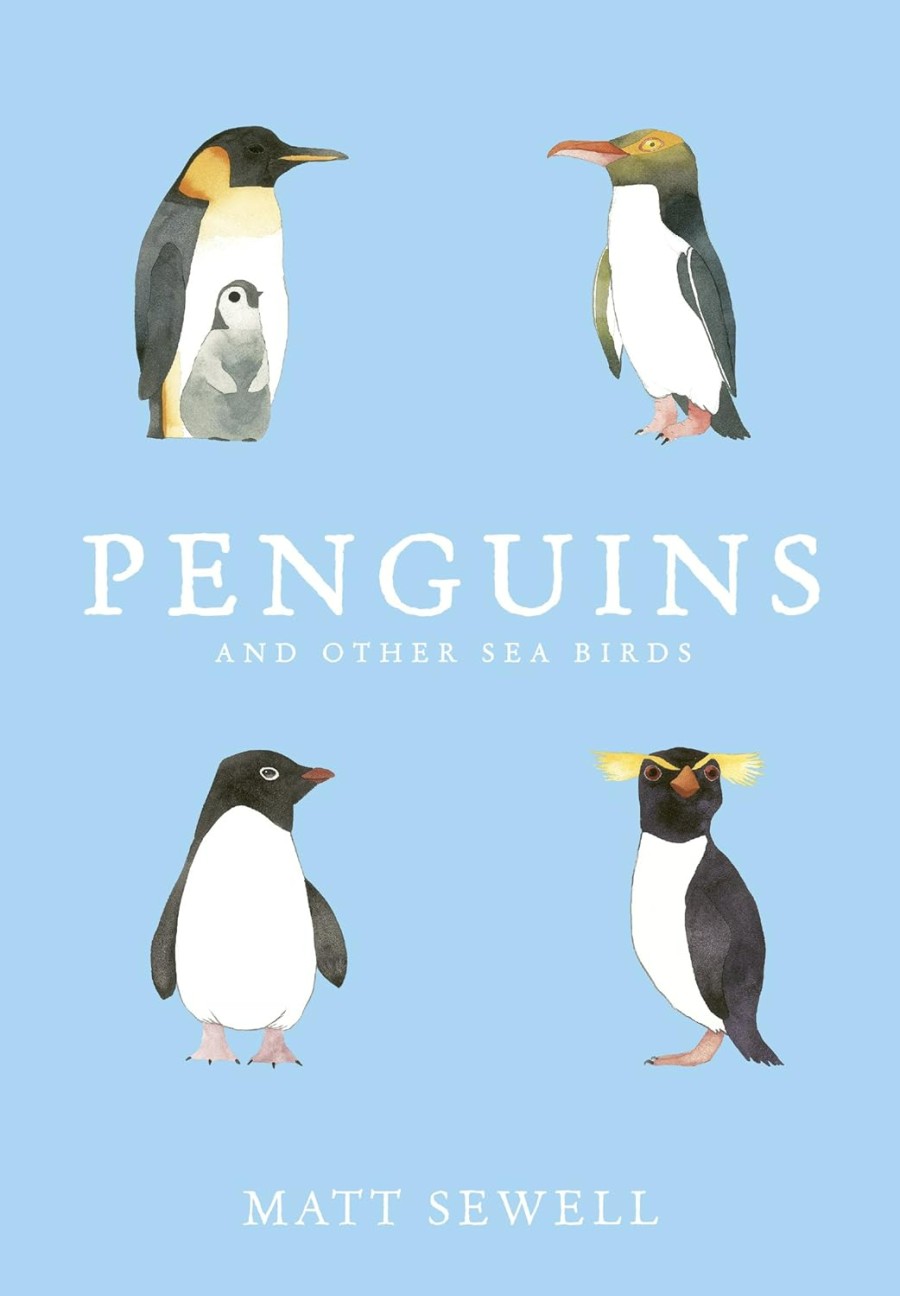
Penguins and Other Sea Birds is a beautifully illustrated and educated guide to sea birds across the world. The book covers several species including:
- Penguins (most of the book!)
- Puffins
- Gannets
- Cormorants
- Blue-footed booby birds
- Pelicans
- Sea eagles
Penguin Emperor is the boss, the sultan of the Antarctic snow. His ‘thermal underwear’ protects him from sub-zero temperatures of the South Pole. At minus 70 degrees C, daddies bunch together in a hundred-strong rotating huddle, eggs safely tucked upon their shuffling feet inside the warm incubating pouch.
Soon after the fluffy chicks hatch, the females return from the sea – fat, sleek and healthy. They relieve the dad of his duties and – like ships that pass in the night – the Emperors slip off to feed.