A Quick Tour of England’s Historic Castles
England is home to around 1500 castles, mostly in landlocked counties or on the Northumberland coast. The oldest inhabited castle in Europe is 900-year old Windsor Castle (a beautiful building, despite differences of opinion about monarchs).
Built to defend against attack or as signs of power and wealth, some have have dungeons (the French word for ‘fortified tower’) and were more like ‘coal bunkers’ for people under attack, and later were used as prisons. Moats were often used too as defence.
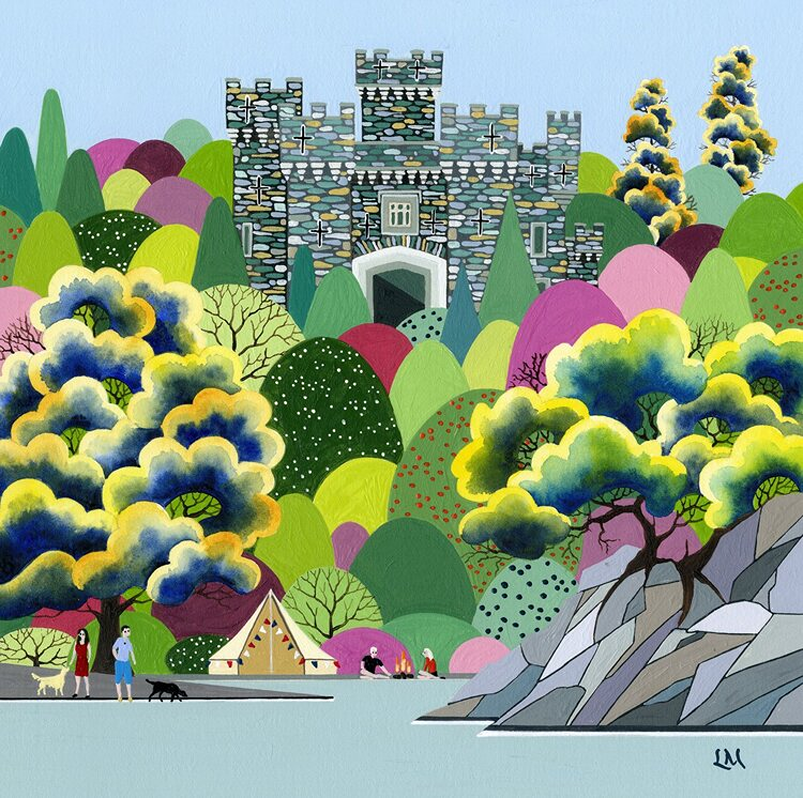
Wray Castle (Cumbria) is a Gothic castle owned by the National Trust, sitting above Lake Windermere. Originally built for a retired surgeon from Liverpool, a descendent (who became the local vicar) decided to hand it over to the Trust, so it could be enjoyed by others, and preserved.
One local teenage visitor was the writer Beatrix Potter, who was so enamoured by the place that she bought a local house (Hill Top) with royalties from her first book, The Tale of Peter Rabbit. Following suit, when she died, she left thousands of acres to the National Trust.
A County of Grand Ancient Castles
Northumberland has more castles than anywhere else in England. Alnwick Castle is one of the oldest inhabited castles, often called the ‘Windsor Castle of the North’. If you like period dramas, you’ll recognise the sumptuous Italianite rooms, in episodes of Downton Abbey.
If out walking, always follow the Countryside Code, to keep all creatures safe. Also read about keeping dogs safe by the seaside.
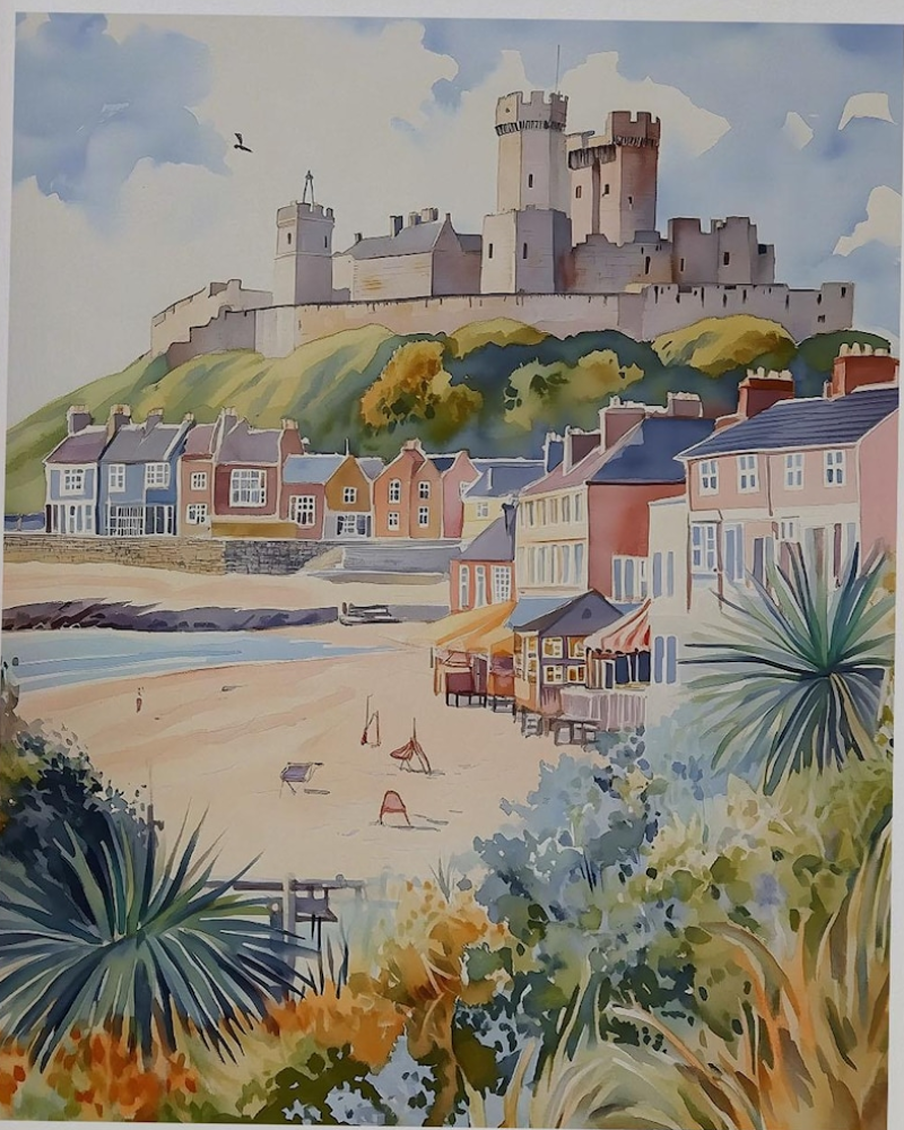
Bamburgh Castle (above) was once lived in by kings, who ruled over this county. Today it’s said to be the most haunted of castles! It has a stunning location overlooking the wide sandy beaches near the Farne Islands.
It’s also home to large seabirds called Fulmars, who for hundreds of years have nested on the battlements. Now protected by law, staff often rescue chicks who land on the roofs, unable to take off again.
Nearby is the town of Seahouses, which is where you can look out towards The Farne Island, home to thousands of puffins, seals and seabirds. The town did not exist, until the harbour was built.
Beyond that is Beadnell, a very pretty village by the sea, with sandy beaches and a unique west-facing harbour. It was originally two medieval hamlets, that grew into one single village.
Northumberland Has Over 70 Castles
Some are small and inland, others are large and overlook the sea. Some of the best-known are Alnwick Castle (the second-largest inhabited castle in England after Windsor Castle and the grand ruins of Dunstanburgh and Edlingham Castles.
Dover Castle (Kent)
This beautiful castle sits looking out to sea, facing the French coast just 20 miles or so away. It has lots of secret tunnels.
Kenilworth Castle (Warwickshire)
This is known for its beautiful red stone, and was the home to Robert Dudley (the love of Queen Elizabeth I). Again it has many secret tunnels to explore.
Bodiam Castle (East Sussex)
This is a moated castle built in the 14th century, to defend against the French invasion, of the Hundred Years War.
Leeds Castle (Kent)
This is confusingly not in Yorkshire. This stunning castle is built on islands in a lake and is a historic Grade 1 listed estate, just south of Maidstone.
Lindisfarne Castle (Northumberland)
This is located on Holy Island, where hermit saints like St Cuthbert used to live. Today the many tourists with cars are reminded to look at tide times, so not to be cut off at high tide, due to the causeway.
Alnwick Castle (Northumberland)
This is one of the oldest inhabited castles (often called ‘the Windsor Castle of the North). If you like your period dramas, you’ll recognise the sumptuous Italianite rooms being used for filming episodes of Downton Abbey.
Bamburgh Castle (Northumberland)
One lived in by kings who ruled over this county, today it’s said to be the most haunted of castles! It has a stunning location overlooking the wide sandy beaches near the Farne Islands.
This castle is also home to large seabirds called Fulmars, who for hundreds of years have nested on the battlements. Now protected by law, staff often rescue chicks who land on the roofs, unable to take off again.
Hever Castle (Kent)
This is just 30 miles south of London. Originally a country house, this 13th century building was the seat of the Boleyn family. If you know your history, you’ll know that Anne Boleyn was one of Henry VIII’s sixth wives. She was the second wife, and unfortunately he had her beheaded (only in her late 20s or early 30s).
She was charged with high treason (more likely that she could not bear a son) and his divorce from his first wife to marry her, led to the break-up of the Catholic church and Reformation (which later created the Church of England). Anne’s daughter was to become Queen Elizabeth I.
Some of England’s most stunning castles are in Kent. Dover Castle looks out over the sea, with lots of secret tunnels inside. Leeds Castle (confusingly not in Yorkshire) is built on islands just south of Maidstone.
The Tower of London (that’s actually a castle)
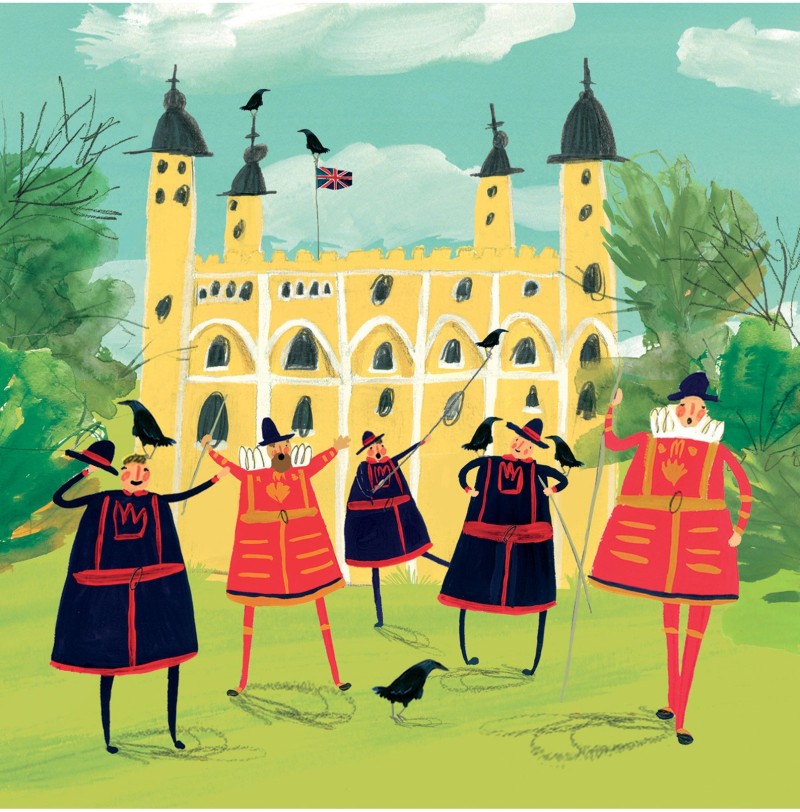
It’s a little-known fact that the Tower of London is also a castle. Home to many beheadings (including poor Anne Boleyn), today it’s a massive tourist attraction.

The Tower of London is also home to the Crown Jewels, thought to be worth from 2 to 4 billion pounds. Along with robes that are used during Coronations, to crown a new King or Queen.

Ravens live at the Tower of London. They have their wings clipped to stop them flying off, though the tower claims this is to keep them safe and well-fed, as they have never lived in the wild.
Less common than smaller crows, ravens have metallic feathers and wedge-shaped tails. They are very playful, often flying upside-down for fun. Young ravens drop sticks mid-air, to fly and catch them.
Many of us these days believe that it would be better to use that money for other causes, though there are still more monarchists than not in England.
Located in the London borough of Tower Hamlets, this actually used to be a palace for royalty, before becoming infamous for housing people who would later meet a grisly end. This included spies who were executed during World War I.
The last person to be executed here (by firing squad) was a Luxembourg-born German spy, who was captured after parachuting into the UK during World War II.
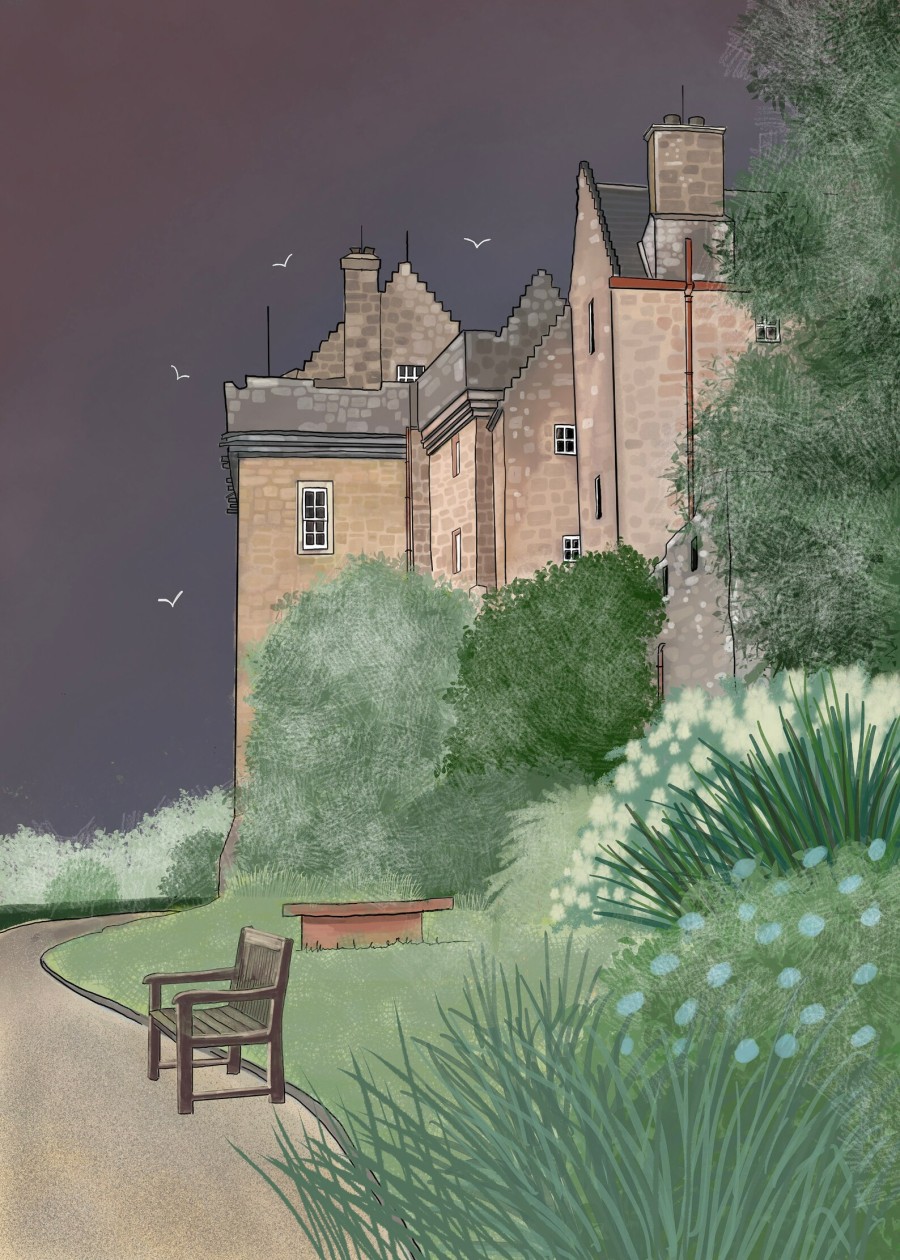
Caroline Smith (this castle is in the Scottish Highlands)
Herstmonceux Castle (East Sussex) is not just a castle, but the grounds house the Royal Greenwich Observatory’s top telescopes for charting the planets. Visitors can view planets, star clusters and even the rings of Saturn in the right conditions.
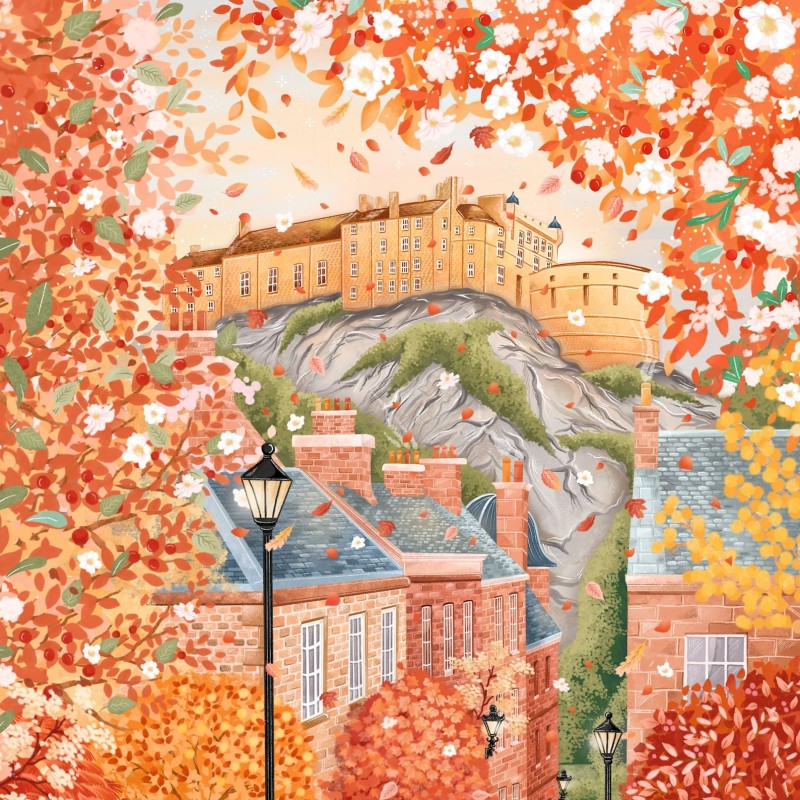
And here’s a image of Edinburgh Castle (Simply Katy Prints). Not in England, but it’s lovely, and the image does it justice!
Lewes: A Historic Sussex Castle Town
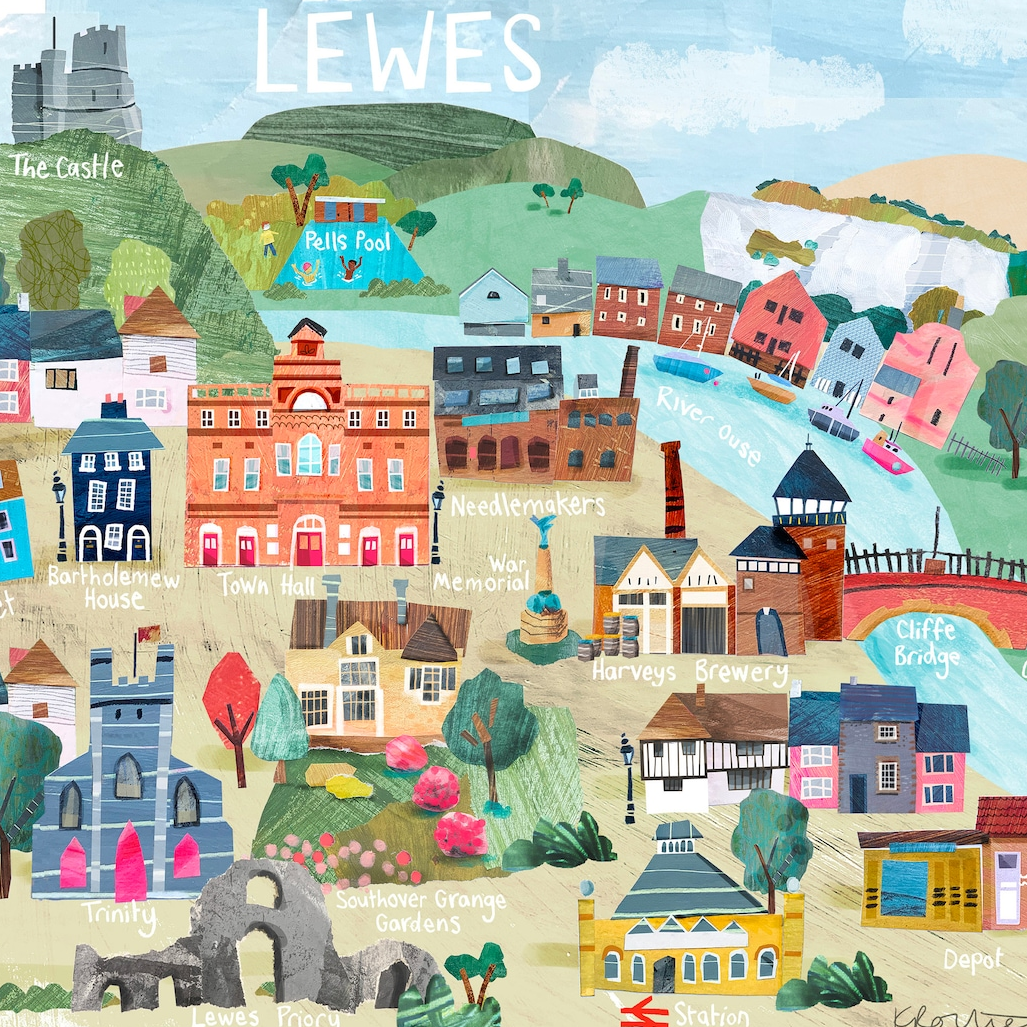
Lewes is one of England’s oldest towns, with the ancient buildings and castle still standing. It even has its own local currency. The beautiful notes are used like gift vouchers. Only for independent shops and services, you pay and then receive your change in sterling.
The River Ouse makes for lovely walks, or pop to the monthly farmers’ market, for Sussex produce and fresh bread.
Not so good are 5th November celebrations. There are hazards of fireworks to animals. Bonfires are of particular concern for endangered hedgehogs who often hibernate in piles.
If you are going to light a bonfire, gently lift the base with broom handles, and shine a torch in, to check for sleeping hedgehogs. If it’s clear, light from one side only, so anything in the heap has a chance to escape.
Kent, A County of Many, Many Castles!
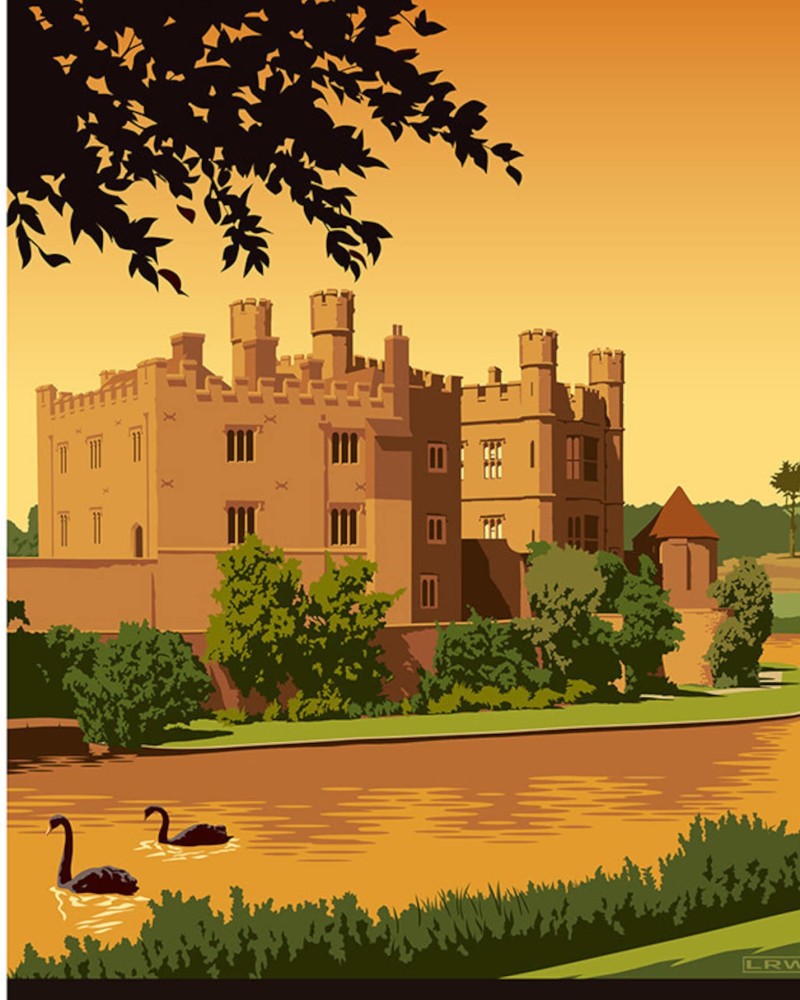
Who knows why, but the county of Kent is full of regal castles! Some believe it’s due to its location on the coast, as castles were of course originally designed to protect from invasion. The Norman Conquest in 1066 (the Battle of Hastings) meant that many new (now ancient!) castles were built. Later on, castles were displayed as symbols of wealth and power.
Leeds Castle
Confusingly not anywhere near the Yorkshire city of Leeds, this castle is often called one of the finest buildings in England. Some say it’s the most beautiful castle in the world! It sits on an island, between two lakes.
Dover Castle
This castle sits above the iconic White Cliffs of Dover, and was obviously built for defending invasion from Europe, during times of war.
Hever Castle
This castle (near Edenbridge) is more noted for its beautiful gardens (which include rose gardens, a manmade lake and a chess topiary). The castle was the childhood home of Anne Boleyn, who was beheaded on the instructions of her husband Henry VIII.
Deal Castle
This was built by Henry VIII (not a very nice man, he destroyed lots of Catholic monasteries and convents to replace the Pope with himself as head of the church).
Tonbridge Castle

This is a nice little historic castle, on the outskirts of a beautiful town (not to be confused with Royal Tunbridge Wells).