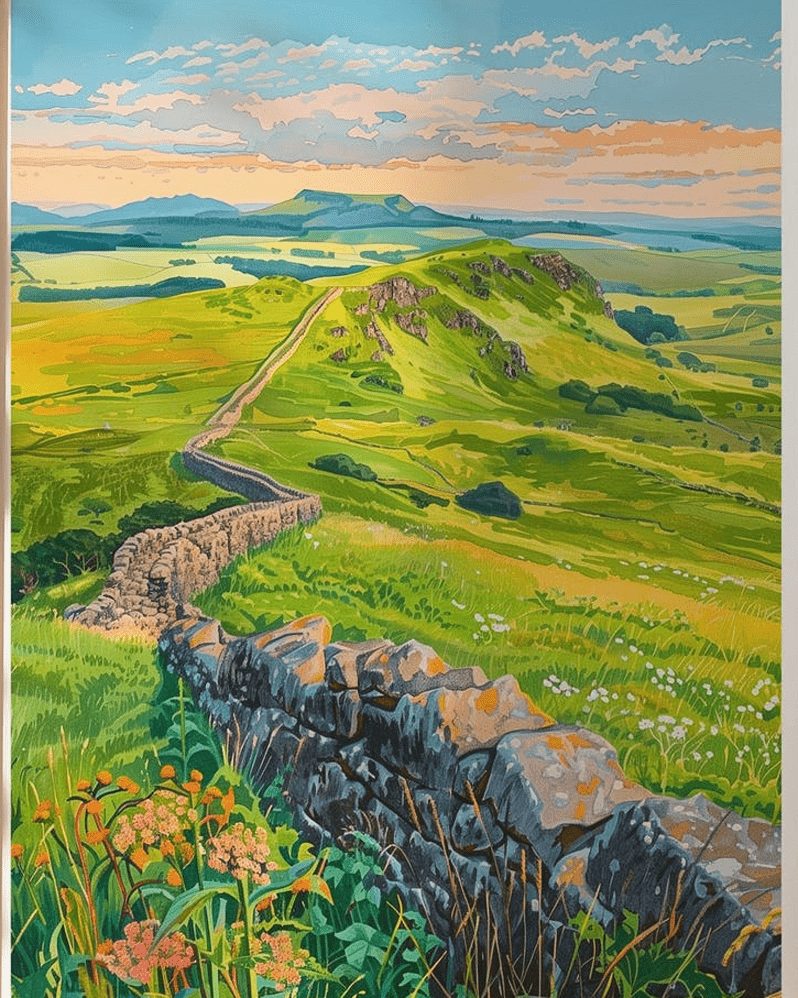
The Holy Island of Lindisfarne (with saints!)
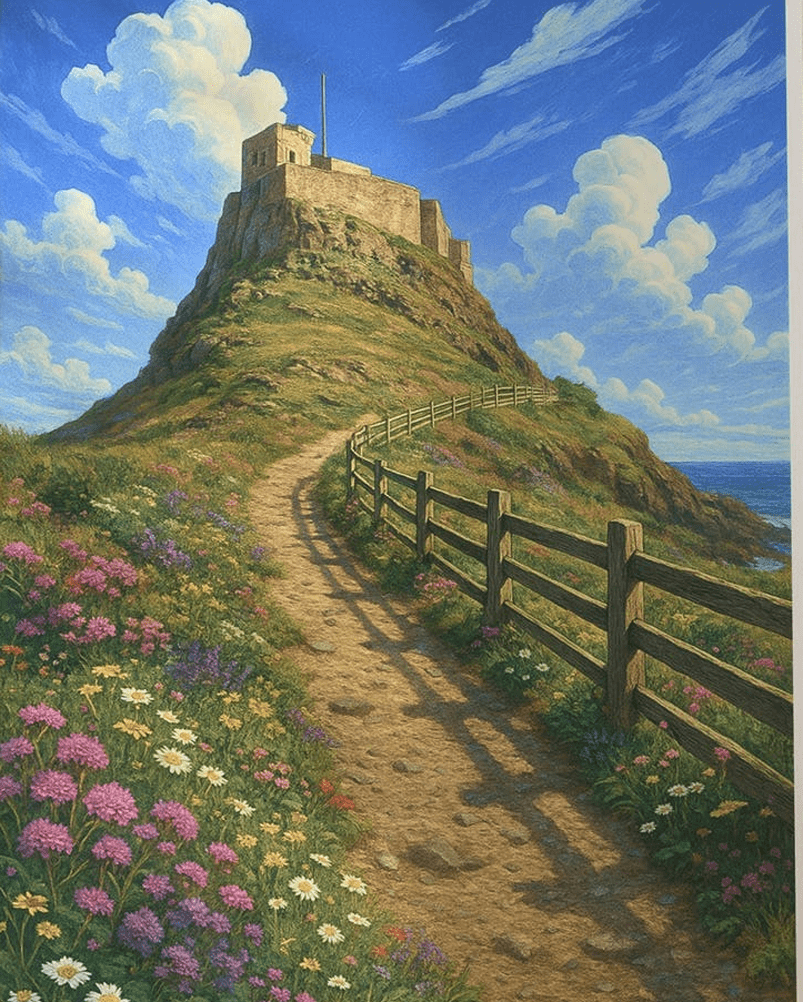
Lindisfarne is a small island ( 3 by 1.5 miles) off Northumberland’s coast, with just 200 residents, but 650,000 yearly tourists. The island is surrounded by a nature reserve, home to birds and native seals.
It’s known for being the home of hermit saints in the past including St. Cuthbert (who campaigned for eider ducks, and otters would dry his fur after a swim in the chilly North Sea!) And St. Aidan.
You can take an ancient pilgrimage on the Northern Saints Trails. These six routes cover County Durham and Northumberland (including the island of Lindisfarne). England used to be a Roman Catholic country until the Reformation when Henry VIII banned it, so he could divorce. Many monks and nuns were killed.
Always check the tide times, as it cuts off twice a day by the North Sea, and many people don’t look at warning signs, and have to be rescued. Avoid poor weather/dusk (most people use the bus!)
If at the coast, keep away from nesting birds and never walk on sand dunes. Learn how to keep dogs safe by the seaside (check beach bans before travel). Join the campaign to ban flying rings, to help local seals.
How Lindisfarne became a holy place
In 635, King Oswald of Northumbria invited the Irish monk Aidan to found a monastery. Oswald spent time on Iona (a Scottish island) and Lindisfarne gave them a base close to his kingdom.
The island then grew into a centre of faith, with monks using it to pray, teach, write and travel to nearby communities. Back then Northumbria was a powerful place (castles and kings!) so the ideas spread wide and far.
Without the backing of King Oswald of Northumbria, it’s likely that the monastery would not have grown to the importance it had, and still has today. It’s said that due to Aidan not knowing the local language, the king translated for the monk when he first preached. It says a lot – king and monk working side by side.
In 793, Vikings attacked Lindisfarne. The raid shocked the Christian world in Britain and beyond. Monasteries had seemed holy and protected. The same would happen hundreds of years later, when Henry VIII came to power, in a bid to dismantle the Catholic church, so he could divorce and marry again, to gain a male heir.
But you don’t get rid of monks that easily! They carried on and eventually the power returned, albeit less so. The priory ruins remain today (rather than St Aidan’s first monastery). You can also visit St Mary’s Church and St Cuthbert’s Isle (almost bare, ideal for those seeking silence).