The Invention of Infinite Growth (how economists forgot about nature)
the invention of infinite growth

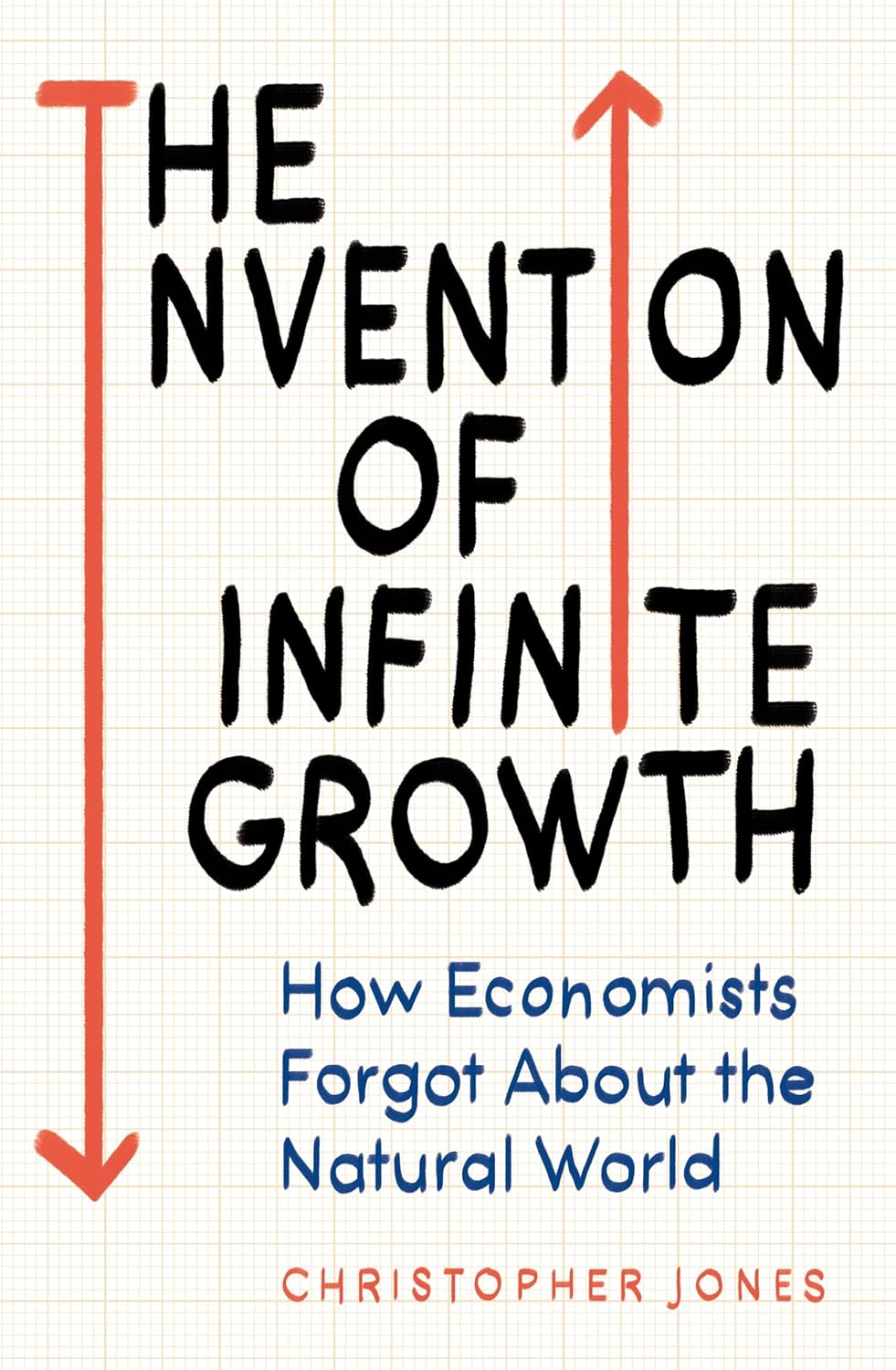
The Invention of Infinite Growth is a book for those of us who shout at the TV when MPs come on and bang on about ‘growth’, as we are yelling ‘but your obsession is destroying our planet, there are better alternatives’.

Like what? The Happiness Index measures environmental stewardship, animal welfare, happiness  and health, as well as money. Costa Rica comes top (followed by Scandinavia and New Zealand). England (and the USA) are nowhere near.

In this book, the author argues that economists and politicians have lost touch with reality. You can’t create a society of (what ecological writer Satish Kumar called ‘buy, buy and throw away’) just to produce the right numbers for the budget and Whitehall.

That means we destroy forests to make toilet paper, keep people sick to hire nurses, keep people unsafe to build prisons, and keep having oil spills, as the clean-up operations produce ‘economic growth’.


People in power tell us that growth is the surest path to a better life. This idea has shaped policy across the globe for over two hundred years, promising economic benefits to the many, without sacrifices.

We have clung to this promise while witnessing the collapse of natural ecosystems necessary to sustain human life, quietly resisting any correlation between the two.

Christopher Jones offers a hopeful alternative. He says that we can still have wellbeing, alongside the wellbeing of the planet.

Also read An Economy of Wellbeing. This is by the economist who helped developed Alberta’s ‘happiness index’ in Canada, similar to the Buddhist King of Bhutan, who has banned many things he believes don’t make people happy including adverts and Coca-Cola!

His ‘five rules of genuine wealth treat environmental degradation and social dysfunction as liabilities (not gains). ‘Rich’ societies are built on:

  • Human capital (health, education, skills)
  • Social capital (relationships, trust, community)
  • Natural capital (environmental health and resources)
  • Built/Manufactured Capital (infrastructure, technology)
  • Financial Capital (money, assets, debt)

Similar Posts