Meet the Whales (an around the world adventure)
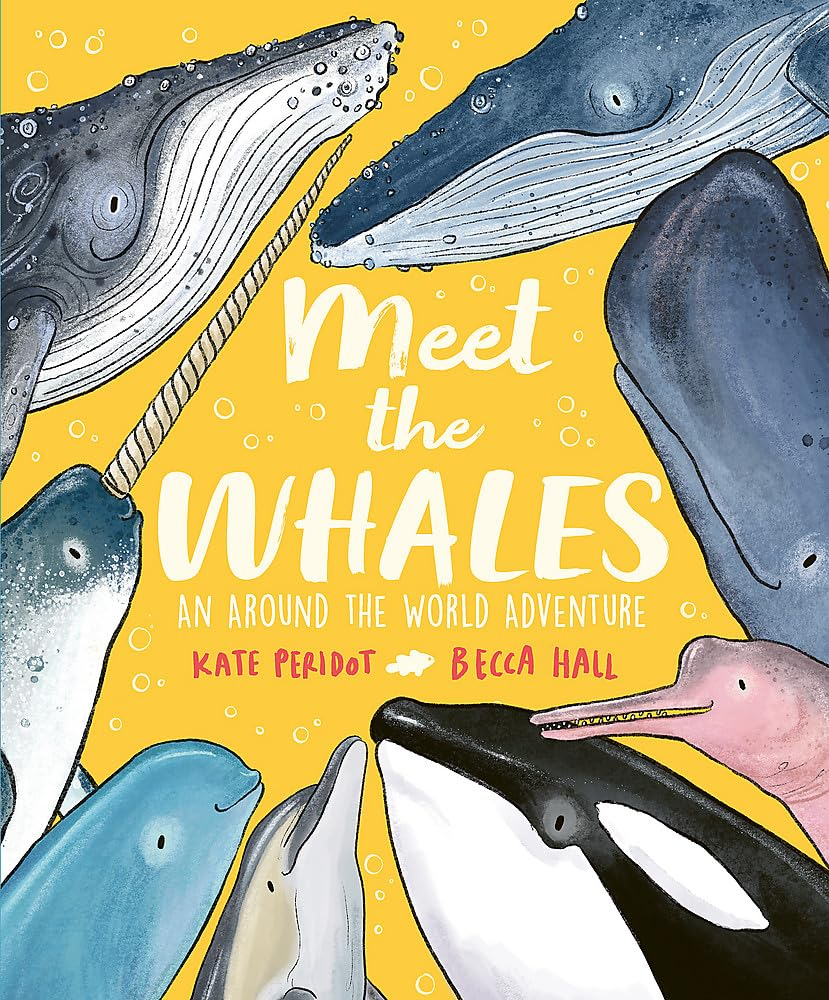
Meet the Whales is a fun around-the-world trip, to meet eight species of whales. Learn about them and their habitats, and find a map of the world showing ‘whale hotspots’ and a size comparison spread!
Delve below the ocean surface to meet some of the most beautiful and diverse creatures on earth including:
- Blue whales (the largest creatures ever to have lived)
- Narwhales (can survive below sea ice)
- Sperm whales (largest and noisiest toothed whales!)
- Dolphins (highly intelligent toothed whales)
- Orcas (killer whales – stay with mum for life!)
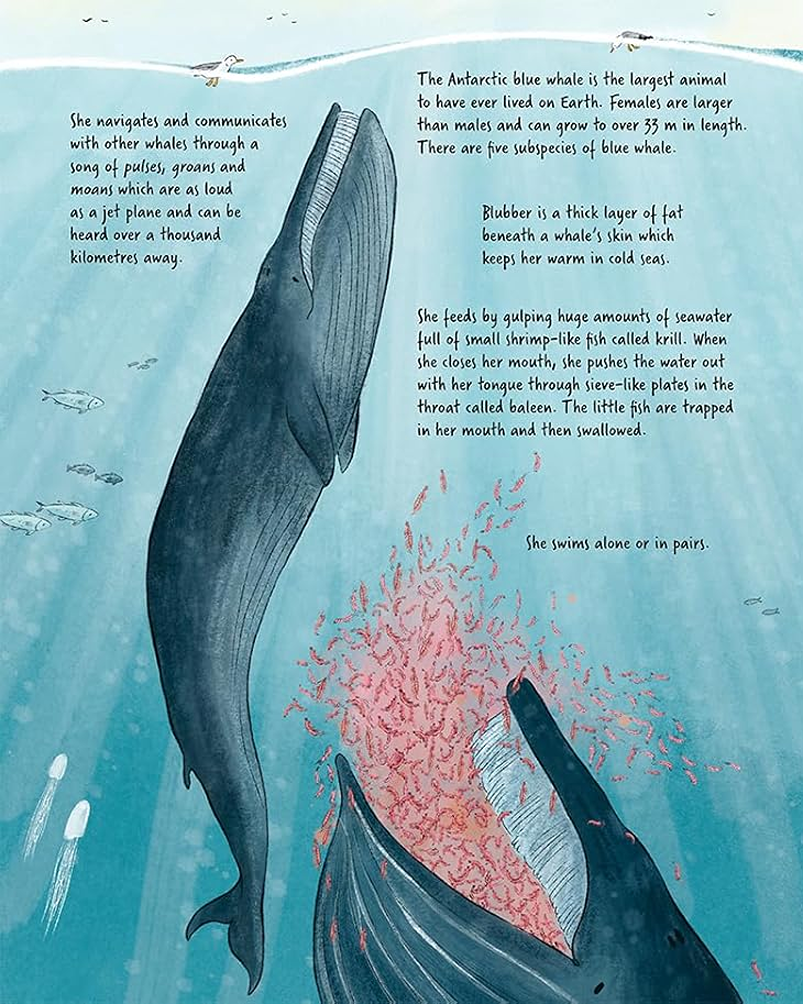
Packed with fun illustrations and educational content, see the fun fact files to become an expert on these watery wonders!
About the Author
Kate Peridot writes children’s books from her home in the south of France. She studied creative writing at The London School of Journalism and when not writing, likes to hike, swim and explore the world.
Illustrator Becca Hall lives in Cornwall, and graduated from Manchester School of Art with a first class honours degree. When not painting, she can be found surfing, walking with her dogs or enjoying a cuppa and slice of cake in one of the many local tea rooms.
How to Help Our Whale Friends
- Litter travels on tides, so never drop litter at the beach (or off a boat) as it could end up in the stomachs (or tangling) creatures here and far away .
- Other ways to help are to choose reusable over disposable, and use waterless car washes (home drive and supermarket car washes send untreated oily water down drains, and into the sea.
- If you eat fish, look for sustainable-certified brands, which don’t use by-catch methods (that catch other marine creatures in nets).
- If you choose ‘squalene’ in beauty products, ensure it’s plant-based (not from whales) and also avoid perfumes/colognes made from ambergris (made from whale poop).
- If you travel to Scandinavia, be wary of ‘steak’, as sometimes cruise ships serve up whale to unsuspecting tourists.
- Never visit tourist aquariums, sea creatures have hardly any space and are often wild-caught. Dolphins have no facial muscles so they are not ‘happy’, just because they look like they’re smiling.