Learn How to Mend and Repair Things

How to Repair Everything is a good book that has an extensive table of contents – just look up what you need to repair – from sticky doors to broken straps, leaky washing machines and broken shoe heels.
Obviously get professionals in for safety issues (gas registered engineers, electrics, plumbing etc). But for everyday fixes and repairs, it’s good to either learn to fix things. Or if you’re a natural fixer, you could volunteer at a repair café.
This book is UK-written, so some safety info may differ (voltage etc).
Things you can repair with this book include:
- A hole in your shoe
- A broken heel
- Shrunken clothes
- Torn clothes
- Ladders in hosiery
- Holes in jeans
- Broken zips
- Broken umbrellas
- Broken watch straps
- Scratched watch face
- Scratched sunglasses
- Faulty vinyl records
- Broken computer keys
- Leaking washing machines
- Noisy washing machines
- Doors that won’t open
- Leaking refrigerator
- Broken plates & cup handles
- Battered chopping boards
- Rusty baking dishes
- Creaky floorboards
- Loose door hinges & doorknobs
- Damaged wall plaster
- Non-flushing toilets
- Dripping & stuck taps
- Trickling or leaking showers
- Cracked bathroom tiles
- Broken plant pots
Safe & Sound is a unique book, to help you make 50 simple repairs like fixing loose/broken doorknobs, fixing clogged sinks, safely hanging things on walls, patching holes in walls and repairing sliding doors.
Beginner DIY Courses in London
The Goodlife Centre (near Waterloo) offers ‘DIY courses for the terrified’, popular (and often taught by) women. Their popular ‘DIY in a Day’ short courses offer help on learning more on drills, plumbing, electrics, painting and tool sharpening.
The one-day Tiling Course (under £100, also available online) will have you sizing up, choosing and applying tiles. Not only will this mean you can tile your own kitchens and bathrooms for life, but you could earn money, doing the same family, friends or people in your local community.
What to Include a Good Tool Kit

Just like a few good cooking tools, investing in some good DIY tools makes this far easier and safer. For around £60, HOBO’s basic tool set is a find.

There is also a more extensive screwdriver tool kit and one for DIY people and professionals. It includes just a few quality items in a beautiful box including:
- A magnetic or cordless screwdriver (premium set)
- A self-locking tape measure
- A claw hammer with rubber cap
- A multi-purpose needle-nose plier
- A bit sit (10 pieces)
- An adjustable spanner
- A brush drill (premium set only)
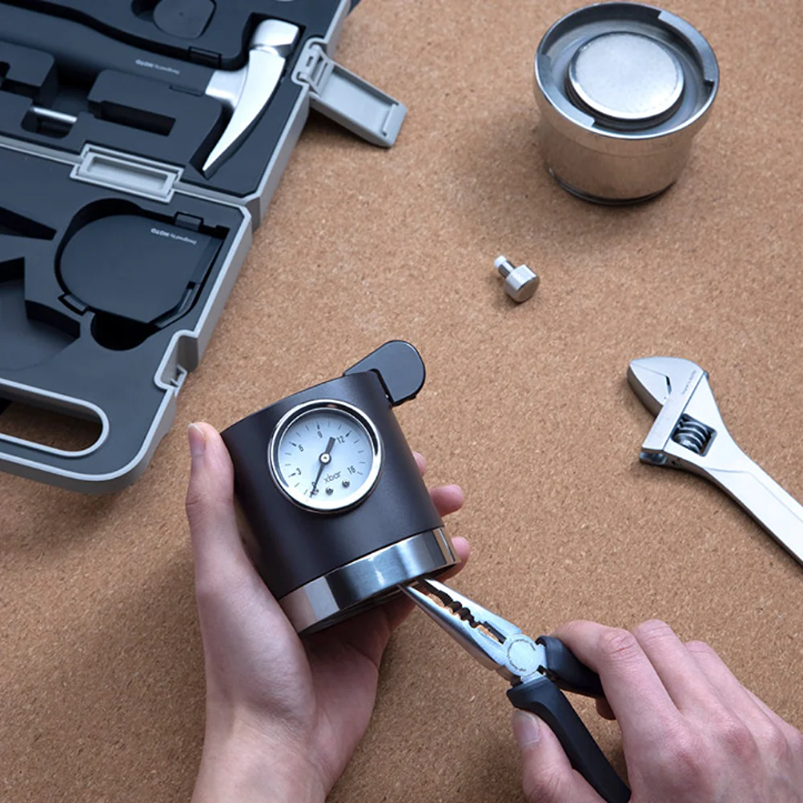
.Getting jobs done around the house is easier with the right tools. A simple, quality tool kit saves time, money, and keeps things stress-free. Below you’ll find all the essential pieces every affordable basic tool kit should include.
- A claw hammer helps drive nails into wood and remove them with ease. Look for a hammer with a comfortable grip and a solid head. Fifteen or sixteen ounces is a good weight for most home tasks.
- A multi-bit screwdriver allows you to swap between flathead and Phillips bits, which covers most screws in furniture and appliances. Choose a strong handle and bits that grip screws firmly. Magnetised tips help when working in tight spots.
- An adjustable spanner (or wrench) handles nuts and bolts of different sizes. It’s more flexible than having a bunch of fixed-size spanners. Check for a smooth adjustment mechanism. Handy for assembling furniture and tightening plumbing fixtures.
- A measuring tape helps with hanging pictures, cutting materials, and making sure things fit just right. Choose one that’s at least five metres long, easy to lock in place, and readable in metric and imperial units. A thumb lock is a useful feature for one-handed measurement.
- Combination pliers offer grip, twist, bend, and cutting functions in one tool. Use them for pulling nails, holding wires, or twisting metal. Quality pliers have insulated handles and strong jaws that keep their grip.
- A sharp utility knife handles unpacking boxes, trimming carpet, and scoring materials. Look for one with a retractable blade and replaceable refills. It should feel steady in your hand and cut cleanly. Keep spare blades in your kit.
- A spirit level prevents crooked shelves and frames. Basic models are compact and light yet accurate. Choose one that’s at least 23cm for most home jobs. Some have magnets or hanging holes for easier use in awkward spaces.
- A Hex Key (Allen Key) Set is useful for flat-pack furniture and fixing bikes. Get one that uses both metric and imperial measurements, in a holder so you don’t misplace sizes.
- Needle-nose pliers reach into small spaces where regular pliers can’t. They’re good for jewellery repairs, electronics, or gripping fine items. A strong, narrow tip makes precise work simple and prevents damage to items.
- A simple but tough case keeps your tools tidy and ready to go. Shelving or trays help organise parts, and a sturdy latch prevents spills. Find with an easy-grip handle, that won’t break under weight.
Where to Recycle Unwanted Tools
Get your community involved, to set up a Terracycle Tool Recycling Program, to get all unwanted tools out of your town forever, to make into other things.
Sponsored by industry, this program is free. Just find a place to put the box, then when it’s full, order collection.
Fixits: Heat-Activated Smart Mending Sticks

Fixits (also sold at Buy Me Once) are innovative heat-activated sticks made from nontoxic bioplastics that bond around small fibres, which melt in water, then harden when cool to mechanically bond to form a strong grip.
Ideal to mend tire punctures, broken wheel spokes, broken straps to cables, the reusable glue dots (also made from compostable bio-plastic) stick to non-porous surfaces (wood, metal, plastic, concrete, tiles, glass).
After removal, wash with warm soapy water, dry and use again. Avoid on painted/wallpapered surfaces.
Keep FixIt sticks away from children and pets. Do not use on electrical cables above 24 volts, nor where temperature will cause them to soften again (exposing live wiring).
Do not repair consumer electronics, when connected to a live electricity supply.
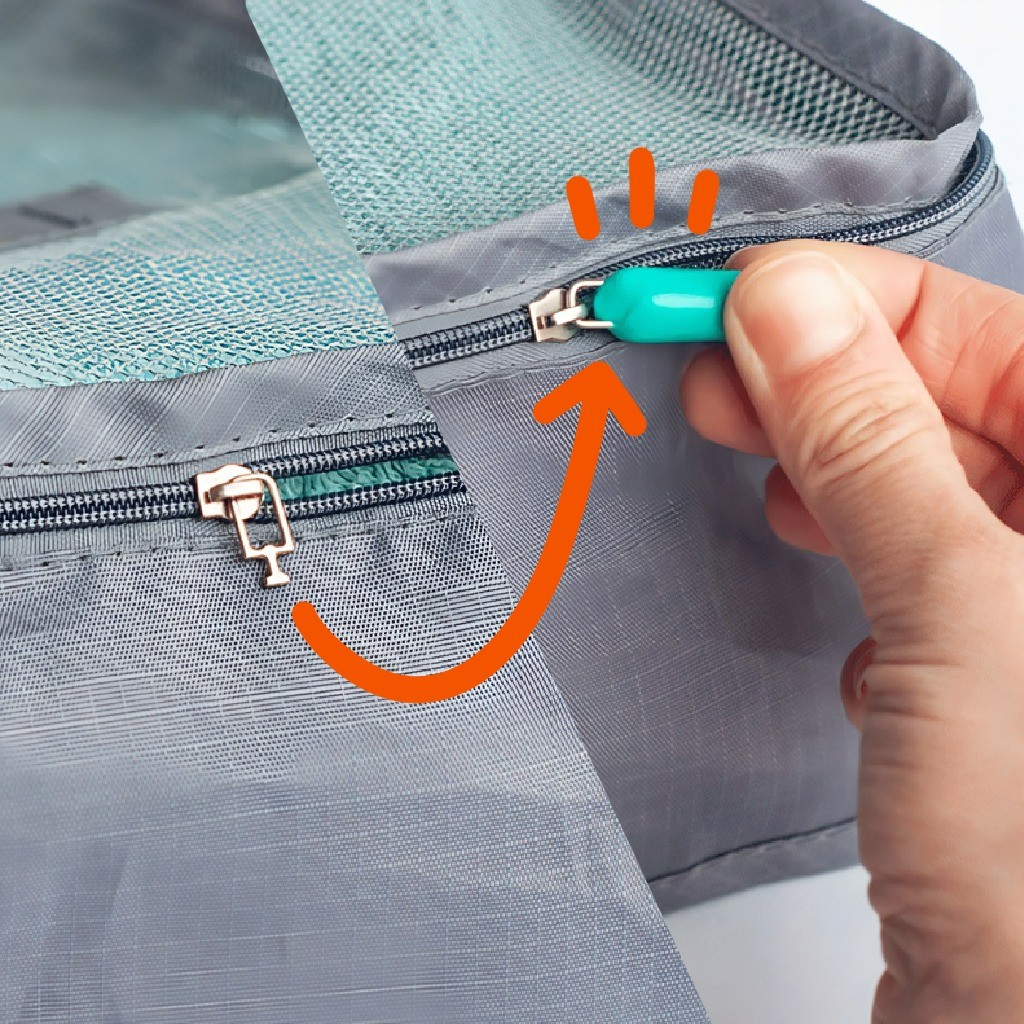
Instant Fabric Repairs Anywhere
Heat-activated mending sticks work fast on most common fabrics. Just place the stick on the damage, cover with a piece of baking paper or pressing cloth, and apply a hot iron.
The heat melts the stick, bonding patch and fabric together. You can even trim away extra once it cools for a neat finish.
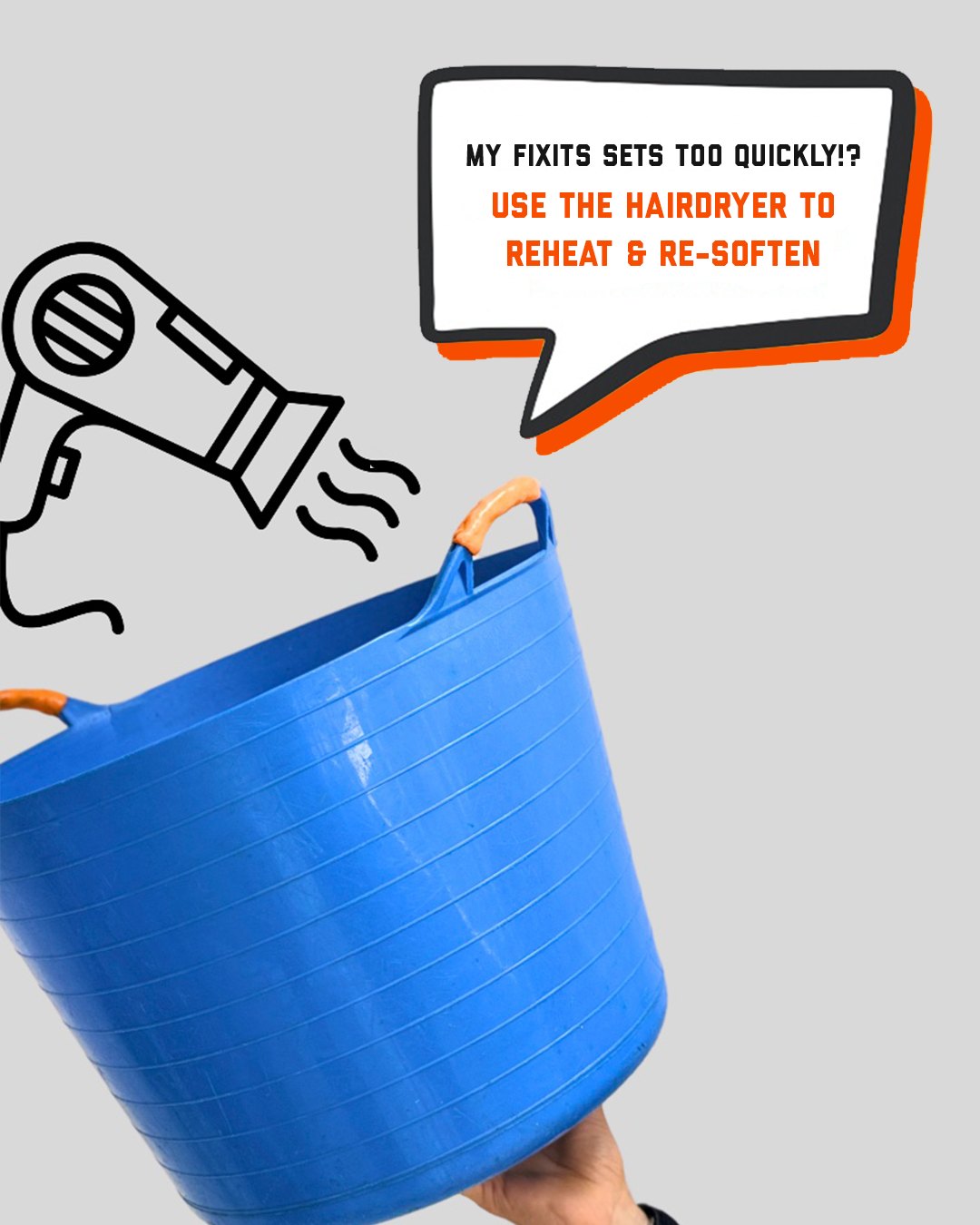
Forget sticky liquid glue or time-consuming thread repairs. Heat-activated mending sticks don’t drip, stick to your hands, or leave stains.
A single mending stick lasts for many repairs. Compared to buying new clothes or visiting a tailor, these sticks save money.
Fixits Reusable Tape
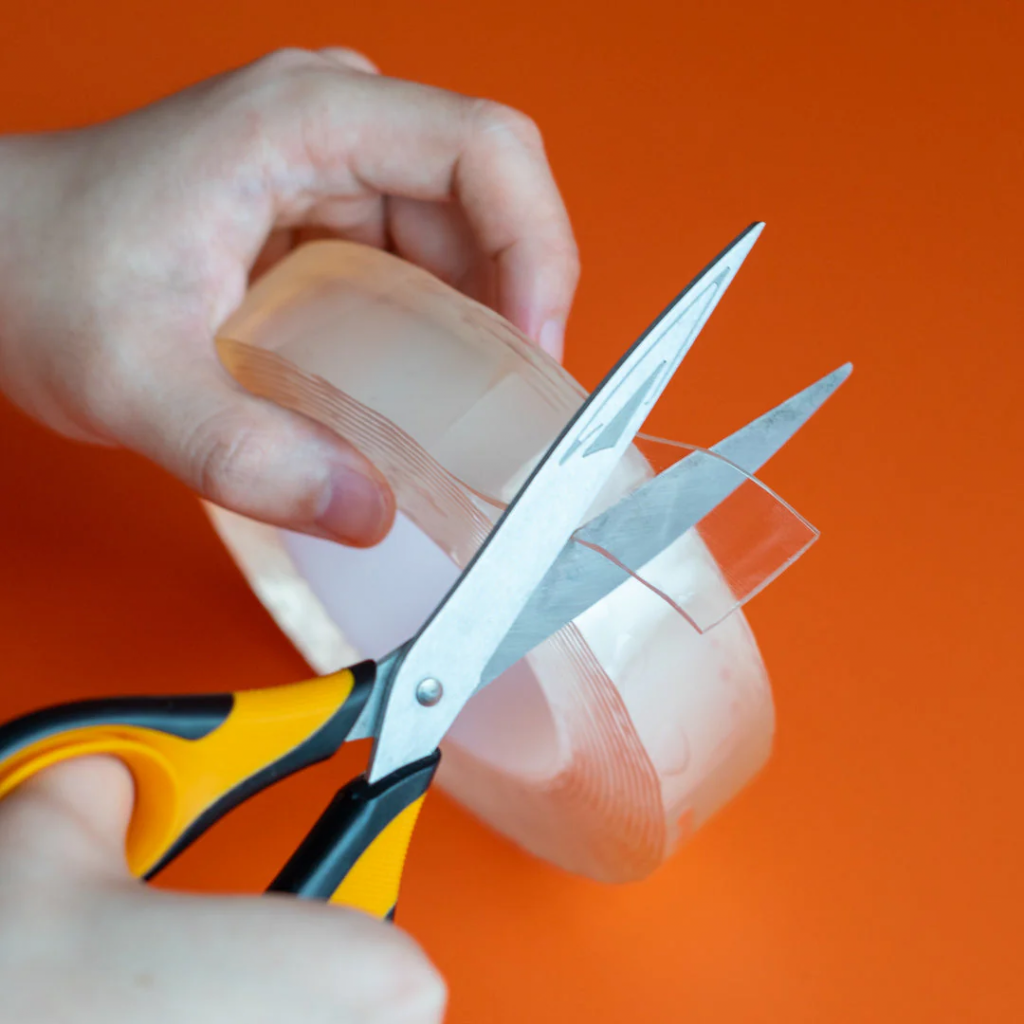
You can use the reusable tape to stick cables under your desk, mount objects on walls, or keep rugs and tablecloths in place. It’s super-strong and endlessly useful.
Ensure surfaces are clean and dry before use. Do not use on porous materials (test in a discreet area first).
It sticks to smooth surfaces, then peels off without a trace. Includes a bamboo pouch for easy storage
Where to Find Zero Waste Vegan Glue

Animal collagen is still used in some glues, so look for versions made from tree sap and natural rubber. Conventional glues don’t biodegrade (eco protestors were recently criticised, when they stuck themselves to the road with superglue).
Keep all glue (even natural versions) away from children and pets (MDI-based and Gorilla glues can be fatal if ingested).
One dog almost died after chewing a ‘glossy leaflet’ (made with glue), so use a letterbox guard to help prevent accidents.
OkoNorm Eco Paper Glue is made from starch-based plant-based ingredients. It’s water-soluble and good for paper, cardboard and fibrous materials. Odourless and transparent.
For DIY jobs, Auro makes adhesive from latex milk and natural resins to bond bond lino, cork, textiles, carpet and ceramic tiles. Apply with the spatula, or use to glue carpet backing.
Wash tools after use, and dispose of according to instructions. Not for wet room floors (kitchens, bathrooms).
Where to Recycle Unwanted & Used Glue
TerraCycle runs a program where for around £100 (everyone can pitch in), your community can drop off empty/unused craft glues and packaging, to send off using the pre-paid shipping label to be made into other items.
It’s a one-off amnesty to get rid of toxic glue sticks in your town. Although some of their recycling programs are free (sponsored by industry) this one isn’t, so the charge covers the cost of recycling ‘items that can’t be recycled’.