How the Moon Affects All Creatures (including us!)
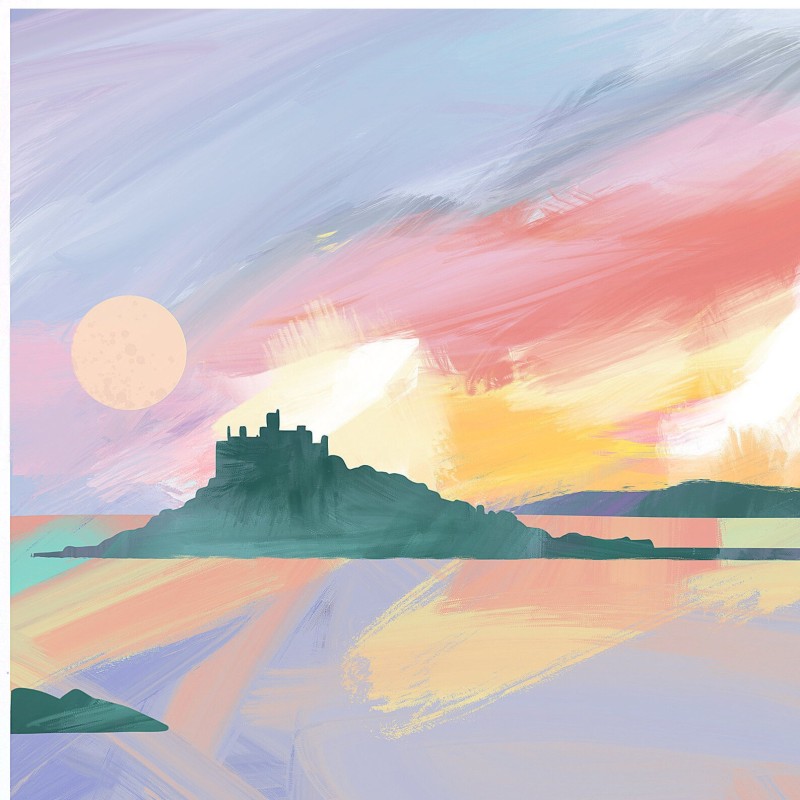
The Moon was formed billions of years ago by a massive collision, and is slowly drifting away from Earth at around 3.8cm each year. It’s our planet’s only natural satellite, and with extreme temperatures and no atmosphere, the 12 people who have walked on it, have left footprints that will last for millions of years.
Because the moon rotates at the same rate as it orbits earth, we only ever see one side of it. It’s more egg-shaped than round. And just like earth, it gets ‘moonquakes’ that can last for up to 10 minutes. Although it looks the same size as the sun, it’s actually around 400 times smaller, because the sun is 400 times further away.
Sound waves can’t travel on the moon. So unlike here on noisy earth, it is completely silent. Not all good – that means you would never hear the rustle of trees, or the purr of a cat.
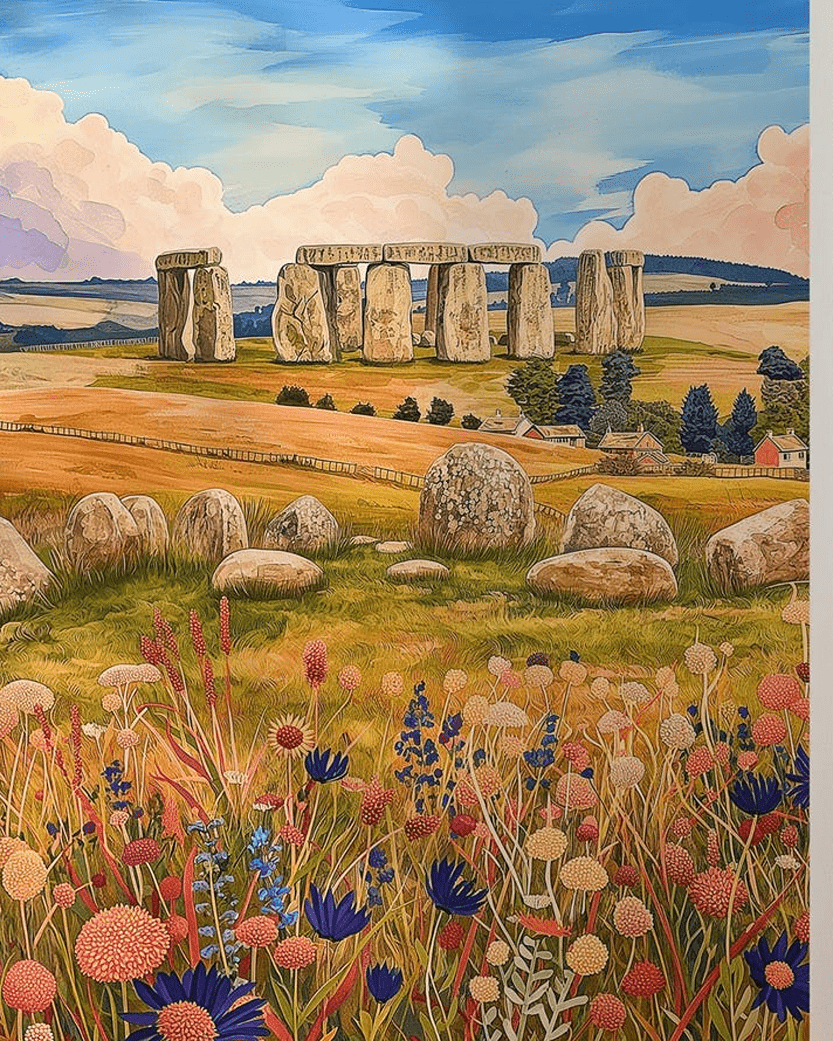
People have been studying the moon for years. It’s believed that Stonehenge had something to do with it (the Royal Crescent and Circus streets in Bath are said to be based on the design, in a ‘sun and moon’ crescent shape’).
Does the moon affect our moods?
It was thought so for a long time (the word ‘lunacy’ is linked to the moon). People were even given reduced sentences for committing crimes during a full moon. But now it’s believed that the moon has no bearing on our moods. Only that a bright moon may mean it takes longer to fall asleep.
We also now know that even wolves don’t howl to the moon – they are just howling to each other!
Moon good (artificial light pollution not)
The moon plays a huge part in navigation for many creatures – from turtles using it to see where to lay their eggs, to dung beetles navigating and birds to know when to go to bed and wake up.
But light pollution from lamp-posts and 24-hour lit supermarkets has led to all kinds of problems. Birds wake up at midnight to start their morning song (this affects breeding and chick survival rates). Blue lights around lamp posts attract the insects that birds would eat. And turtles have even abroad been known to visit multi-storey car parks to try to lay eggs, thinking the light is the moon.
If you have local lampposts that never go off, report them to Fix My Street (these reports are made public and sent to councils). Also ask them to replace the lamps with orange-hued ones, to reduce light pollution that helps all birds and wildlife.
Lights left on (especially on glass buildings) also cause massive bird strike worldwide. By switching off lights when not in use (and using curtains, blinds and desk lamps) this can massively help. As can avoiding facing indoor foliage to outdoor windows, using Feather Friendly bird screen tape, and siting bird feeders safely. Read more on all these solutions to help stop birds flying into windows.
How does the moon affect the tides?
We all know that our seaside tides go in and out twice a day. And yes, this is all to do with your friendly moon! The moon’s gravity pulls the ocean water towards it, creating a high tide on the side of the earth that faces the moon. On the opposite side of the planet, the gravitational pull is weaker, and this causes water to bulge and create a second high tide.
As the earth rotates once a day, most coastal locations pass through both of these bulges, causing two high tides and two low tides every 24 hours. That’s why it’s important to check tide times, as some places in England means at high tide, the beach disappears completely.
There are two tides in England: low tides are when the moon faces Earth at a right angle. Twice a month, you get neap or spring tides that are higher or lower than average.
Read our post on keeping dogs safe by the seaside (and check beach bans before travel).
Does the moon affect crops when gardening?
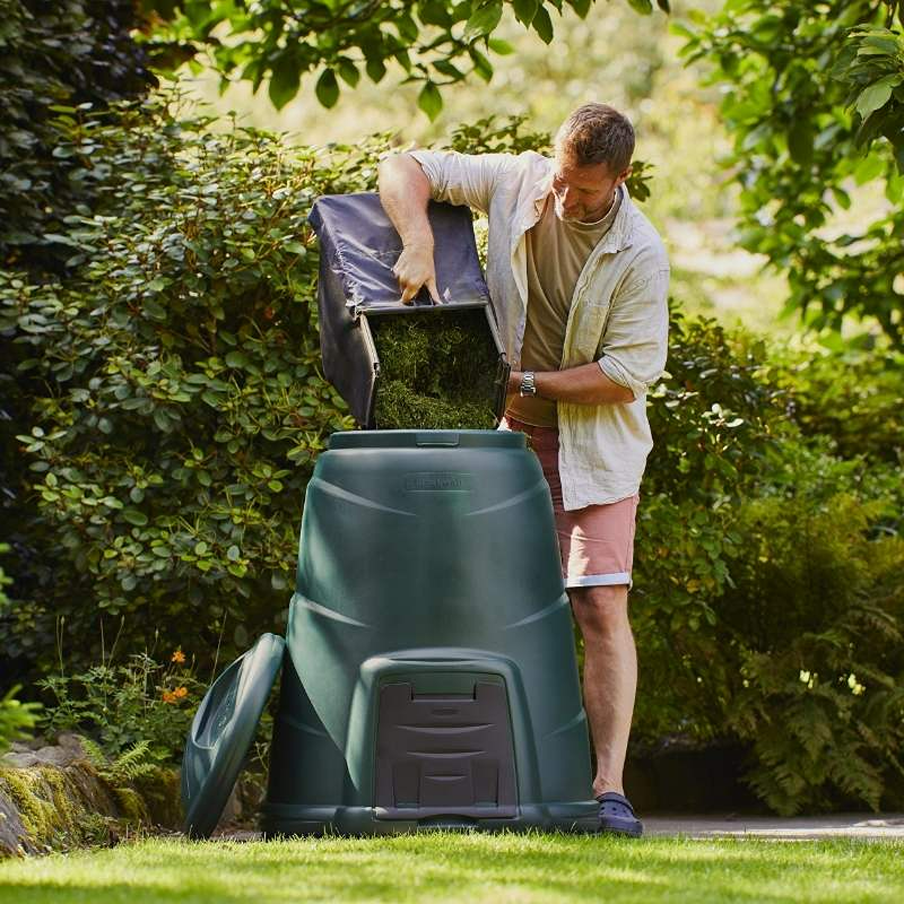
Some people are fans of ‘biodynamic gardening’. This involves planting above-ground crops during a waxing moon, and root crops during a waning moon.
Why? Because it’s believed that as moonlight increases, it encourages better growing of leafy greens, and moisture is pulled into the soil under waxing moons. Then as the moonlight decreases, energy moves down into the plant roots, better for say carrots, potatoes, onions or beetroot.
Some believe this method is effective (the same way that gravity affects tides which of course is proof). Others say there is no proof, so who knows?
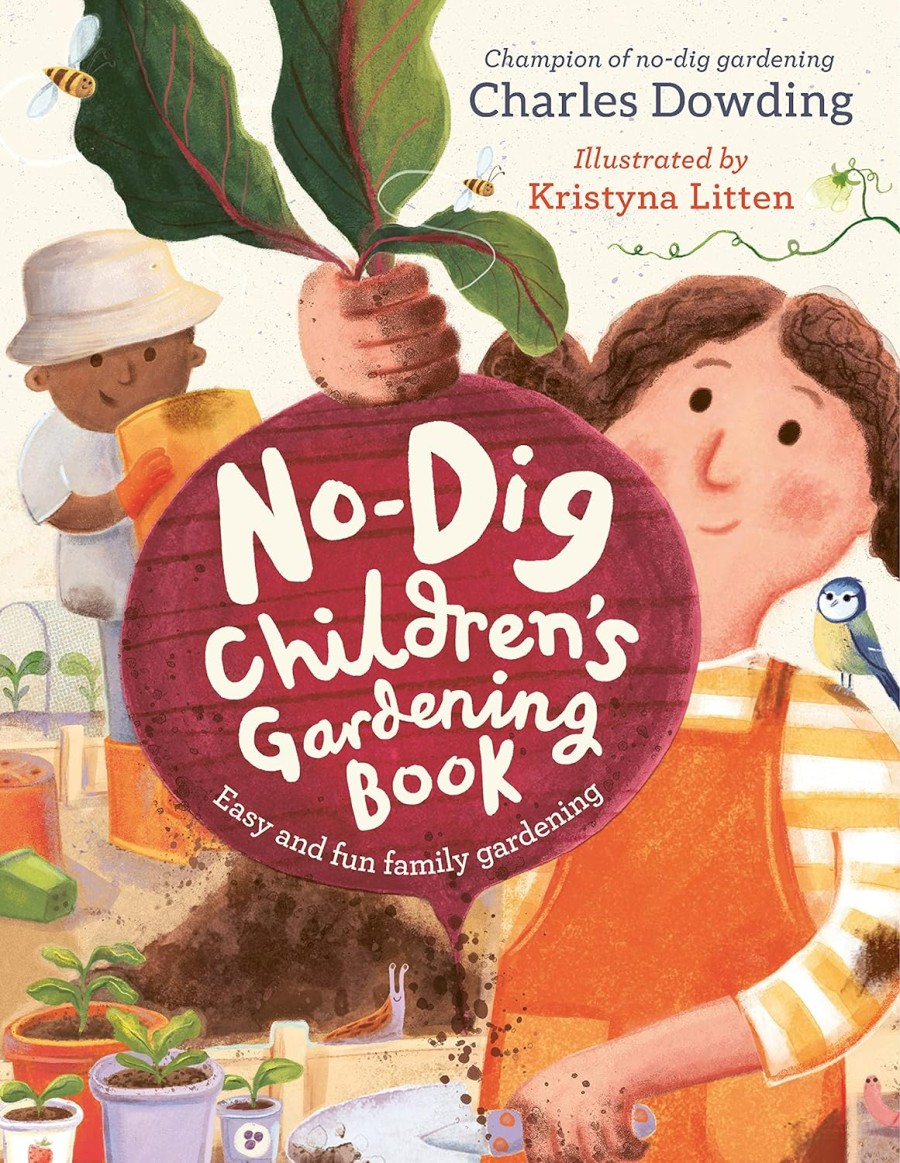
No-dig organic gardener Charles Dowding (who grows all his own food without digging in Somerset) has conducted experiments, comparing growth and harvest weights. He sowed seeds two days before a full moon (waxing) and the other half two days after a full moon (waning). With mixed results!
If growing food, read our posts on pet-friendly and wildlife-friendly gardens.