Morecambe Bay (the second largest bay in England)
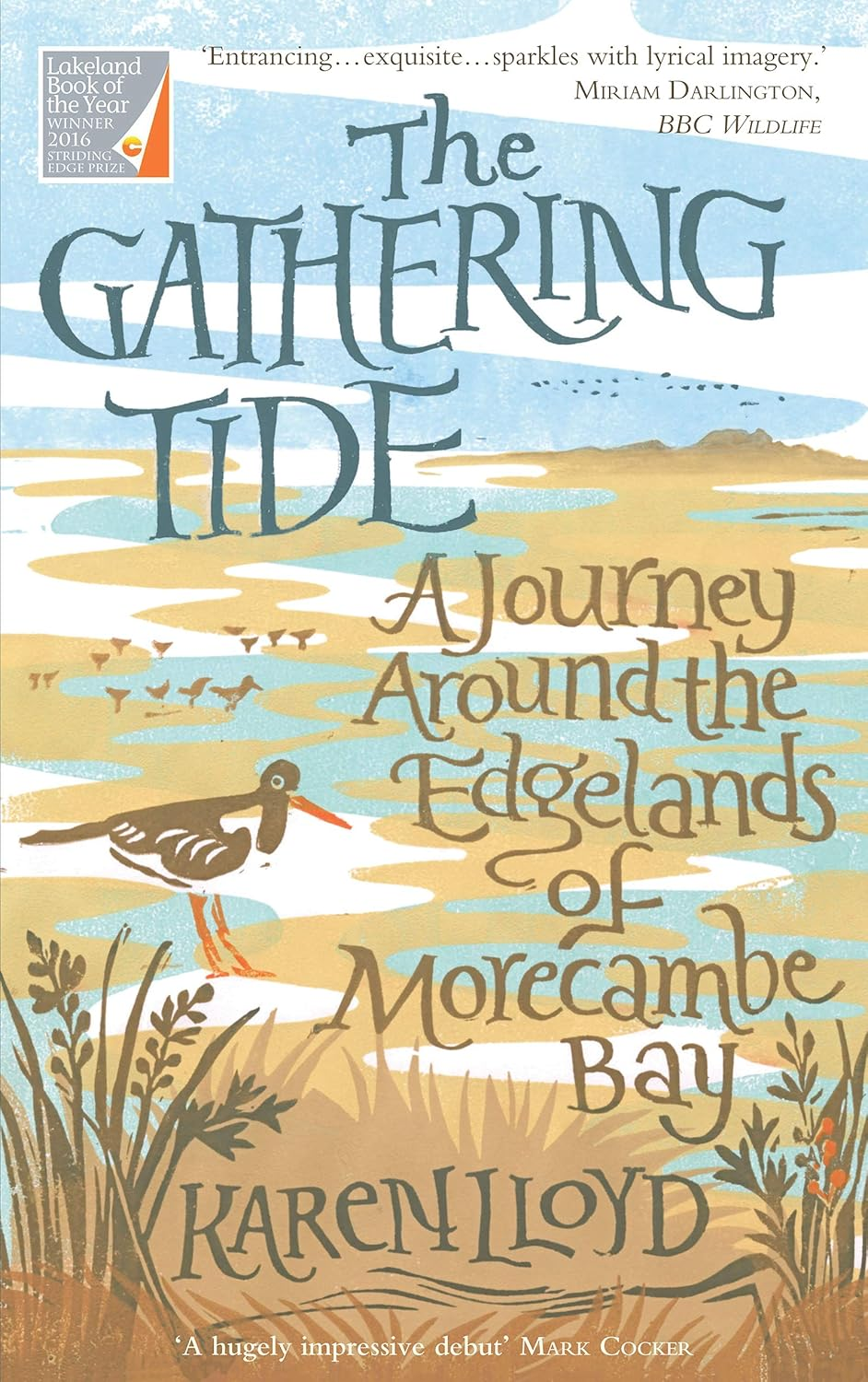
Morecambe Bay is a broad expanse of water in Lancashire (spilling into the Lake District), known for its shifting sands and wildlife. Flowing from the River Lune, it’s a wetland paradise for over 200,000 wading birds.
If out walking, always follow the Countryside Code to keep all creatures safe. If at the coast, read about how to keep dogs safe by the seaside.
Morecambe Bay has quicksand, so avoid walking on areas with warning signs. Keep yourself (and dogs) at least 50 metres away from birds, as disturbing nests could cause them to abandon chicks.
Morecambe covers around 300 square km (115 square miles in old money). It’s also the largest expanse of intertidal mudflats and sands in England, and an important estuary for waders, wildfowl and gulls (and home to rare brown fritillary butterflies).
Lancashire is a county mostly known for being home to the city of Manchester and the seaside resort of Blackpool. But outside these areas are numerous pretty countryside villages, and many seaside resorts.
Grange-Over-Sands (a pretty Morecambe Bay town)
One beautiful little gem in these parts is the quiet seaside town of Grange-Over-Sands. You can walk a promenade overlooking the lake, or enjoy quiet gardens and parks nearby.
The ‘over-sands’ part is not just for show. Back in the 1800s, the local vicar got fed up of his letters ending up in Grange (Borrowdale) near Keswick. So he changed the name, to receive his post!