Mousehole: a charming coastal South Cornwall village
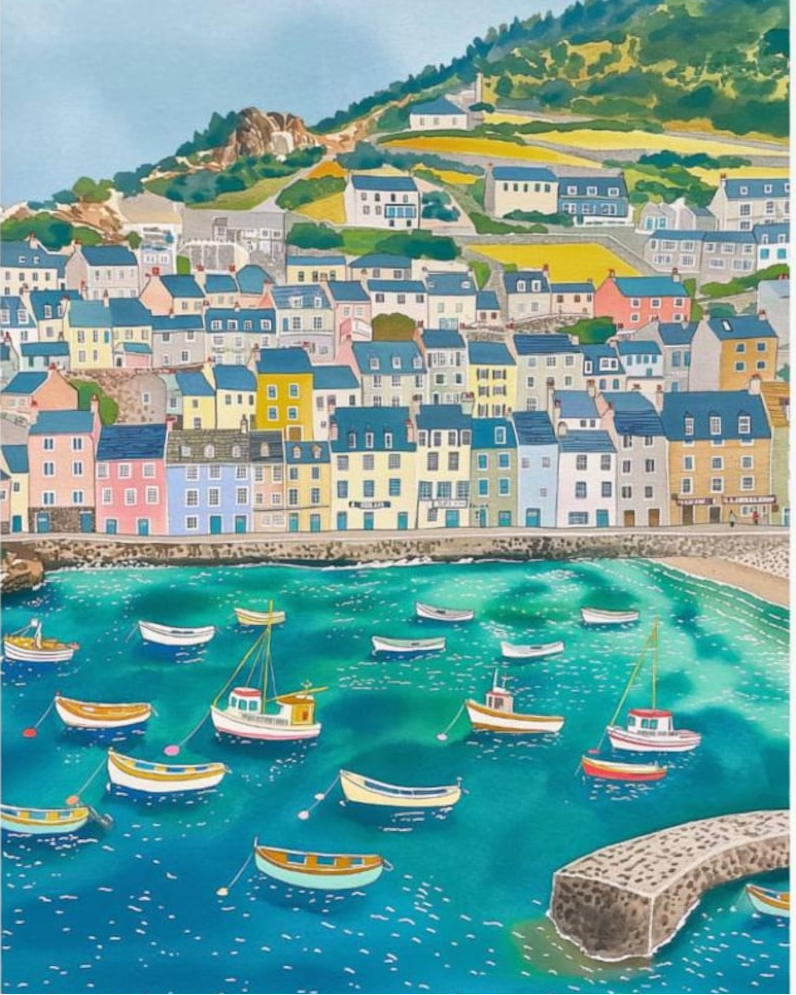
Mousehole is one of the most picturesque villages on the Cornish coast. Just a few miles from plastic-free Penzance, this historic village is known for its attractive harbour, narrow streets, traditional stone cottages and beautiful views across Mount’s Bay.
The village is an excellent destination for anyone looking for a quieter alternative to some of Cornwall’s larger seaside resorts. Visitors can spend their time walking along the waterfront, exploring the winding lanes, relaxing on the beach, enjoying local food or discovering the surrounding coastline.
Whether you are planning a day trip, a weekend break or a longer holiday, Mousehole offers a combination of scenery and history.
Always follow the Countryside Code to keep all creatures safe (learn how to upright an overturned sheep).
Keep dogs away from steep banks, cliffs and toxic plants/trees. Also keep dogs safe by the seaside (check beach bans before travel).
Where is Mousehole in Cornwall?
Mousehole (pronounced ‘mowzel’) is situated on the south coast of Cornwall, approximately three miles south of Penzance. The village overlooks Mount’s Bay, a large sweep of coastline that stretches from the Penwith Peninsula towards the Lizard Peninsula.
Its position on the coast has shaped Mousehole for centuries. The village developed around its natural harbour and became closely associated with fishing and maritime activities.
Visitors can enjoy Mousehole as a destination in its own right or use it as a base for exploring the wider region.
The history of Mousehole
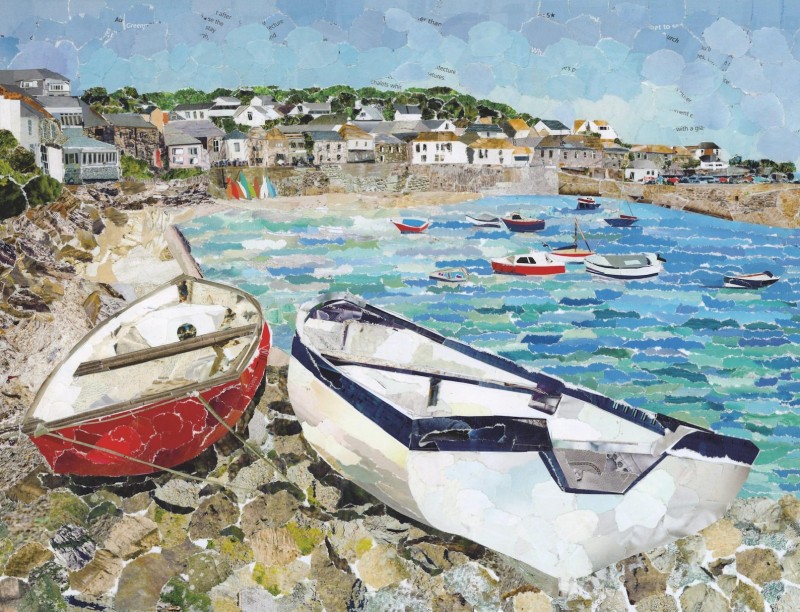
Mousehole has a long and interesting history, with the sea playing a central role in the development of the community.
For generations, fishing provided an important source of income for local families. The harbour offered protection for fishing boats and helped establish Mousehole as a significant small maritime settlement.
One of the most dramatic events in the village’s history occurred in 1595, when Spanish forces attacked settlements along the Cornish coast. Mousehole was burned during the raid, along with other nearby communities.
The attack had a major impact on the village, and it remains an important part of local history. The event also illustrates the vulnerability of coastal communities during periods of international conflict.
Mousehole harbour (not dog-friendly)
The harbour is surrounded by traditional buildings and provides beautiful views across Mount’s Bay. Small boats can often be seen on the water, while the surrounding waterfront is lined with places where visitors can stop for a drink.
The harbour is a wonderful place to explore at any time of day. Early mornings tend to be peaceful, while the area becomes livelier during the daytime in the summer. In the evening, the changing light can create particularly attractive views across the water.
Exploring Mousehole village
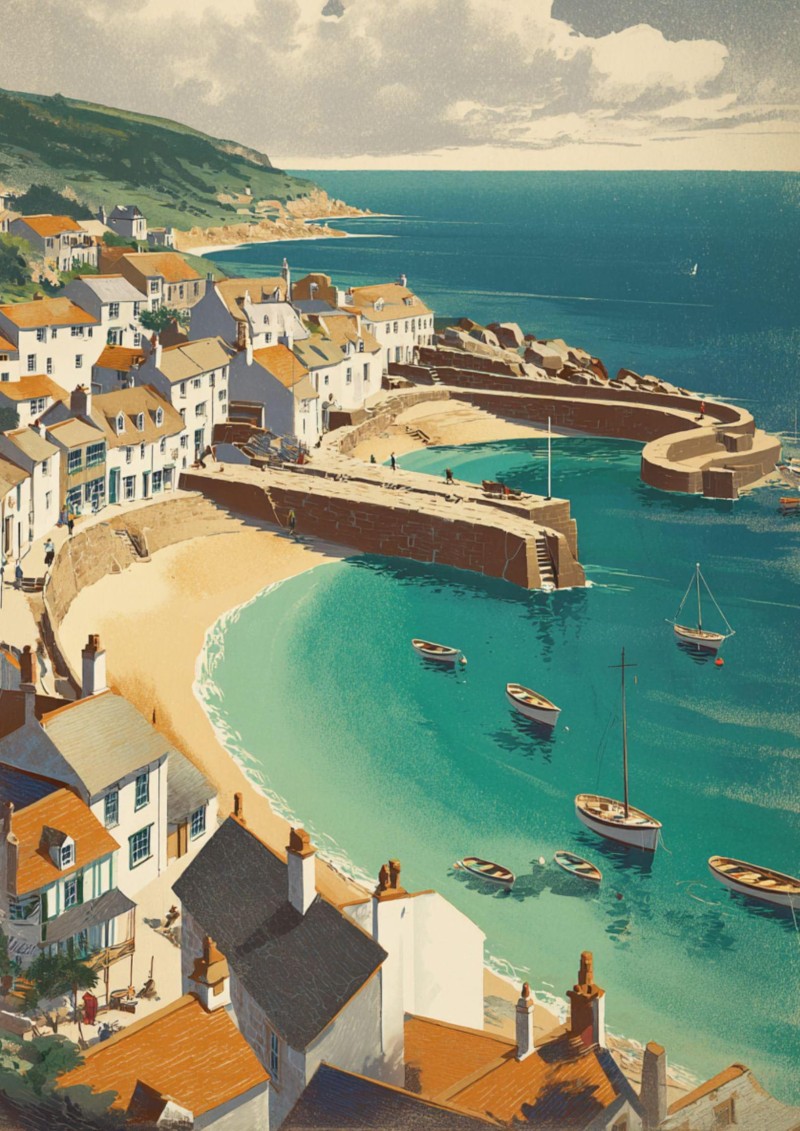
Mousehole is small enough to explore comfortably on foot.
The village contains a network of narrow lanes and streets, many of which are lined with traditional Cornish cottages. Some buildings feature colourful doors and window frames, while others retain a more traditional stone appearance.
The streets can be steep and uneven in places, so wear comfortable footwear. Visitors with mobility difficulties may find some areas challenging because of the traditional layout of the village.
Rather than following a strict itinerary, allow yourself time to wander. Stop at the harbour, explore the side streets and find a café or pub for a relaxed break.
Mousehole beach (near the harbour)
Mousehole has a small beach close to the harbour. Its convenient location makes it popular with visitors who want to spend some time beside the sea without travelling outside the village.
The beach can be particularly pleasant during calm weather, and it is easy to combine a visit with exploring the harbour and village.
If you are looking for larger beaches, however, there are plenty of alternatives nearby. The wider Mount’s Bay area has several beaches, while the Penwith coastline contains numerous coves and sandy stretches.
As with beaches throughout Cornwall, conditions can change considerably depending on tides, weather and sea conditions. Note Mousehole is not the most dog-friendly resort, check for seasonal beach bans before visits.
Coastal walks near Mousehole
The South West Coast Path passes through the wider area, giving walkers access to spectacular coastal landscapes. Routes around Mousehole can lead towards Penzance in one direction and towards quieter coves and coastal scenery in the other.
The coastline around West Cornwall is characterised by cliffs, rocky outcrops, secluded beaches and wide views across the Atlantic.
A walk between Mousehole and Penzance is a good option for visitors wanting a relatively accessible coastal experience. More experienced walkers can explore longer sections of the coastline towards places such as Lamorna.
Coastal paths can be more demanding than they appear on a map. Expect uneven ground, steep sections and exposed areas. Good walking shoes and a waterproof jacket are advised.
How to get to Mousehole
Visitors travelling by train can travel to Penzance railway stations. From Penzance, buses and taxis provide connections to Mousehole.
Public transport can also be a practical option if you are planning to spend the day mainly within Mousehole. Always check current public transport timetables before travelling, particularly outside the main tourist season.
Driving is convenient for exploring West Cornwall, particularly if you plan to visit several beaches and coastal attractions. However, the roads into the village become narrower as you approach the centre. During the summer, arriving early can make parking easier.
Best time to visit Mousehole
- Summer is the busiest period. The weather is generally more suitable for beach trips and coastal walks, and cafés and restaurants are lively. However, popular days can be crowded and accommodation prices are often higher.
- Spring can be an excellent time to visit. The weather can be pleasant, the countryside is colourful and visitor numbers are generally lower than in the height of summer.
- Early autumn is similarly attractive. September can provide good opportunities for coastal walks and sightseeing without the same level of summer crowds.
- Winter is much quieter and offers a more dramatic coastal experience. Stormy weather can make the surrounding coastline spectacular, although some businesses may operate reduced hours.
The Mousehole lifeboat tragedy
On the evening of 19 December 1981, the Penlee lifeboat Solomon Browne was launched from Penlee Point, near Mousehole, to rescue people aboard the coaster Union Star. The ship had suffered engine falure in exceptionally severe weather and was being driven towards the Cornish coast.
The conditions were described as hurricane-force, with enormous seas. Despite the danger, the volunteer lifeboat crew headed out from Mousehole to attempt the rescue.
The Solomon Browne reached the Union Star at around 8.45pm and made repeated attempts to get alongside the stricken vessel. Eventually, four people were transferred to the lifeboat. The Solomon Browne then made another attempt to rescue those remaining aboard the coaster.
At about 9.21pm, the lifeboat transmitted its final radio message. Contact was then lost. Both the Solomon Browne and the Union Star were subsequently lost, and all 16 people aboard the two vessels died — eight members of the lifeboat crew and eight people from the coaster.
The crew came from the Mousehole community and surrounding area. Their decision to launch into such extreme conditions has made the disaster an enduring example of the courage and commitment of volunteer lifeboat crews.
The Union Star was eventually wrecked on the rocks, while wreckage from the lifeboat was discovered along the coast. The tragedy demonstrated just how dangerous the seas around Cornwall can become during severe winter storms.
Places to visit near Mousehole
Mousehole is surrounded by some of West Cornwall’s most popular destinations.
- Penzance is the nearest major town and is worth exploring for its seafront, historic buildings, shops and restaurants.
- Further west, Land’s End offers dramatic coastal scenery and is one of the most famous landmarks in Cornwall.
- Porthcurno is another spectacular destination, with a beautiful beach surrounded by high cliffs. The area is also known for its cultural and historical attractions.
- St Ives lies further north and is famous for its beaches, galleries and artistic heritage. It can be busy during peak periods, so planning your journey is worthwhile.
- For quieter scenery, consider exploring Lamorna.
- Marazion is popular due to St Michael’s Mount. The tidal island is one of Cornwall’s most recognisable landmarks and can be reached on foot across the causeway when the tide permits. Dogs are not allowed in warmer weather, due to lack of shady places.