Dartmoor National Park: Exploring dramatic granite tors
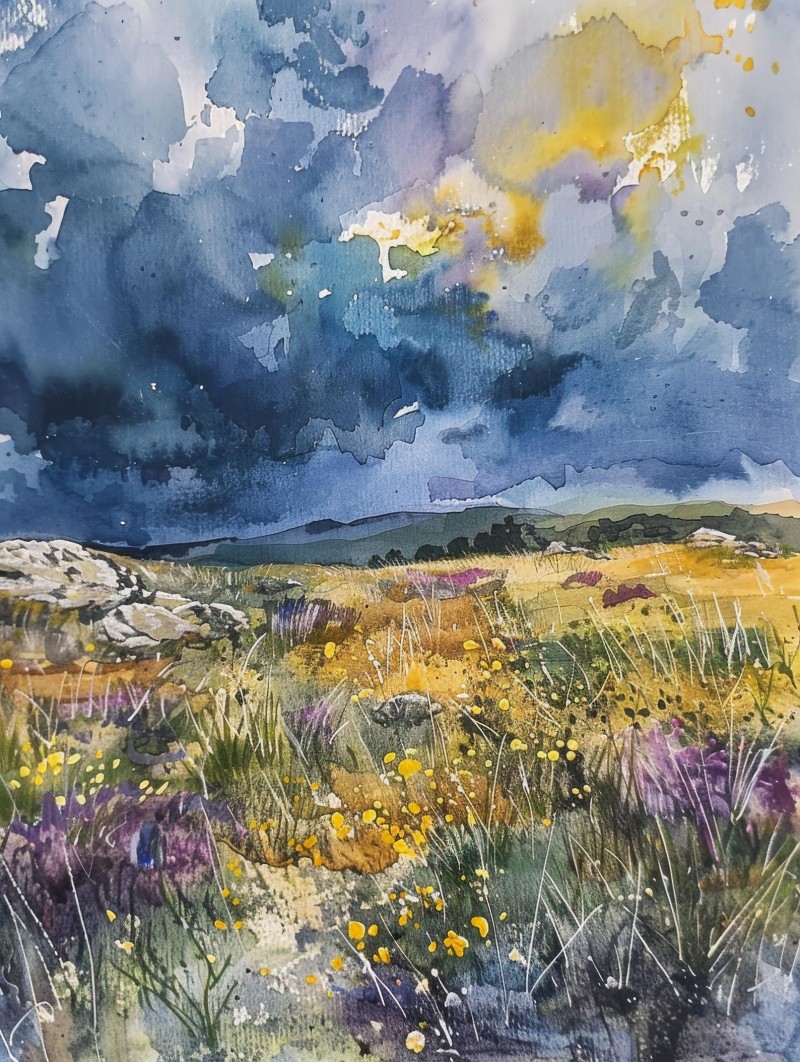
Dartmoor is one of the most distinctive landscapes in England. Covering a large area of wild countryside in Devon, Dartmoor National Park is famous for its dramatic granite tors, open moorland, deep valleys, ancient settlements and rich wildlife.
Dartmoor is somewhere to walk, explore and enjoy the outdoors. However, the moor has much more to offer than spectacular scenery. Its history stretches back thousands of years, and the landscape contains prehistoric monuments, medieval remains, old mine workings, historic farms and traditional villages.
Always follow the Countryside Code to keep all creatures safe (learn how to upright an overturned sheep). Keep dogs away from steep banks, cliffs and toxic plants/trees.
Where is Dartmoor?
Dartmoor is located in the centre and south-west of Devon, in south-west England. Much of the moor lies within Dartmoor National Park, which covers approximately 368 square miles.
The landscape is surrounded by towns and villages including Okehampton, Tavistock, Ashburton, Bovey Tracey and Princetown. Exeter is also within relatively easy reach, making Dartmoor accessible for visitors travelling from other parts of England.
Dartmoor is sometimes described simply as a moor, but the landscape is remarkably varied. Open upland areas are mixed with wooded valleys, rivers, streams, farmland and rocky outcrops.
The central moor is particularly wild, while the edges contain numerous villages, historic sites and roads providing access to different parts of the national park.
The landscape of Dartmoor
One of Dartmoor’s most recognisable features is its granite landscape.
Large granite outcrops known as tors rise above the surrounding moorland. These rocky formations were shaped by natural processes over thousands of years and now provide some of Dartmoor’s most impressive viewpoints.
Among the best-known tors are Haytor, Hound Tor, Great Staple Tor and Brent Tor. Each has its own character, and several can be reached by relatively straightforward walks.
The open moorland is covered with grasses, heather, gorse and other vegetation. In wetter areas, peat and bog habitats are common.
Dartmoor’s valleys provide a striking contrast to the exposed high ground. Rivers such as the Dart, Teign and Taw have carved their way through the landscape, creating wooded valleys and attractive walking routes.
Haytor (granite rocks)
Haytor is perhaps the most famous landmark on Dartmoor.
The distinctive granite rocks rise dramatically above the surrounding landscape and are easily accessible from nearby roads. Because of its accessibility and spectacular views, Haytor is one of the busiest parts of Dartmoor, particularly during weekends and holiday periods.
From the tor, visitors can enjoy extensive views across Dartmoor and, on clear days, towards the Devon coast and beyond.
Haytor is a good choice for visitors who want to experience the characteristic Dartmoor landscape without undertaking a long or difficult hike. There are several walking routes in the surrounding area, allowing visitors to explore beyond the main viewpoint.
As with all areas of open moorland, weather conditions can change quickly. Even when conditions are pleasant at lower elevations, the weather on exposed parts of Dartmoor can become wet, windy or misty.
Dartmoor Tors and walking
Walking is one of the main reasons people visit Dartmoor.
The national park contains an enormous network of paths and tracks, ranging from short family-friendly walks to challenging full-day hikes.
Walking between tors is particularly popular. A route might combine several rocky viewpoints with stretches of open moorland, providing a good introduction to the landscape.
Unlike a typical countryside walk, Dartmoor does not always have obvious paths. Fog and low cloud can reduce visibility dramatically, while streams, boggy ground and changing weather can make progress slower than expected.
Anyone planning a longer walk should carry an appropriate map, compass or reliable navigation device, sufficient water and food, and clothing suitable for changing conditions.
The rivers and valleys of Dartmoor
Dartmoor’s rivers and valleys provide some of its most beautiful scenery.
The River Dart is particularly well known. It rises on the moor before flowing south towards the coast, eventually passing through Totnes and Dartmouth.
The river and its tributaries have created wooded valleys that contrast sharply with the exposed moorland above.
The Teign Valley is another attractive area, while the wooded landscapes around places such as Lustleigh provide a gentler alternative to the central moor.
Walking through these valleys can be especially enjoyable during spring and autumn, when woodland colours add another dimension to the scenery.
The rivers are also important habitats for wildlife, although visitors should take care around fast-flowing water and slippery rocks.
Dartmoor wide variety of wildlife
The open moorland provides habitat for birds, insects and mammals, while the rivers, woods and farmland support additional species.
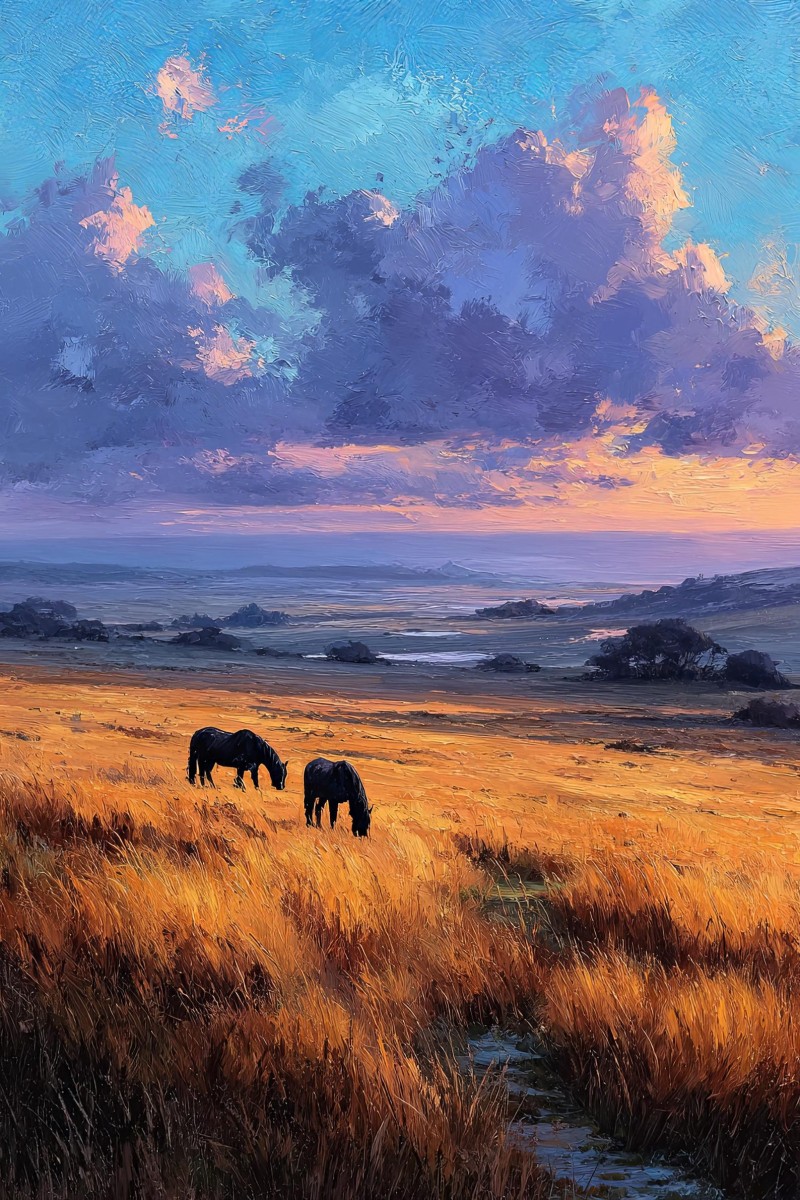
One of the most recognisable animals associated with the area is the Dartmoor pony. These hardy ponies have lived on the moor for generations and are an important part of the landscape.
Do not touch or feed semi-wild New Forest ponies. Don’t let dogs approach or chase ponies or any other animals. Never use flash photography (use a zoom lens if taking photos).
For any concerns, contact the Dartmoor Protection Officer (involvement or witnessing of road accidents must also be reported to the police).
Visitors may also encounter sheep and cattle, particularly around areas of common land.
Birdwatchers can look for species associated with upland and heathland habitats. Depending on the location and season, the moor can also provide opportunities to see birds of prey and other wildlife.
If you encounter animals while walking, keep your distance and do not feed them. Dogs should also be kept under control, particularly around livestock.
The history of Dartmoor
Dartmoor’s history stretches back thousands of years.
Evidence of prehistoric activity can be found across the landscape, including stone rows, burial monuments, standing stones and ancient settlements.
One of the most fascinating aspects of Dartmoor is the way these archaeological remains survive within the modern landscape. A walk across the moor can therefore become a journey through several thousand years of human history.
Dartmoor also became associated with mining. Tin, copper and other minerals were extracted from the landscape, leaving behind abandoned mine workings, shafts, spoil heaps and other industrial remains.
Princetown (a useful starting point)
Located near the centre of the moor, the village developed in connection with Dartmoor Prison, which was established during the Napoleonic Wars to hold prisoners of war.
Today, Princetown is an important visitor centre and a useful starting point for exploring the surrounding moor. Visitors can find places to obtain information before heading out into the countryside.
Because of its central location, Princetown is also a popular base for walkers. However, the surrounding landscape can be exposed and challenging, particularly in poor weather.
The village itself has an unusual character and provides an interesting contrast to the remote landscape surrounding it.
Dartmoor Villages
Bovey Tracey is often considered a gateway to Dartmoor from the east. The town has shops, cafés and attractions and provides convenient access to the eastern side of the moor.
Widecombe-in-the-Moor is another well-known destination. The village is famous for its traditional appearance and the Church of St Pancras, sometimes known as the “Cathedral of the Moor” because of its impressive size relative to the surrounding settlement.
Lustleigh is particularly attractive for visitors interested in traditional village scenery, with stone cottages, woodland and a peaceful atmosphere.
Tavistock lies on the western edge of Dartmoor and is an historic market town with a strong connection to the area’s mining heritage.
Tavistock has a real claim to fame! Known as a foodie town, it became the first town in England where the local McDonald’s branch had to close, due to lack of interest. One local said ‘We feed our children properly here, so they weren’t needed’.
How to get around Dartmoor
- Public transport is available around parts of Dartmoor, although services can be more limited in remote areas and outside the main tourist season.
- Walking is naturally the best way to experience the landscape itself. For longer trips, visitors can combine public transport, walking and accommodation in nearby towns and villages.
- Cyclists can also explore Dartmoor, although the terrain makes it physically demanding in places.
- Roads cross the moor, connecting villages and viewpoints. However, some roads are narrow, winding and exposed, so drivers should take care.
Dartmoor wildlife (put the kettle on – 50 mins!)