The Stunning Colours of Nature: Pink

Pink is a favourite colour for many, the name is derived from the carnation flower of the same name. England also has beautiful cherry blossom trees (both these flowers are toxic to pets) along with coastal ‘sea pinks’.
Other pink flowers are of course roses (the world’s oldest blooms) and hibiscus (an Asian flower that is sometimes used for food and beauty – not for pregnancy/nursing).
Although often associated as a colour for females, a 1918 trade publication wrote that pink was better for boys and daintier blue better for girls.
Recently MAGA (make America great again) supporter Juanita Broaddrick was outraged at a company promoting a pink sweater for men. Perhaps she has nothing better to do? Her country has enough problems.
One reader writes ‘It seems that despite all the years, all the science, Magas still believe you can ‘catch’ gay.
Jaipur in India is known as ‘the pink city’, as all its buildings were painted this pretty colour to welcome the Prince of Wales (Queen Victoria’s son), back in 1876. Of course, this was not good in that India was then part of the British Raj (changed thanks to Gandhi). But the beautiful pink city remains.
Beautiful Birds who Are Pink
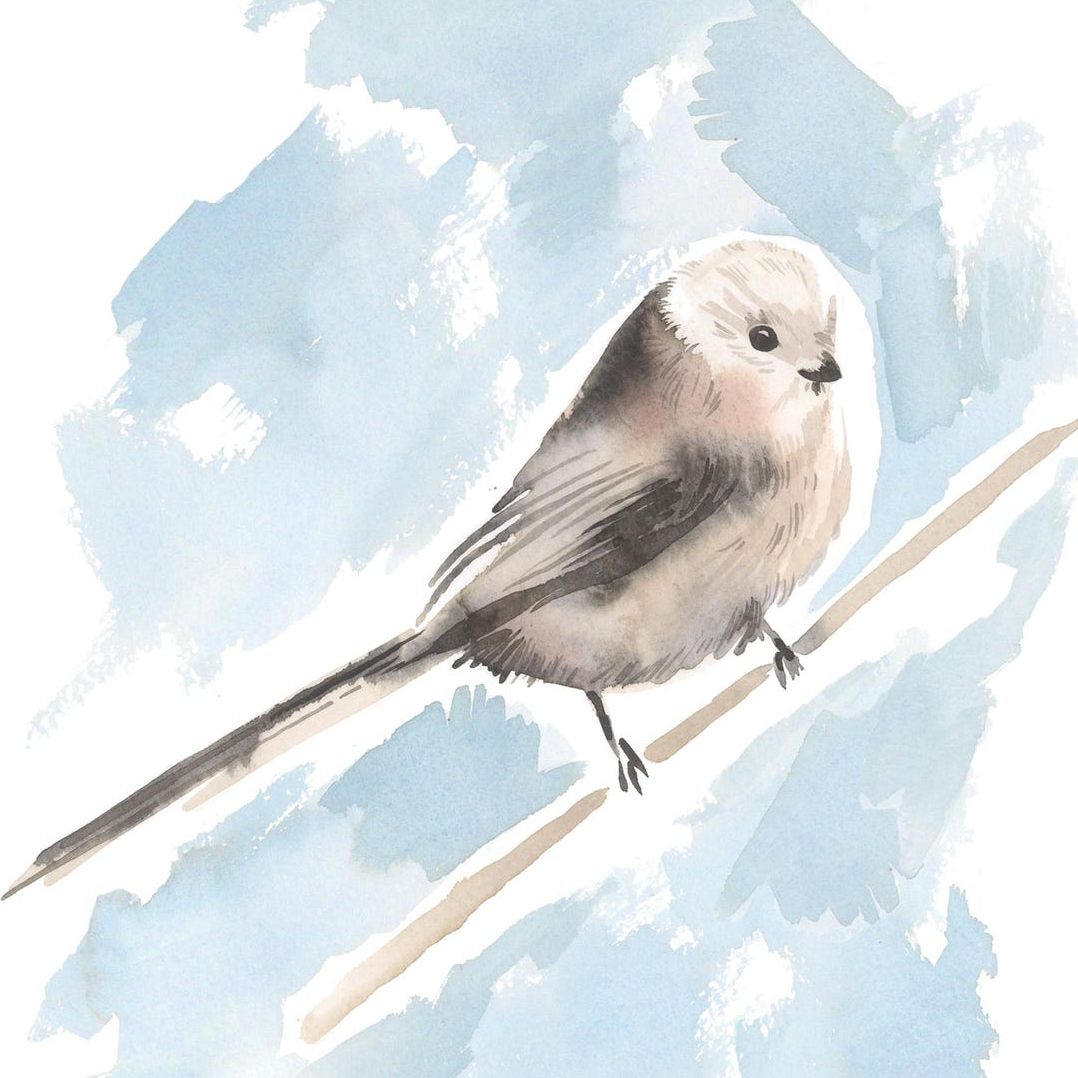
Long-Tailed Tits are vulnerable to harsh weather, and often huddle together to keep warm. They have tailed longer than their bodies, white heads, black eye-stripes and pink backs and flanks.
Read how to create safe havens for garden birds, and stop birds flying into windows.
Rosefinches are native to Asia and India, but often visit England, as they migrate south. The pink-red plumage of the males is due to carotenoid pigments from eating fruits and berries.
Pink-Footed Geese also have pink bills, and are known for their loud honking calls. More than 250,000 visit England each winter, many visiting Norfolk, as they love sugar beet found in fields!
Long-legged Chilean flamingos start off grey, then become pink due to their diet of shrimp and algae (carotenoids), which turn their feathers pink. Other South American ‘pinkies’ are roseate spoonbills and hairy squat lobsters (pink to blend in with barrel sponges).
Why Are Some Sands Pink?
In England we have brown sand, and some places have white sand due to crushed shells and coral. But many places have pink sand, due to reddish minerals. Some are in the Caribbean, others are closer to home (Italy, Greece and Spain).
In Australia, Lake Hillier is pink due to salt-loving algae microbes that create red-pink pigments. And of course there are also natural pink gemstones (avoid buying new, to stop unsustainable mining).
Why Pink is Not in a Rainbow
Pink is a mix of red and blue on the colour spectrum. These appear at opposite ends of the rainbow, so never touch, which is why you’ll never see a pink rainbow.
Pink Pigs!
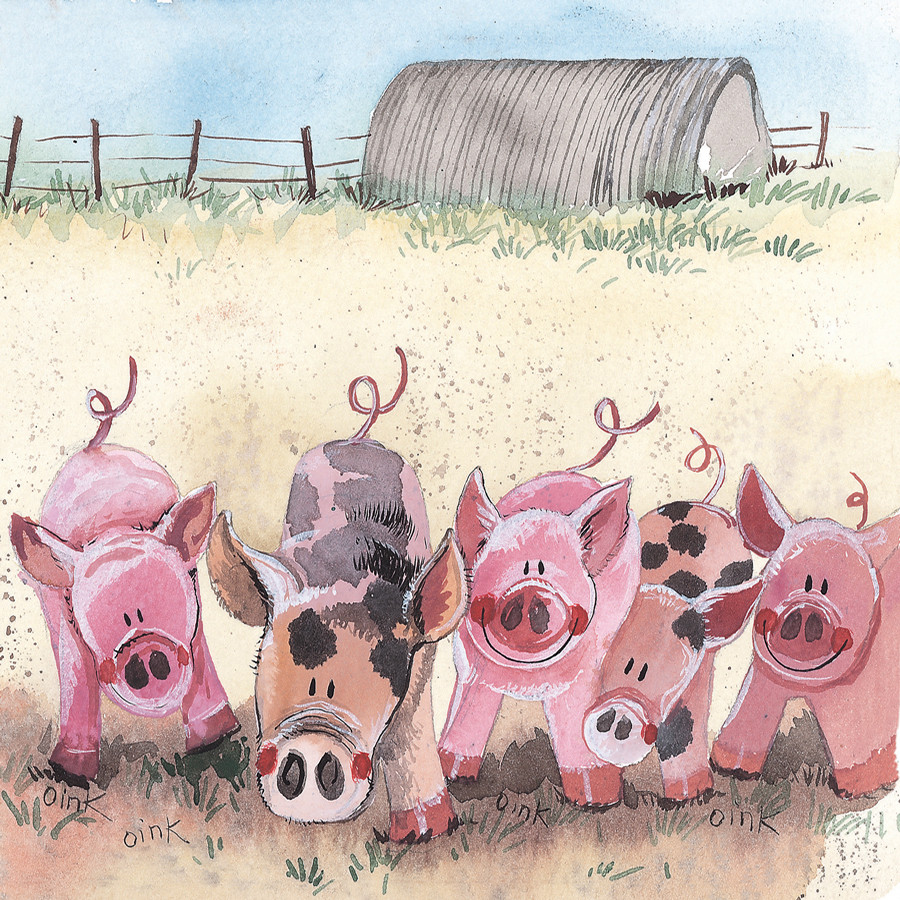
One of England’s most familiar pink animals are pigs! Some of the best mothers in the animal kingdom. They are also very social, often huddling together and sleeping nose-to-nose (mothers sing to their piglets). Look in stores for La Vie vegan bacon!
Pretty Pink Marine Creatures

Seahorses are one of the world’s most unusual creatures. They have no stomach or teeth, perform mating dances for up to 9 hours and the males give birth. One marine biologist says ‘When God invented seahorses, he may have one too many!’
Seahorses have intestines, but no stomachs. Nor teeth. And when they meet their life partners, they perform a dance that lasts up to 9 hours. Then the female transfers her eggs over to the male, who carries them to term!
Other pink marine creatures include:
- Jellyfish (read how to stay safe near jellyfish – people and dogs)
- Pink River Dolphins have adapted to live in the warm shallow waters of the Amazon rainforest, with their capillaries becoming even more pink, when they are excited. They have unique heads that can turn side to side, and feed on fish (including piranha). Although due to habitat loss and river pollution, they are now an endangered species.
- Lobsters are blue (not pink) and have a central nervous system, so this means they feel things. So please don’t cook them.
Pink Dragon Millipedes are found in leaf litter in limestone caves in Thailand. Most active after rain showers, they roll into a ball (just like hedgehogs) if threatened. They smell of almonds (!) and carry a deadly poison called hydrogen cyanide.