Let’s Pop Over the Border to Wales
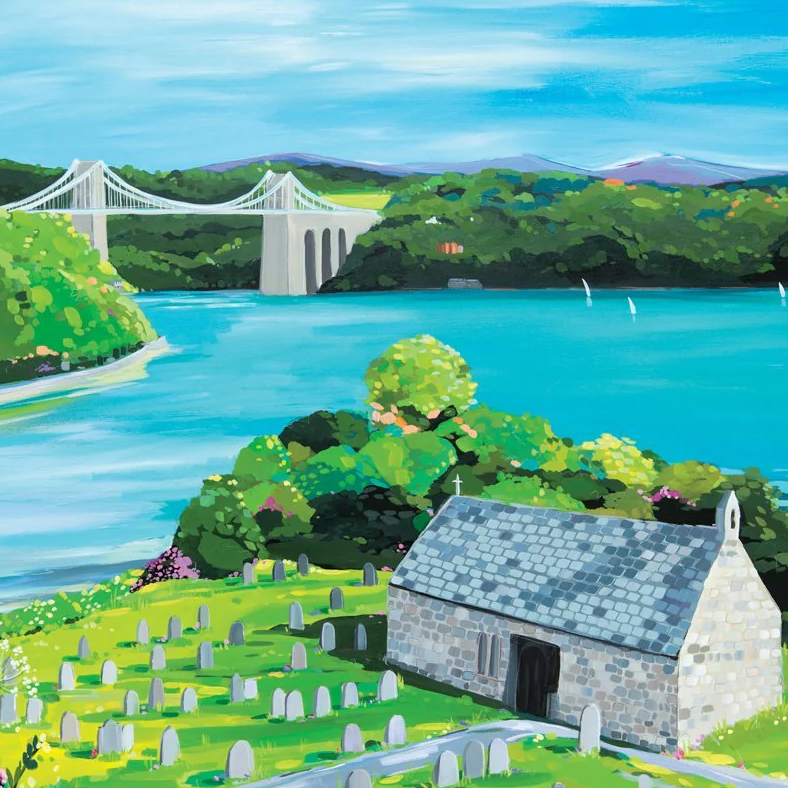
Wales has far less people than England (around 3 million, compared to our 67 million). It’s a stunning place of hills, mountains and coast, so let’s explore!
Patch of the Planet offers short courses and holidays near the stunning Pembrokeshire coast, by expert ecological gardeners and landscapers (take their online wildlife-friendly gardening course!)
Always follow the Countryside Code to keep all creatures safe. Keep dogs away from steep banks, mushrooms (and toxic plants/trees) and on leads near birds, barnyard friends and wild ponies.
If at the coast, keep away from nesting birds and never walk on sand dunes. Learn how to keep dogs safe by the seaside (check beach bans before travel).
Offa’s Dyke and the Welsh Coast Path
Offa’s Dyke Path is a long trail that follows much of the England Wales border. You can pick a short section, walk for a few hours, then finish with a pub lunch. Choose a hill section for views, you’ll often see both countries at once. Plan 3 to 5 hours including stops, and keep a warm layer for exposed ridges.
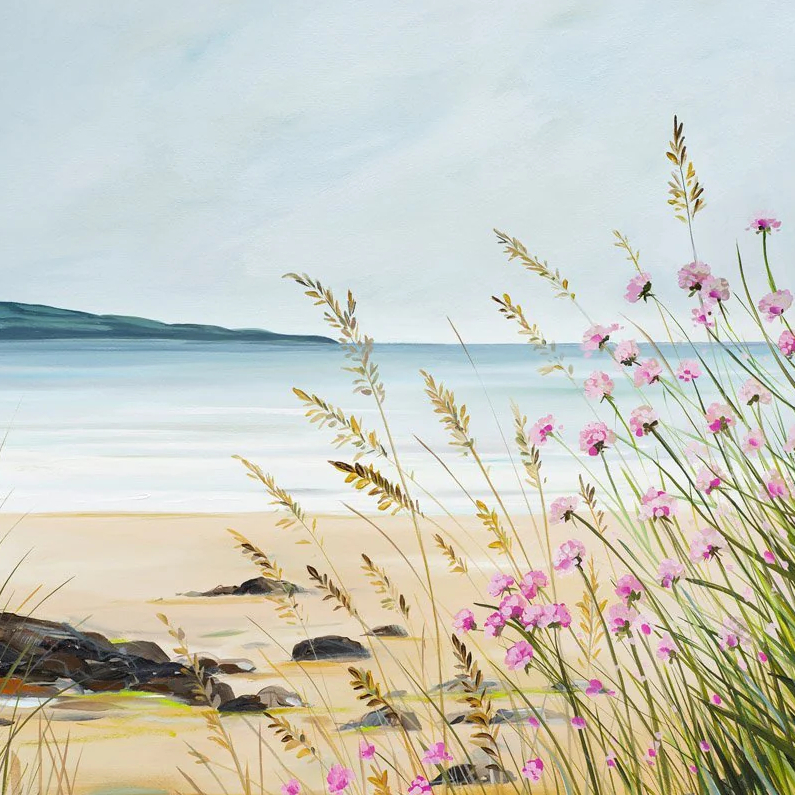
Pembrokeshire suits a full day when you want the sea to do the heavy lifting. Start with an easy out-and-back walk on the Wales Coast Path, around 5 to 10 km depending on your time and legs. That way, you always know how you’re getting back, and you can turn around when the wind starts to feel sharp.
Expect cliff edges, sudden little coves, and that bright salt smell that clings to your jacket. You may spot seals hauled out on rocks (leave them alone) or just the shapes of birds skimming low over the waves. If rain closes in, swap the walk for a cosy café or a small local gallery nearby.
Gwent Levels (the cousin of our Somerset levels)
The Gwent Levels are flat, wide and quiet with reens (drainage ditches), sea walls, and big birdlife if you pause long enough to view from afar. This Stolen Land tells the story of these wetlands that line the north shore of South Wales’ Severn Estuary.
Welsh wildlife TV presenter Iolo Williams is passionate about the Gwent Levels, and is very vocal about needing to protect them from development. He says they are a ‘jewel in the crown of Wales’ with fragile wetlands that need protection, as a matter of urgency. He once told former Prime Minister Boris Johnson ‘Keep your money-grabbing mitts of the Gwent Levels’.
Welsh words you will spot everywhere
Bilingual signs are normal (especially in north Wales), so you’ll see Welsh alongside English from the start. A few words pop up often:
- Croeso (welcome)
- Araf (slow)
- Llan (often the start of place names, linked to a church or enclosure)
Pronunciation can feel daunting at first, yet you don’t need to “get it right” to enjoy it. Try a simple “Bore da” (good morning) if you fancy, or just smile and carry on!
Anglesey is home to one of the longest village names in the world:
Llanfairpwllgwyngyllgogerychwyrndrobwllllantysiliogogogoch
Oswestry (the nearest English town to Wales)
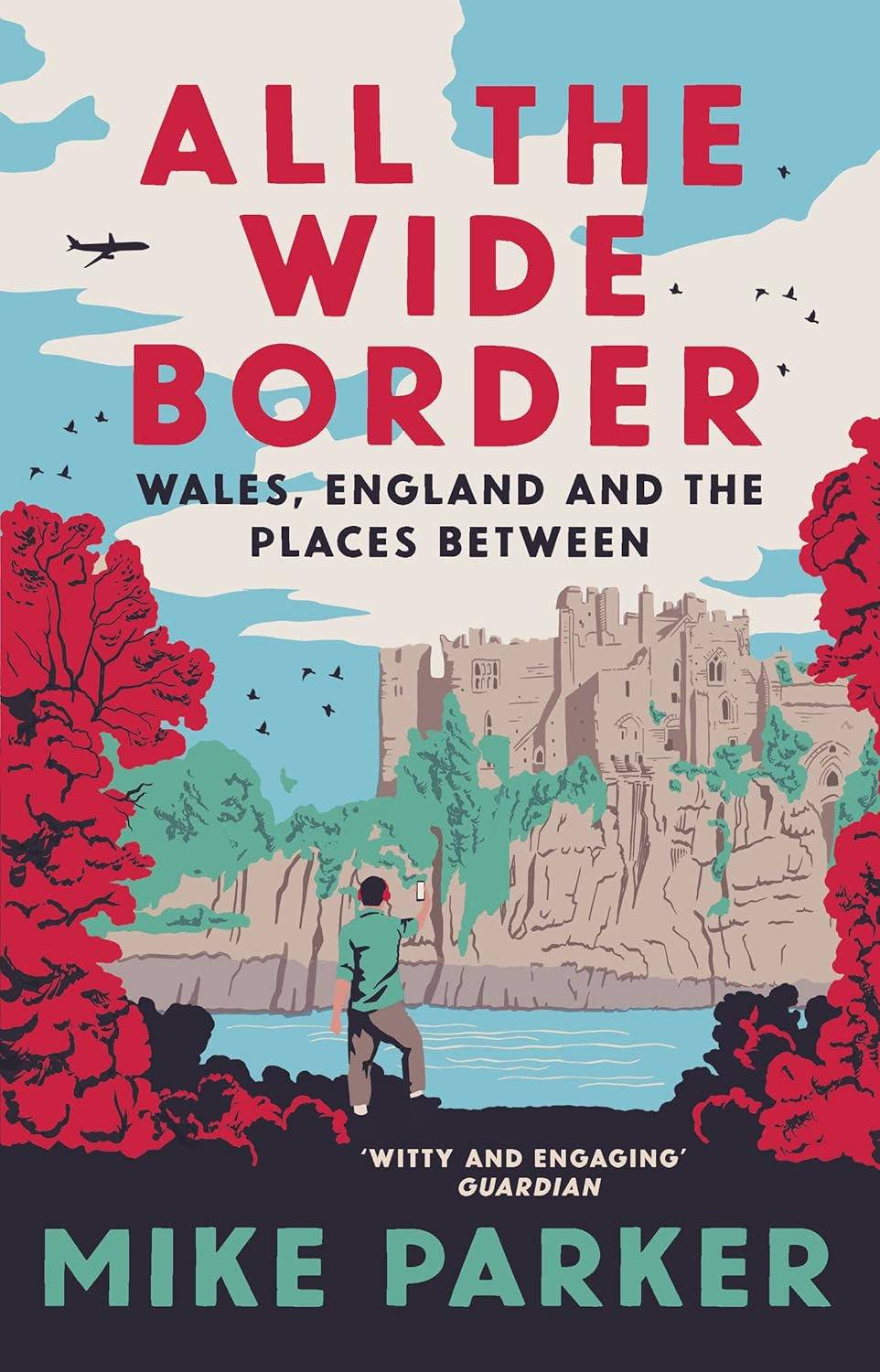
Oswestry is a market town in Shropshire, just 2 miles from the Welsh border. Named after King Oswald of Northumbria, he was killed in a battle here in AD 642.
Like Berwick-upon-Tweed (in Northumberland), this town has a long history of changing hands, sometimes being rules by England, and other times by Wales. You can still see ruins of a Norman castle from 1000 years ago.
This is Shropshire’s third largest town in one of England’s least populated counties. It still runs food markets twice a week, and has a rich and interesting history.
Although it’s in England, because it’s just five miles from the border, many signs and road signs are also in Welsh. Which nobody would understand unless they’re Welsh, because it looks like one of the world’s most difficult languages.
Poet Wilfred Owen was born here, but he only published five poems (he wrote many more) before his death in war age just 25, just one week before the Armistice. His poetry (which focused on the horrors of war rather than glamorising it) makes for powerful reading, even today.
Hay-on-Wye (a book town on the Welsh border)

Right on the Welsh border is Hay-on-Wye, which has more second-hand bookshops than any other in the UK. It also hosts an annual book festival, which draws thousands of visitors from across the world. Introvert bookworms meet new literary friends, in this most unique place.
Trying to save your independent bookstore? Be inspired by this town, which has over 20 of them! Most follow the golden rule of niching down, rather than just selling books about anything and everything. Some bookstores here focus on:
- Children’s books
- Antiquarian and rare books
- Nature and botany
Hay-on-Wye famously has ‘honesty bookshops. Where if shops are closed, visitors can leave payment in a box to buy books on outdoor shelves.
Local legend claims that Hay Castle was built in just one night by Maud Walbee (a giantess, who carried the stones in her pocket!)
Despite being in Wales, this town has a (Herefordshire) English postcode. The town sits on River Wye (the fifth longest in England).
Hay-on-Wye? Is that some kind of sandwich? Arthur Miller, American playwright on his first visit
From the gardens of Bombay, all the way to lovely Hay. Ian Dur
Tenby Connects (how to ‘do’ a community website!)

If you visit most ‘town websites’, you are likely to find a boring generic site filled with ads for visiting zoos, aquariums, and directions to the nearest superstores and car park directions. Not good enough!
This is a sublime example of how to foster community, and makeover your town or village!
Tenby Connects is a beautifully designed website for one of Wales’ most popular holiday destinations. It’s packed with profiles of local volunteers and small shops and businesses, plus has many projects that local people can get involved with. It’s really inspiring, take a look!
The projects in Tenby include:
- A Community Fridge – This is where people donate food (not yet out of date) and people basically just help themselves for free (read our post on food safety for people and pets).
- Friday Wellbeing and Cooking Group – this is held over winter to offer tips on healthy budget cooking, and to try out wellbeing techniques (it’s aimed mostly for unpaid carers).
- The No Throw Party Kit – for a small fee, you can borrow a set of reusable plates, bowls and beakers for 30 guests (with table cloths and reusable cutlery) to avoid buying single-use plastic items.
- Litter-Picking Groups – equipment can be borrowed to pick up litter at regular meets by the harbour.
- Repair Cafes – these are held once a month, where volunteer experts repair items brought in by members of the public – for free (or perhaps a cup of tea and some biscuits!)
- Town Ambassadors – volunteers basically wander around the town on foot, answering questions to help local people and visitors. An ideal hobby for resident chatterboxes!
- A Community Edible Garden – this is run by volunteers, again to provide free food for local people. Volunteers also help look after plants for pollinators in public gardens.
Use no-dig gardening (and avoid netting) to help wildlife (and ensure ponds have sloping sides). Also read our post on pet-friendly gardens.