England’s Amazon: Exploring the Wild Norfolk Broads
Although it’s important to live simple sustainable lifestyles and not drop litter, it also helps to know why we’re doing it! So let’s get to know about the little beautiful corners of England!
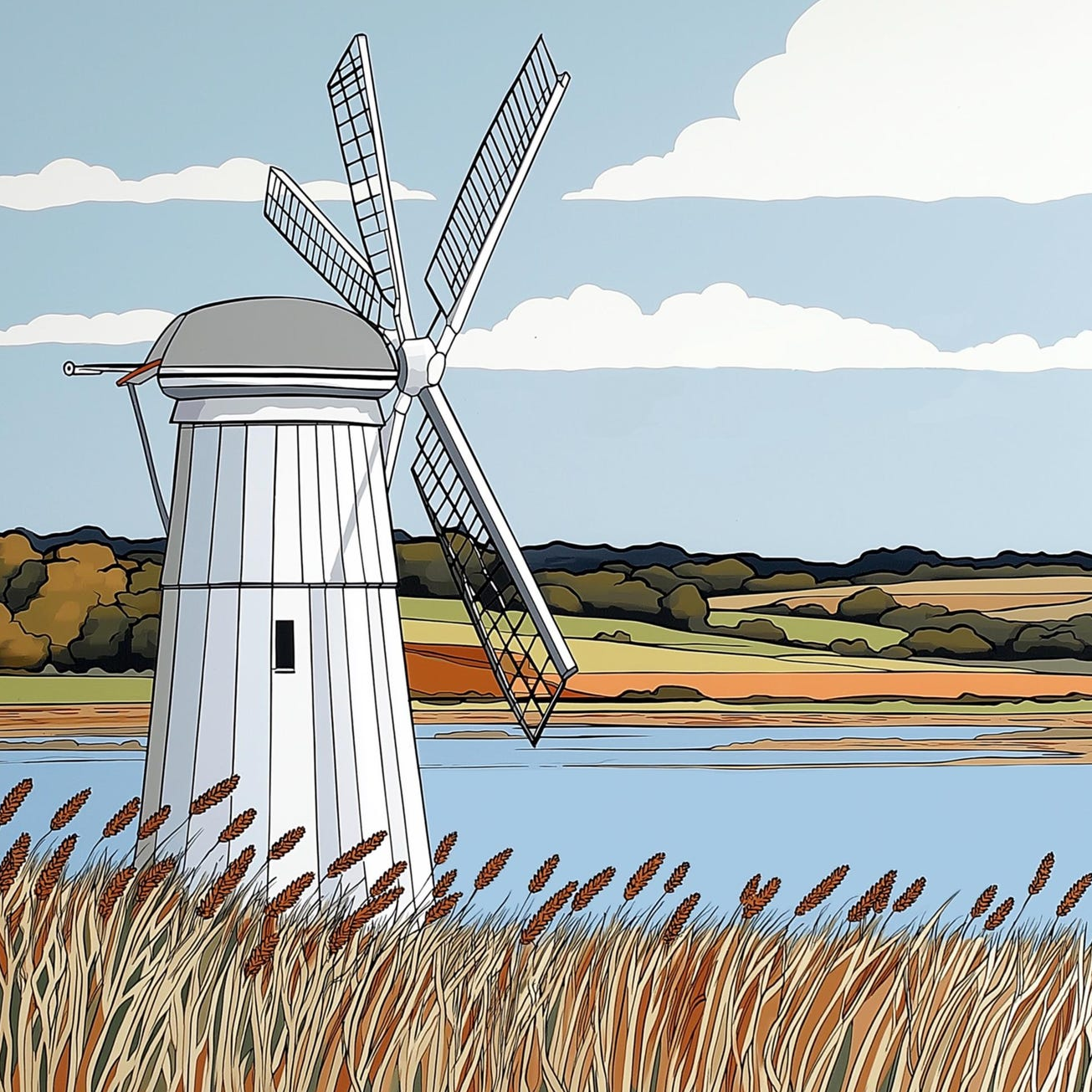
The Norfolk Broads (manmade wetland waterways) are home to 25% of England’s birds and native wildlife (including rare Swallowtail butterflies).
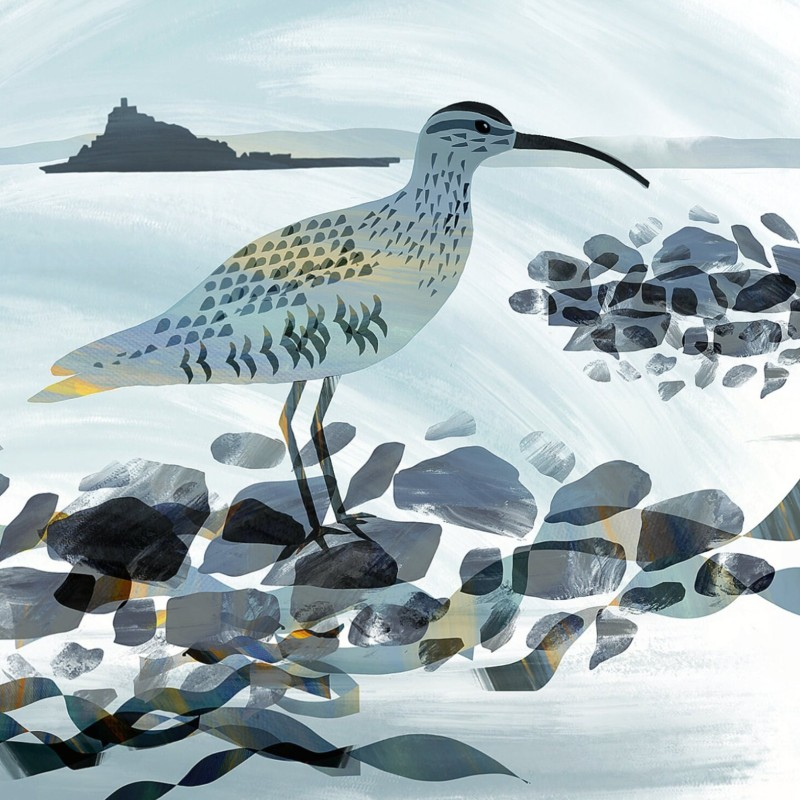
Known as ‘England’s Amazon’, the Broads are home to many creatures you likely won’t find elsewhere in England these days: bitterns, marsh harriers, swallow butterflies and fen raft spiders all find safe haven here. As do avocets, wading birds with unique upturned beaks.
There are seven rivers and over 60 broads (bodies of water). They span over 120 miles of rivers and lakes, created from flooded medieval peat diggings.
Always follow the Countryside Code to keep all creatures safe. Keep dogs away from steep banks, mushrooms (and toxic plants/trees) and on leads near birds, barnyard friends and wild ponies.
If at the coast, keep away from nesting birds and never walk on sand dunes. Learn how to keep dogs safe by the seaside (check beach bans before travel). Join the campaign to ban flying rings, to help local seals.
Be a sustainable sailor!
The Broads are also one of England’s most popular boating holiday destinations, so be a sustainable sailor, to protect local birds and wildlife.
No matter who dropped it, on public land councils are responsible for picking up litter. You can report to Fix My Street. For private land, councils can serve litter abatement orders (and issues fines or invoices if not compliant).
A year surrounded by marshy wildness
On the Marsh is a lovely book by Simon Barnes, who on hearing a Cetti’s warbler sing in Norfolk as he looked at a house for sale, moved there with to avoid the marshy land being lost to developers or intensive farming.
As he and his wife rewilded the area, this had calming effects for their son, who has Down Syndrome. A place of calm and inspiration for all.
Follow triumphs (two harrier families arrive to use the marsh as hunting ground). And disappointments (chemical run-off from neighbouring farmland creates a nettle monoculture).