The Norfolk Coast Path (Hunstanton to Sea Palling)
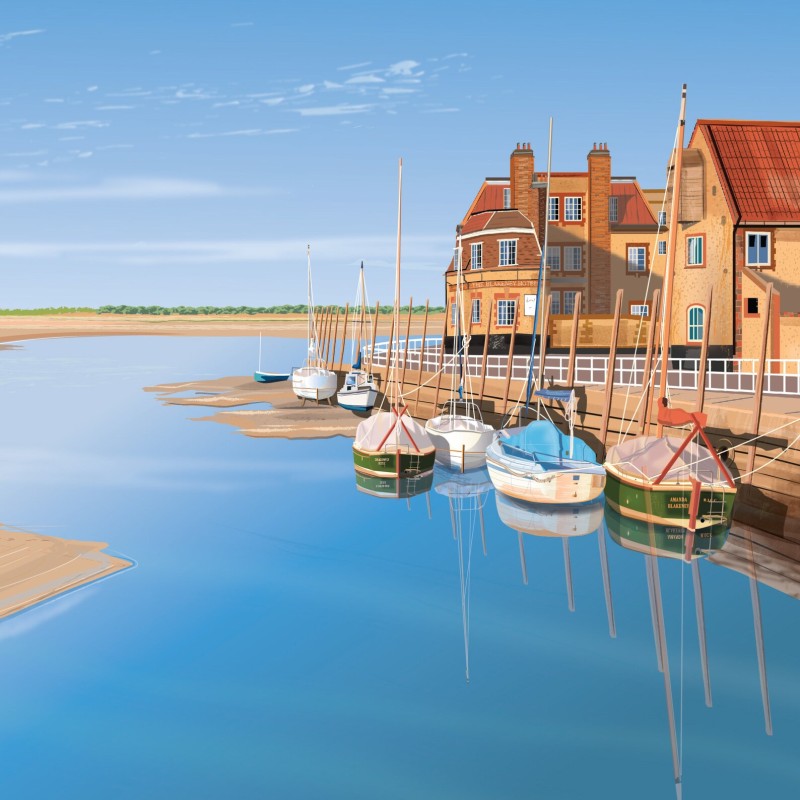
Blakeney, Geraldine Burles
The Norfolk Coast Path offers tidal marshes, sandy beaches and big skies. Starting from the cliffs at Hunstanton, this waymarked route travels through this Natural Landscape.
The flat, soft paths make it an easier long walk. While Wells-next-the-Sea and Cromer add classic English charm. Birdwatchers flock to Blakeney Point and Cley Marshes, where grey seals and rare birds gather.
The Peddars Way starts at at Suffolk (near Thetford) and follows the route for 49 miles to Holme-next-the-Sea on the North Norfolk Coast.
When out walking, always follow the Countryside Code, to keep all creatures safe. At the coast, read how to keep dogs safe by the seaside.
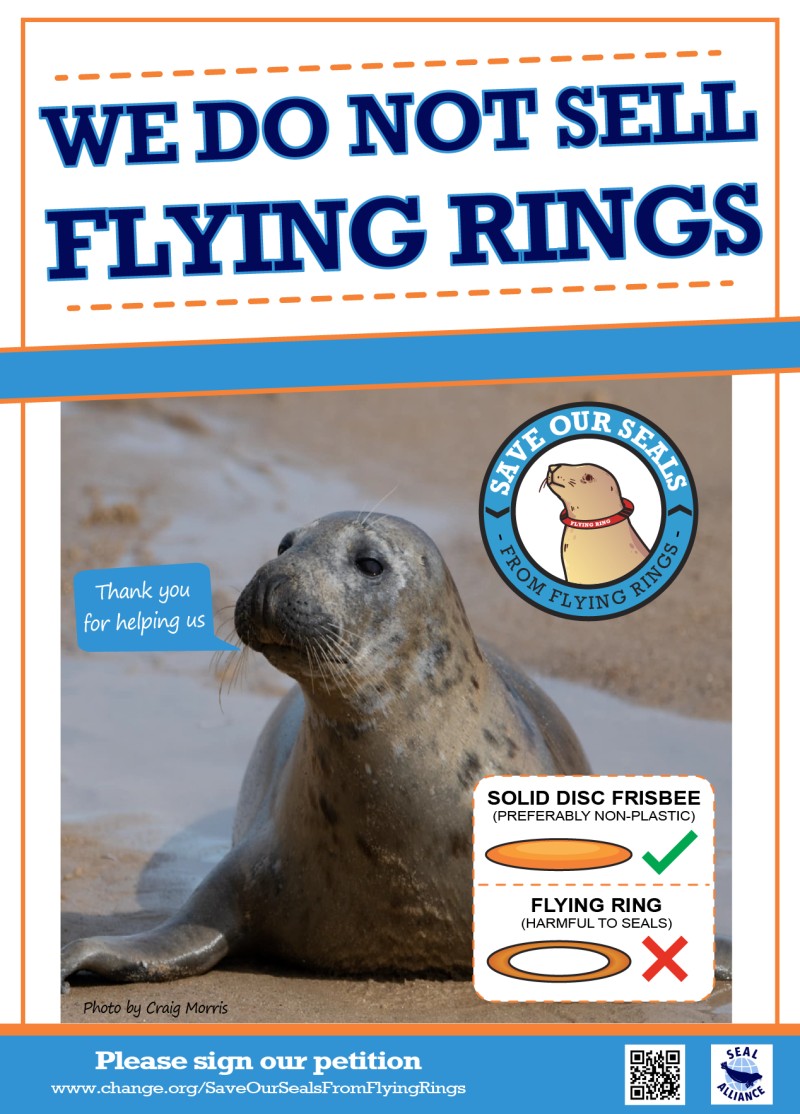
Don’t walk on sand dunes (to protect endangered natterjack toads) and keep you and dogs away from coastal birds and flowers (some are toxic) and seals. Join the campaign to ban flying rings, to help local seals.
The Norfolk Coast passes through:
Blakeney (this former medieval port has narrow streets with flint cottages and hosts England’s largest grey seal colony and many bird breeding sites. Known in history as Bolshy Blakney, this was because it was a very independent town that established a society in 1946 to keep homes affordable for local people.
Hunstanton (known as ‘sunny hunny’, this Victoria seaside resort has red-and-white striped cliffs and is one of the few places on the east coast you can watch the sunset over the sea, due to the west-facing beach. It’s also home to the River Hun (at just 3 miles, one of the shortest in England).
Sea Palling (‘Norfolk’s secret’) is a charming North Norfolk village where sheltered bays are now protected by artificial reefs, and visitors are advised to stay away from the large seal colonies. This village was very affected by the 1953 North Sea flood, commemorated at the local church.
The flood (caused a high spring tide that surged over sea walls in a bad storm) killed seven local people. The flood’s effects ended up creating the Thames Barrier, many years later.