Creating Oil-Free Economies (not relying on others)

Relying on oil has led to huge rises in bills, since the Russian invasion of Ukraine. The answer is of course an oil-free economy, as then we no longer have to rely on foreign countries to heat and feed us.
Read more on the alarming results of drilling for more North Sea oil.
Relying on oil, also leaves the big companies like supermarkets and energy companies able to ‘blame others’ for price hikes, when we know that these companies operate solely for profit, unlike say community energy panels and zero waste non-profit food co-operatives.
What would mostly help to reduce oil is for town planners to create walkable communities (so no oil needed for petrol to reach supermarkets that use oil en-masse to power central distribution houses that house imported food that is often covered in chemicals made with oil).
Not relying on foreign oil also helps to create world peace. If Russia had not got so rich on selling oil, it would not now have the money to bomb Ukraine.
Its power has been on the back of other countries not being energy-independent. Nearly all wars on earth are caused by oil (proven as they are all oil-producing countries, Russia is only one example).
One country that is around 99% energy-independent (using renewables) is Iceland. And we never hear about this country going to war, do we?
If we wait for MPs to create an oil-free economy, we’ll be waiting a very long time. It’s far more empowering and effective to use less oil en-masse as people and companies. Together we can then create less demand for oil. Here are a few basic ideas to help:
Fortunately, it looks like the proposed Rosebank new oil and gas field in the North Sea (near the Shetland Islands) is now not going ahead, due to a change of government. It would have kept us locked into fossil fuels for decades.
Tips to Transition to A World Without Oil
- Ecotricity makes green energy that is not generated from abattoir waste.
- Drive and fly less. Driving cars and flying aeroplanes are two of the world’s biggest users of oil. If you are not planning on going car-free (and never flying again), just drive and fly less.
- Eat organic. Pesticides on fresh fruits and vegetables are usually made from oil. So by eating fresh produce that is organic (from the box scheme, market or farm shop) is a great way to use less oil.
- Switch to Natural Fabrics. When you replace clothing, switch to organic cotton, hemp or linen fabrics (synthetic fabrics like nylon and polyester are made from oil).
- Go plastic-free. Easier said than done. But aim for it! Plastic is made from oil. So if you buy things, go for items made from recycled plastic.
- Choose organic and biodegradable beauty, cleaning and laundry products (to avoid oil-based products like petroleum jelly.
- Use your vote. You don’t have to ‘vote Green’, but at least choose candidates that are looking to move away from fossil fuels.
Choose unscented for pregnancy/nursing, affected medical conditions and for pet/baby bedding/bowls/cleaning.
What We Can Learn from Alaska’s Oil Spill

When people drill for oil, it risks tankers spilling their fuel and this causes havoc for birds and wildlife. In 1989, the Exxon Valdez oil spill in Alaska caused the death of around 2800 sea otters, 300 harbour seals, 900 bald eagles and 250,000 seabirds in the following days.
Along with 1000 harlequin ducks, many pink salmon embryos (and even today, many species including cormorants, common loons, Pacific herrings and pigeon guillemot have not yet recovered to original numbers).
Believed to be caused simply from exhaustion of the crew, it also cost $300 million of damage, and even today the clean-up is not complete. Drilling for more oil is not worth the risk.
To help prevent oil spills in England:
- Use a waterless car wash. Driveway and supermarket car washes cause ‘mini oil spills’ as oily untreated water goes down storm drains. Same for boats.
- Launder synthetic fibres with microfibre filters, to stop fibres escaping the washing machine, into the sea.
Greenpeace says that over half the oil spills in UK waters in the last 10 years, have led to oil in marine protected areas. In 1967, a tanker struck Pollard’s Rock and spilled over 25 million gallons of oil, which affected hundreds of miles of coast. Over 15,000 birds were killed.
On a Cornish Beach on Lizard Peninsula, 4,500 containers of Vanish stain remover washed up, after they fell off a container ship (over 18,000 went missing, so the rest are still in the sea).
Volunteers cleaned up the ‘pink sea’ to help wildlife. But others faced fines, as they visited the beach to pick up free bottles of Vanish, and drive them home.
Support EarthJustice (to stop Trump Drilling for Oil)
EarthJustice is trying to stop the Trump administration from opening the coastal plain of the Arctic National Wildlife Refuge (1.56 million acres) for oil and gas drilling.
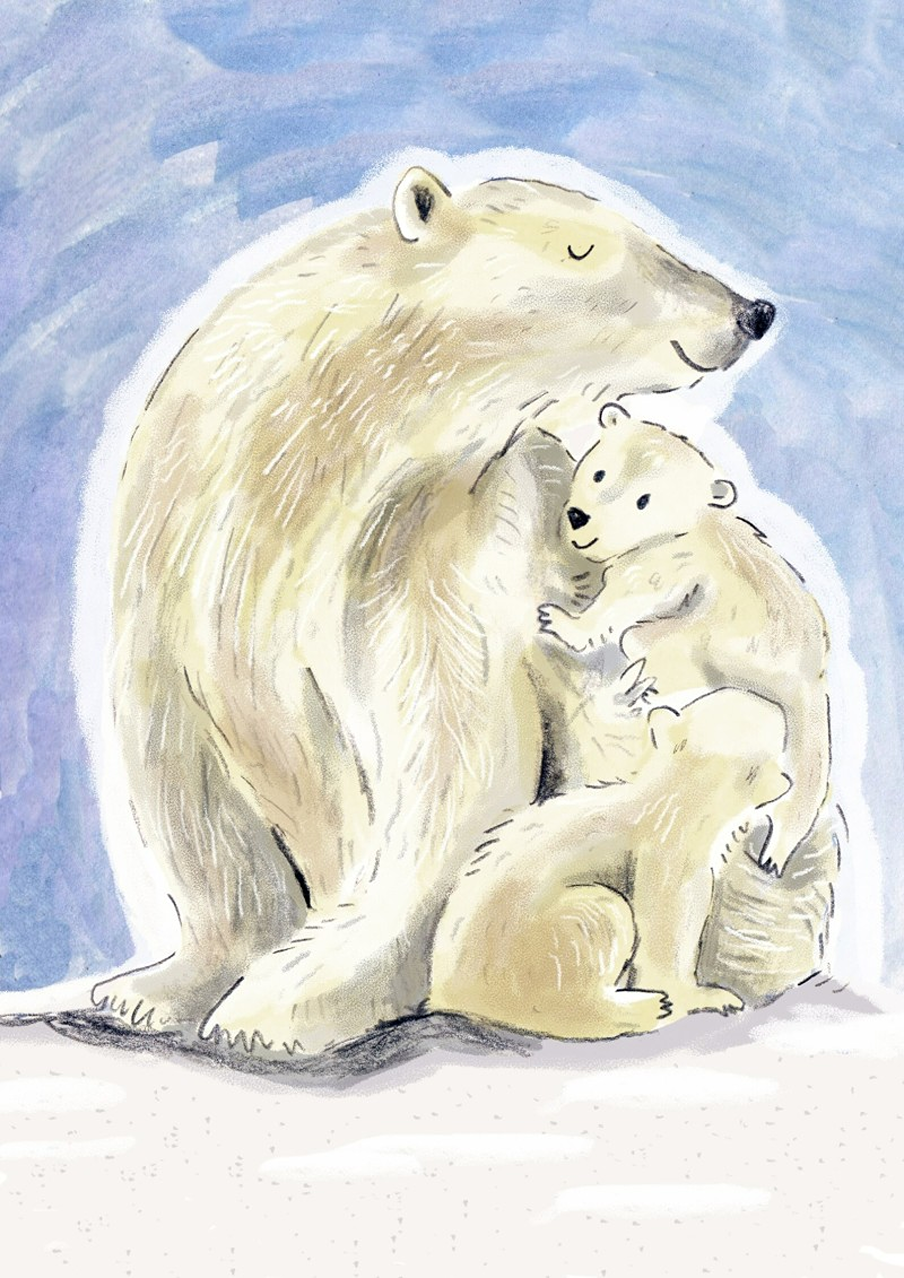
Home to bears and whales and many other species near the Canadian border, this will worsen the climate crisis and undermine energy security.

Also in the USA, pelicans are at risk from oil spills (local volunteers often find them covered in oil, or hungry due to over-fishing (pelicans feed their chicks up to 30 times a day). Along with injuries from hooks and habitat loss, it’s frightening that Trump’s mantra is to ‘drill, drill, drill’.
He also wants to open the Gulf Coast for oil companies, even though oil spills in this area have so far killed over 100,000 birds and turtles, billions of oysters and trillions of newly hatched fish.
It seems the US administration has no concern for living creatures. Even Home Security secretary Kristi Noem (on deciding her dog had to be put to sleep for being aggressive) simply took it out to the backyard and shot it dead, rather than taking it to a vet for humane euthanasia.
But people are fighting back. It’s widely believed this action was why she lost the chance to be vice-president, as the general public in the USA were so appalled. And got JD Vance instead.
Recently, Kristi was on the world news for suggesting both ICE-shooting victims in Minnesota were ‘domestic terrorists’, when of course neither were. The lack of empathy is scary in US politics.