Ospreys (England’s fish-eating birds of prey)
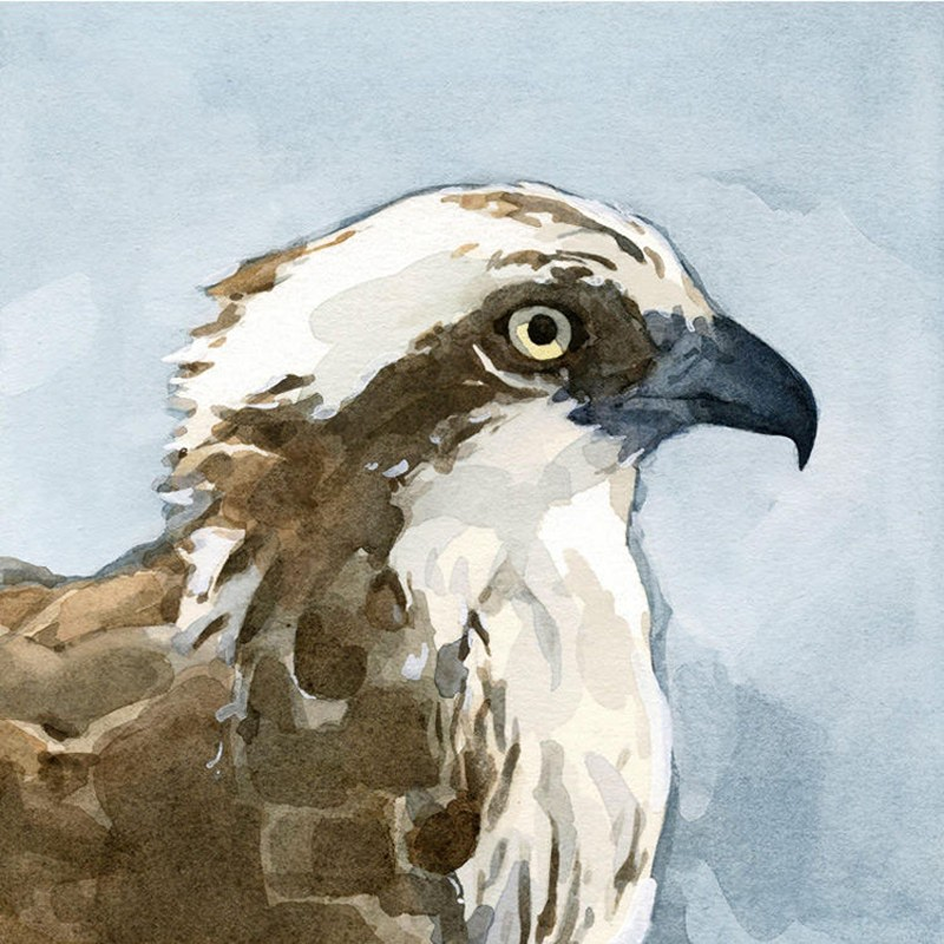
Ospreys are fish-eating birds of prey, who live in Africa, but migrate over 3000 miles to England each year. A few years ago, these beautiful birds (which look a bit like large brown-and-white gulls) were almost extinct.
Due to hunting in Victorian times, at one point there was just one breeding pair left, in Scotland.
This is a real conservation success story! Thanks to volunteers on Rutland Water, today numbers have returned. They are still pretty rare to see elsewhere, although they are around in parts of Cumbria.
Ospreys use their reversible toes (that turn 180 degrees) to hunt for slippery fish. They are such good ‘fishermen’ that around 70% of dives are successful. And if hungry, they usually catch a fish in around 12 minutes. Their eggs often hatch one-by-one, sometimes up to 5 days apart. The birds are possibly named after the Latin word ‘ossifragus’ (it means ‘bonebreaker).
The Dangers of ‘Farming versus Rewilding’
With Reform UK riding high in the polls, this is a good example of why farmers and rewilding experts need to work together (Reform policy is for all rewilding land to be given over to farmers).
This has happened previously in Cumbria, which led to England’s last golden eagle dying on the remote eastern fells.
Wild Fell is the wonderful story of local ecologists who worked with farmers, to keep them happy, while still protecting wild land for endangered species. This is how it’s done. Please note (MPs).
How to Help Our Birds of Prey
Good land management gives birds of prey a safe place to live and hunt. Hedgerows, wildflower margins and uncultivated patches all give shelter and food for their main prey, like mice and voles.
Farms and estates can keep old trees and create wildlife-friendly ponds, helping both the birds and their food web. If you work the land or visit it, choose to back those who use wildlife-friendly practices.
Report Illegal Activity
Sadly, birds of prey are sometimes poisoned or caught by traps. If you spot suspicious behaviour, like dead birds or people setting traps, contact the Wildlife Crime Unit (can be anonymous through Crimestoppers) and your local wildlife rescue.
Preserve Nesting Sites
Birds of prey return to the same nest sites year after year. Old trees, cliffs and even church towers may hide precious nests. When you find a nest, keep back and tell others to do the same.
If work or tree felling is planned nearby, wait until the young have left the nest or ask experts how to proceed. Even in your garden, leaving dead trees can help kestrels or owls find a home.
Reduce Use of Chemicals
Poisons like rodenticides can harm birds of prey that eat poisoned rats or mice. Where possible, use non-toxic methods to control rodents and always follow advice if you must use chemicals.
Encourage local schools and councils to avoid sprays and pellets that can work their way up the food chain. Every small change helps lower the risk to hawks and owls.
Support Wildlife-Friendly Laws
Laws protect nests and ban the killing of birds of prey, but these rules need strong backing. Support campaigns or write to your MP if local or national rules come up for review.
Stay informed about issues like new developments, wind farms or farmland changes in your area that could affect raptor habitats.
How to Help Injured/Orphaned Birds of Prey
Birds of prey are wild creatures, so should always be left alone, unless you know they are injured or in danger. Parents are usually nearby, so observe if concerned.
- If you need help, call your nearest wildlife rescue (or Raptor Rescue).
- If you have to relocate the birds (say to a vet or wildlife rescue).
- Wear gloves (or use a thick towel with no tassels), before placing them in ventilated boxes.
- Keep in a quiet area at room temperature, until help arrives.
- Do not give any food or water.