A More Ethical Egg (and alternatives)

Peggs are made by chickpeas, not chicks! This ideas was born during the pandemic, when the founders wished to make omelettes and French toast.
Cheesy-tasting nutritional yeast and sulphur-smelling black salt is combined with chickpeas for a realistic ‘vegan egg’. Free from soy and shelf-stable.
Before cooking, read our post on food safety for people and pets. Recycle packaging at supermarket bag bins, if your kerbside doesn’t recycle.
Other Brands of Vegan Eggs
Crack’ed is a popular ‘liquid vegan egg’ sold in most stores. After experimenting with 46 different plant proteins, this company plumped for pea protein to create an ‘egg’ you can use to make scrambles, Yorkshire puddings, cakes, cookies, omelette and egg pasta. To make a scrambled egg, just add to a little heated oil and stir for a few minutes).
One bottle keeps around a month (once open, keep in the fridge and use within a few days). Not for children under 6 due to the thicker methyl cellulose that’s high in fibre (same with most vegan sausages).
EVERYegg is a ‘liquid egg’ made without the hen, created by a bio-tech company using DNA sequencing. It may sound a bit Frankenstein food, but it’s likely safer than real eggs (with factory farms and Avian flu risks) and is already used by Michelin-star chefs.
It uses precise fermenting to insert the DNA sequence of chicken egg protein and insert it into yeast. So it’s not actually an egg – but must carry an egg allergy warning.
Just combine with water to make your own vegan eggs. This shelf-stable product is made from chickpeas, potato starch, flaxseed, nutritional yeast, black salt, turmeric and onion powder (made in a facility that processes nuts, wheat, soy, egg and milk).
1/4 cup mix with 1/4 cup of water makes 2 ‘eggs’. To make an omelette, spray a small pan and cook on medium heat for a few minutes. Combine with water and use for quiche or baking. For scramble, cook on a medium low heat for a few minutes, but do not stir for the first minute (let the edges cook first). Then break up with a spatula and cook to the desired texture.
Why Would Anyone Eat ‘Vegan Eggs?’

It’s unrealistic to suggest that everyone is going to be suddenly vegan. But if you do eat eggs, consider plant-based alternatives at least for some of the time. Or at least choose certified organic free-range eggs.
Commercial farming tends to rush when sexing chicks, so sometimes they get mixed up. This is what happened when one woman bought three duck eggs (presumed unfertilised) from Waitrose. But they hatched (thankfully she knew what she was doing). She named them Beep, Peep & Meep!
Learn to cook your own meals is peaceful politics in action, so you are no longer slave to supermarket ready-meals, packed with processed battery-farmed eggs. You only need to master a few recipes, and you’re away!
Millions of eggs are eaten daily across England. And although most people who eat eggs prefer free-range, there is still a huge market for battery-farmed eggs (especially in processed foods) along with cage-free eggs (this means around a mug coaster worth extra space for a poor hen, who is debeaked to stop her pecking other hens out of frustration).
Recently, one RSPCA-assured egg farm that supplies to Tesco & M & S found ‘free-range hens’ with no access to outdoor space and one hen even found hanging upside down, trying to escape a faulty piece of equipment.
No doubt the supermarkets were also appalled. But this is good reason (if you eat eggs) to always find certified free-range eggs from farm shops and local farmers.
Certified organic eggs are even better because as well as having access to outdoor space, hens have a bigger area of space (at a younger age) and are only given antibiotics on welfare grounds, as medicine for illness.
Obviously eggs are a major food allergen. But most people who don’t eat eggs, is due to being vegan. A lot of the egg industry kills baby chicks at birth, as they are of no financial worth (they are gassed or literally thrown into grinders). And older egg-laying hens are also often killed, even in the free-range industry.
Such practices are gradually being phased out in Germany, but not yet in the UK. Again, this is less likely to happen if you buy eggs from a local free-range farmer.
Vegan Hard-Boiled Egg? It’s a Thing!

These vegan hard-boiled eggs (School Night Vegan) are made with silken tofu and kala namak (eggy-tasting black salt). Not only can you choose between a runny or hard yolk, but they have more protein than a real egg!
Recycle packaging at supermarket bag bins, if your kerbside doesn’t recycle.

Neggst offers created vegan ‘hard-boiled’ (and ‘poached’ eggs with runny yolks!) Soon to go on sale, these are made with legumes by a German company that has secured millions of Euros in investment. Serve with black salt, for that authentic eggy taste.
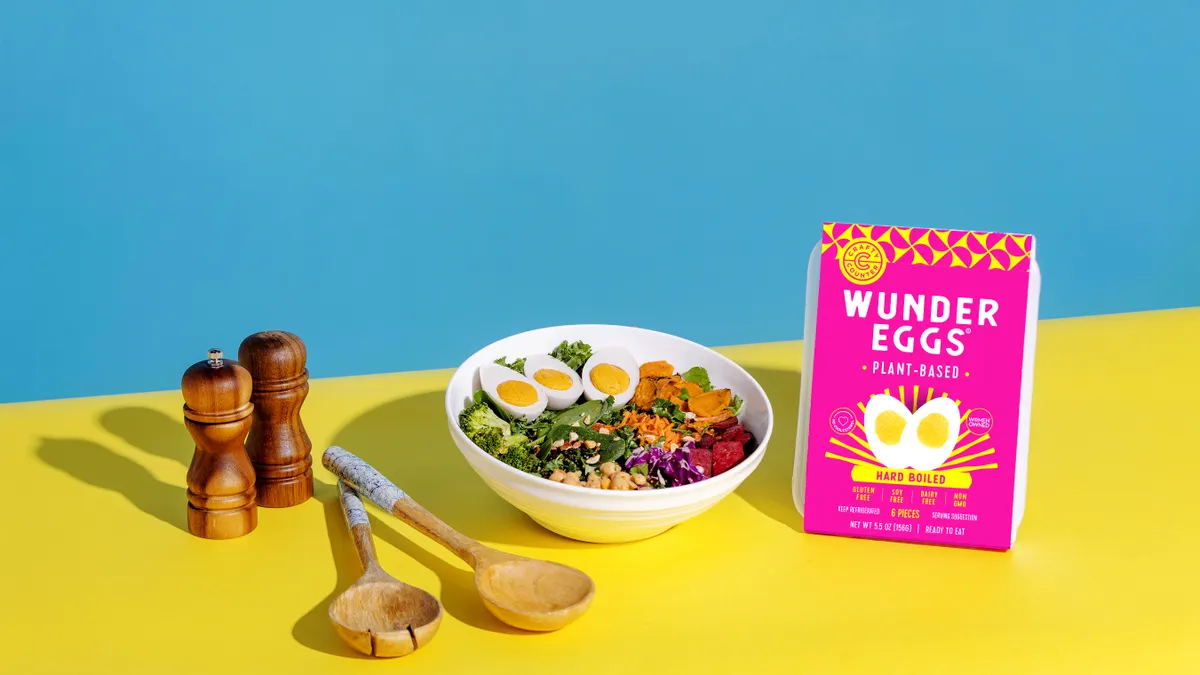
WunderEggs (USA) is an interesting company that makes plant-based hard-boiled eggs from nuts, yeast, rosemary extract, spices and black salt. This makes a good ‘egg salad’ for sandwiches.
Vegan Scotch Eggs!

Scotchiee’s are plant-based Scotch eggs! Created by the Willy Wonka of plant-based food, she returned to Worcestershire after the pandemic, and created this small business that sells online and wholesale to shops and pubs. These are handmade from sustainable ingredients, and have super reviews.
How to Make a Vegan Fried Egg!
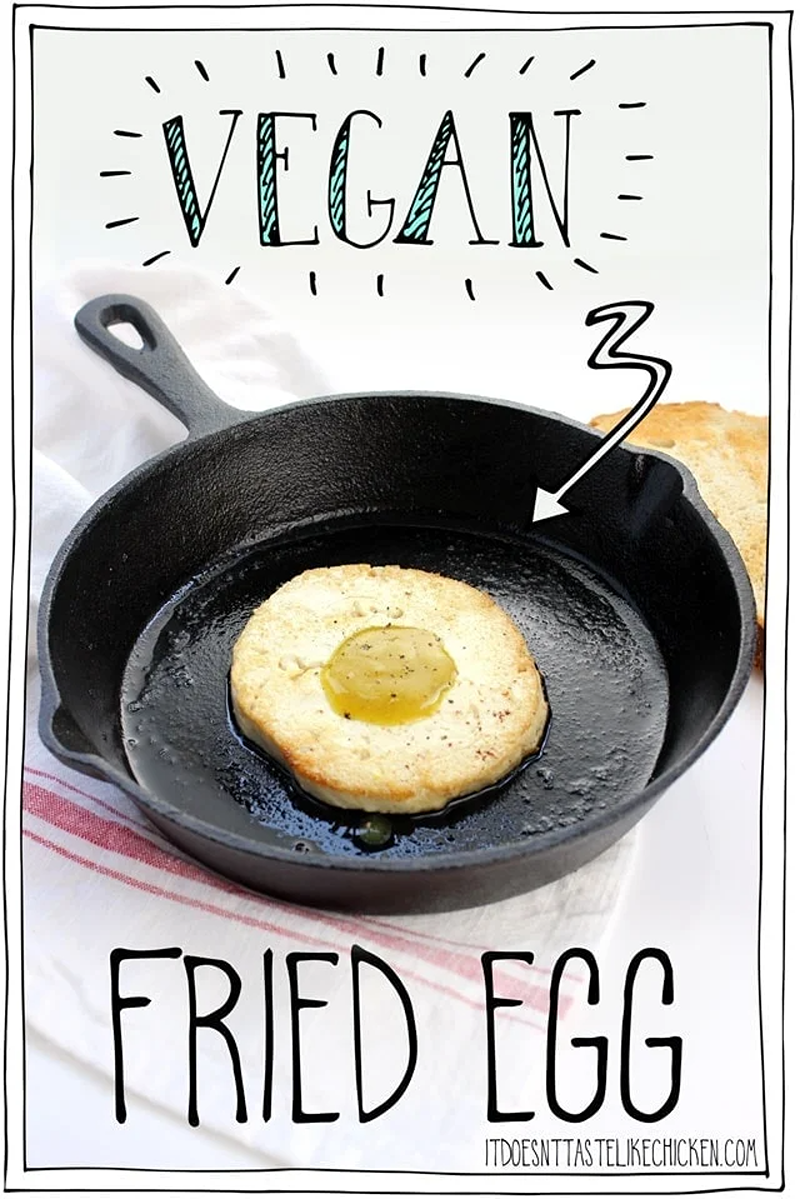
This vegan fried egg (It Doesn’t Taste Like Chicken) is served with Sam’s vegan egg yolk dipping sauce! Like most ‘plant-based egg’ recipes, this consists of nutritional yeast, black salt and pepper, and is a good beginner’s recipe to try out tofoo (organic and made in Yorkshire!)
Tofu has no taste, so absorbs whatever you marinate it in. Cookbook author Sarah Kramer says that saying you don’t like tofu, is like saying you don’t like cake flour!
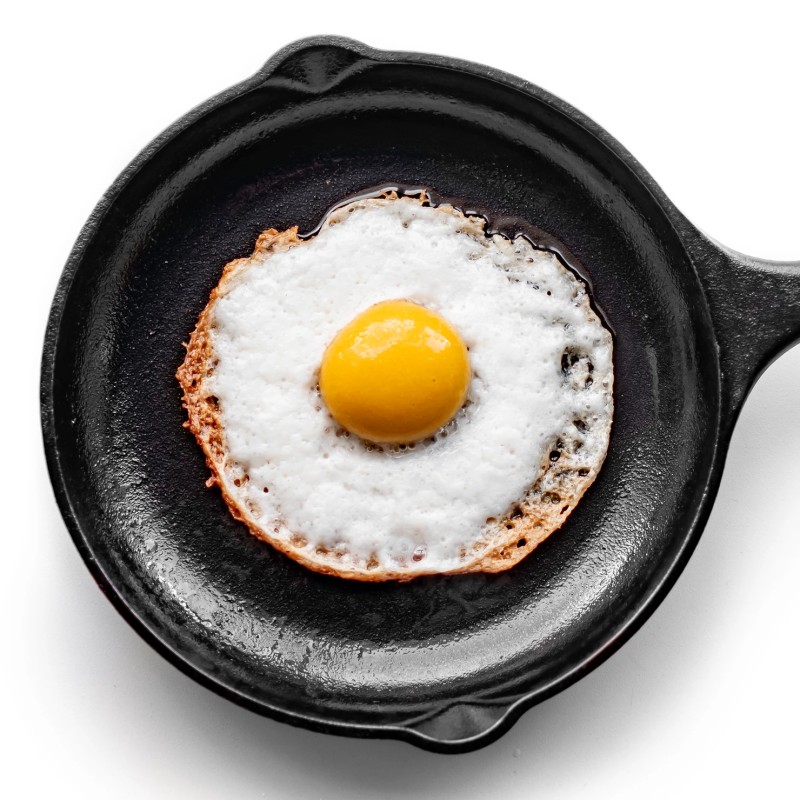
Or try this recipe from Thee Burger Dude (an American chef who specialises in creating plant-based versions of Big Macs, cheeseburgers and Filet-o-Fish! One of the mad scientists!
This recipe is great on its own with salt and pepper, served on toast or inside a veggie burger.