Plant-Based Alternatives to Cod and Tuna (avoid over-fishing)
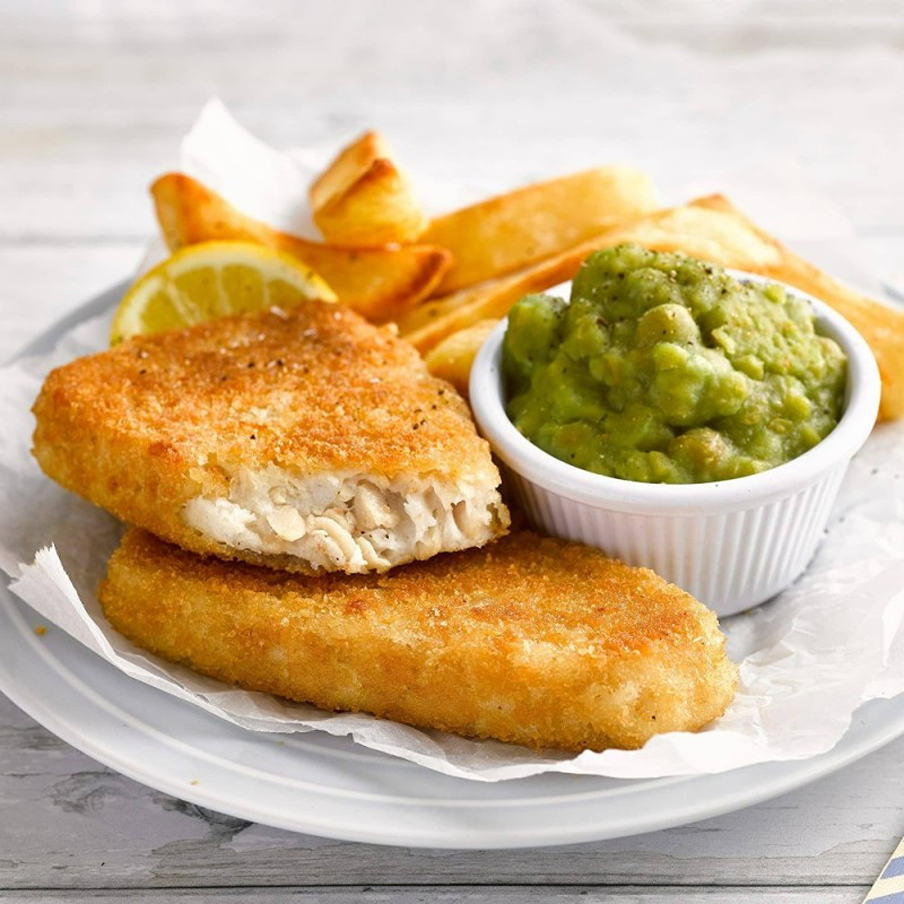
We’re not talking here about the lone fisherman who goes out to catch his lunch. But cod is now so over-fished on huge vessels, that it’s now an endangered species. 50% of fish stock(especially cod, haddock and plaice) in England’s waters are below safe biological limits.
Due to shortage of North Atlantic cod, some chip shops sell ‘rock salmon’ or ‘huss’ (which is dogfish – shark).
Alaskan pollock (the fish in McDonald’s filet-o-fish) is now also in danger. One expert says ‘if you don’t know what the fish in your meal is – it’s likely pollock). Over-fishing hurts wild stocks, and dolphins, turtles and harmless basking sharks end up as by-catch.
Moving Mountains is a food brand more known for its vegan burgers and mince. It was founded by a vegetarian entrepreneur who was told by his GP to give up dairy for his health. He got better and now his products are sold nationwide, and widely used in food service.
Serve with canned mushy peas, and it’s a meal fit for purpose! Always pop the lid inside opened cans before recycling (or pop ring-pulls back over the hole) to stop wildlife getting trapped.
For children and swallowing difficulties, cut fish fingers into small pieces and supervise, as they are choking hazards. Not real fish, so keep away from dogs and cats!
A choice that helps the ocean
Most of us don’t stand at the freezer aisle thinking about fishing boats. Yet our weekly shop connects to what happens at sea. When demand stays high, fleets work harder to meet it. That can put pressure on fish populations, affect other wildlife, and damage habitats.
Plant-based fish alternatives step around those issues because they don’t rely on catching wild fish. That doesn’t mean every product is perfect, or that one purchase “solves” anything. It does mean your dinner can reduce the need for more fishing, especially if you swap even a few meals a month.
If you like the idea of eating fish less often, plant-based alternatives let you do it without changing your favourite recipes.
Less pressure on fish stocks
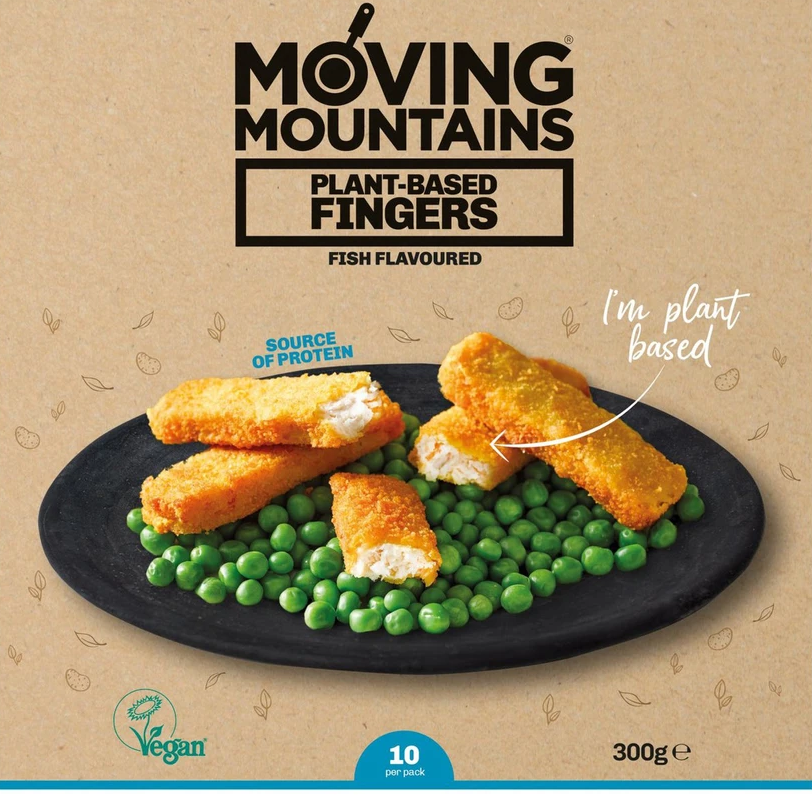
Tuna is one of those ingredients that turns up everywhere, from sandwiches to pasta bakes. Because it’s so widely eaten, fishing pressure can be intense. When more people buy tuna, more boats go out, and more fish get taken from the sea.
Even small changes matter here. If you switch one or two tuna meals a week to a plant-based tuna alternative, you lower your personal demand. Multiply that by households across the UK and it starts to add up.
Cod can also be affected, depending on where it’s caught and how the fishery is managed. Some fisheries are better run than others. However, when you choose a plant-based “cod-style” fillet now and then, you’re reducing pressure in a simple, no-drama way.
Fewer unwanted by-catch (dolphins, whales etc)
Bycatch means animals are caught by accident while fishing for something else. This can include fish that aren’t wanted, plus wildlife such as turtles, seabirds, or sharks.
Some tuna fishing methods have higher bycatch risks. Longlines, for example, use many baited hooks. Purse seine nets can also catch more than the target species, depending on how they’re used. On the cod side, certain methods can disturb the seabed, which is home to plants and animals that support the wider food chain.
Plant-based cod and tuna alternatives avoid these fishing impacts entirely. There’s no net, no hook, and no “unwanted catch”. For many people, that’s the point. You still get a familiar meal, but you step away from the collateral damage that can come with it.
Less salt, fat and mercury
Food choices can feel noisy, so it helps to focus on what you can control. With plant-based fish alternatives, you can check the ingredient list, compare nutrition labels, and pick options that suit your household.
It’s also worth being honest: plant-based doesn’t automatically mean healthy. Some products are high in salt, or use a lot of coconut oil. Others are lighter and built around pulses or proteins. The pack tells you which is which.
Mercury is a metal that can build up in the sea and in fish over time. Bigger, longer-living fish can end up with more of it, which is one reason tuna often comes up in advice about limiting certain fish for children, or during pregnancy.
You still get protein and omega 3 fatty acids
Plant-based fish alternatives often use pea protein, soya, wheat, beans, or mycoprotein. Many give a solid protein hit, especially when you pair them with filling sides like potatoes, wholegrains, or beans.
Omega-3s are another common concern. Fish don’t magically make omega-3s, they get them from algae through the food chain. Some plant-based products add algal oil for this reason. If yours doesn’t, you can add omega-3-rich foods or supplements to the meal you’re already making.
- Stir ground flaxseed into a tuna-style mayo mix.
- Sprinkle walnuts over a salad bowl.
- Use rapeseed oil in dressings and marinades.
A Simple Recipe for ‘Chickpea Tuna!’
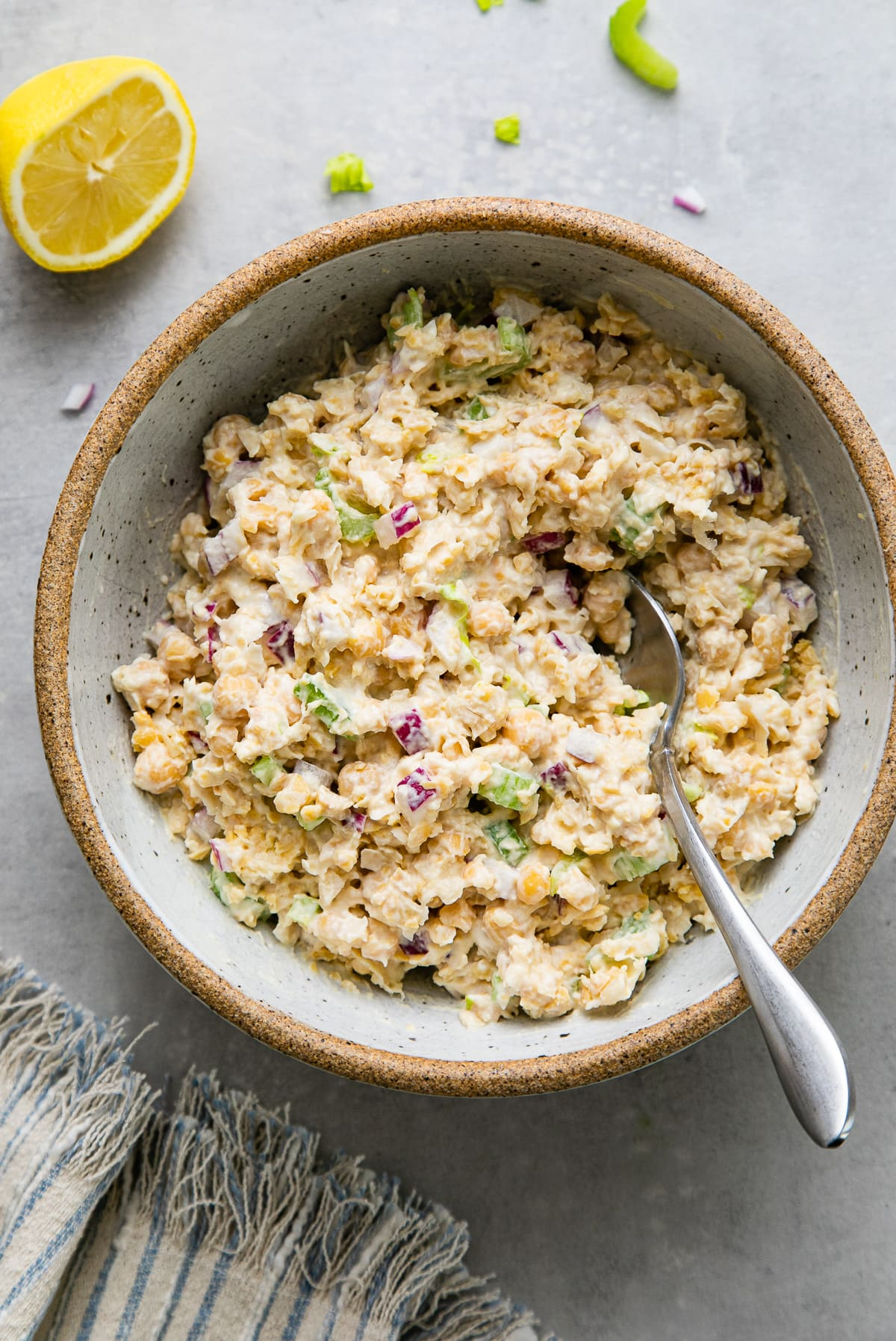
This recipe for chickpea tuna (The Simple Veganista) is very simple to make. Chickpeas are high in protein and calcium, and when mixed with chopped celery and vegan mayo (with salt/pepper) make a nice alternative.
Why Switch to Vegan Tuna?
Tuna (huge fish) are are of those that often are caught using by-catch methods like purse seine nets and longlines, catching other marine creatures like dolphins (who often swim alongside yellow fin tuna in the sea). Bluefin tuna is endangered, used to make Asian sushi.
Here’s a super-simple recipe from a now out-of-date book called Four-Ingredient Vegan. It kind of tastes like tuna (especially if you add a little kelp powder). It’s not 100% the same, but makes a nice filling for baked potatoes or sandwiches:
- Mash a can of drained chickpeas (full of protein and calcium).
- Add a chopped stick of celery
- Add add optional pinch of kelp (makes things taste ‘fishy’)
- Mix in few tablespoons of vegan mayo.
- Season to taste with salt and pepper.
Where to Buy Vegan Tinned Tuna
If you don’t want to make your own, there are plenty of plant-based tunas on sale in stores like Vivera and Good Catch.
You can also buy ‘tins of vegan tuna’. Some are better than others (John West even do them, but they are all curry-based). If you prefer something more traditional, Plant Pioneers No Tuna Flakes (Sainsbury’s) are good, coated in vegan mayo and ideal for sandwiches or jacket potatoes.
A vegan fish and chippy in Brighton!

The No Catch Co (Brighton) is England’s first vegan fish and chip shop! Set up by animal welfare campaigners, it was designed to offer an alternative to fish caught in nets (that catch other species), and help reduce fishing for cod (now endangered), sold in zero waste packaging.
Most items are made from algae-based protein (2.3 trillion fish are killed each year for food). The fishing industry also catches dolphins, seals, whales, sea turtles and sharks – and causes immense suffering and greenhouse gas emissions.
Diners are blown away by wonderful alternatives::
- Vegan Cod or Smoked Haddock & Chips
- Jumbo Battered Saveloy & Chips
- Jumbo Lemom Shrimp
- Calamari Sides & Chips
- No-Cow Desserts!
Chips are no longer wrapped in newspaper, due to food regulations. And if you visiting a normal fish and chip shop, it’s not good to buy ‘fish leftovers for cats’, as most are too fatty, and have hidden bones.