Discover Plant-Based Alternatives to Tuna!
Tuna has long been a lunchbox staple and a go-to for quick meals. But huge fishing quotas and industry is causing concerns like over-fishing, mercury build-up and by-catch of other creatures like dolphins. We’re not talking about a lone fisherman, but about ‘cities on ships’ that are destroying the seas.
So it pays to look at plant-based alternatives, to help reduce the over-fishing and ghost fishing waste crisis.
Avoid seafood for thyroid issues. Read our post on food safety for people and pets.
Dolphins (that swim alongside yellow fin tuna) are at at risk from tuna fishing. Bluefin tuna is endangered, as it’s used to make Asian sushi).
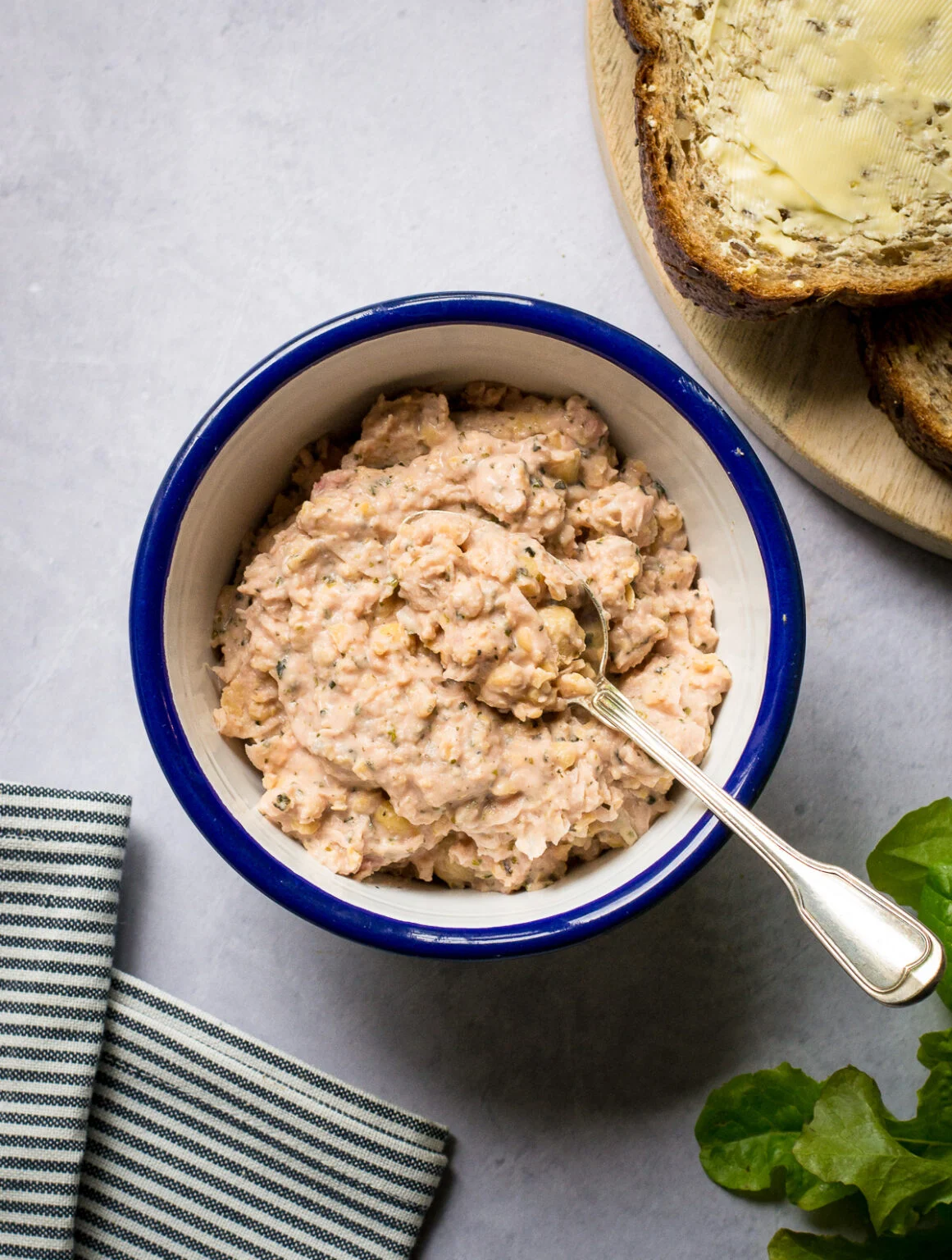
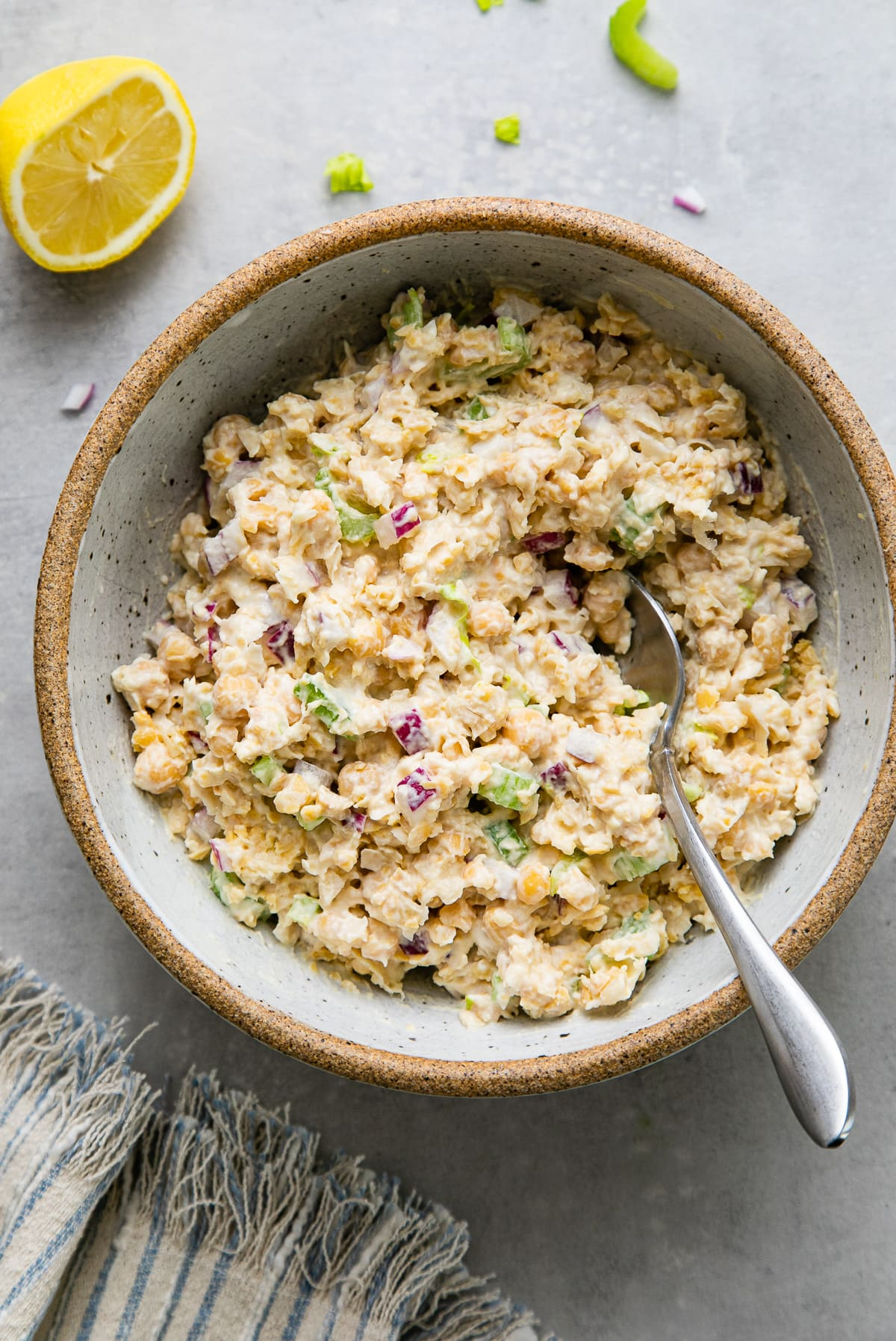
A Homemade Chickpea ‘Tuna’ Recipe
This recipe for chickpea tuna
Overfishing: Tuna at Risk
Fishing boats scoop up huge numbers of tuna every year. Wild tuna populations can’t keep up. Overfishing happens when more tuna are caught than can reproduce, and it endangers the future of beloved species like bluefin tuna. Some breeds are now threatened or endangered due to high demand.
- Pacific bluefin and Atlantic bluefin are both considered at risk.
- Skipjack, bigeye, and yellowfin tuna are also being caught at unsustainable rates.
- The loss of tuna disrupts food chains and weakens the entire marine ecosystem.
By-Catch: More Than Just Tuna
Tuna fishing isn’t as targeted as it sounds. Gear like purse seine nets and longlines often trap much more than just tuna. Dolphin by-catch is a well-known problem—many dolphins swim with tuna, so they get swept up in the same nets.
Why does by-catch matter?
- Dolphins, sharks, turtles, and even seabirds end up caught, injured, or killed in the process.
- Some tuna sold as “dolphin safe” still carries some risk, especially when standards aren’t well enforced.
- These losses pile up and threaten even more sea life.
- Purse Seine nets to catch skipjack tuna often catch dolphins, sharks and turtles.
- Longline fishing to catch yellowfin tuna often catch sharks, turtles and seabirds.
Harm to Marine Ecosystems
Catching tuna changes more than just tuna populations. Removing big fish causes a ripple effect. Predators like tuna help keep smaller fish and plankton in check. Their loss may lead to sudden spikes in smaller creatures, throwing marine balance off-kilter.
What happens when tuna populations shrink?
- The health of coral reefs and open water systems may drop.
- Unstable food chains can trigger fish population crash.
- Smaller fish sometimes become over-plentiful, which can stress plant life and other animals.
Mercury and Health Risks
Tuna are apex predators. Their diets include lots of smaller fish, which means they build up mercury in their bodies over time. Eating too much tuna can expose people to high levels of mercury.
Mercury in tuna can cause:
- Nerve damage
- Memory and learning problems in children
- Developmental delays in unborn babies
Pregnant women and young children are most at risk, leading to strict seafood warnings in many places. While an occasional tuna sandwich may not cause harm, eating a lot can quietly add up to dangerous levels.
Other Food Safety Concerns
Canned tuna is convenient, but it comes with some risks beyond mercury. Rare but serious, botulism can occur when tuna is improperly canned or stored. Botulism poisoning is life-threatening and requires urgent medical help.
Other food safety concerns include:
- Poor handling practices, which can lead to spoilage or contamination.
- Undeclared allergens in processing plants.
While major outbreaks are rare, they’re a reminder that safe handling and cleanliness are always critical.
What Are Plant-Based Tuna Alternatives?

Plant-based tuna alternatives are products made to look, taste, and feel like real tuna, but they use plants instead of fish. These options are built on ingredients like legumes, soy, chickpeas, jackfruit, and sometimes seaweed for a savoury, ocean-like flavour.
Plant-based tuna usually contains:
- Legumes or pulses (like chickpeas or beans) for a flaky, firm bite.
- Soy products (such as tofu or textured soy protein) for a smooth, mild base.
- Tempeh to mimic the “shredded” texture of tinned tuna.
- Seaweed or other marine vegetables to add the briny, sea-like taste.
- Seasonings like lemon juice, vinegar, onions, garlic, and black pepper for the right tang.
Popular Commercial Plant-Based Tuna Brands
Walk down the vegan section of any big UK supermarket or browse online, and you’ll spot several plant-based tuna brands. Each offers a unique spin on the fish-free formula, using their own blend of ingredients for taste and texture. Here are a few standouts:
- Good Catch: One of the best-known brands, Good Catch uses a special mix of six legumes (soy, peas, chickpeas, lentils, fava beans, and navy beans). The texture is flaky and holds up well in both cold and hot dishes. Their flavour is mild, which suits tuna mayo sandwiches or pasta salads.
- Loma Linda (Tuno): Loma Linda makes Tuno, a soy-based product with added seaweed for an ocean flavour. Tuno comes in tins and pouches, perfect for those who want an easy swap. The texture is a bit softer than tinned tuna, but it mixes well in classic tuna dishes.
- Vivera Plant Tuna: This brand uses soy and wheat protein for a chewier, meatier mouthfeel. It comes ready-flavoured, with a stronger, savoury taste that some say is closer to traditional tuna.
- Plant Pioneers No Tuna Flakes (Sainsbury’s): This is a store-brand option found at Sainsbury’s. Made with soy and fava beans, it is sold ready to use in sandwiches or jacket potatoes.
A Simple Homemade ‘Tuna’ Recipe
Here’s a super-simple recipe from a now out-of-date book called Four-Ingredient Vegan. It kind of tastes like tuna (especially if you add a little kelp powder). It’s not 100% the same, but makes a nice filling for baked potatoes or sandwiches.
And it’s so simple and cheap, anyone can make it!
- Just mash a can of drained chickpeas (full of protein and calcium).
- Then add a chopped stick of celery (this is salty, and kind of makes things taste of the sea).
- Then add optional pinch of kelp (makes things taste ‘fishy’)
- Then mix in a few tablespoons of vegan mayo.
- Season to taste with salt and pepper.