Simple Ideas to Protect Wild Natural Spaces
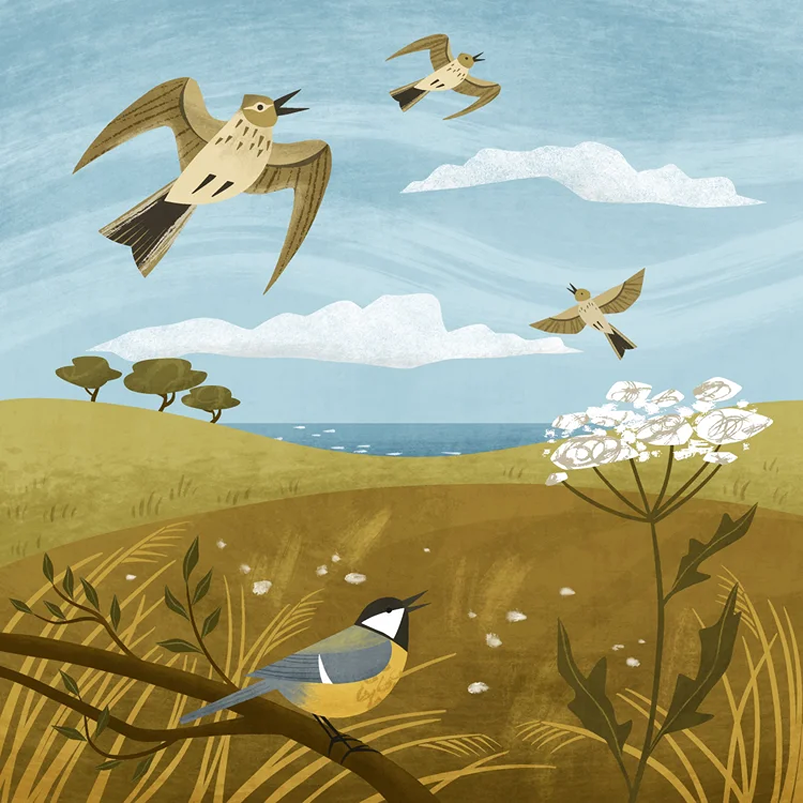
Natural World Fund is one of our favourite organisations! Created and run by passionate volunteers, it’s like crowdfunding on behalf of dormice and owls!
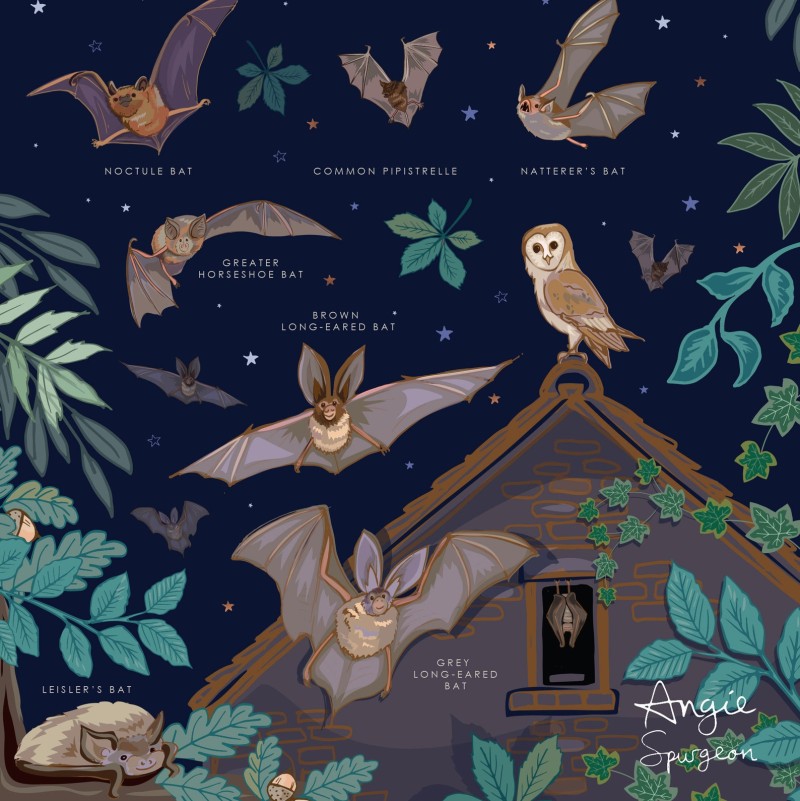
Basically, people pool donations to buy up land, which is then ‘saved for nature’ and provides habitats for native bird and wildlife. Including endangered species like bats and toads (both at great risk from new planning rules going through parliament, to create ‘economic growth’).
What a great idea! Once the land is ‘owned’ by conservation volunteers, the people that would chop down the trees and destroy wildlife habitats can’t touch it, as they would be trespassing on private land.
80% or more of donations go direct to projects, with the rest assisting day-to-day administration, which is needed to run crowdfunding campaigns etc. Examples of present and complete projects are:
Restoring unproductive farmland in Cumbria (habitat corridors, woodland creation and hedges for native species – like hedgehogs – their natural habitat, hence their name!)
A 70-acre plot in Yorkshire (with degraded soil and few trees, hedges or wildflowers) due to intensive farming has plans to restore a natural woodland and wetland paradise, with quality soil. Derelict buildings could be restored to educate, powered by water energy.
Goit Stock Wood (also in Yorkshire) lies in rolling countryside by a popular waterfall. The plan is to buy ancient woodlands, and install sustainable flood management techniques like leaky dams and natural overspill areas.
A 4-acre site (a former reservoir in York) is overgrown with trees, shrubs and grassland, yet still an important site for local nature. Natural World Fund wants to secure its protection from development, to help local foxes, hedgehogs, tawny owls, woodpeckers, waxwings, sparrowhawks and voles.
England is losing its native species, due to loss of habitat (forests, wetlands, meadows etc). Even 50% of gardens in England are now paved over.
Once the land is bought, Natural World Fund works with farmers to find ways of managing land that help wildlife and people. Planting trees in fields, leaving wild margins and using fewer chemicals can all help. This approach means farms stay productive, while still helping birds and wildlife.
Byline Times reports that Reform UK policy is to ban rewilding on land that could be used for farming. The idea being to ‘help our farmers’. But the party does not know how nature works.
What is needed is to prevent monocultures that degrade land (so no good food can grow without harmful pesticides and fertilisers). And to pay farmers for natural flood management solutions, and restoring habitats for endangered species like water voles. This would help food security, farmers and native wildlife.
How to Help Natural World Fund
You can of course donate (one-off or on subscription). If you prefer to donate anonymously, just set up an account at Charities Aid Foundation (tick the Gift Aid box if you pay tax).
If you run a business, you can donate £2.50 per worker or £12.50 minimum to use Natural World Fund’s logo on your literature and website, to show your support (you also get a mention in the newsletter).
This is such a fantastic idea, do get in touch if there is anyway to help!
Renaturing (small ways to wild the world)

Renaturing is a lovely and unique book. We’ve all heard of rewilding, a good idea whether you own an estate or fund organisations to buy up land to provide natural habitats for birds and wildlife.
But this book focuses on a smaller scale, basically rewilding on your doorstep, starting in your garden! With a little bit of knowledge and care, you can rewild your outdoor space, to restore important habitats for all creatures, including insects and pollinators.
Also read about Patch of the Planet’s 10-Step Nature Gardening Course.
Use no-dig gardening (and avoid netting) to help wildlife (and ensure ponds have sloping sides). Also read our post on pet-friendly gardens. And learn how to stop birds flying into windows.
This is the story of a man who 20 years ago, moved from London to the countryside. Behind his farm labourer’s cottage with a small field, wit ha ‘for sale’ sign. Previously a place for family picnics and cricket matches, he knew that this 2-acre patch of land help great potential for nature to flourish.
So James decided to ‘rewild the field’. He built a wildlife-friendly pond, planted new meadows and created safe havens for wild birds and insects (and encouraged pollinators and wildlife, by encouraging flowers and plants). And soon what was once a grassy space, was again buzzing with life!
The author’s argument is that ‘rewilding’ can only really be done on a grand scale, if you own a country estate or on a government level. Renaturing is something smaller. It’s not mowing your lawn in May, planting a few pretty flowers for pollinators, not using chemicals to grow food and flowers. All of this is protecting nature, in a country that has now paved 50% of its gardens over.
James Canton is Director of Wild Writing at University of Essex. He also writes on oak trees, sacred spaces and rural landscapes in England.