Quicksand and sinking mud (and how to stay safe)
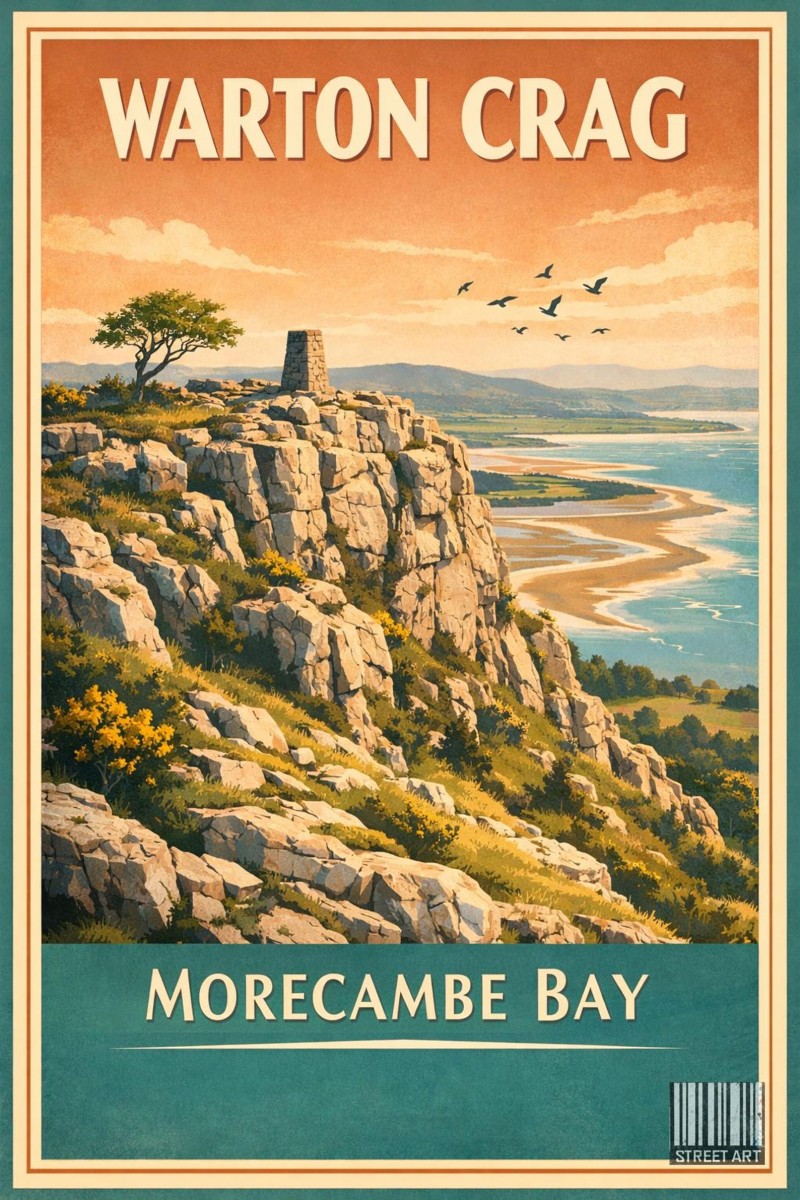
Morecambe Bay and many other beautiful areas in England are a bit deceptive, as they hide dangerous quicksands, which is why you should always follow the warning signs, and keep away from dangerous tides. It was here that the Chinese cockle pickers were swept to their deaths a few years back.
Quicksand and sinking mud are different, but both can be dangerous:
- Quicksand is a mix of sand, water and clay. It looks solid, but water loosens the sand into a soup-like slush, that can’t support weight.
- Sinking mud often covers salt flats or tidal zones and contains more clay or silt. It bubbles up around footwear, and can turn firm ground soggy.
Always keep to main paths near sand dunes (keep dogs away from nesting birds and seals – this also helps to avoid pirri pirri burr attaching to skin, fur, clothes or shoelaces). Keep dogs away from coastal flowers, as many are toxic (some to humans too).
Read more on keeping dogs safe by the seaside. Check beach bans before travel.
Both occur in areas with lots of water
Quicksand and sinking mud appear in areas with lots of water movement (estuaries, tidal rivers and salt marshes) as well as some coastal areas in England. Some major quicksand areas are:
- Morecambe Bay (Cumbria/Lancashire) is notorious for unpredictable sands, which can flood at high speed.
- Weston-super-Mare has the second highest tidal range in the world, with a wide sandy beach that looks over to Wales.
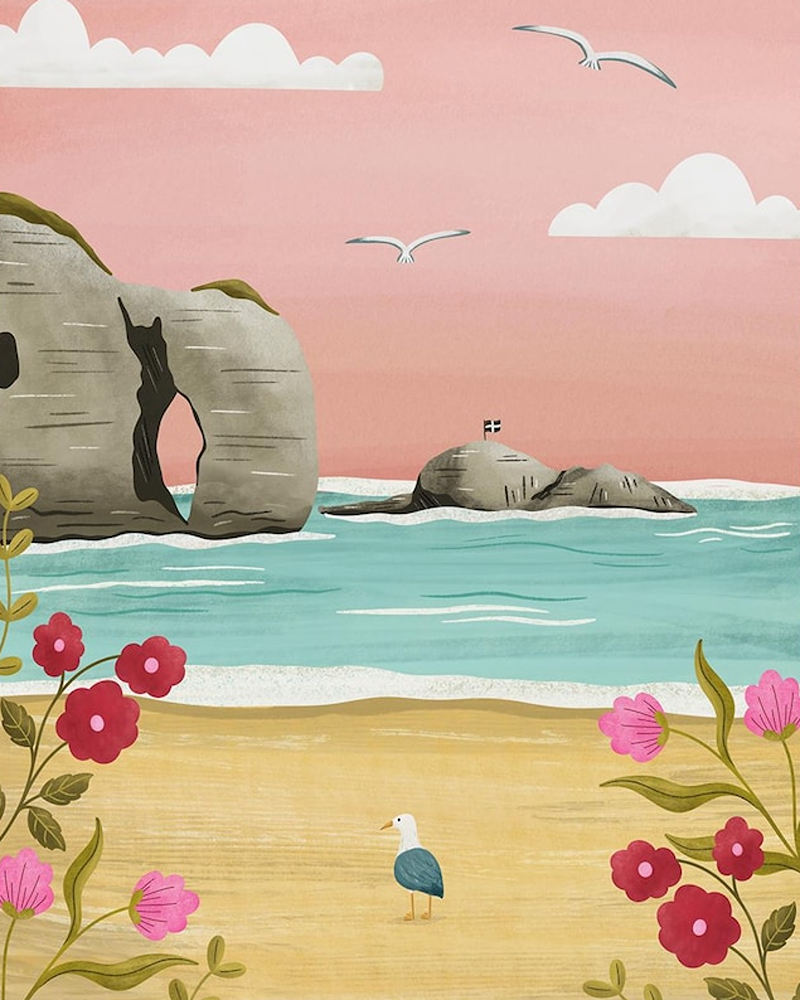
- Horsey Island (a Nature Reserve) and Asparagus Island (Cornwall) have quicksand. Hidden creeks and tidal flats can catch out the unprepared. Locals often report seeing shoes, car tyres, and abandoned dog leads, hinting at hairy escapes.
- The Broomway (Essex) is a tidal footpath from Wakering Stairs to Foulness Island. At high tide, the path disappears. Over 100 people have died when lost in fog and tide. It’s said to be almost inevitable to drown, if on the sands when the tide comes in.
How to avoid getting stuck in quicksand
- Stick to marked paths, and heed warning signs
- Don’t wander across tidal flats
- Pay attention to tide times
Quicksand looks watery or disturbed, and often appears as dark sand surrounded by slow-moving water, sometimes with ‘sucking sounds’. A stick or pole can test the ground ahead, but ideally don’t go near it.
What to do if you’re stuck in quicksand
Most quicksand is only waist-deep and floats things that are less dense than water (that includes us). So although scary, don’t panic as this could make things worse. You should in most cases be okay.
The few tragedies are more to do with high tides and rough weather, rather than quicksand itself.
- Stay calm, take slow breaths and focus on gentle movement.
- Sit or lean back to spread your weight, so you are horizontal. Slowly wiggle your legs to create space and free your feet. Lay a walking pole or bag across the surface to help balance.
- Shout or wave to attract attention, and use your phone if you can.
- Once free, dry off and warm up quickly. Remove tight shoes or jewellery if swelling occurs, and call for medical help if you feel cold or ill.
If your smartphone can’t say your location, you can buy a personal locator beacon. Keep phones in a waterproof pouch in isolated areas, ready to call 999 or 112 (coastguard) for help.
What if dogs are stuck in quicksand?
- Avoid pushing or pulling, this could make dogs sink further.
- Have a passer-by stay on stable ground, while you slowly crawl with a rope or branch to reach the dog.
- Have the passer-by pull slowly on the rope, to help the dog float. Use a branch to distribute the dog’s weight.
- Create space around the dog’s legs, wiggling them side to side. This helps water seep in, to loosen grip.
- Call for help (999 will alert the Coastguard, and trained professionals with specialist equipment to help.