Occasional Escape: Why Romance Fiction Is Good for the Soul
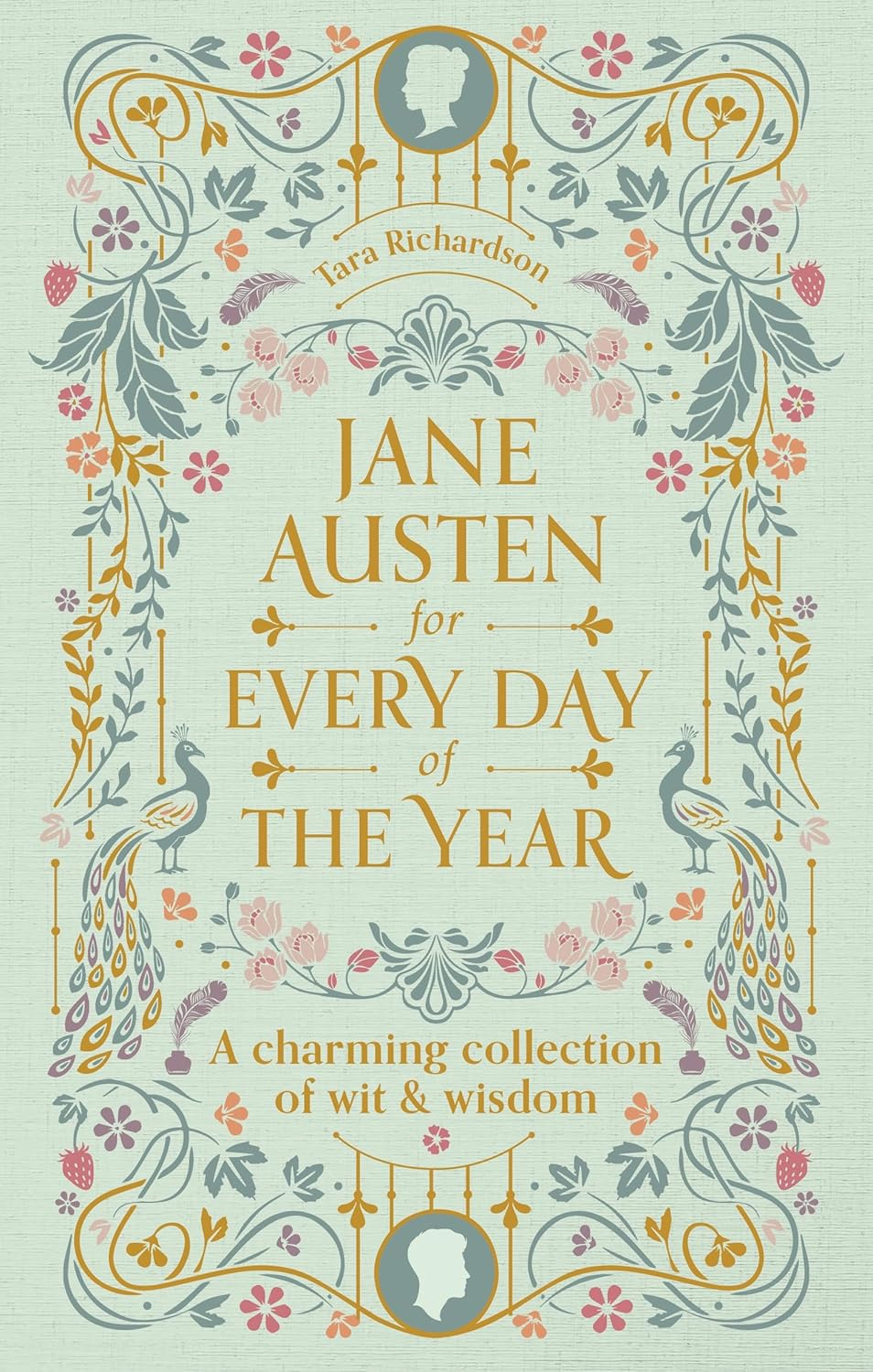
Jane Austen For Every Day of the Year is a charming collection of 366 quotes and short passages drawn from her novels, with experts of her witty letters scattered throughout. Perfect for reading or sharing, this book brings you passages from Jane’s best-known classics, alongside lesser-known works. The perfect companion to inspire and spark delightful conversation – a gift to treasure all year long.
Known your own happiness. You want nothing but patience – or give it a more fascinating name. Call it hope. Sense and Sensibility
It is a truth universally acknowledged. That a single man in possession of a good fortune, must be in want of a wife. Pride and Prejudice
There is no charm equal, to tenderness of heart. Emma
Who was Jane Austen?
Jane Austen was born (and is buried in) Hampshire, her humorous observations on middle-class England still make her one of our most read authors. She was born in Hampshire but spent much of her life in Bath, before dying (just 41, likely from Addison’s disease) in Winchester.
Despite one proposal of marriage which would have seen her financially secure for life, she refused (some believe, because it would have be meant she had to give up writing):
Enjoy her six novels:
- Pride and Prejudice (Mrs Bennet is desperate to find rich husbands for her daughters, and Mr Darcy seems to have even more pride than money, and nobody likes him , including Elizabeth!)
- Emma (a clever and confident woman believes she can find the perfect husband for new friend Harriet, but realises she may not understand people as much as she thought).
- Northanger Abbey (Catherine wants to be like heroines from books, and on a trip away she gets her chance, when finding friendship at a spooky abbey).
- Mansfield Park (Fanny is sent to live with rich relatives, and not fitting in is grateful for the friendship of her cousin Edmund, but years later, the arrival of Henry and Mary upset their quiet lives).
- Sense and Sensibility (Elinor and Marianne have different ideas about love, one wants to be swept off her feet, the other’s feet are firmly on the ground). But when their father dies and they are forced to move, will then even be room for love?)
- Love and Friendship (Laura lives a fairy-tale life, until a stranger knocks on her cottage door. Then her adventures (and troubles) begin).
The Homes of Jane Austen (in Hampshire and Bath)
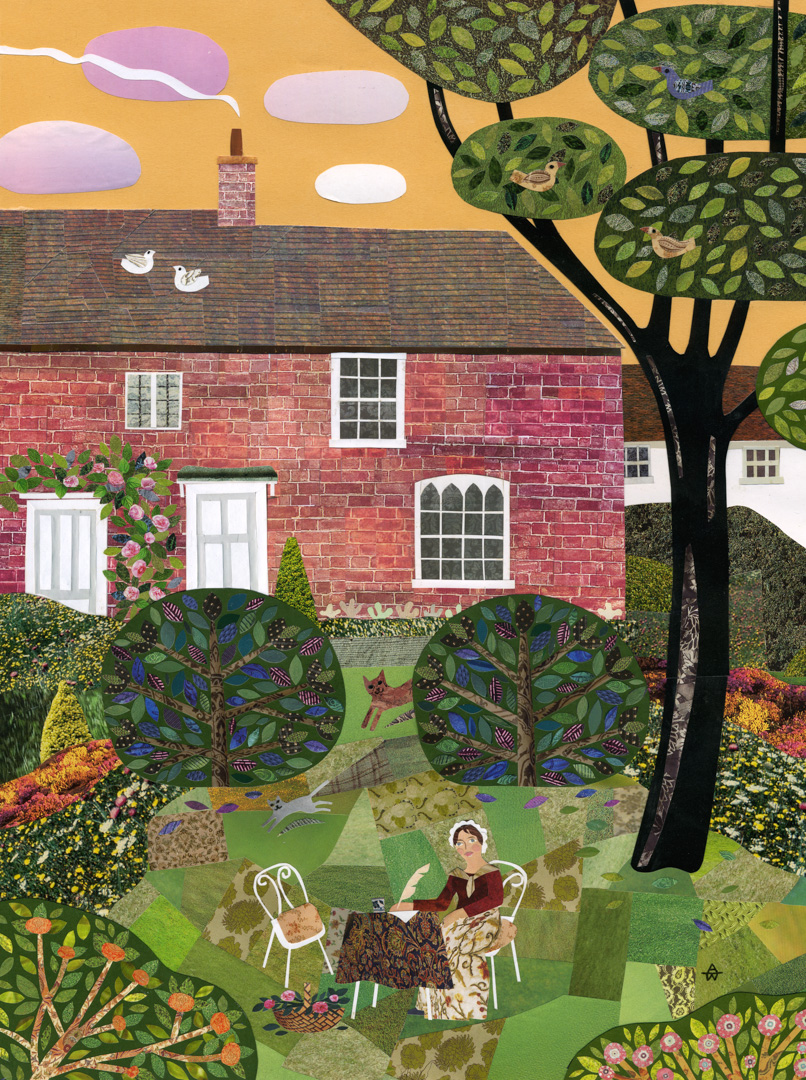
Chawton Cottage (above) is where Jane lived from 1809 to 1817, and write or revised most of her novels. Now a popular museum, the 17th century building was provided by her brother Edward, and where she spent her final and most productive years.
Edward Austen Knight was Jane’s third eldest brother, adopted by wealthy distant cousins, who inherited vast estates, letting him provide the cottage to Jane. He was very wealthy, earning around £15,000 a year (around £1.5 million today) from investments, and also served as the High Sheriff of Kent.
He and his wife Elizabeth Bridges had 11 children, and he never remarried after his wife’s sudden death (likely due to complications in her final childbirth). Known as ‘amiable and sweet-tempered’, she was good friends with Jane too.
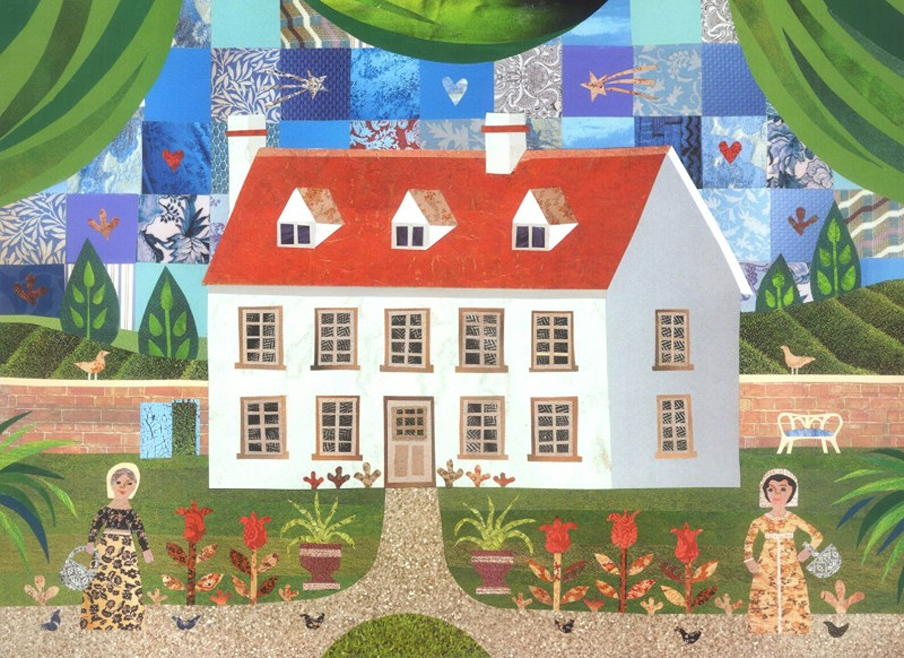
Above is Steventon, the quiet area in Hampshire where Jane was born. She returned to Hampshire near the end of her life, and is buried in Winchester Cathedral. Jane spent the first 25 years of her life here, and it was where she wrote the early drafts of Pride and Prejudice, Sense and Sensibility and Northanger Abbey.
The village rectory has since been demolished. Jane loved it here so much, that she apparently fainted when her parents decided to move to Bath in 1801, from the shock of leaving her beloved home. Her father was the rector for 40 years, the building long gone. Though St Nicholas Church (where she worshipped) remains.
Why reading romance fiction is good for the soul!
Read happy romance books by Ginny Carmichael (she also designs great blog themes!)
Reading romance fiction is a lovely escape from a world that right now if pretty scary and often downright nasty. It offers a nice escape while boosting your mood. Far better than endless self-absorbent self-help books, with a romantic read you have the almost universal promise of a happy ending!
A predictable optimism is a lovely way to end the day, and helps us get back to a society where romance was (usually) happy). Instead of people lying, cheating, ghosting, gossiping and everything that seems to go in modern society.
And importantly, good romantic fiction serves as a blueprint on what a healthy and supportive relationship should look like. Often people stay in relationships where they are not being treated well. But if they (even read) about ones where others are treated well, it ‘ups your standard’ on who to look for – and stay solo until you do. We all deserve understand, happiness, truthfulness and trust.
Mills & Boon novels (and Barbara Cartland)
If you think about romantic novels, you likely think of Mills and Boon, the publishing company that has churned out thousands of mushy novels in its time. Years ago people would laught at them. But today, people are finding a quiet comfort in losing themselves in a romantic novel, to get away from all today’s world nastiness.
The publishing company was founded back in 1908 in London, by Gerald Mills and Charles Boon, who wanted a way for people to escape (not just romance but there were also travel guides and children’s books) from the 1930s Great Depression. Today a Mills and Boon novels sells every 2 seconds worldwide.
Dame Barbara Cartland (grandmother of Princess Diana) was born in Edgbaston (near Birmingham). She wrote over 700 books and sold over one billion copies, in the same style as Mills and Boon. All of her novels finished with a marriage and single kiss!
Born into a comfortably well-off family, when finances turned down her paternal grandfather shot himself dead, and her father was killed in battle. So they soon lived in a much smaller home in London, which is when Barbara began writing to help pay bills.
After rejecting many marriage proposals, she married and their daughter Raine later married Princess Diana’s father. But not just pink dresses and heavy make-up, Barbara also helped design (with two RAF officers) the first aircraft-towed airmail delivery glider! She also campaigned for midwives, nursing home reforms and education rights for Romany children.