Safer roads for wildlife (and wildlife crossings)
England’s native wildlife often is killed on our roads. There are many reasons for this. One is a lack of walkable communities that results in more cars on the roads. But there are other reasons, from lack of knowledge on wildlife crossings and other inventions. To lack of natural habitats (like hedgehog highways) which results in wildlife finding their way into more urban areas.
Be a wildlife-friendly driver
If you drive, there are quite a few things you can to to help:
- Keep to speed limits, and be alert (especially at dawn and dusk when wildlife come out to feed).
- Use full beam at night (but dip lights in fog, rain or snow – otherwise bright lights could reflect back and startle wildlife).
- Keep your lights, brakes and windscreens in good condition.
- Never drop litter out of your car window, as this encourages wildlife onto the road. Then if a creature is killed, it encourages more wildlife to scavenge.
Keep a rescue kit in car boots (a cardboard box with punched air-holes, thick gloves and tassel-free towel). For injured wildlife, call local wildlife rescue (or vet) and the police for larger animals (they have marksmen who can shoot suffering animals, if RSPCA takes too long).
Birds of prey require specialist handling, due to strong beaks and sharp talons.
Use car trash bags
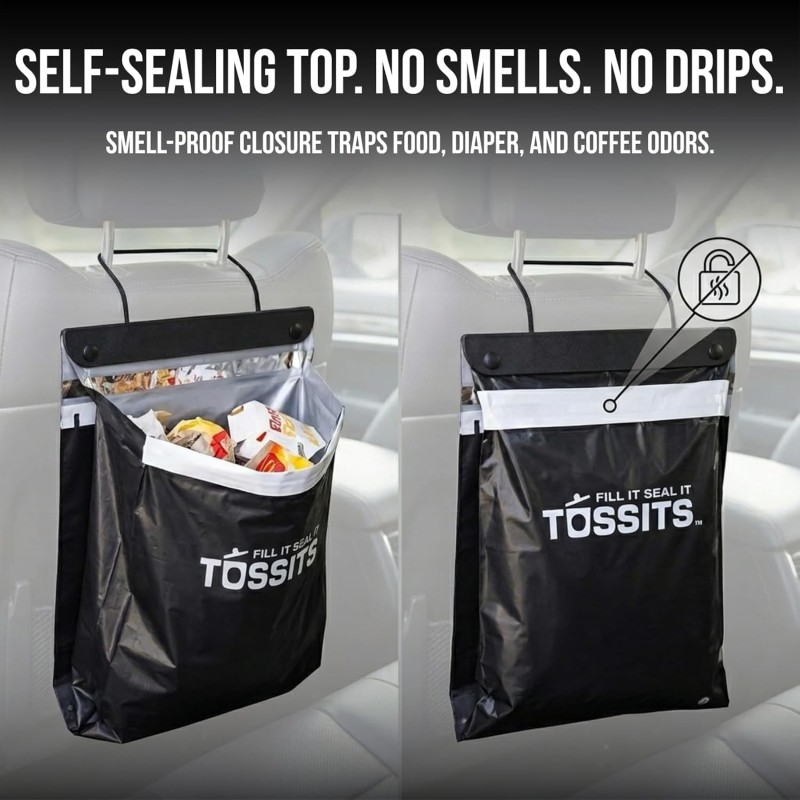
Tossits are a great brand of car trash bags, designed to keep anything smelly inside with no drips, when travelling in any vehicle. You can then just keep things safely packed away, until you find a proper bin.
Dropping litter from your car is one of the ways that wildlife are at risk. They come onto roads to eat food. And if they get killed, scavenging creatures also come onto roads to eat carrion.
Read how to be a wildlife-friendly driver. And if you smoke, don’t drop butts out the window, instead use a pocket ashtray (stop off rather than use a car ashtray that just circulates smoke in your vehicle.)
A farmer’s great idea to stop road litter
One farmer wants fast food receipts to include vehicle registrations. So if people throw packaging out the window, they get fined, just like for speeding.
How town planners can help wildlife
Wildlife reflectors fit along road verges and send headlights sideways into the undergrowth. These are ideal to place when tunnels or fences are not practical. They are cheap and quick to fit, and should be orange-hued (ask your council to get involved).
Make roads safe for badgers
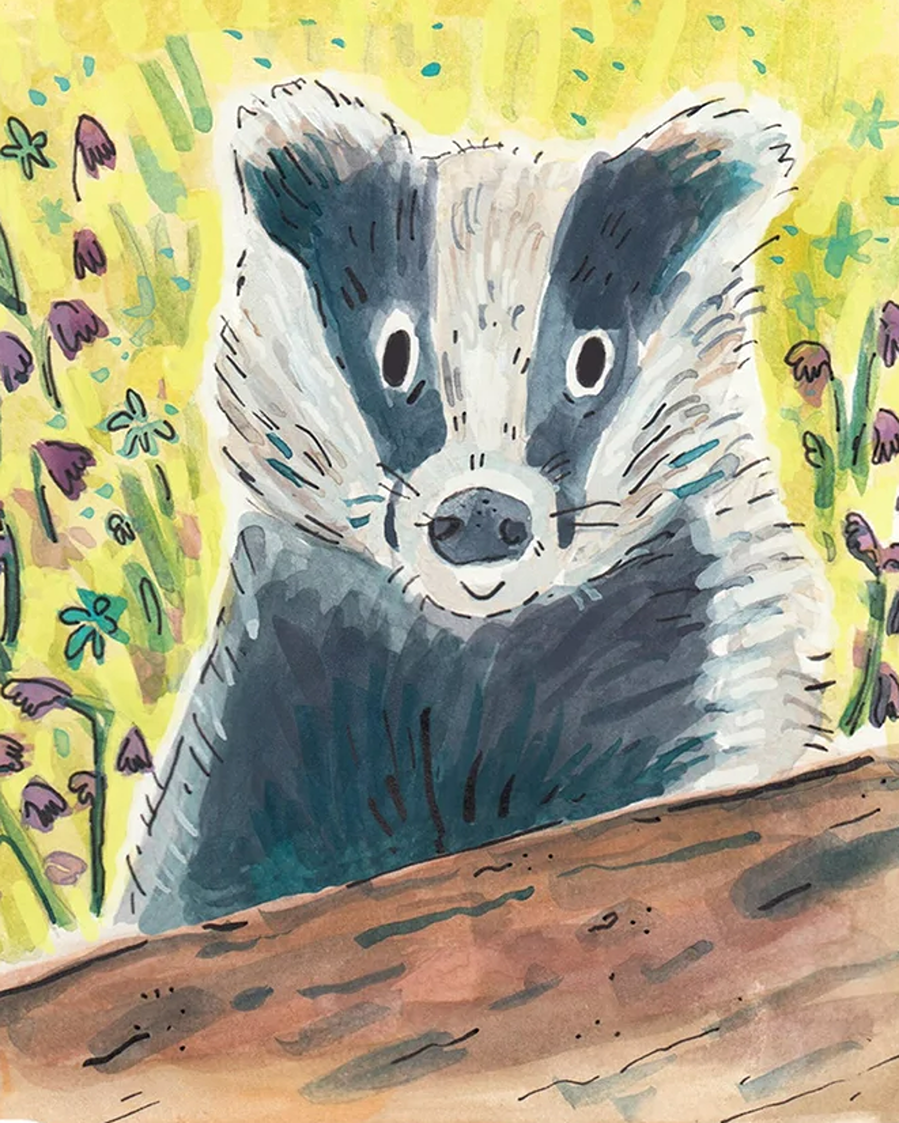
A fifth of badgers die in road accidents, as they travel at night between setts to find food or mates. Badger warning signs would help as would badger tunnels.
Reporting road casualties helps Badger Trust track accident. For injured badger, contact Badger Trust (local volunteers can help), it also runs an emergency fund to cover vet fees for local groups.
Make roads safe for hedgehogs
Nocturnal hedgehogs need hedges and gardens with hedgehog highways to move around safely. It not, they end up visiting roads. Report injured hedgehogs to British Hedgehog Preservation Society which again has local volunteers and experts to help.
Make roads safe for deer and wild boar
The UK has around 75,000 deer/car accidents (humans sometimes die too). Councils can help by not planting flowers in railings, where deer often get stuck (they eat flowers).
Report traffic accidents (also for wild boar) at Deer Aware, so they know hotspots to launch campaigns. Download free ‘Deer About’ posters. Deer are more likely to cross roads near woods, fields or water, especially at dawn and dusk. And travel in groups.
Don’t move injured deer yourself. Keep the area quiet and cover with a blanket until help arrives. Keep your body weight over it, as panicking deer are likely to run off, while injured and needing help.
Make roads safe for amphibians
Providing habitats for amphibians like wildlife-friendly ponds helps avoid them going near roads. You can also volunteer to be a toad patroller (taking them in buckets over busy roads, in breeding season).
All you need is some wellies and the ability to stay awake at night. It’s like being a Toad Lollipop Lady!
Make roads safe for swans and geese
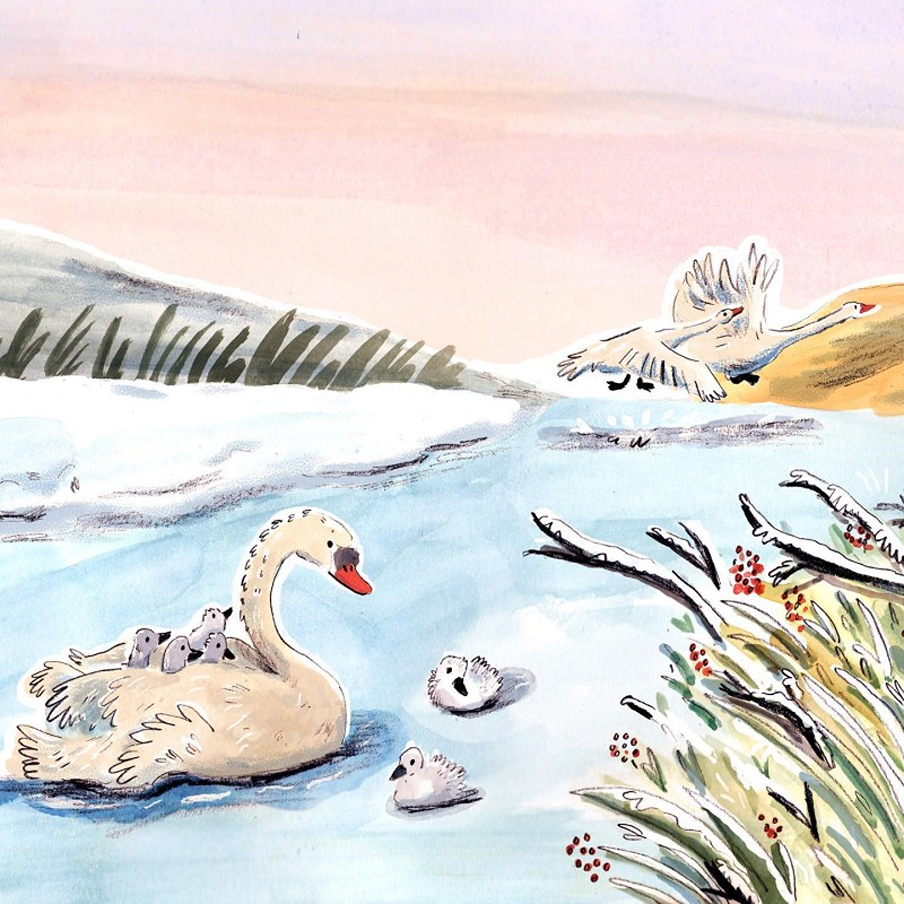
Big birds (like swans and geese) need a ‘good run’ to get off the ground, so sometimes end up on roundabouts. Bird diverters are places every 10 metres or so to make power lines and poles visible to birds.
They can also prevent collisions with collisions with communication towers (some aviation authorities use them, to prevent plane crashes).
Make roads safe for owls
To prevent the thousands of owls killed on roads each year, Barn Owl Trust says it’s best to do one of the following:
- Plant high hedges or lines of closely-spaced trees, next to road surface on both sides.
- Plant trees 3-4 metres back from the road edge, allow side branches to reach within 1 metre of the road service.
- Allow road verges to become covered in tall ‘scrub’.
- Don’t place nest boxes within 1km of major roads, have continuous screens on both sides.
Small wetlands attract insects, a top food source for birds and bats, so will drive them away from urban areas. Linking woodlands, ponds and hedges helps wildlife move from place to place, without encountering road traffic.
If building work is planned, work with wildlife experts to know when to delay tree cutting or ground clearance (until after breeding times). Using noise barriers and dust control can limit impact on nesting birds and foraging bats.
Bat Conservation Trust has tips for making roads safer for bats. They need wildlife-friendly lighting, to avoid light pollution.
Make roads safe for pheasants
Pheasants have no road sense, bred for the hunting industry. So if they escape from being shot, they end up injured or killed in roads. And eat (endangered sand lizards and baby adders, as the are overbred.
Like hedgehogs, pheasants will freeze if in danger, so many lose their lives on England’s roads. They are involved in 7% of all roadkill, and also cause serious injury or death to humans.
Again, thick hedges and native shrubs along roadsides will help birds not wander onto open tarmac, and give them safer retreats. Farmers can help by leaving field margins, uncut grass strips and wide verges near roads.
More wildlife crossings (like in Europe)
Wildlife crossings abound abroad, but in England we only have a few. ‘Road ecology’ involves creating tunnels and over-passes to help animals migrate and travel, without harm. And although expensive to build, the long-term cost is less than cleaning up roadkill.
ARC is the worldwide website of road ecology, detailing the issues and latest inventions to help.
Some good books to learn more on wildlife crossings:
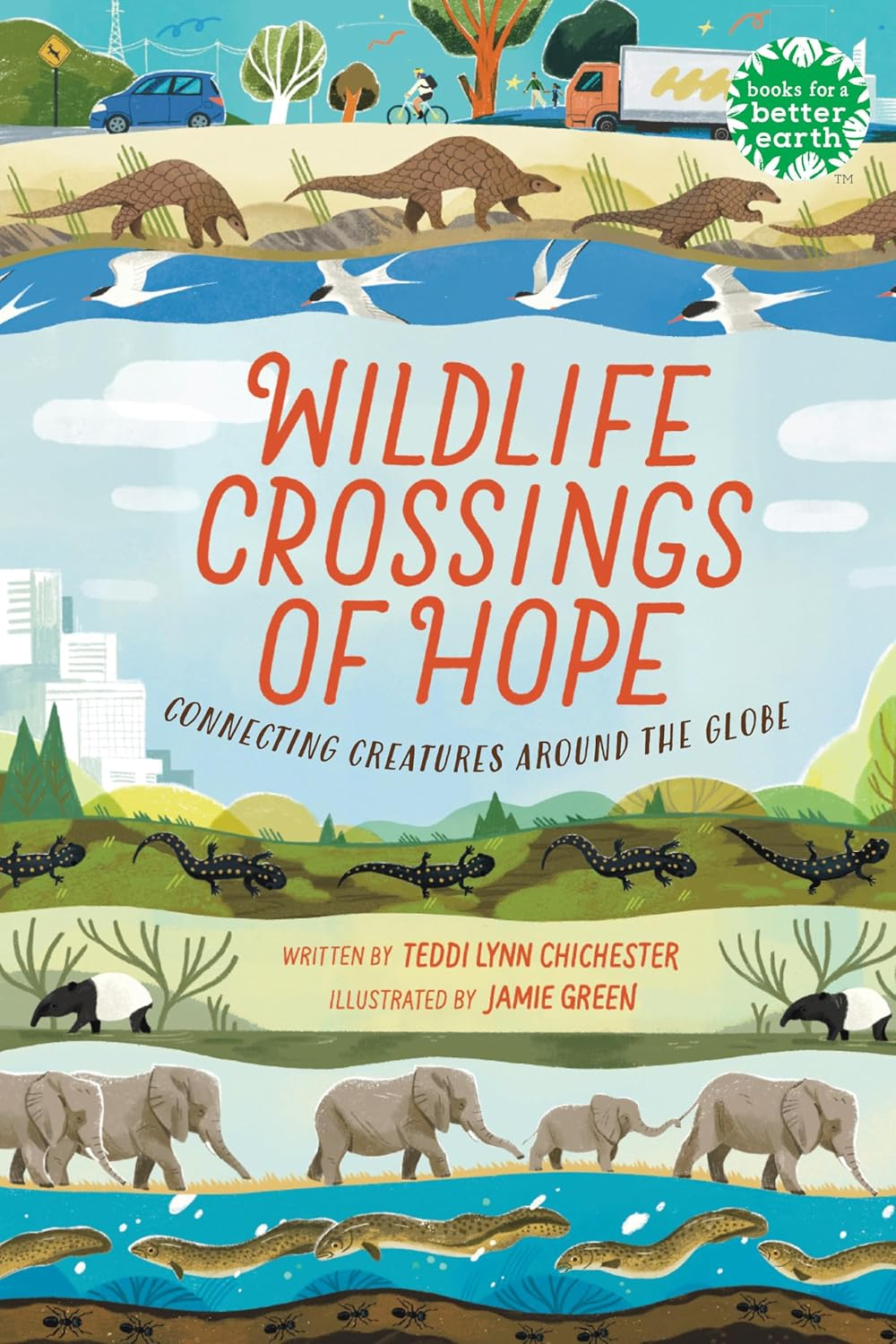
- Wildlife Crossings of Hope explains how wildlife crossings work and are used. This book focuses on ideas abroad, from the world’s largest wildlife bridge (near LA), canopy bridges for monkeys (India) and an elephant underpass (Kenya).
- Wildlife Crossings shows how elephant crossings are helping these gentle giants from being killed (for trampling crops), and also profiles cougar crossings (USA) and Canada’s Banff Wildlife Corridor (used by tiny insects to wolves, moose, elk and grizzly bears).
Creatures follow set routes. So it’s important to recruit experts (if local creatures migrate east to west and build a road that doesn’t take this into account, it’s going to cause issues.
Wallis Annenberg Wildlife Crossing (LA) is the world’s largest wildlife crossing , that will cross 10 lanes of motorway to help deer, black bears, coyotes, mountain lions and reptiles safely connect between the Santa Monica mountains and Simi Hills, to find food and mates.
Holland has hundreds of wildlife crossings, yet England only has a few. One in Cheshire has 9 habitats for great-crested newts, boxes for barn owls, a manmade sett for badgers and 21 ponds for amphibians & replacement bat roosts, 80 semi-mature trees and 60,000 saplings.
The irony is that one wildlife crossing (near Brackley, Northamptonshire) has been designed by HS2 high-speed rail project (which will kill around 22,000 wildlife per year once built, based on comparisons with similar trains abroad).