Secret Sands of Sussex: Golden Beaches on the South Coast
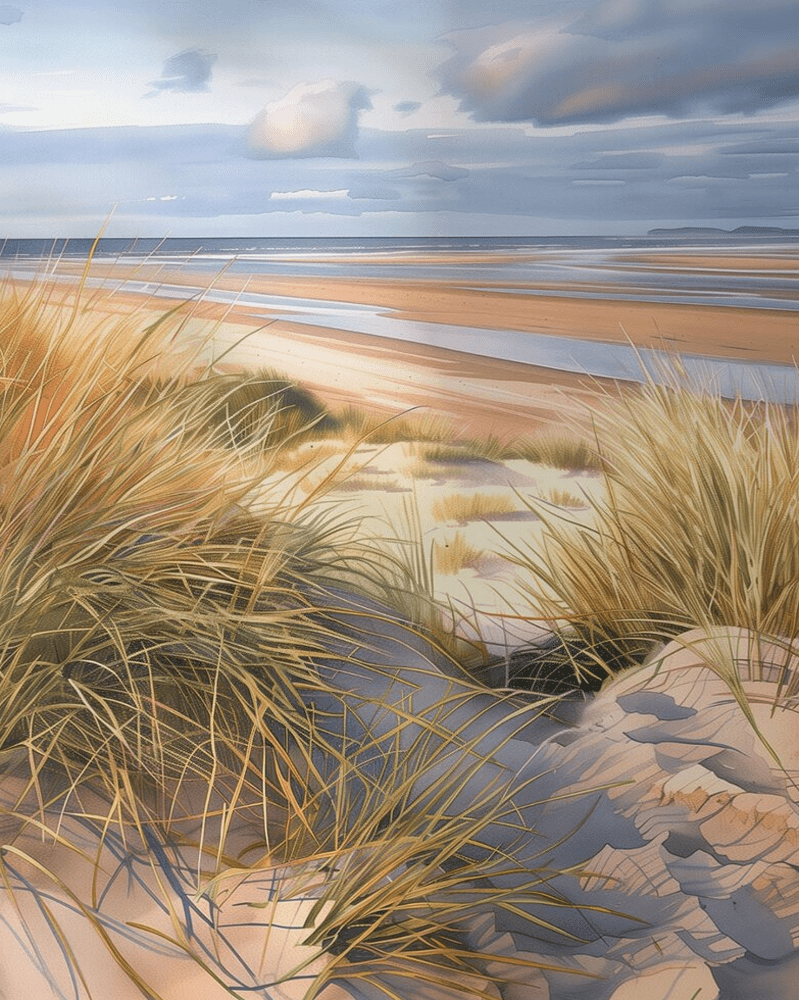
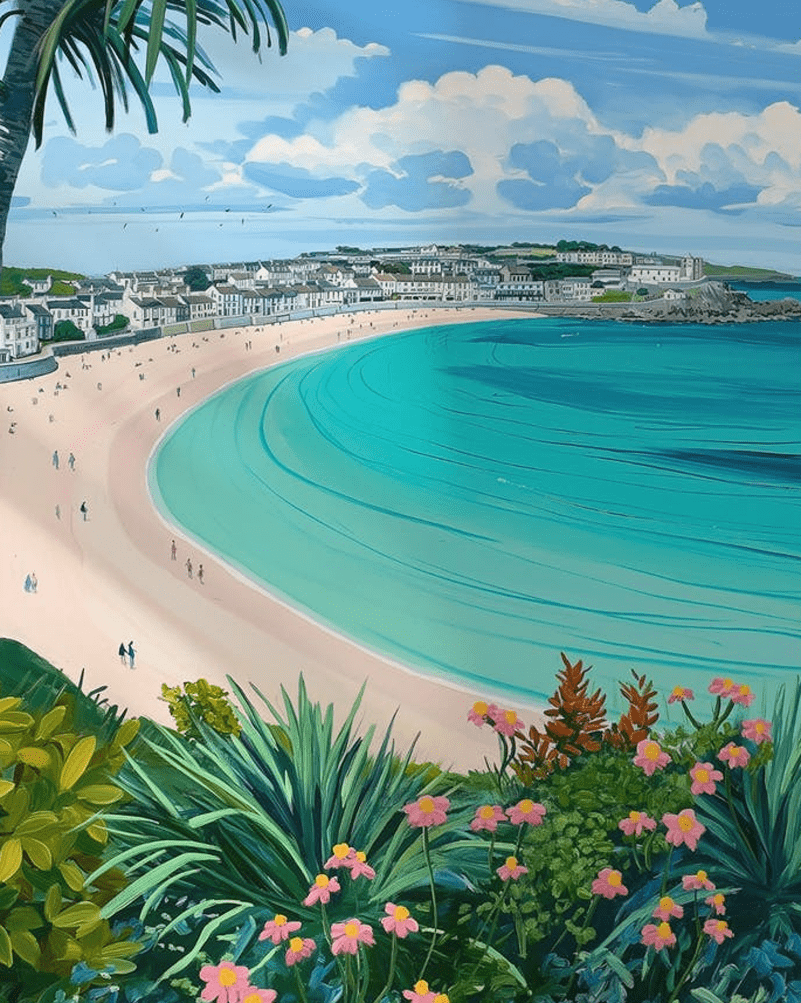
West Wittering is a short (bumpy) bus ride from Chichester, and nearby Selsey boasts the cleanest waters in England, with views over the English Channel.
It was home to TV astronomer Sir Patrick Moore. One boy who went to school here was actor Nicholas Lyndhurst (he’s quite posh, he ‘learned’ the Peckham accent to play Rodney Trotter).
Singer Michael Ball describes this place as ‘heaven on earth’, and one person who owned an estate here was Rolling Stones guitarist Keith Richards.
Out walking? Follow the Countryside Code to keep all creatures safe. Keep dogs away from steep banks, mushrooms (and other toxic plants/trees) and on leads during nesting season (and near barnyard friends and wild ponies).
At the coast, keep away from nesting birds and never walk on sand dunes. Learn how to keep dogs safe by the seaside (beach bans apply for part of the year, and disposable barbecues are banned).
The sandy beach has wooden groynes that are placed to prevent coastal erosion. This is also as the area is home to rare wildlife and unique geology.
You can not only see Chichester Harbour from West Wittering beach, but on a clear day, even as far as Hayling Island and the Isle of Wight (around 38 miles away)
There are also over 100 colourful beach huts, though you likely have to be pretty well-off to rent or buy one. We looked online and found a nice (but tiny) one for almost £100K. It had already sold.
Still, that’s cheap by the price of ‘proper homes’ in this area. On Right Move, the cheapest property is £350K right up to over £3.5 million.
Camber Sands (sand dunes and big skies)
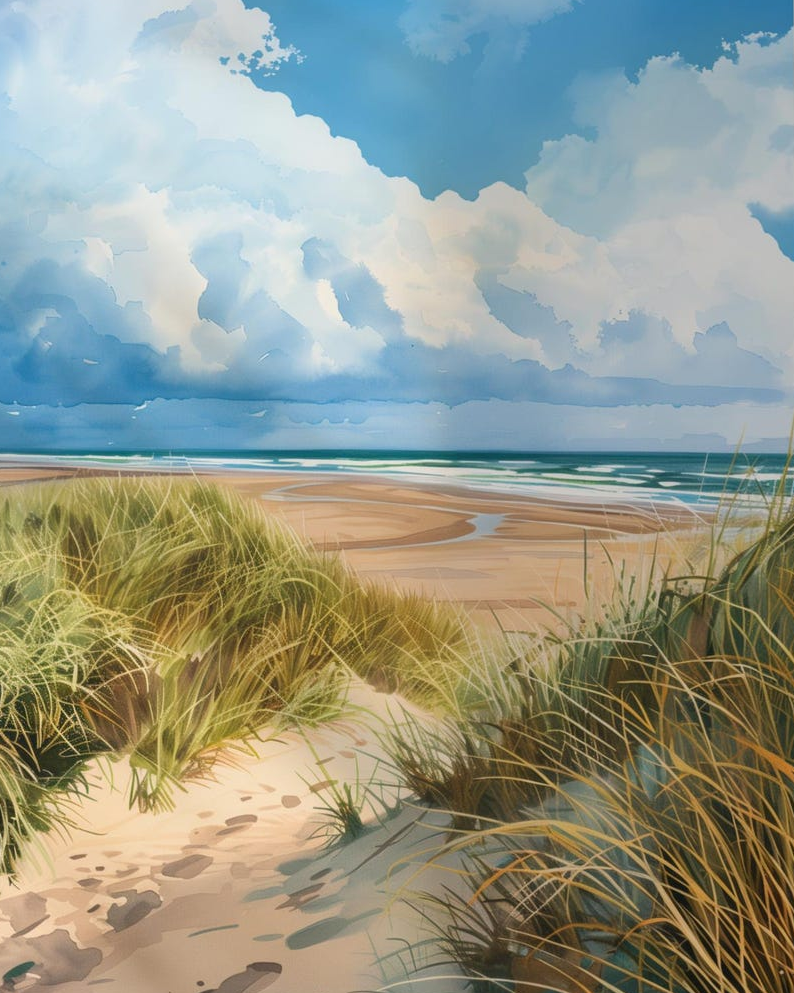
Camber Sands is one of the few places on this part of the coast with wide sandy beaches (never walk on sand dunes). The sea retreats nearly 1km at low tide (disposable barbecues are banned).
Walking on sand dunes is akin to trampling all over flower beds.
Always keep to main paths near sand dunes (keep dogs away from nesting birds and seals – this also helps to avoid pirri pirri burr attaching to skin, fur, clothes or shoelaces). Keep dogs away from coastal flowers, as many are toxic (some to humans too).
Never hold barbecues on beaches, nor smoke near sand dunes use a personal ashtray to immediately extinguish cigarettes, until you can find a bin). Never ‘surf’ down sand dunes, you could do damage that takes decades to recover).
Rye Harbour Nature Reserve is near Camber Sands in East Sussex, home to over 4000 species of wildlife, including 300 rare species. The reserve features a variety of habitats including salt marshes, shingle ridges and woodlands.
Rye’s lakes, saltmarsh and bird hides
Rye Nature Reserve is best known for its mix of habitats. There are gravel pits turned to lakes, stretches of saltmarsh, reedbeds and shingle. That variety matters because different birds use different spaces.
Depending on the season, you might spot avocets, terns, marsh harriers or winter wildfowl. Spring and autumn can feel especially busy, with movement overhead and fresh arrivals on the water. In winter, the reserve becomes quieter in mood, though often richer in birdlife.
Keep at least 50 metres away from coastal birds, as flying away wastes energy that could be used for feeding (they need more space at high tide).
Preserving habitats for coastal birds
England’s coastal birds claim a mix of habitats:
- Mudflats: Feast grounds for sandpipers and whimbrels at low tide.
- Rocky shores: Perfect for turnstones to hunt amongst crevices.
- Estuaries: Sheltered feeding spots where many birds gather in flocks.
- Sandy beaches: The ideal racetrack for sanderlings.
It’s important not to disturb birds. RSPB Puffin Binoculars are designed for children (only cost around £30) and are small and lightweight, so pretty good for most adults too.
Towns and villages near Rye Nature Reserve
Bordering Kent are the historic towns of Rye, Battle and Hastings (where smugglers used to ply their trade) to Edwardian resorts like Bexhill-on-Sea and weald towns. Hastings is home to one of England’s few funicular railways.
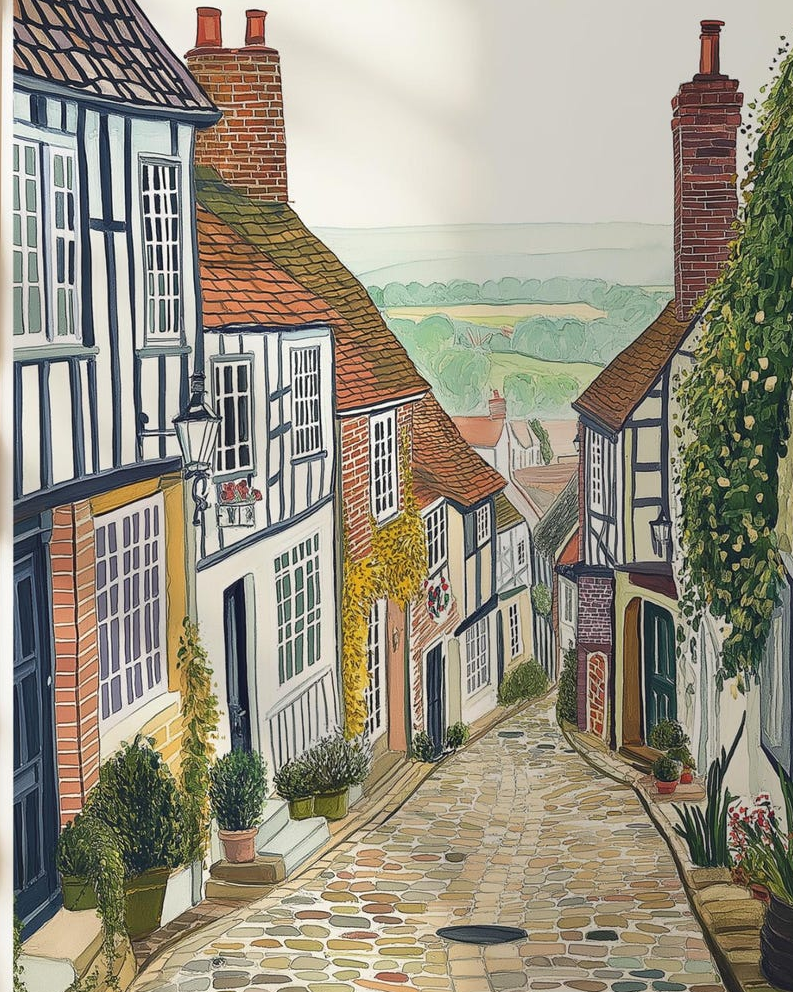
The nearby town of Rye is very hilly, with winding cobbled lanes, crooked Tudor houses and centuries-old inns. Mermaid Street is lined with sloping cottages, and home to many independent shops.
The village of Winchelsea, is where comedian Spike Milligan is buried. He has a Celtic inscription on his grave, after being refused his request for it to read ‘I told I was ill!’ Often classed as one of the funniest ever men, he fought a huge battle with depression, and often spoke on men’s mental health.
Also near Rye is Peasmarsh, a tiny village noted for being home to one of England’s few independent supermarkets. It’s not a ‘green grocery’ but does keep money within the community, and also runs several bakeries and cafes throughout the region.
Hastings beach (not sandy, but very pebbly!)
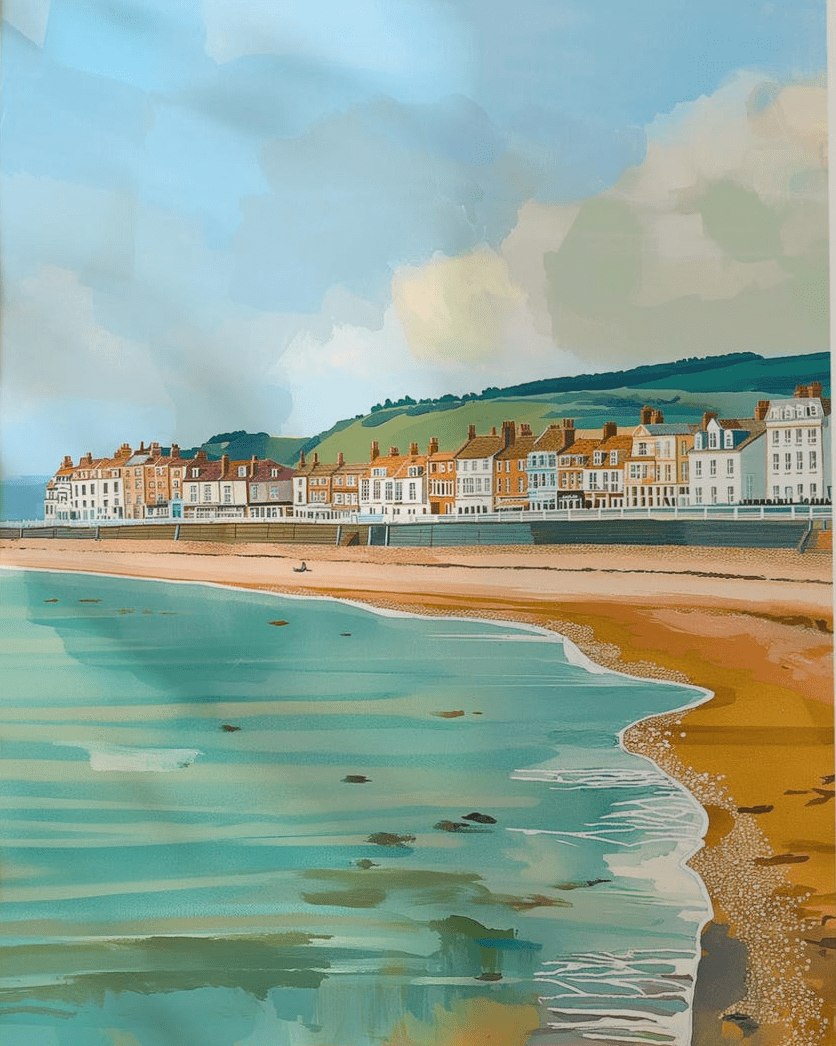
Hastings is an East Sussex town, not far from the border of Kent. Sitting on the south east coast, this is a town rich with history. It’s named of course after the Battle of Hastings in 1066 (which actually happened in nearby Battle). But calling it ‘the battle of Battle’ would sound a big daft!
With a rich history of smugglers, there sometimes were violent endings, and the small alleys in the old town still hold a rich history of contraband items.
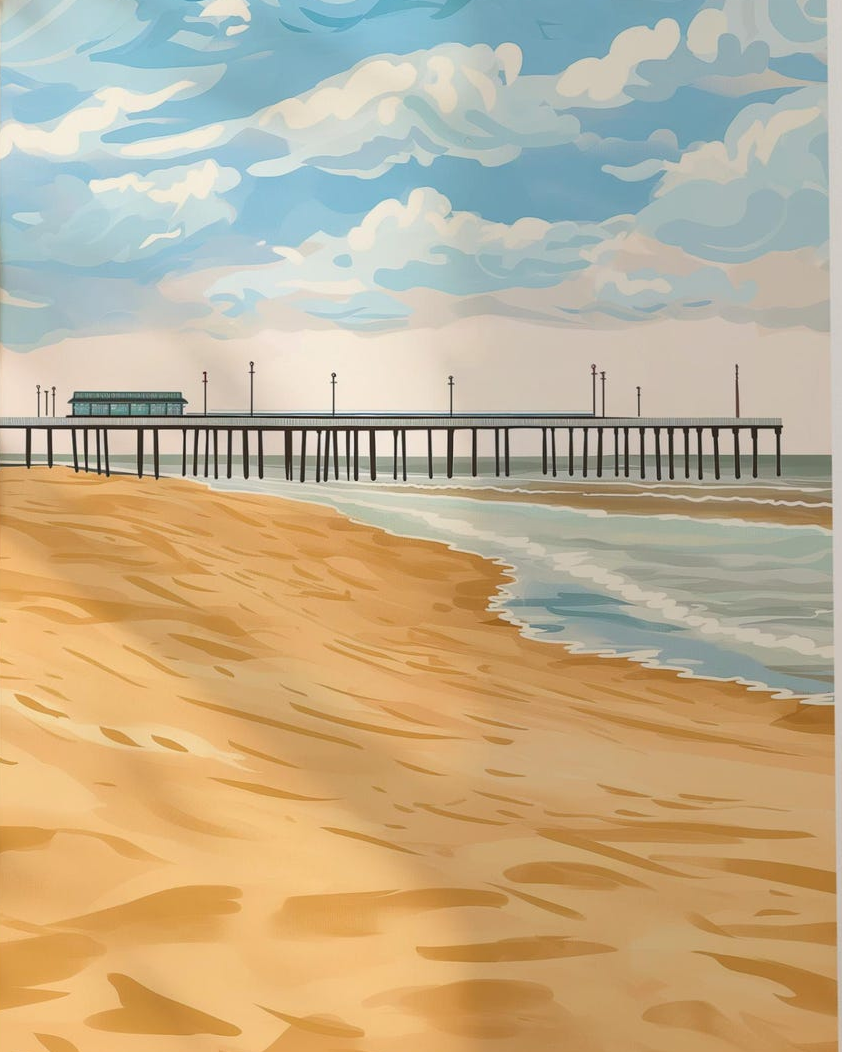
Today it’s quite a bohemian place, where many artists choose to live. There’s a pebbly beach, a seaside pier (rescued after it was almost destroyed by arson) and a wonderful old town, with buildings dating back hundreds of years.
A nice little story is that of the local independent bakery. When the owner retired, local people were concerned it would be turned into a Costa Coffee shop or something. So the founders of Green & Black chocolate bought it. And it remains a thriving little place to buy bread each morning.
Hastings is of course best known for being home to two of England’s funicular railways. These steep ‘cliff lifts’ take people to the East or West cliff in seconds, so you don’t have to do the climb!
The East Hill lift is England’s steepest, the West Hill lift reaches the ruins of Hastings Castle (alas large parts of it have already fallen into the English channel).