How to Save England’s Endangered Buzzy Bees
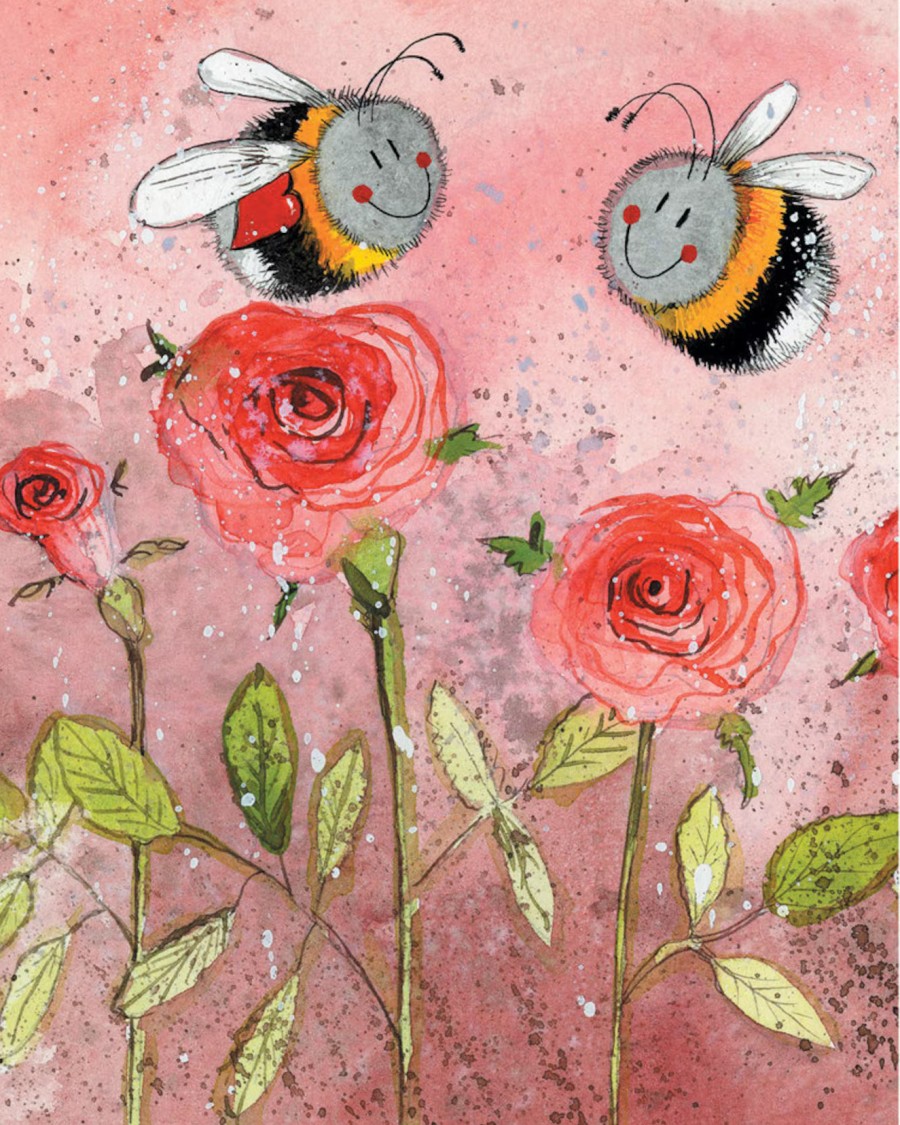
Bees are one of England’s favourite creatures, but are very endangered due to lack of habitat (including flowers) and pesticides. They also pollinate most of our food.
Bees are fascinating creatures that do a special ‘waggle dance’ to indicate the exact degree where pollen is to friends. They put in in incredible hours to just a tiny bit of honey for the hive. Some commercial beekeepers smoke out hives to retrieve honey (why vegans don’t eat it).
Flow Hive is an invention that causes less disturbance, and may be a better method. Never give honey to young children (nor to pets or people with weak immune systems, due to risk of botulism). Read of plant-based alternatives to honey.
Experts are not fans of ‘bee hotels’ as they bees are ‘terrible landers’ so hotels often get filled with mites (so they can’t fly or land). And having lots of bees in one place, makes hotels tempting to predators. Just plant wildflowers in pet-free gardens or the countryside.
Likewise, a biology professor at Sussex university said that so-called ‘bee bricks’ for solitary bees are not deep enough to be that effective but are ‘probably better than nothing’. He says these are simply displacements for real planning changes (like prioritising meadows).
If you find a bee on the ground, it may be dying (bees don’t live long). But it may be tired and hungry, so try putting it in a flower with pollen, and see if it recovers. Rather than risk drowning bees with sugar-water, bee saviour cards give just the right amount of food.
Let’s meet England’s endangered bee friends
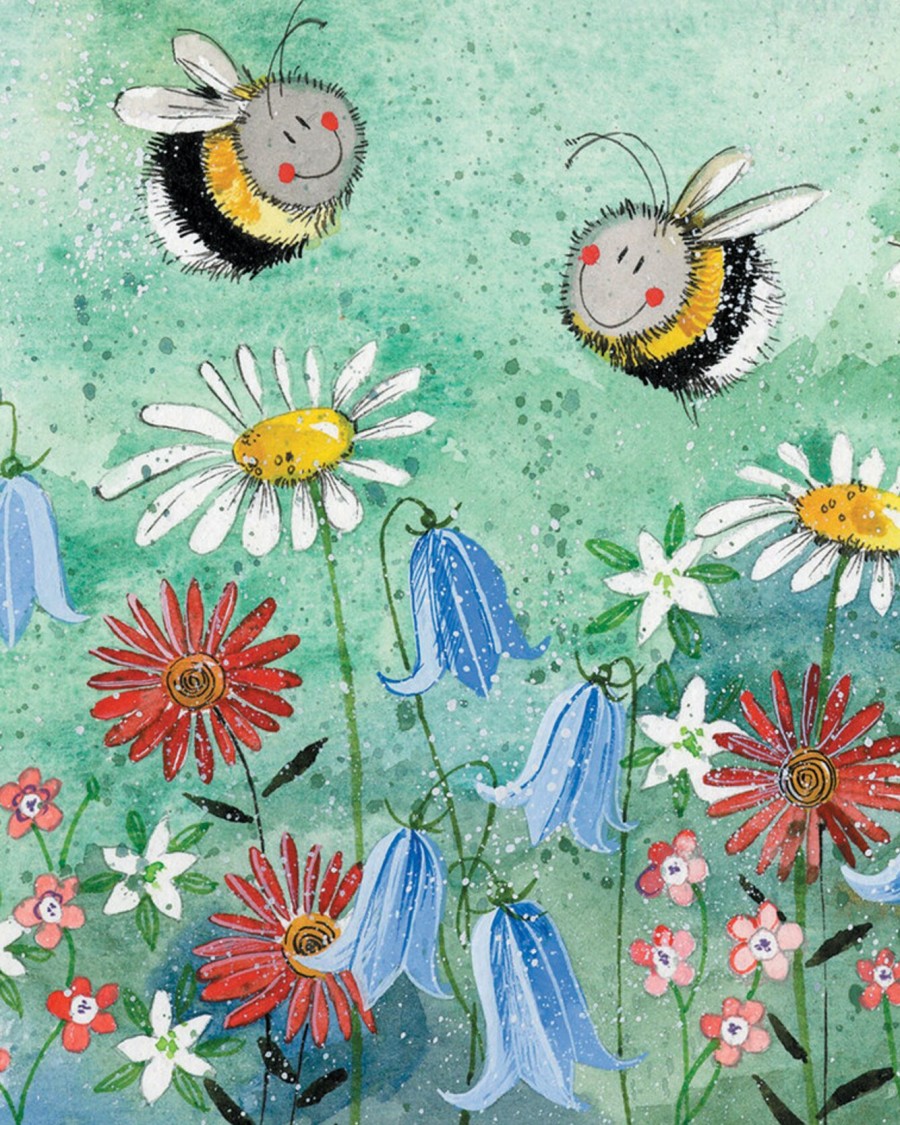
England has more than 250 bee species. The honeybee is just one of them, and it’s managed like livestock. Wild bees include bumblebees (furry and social) and solitary bees (often smaller, and living alone in holes or soil). Each has its own timetable and favourite flowers.
Bees matter for more than honey. They pollinate wildflowers that hold hedgerows and meadows together. They also help crops set fruit and seed, from apples to beans. When bee numbers drop, the knock-on effects travel fast: fewer seeds, fewer insects, fewer birds, and a countryside that feels quieter.
Across England, the biggest story is space and food. Old meadows have been lost, road verges get cut too often, and many gardens are neat but empty. A lawn can look green and still be a desert, if nothing ever flowers.
Which bees are most at risk?
Some bumblebees are now rare in parts of England, especially species that depend on flower-rich grassland. Two well-known examples are the shrill carder bee and the brown-banded carder bee. You don’t need to memorise names to help, but noticing what you see is a strong start.
Try these simple spotting habits:
- Look at colour bands and whether the bee looks “ginger”, “stripy”, or mostly black.
- Watch where it feeds (lavender, thistles, clover, brambles, ivy).
- Note when it appears (some show up early in spring, others in late summer).
Why are bees endangered?
Bees lose food, when we remove flowers. Frequent mowing turns verges into green carpet. Removing dandelions with weedkiller harms them. And modern farming creates longer gaps between blooms. Large fields of one crop may only flower for a short time, then offer nothing. And herbicides reduce wild plants around field edges.
Climate change is shifting seasons, so spring arrives early, followed by cold snaps and changing flowering dates. Hungry bees raise fewer young queens, so populations shrink year by year. Buying bee-friendly almonds also helps to save our buzzy friends, to avoid companies that leave land bare, after harvesting.
How to create bee-friendly habitats
- Leave mown areas for a few days, to allow all creatures to escape. Leave at least a third of vegetation uncut, in warm sunny spots. Then after a few days, rake off dried material.
- Garden organically. You can recycle empty bottles (take half-full bottles to the tip, for safe disposal).
- Have some large stones in a sunny area, for butterflies to rest.
- Bees drink water, so a small shallow dish with water is good, but put stones in it, so they can land and drink safely. Ensure ponds have sloping sides, and avoid netting.
- Bees (like butterflies) need nectar, so plant bright flowers (ideally with tubular shapes).
- Restoring our wildflower meadows (97% have been lost) is one of the most helpful ways to help bees. Modern pesticides, farming and building have taken a toll on habitats.
- If visiting wildflower meadows, keep to the paths on field edges, to protect flowers and native wildlife. Never drop litter (especially cigarette butts, which can cause wildfires).
- Some meadow plants (like buttercups which have a chemical that is toxic to grazing animals) are unsafe near pets, horses, donkeys and livestock.
If planting flowers for bees, learn how to create a safe garden for pets (many flowers and other items are unsafe near animal friends). Same with ‘plantable cards’.
Sunflowers are also loved by bee friends. Lavender spikes from early to late summer. Loved by both bees anad butterflies. Tamar Organics sells an organic seed mix to attract butterflies and bees. You can sow direct, rake the soil and see them flower in May to September. This native British wildflower seed pack is sustainably-harvested.
Good books to learn about bees!

Beepedia is a beautiful gift book, featuring A to Z entries on topics from pollination to the peculiar lifestyles of cuckoo bees and carrion-eating vulture bees, this pocket-size book takes you on a journey to eplore the wonders of bee behaviour and ecology, and learn about the role of bees in agriculture, art, literature and religion.
With over 20,000 species, bees can be found anywhere on the planet where flowering plants are pollinated by insects. You’ll even learn where the expression ‘the bee’s knees’ comes from! Laurence Packer is a leading expert on wild bees, and a Professor Emeritus of Melittology (studying bees) at York University in Toronto.
Secrets of Bees is a beautifully illustrated and educational book for young readers, to teach on the importance of bees and pollination. Bees are incredible insects (from honeybees to diggers to leafcutters and solitary bees). Discover:
- How bee eyes see the world differently
- How bees pollinate plants
- How bees communicate (waggle dance!)
- How without bees, we would have no food
This book is created with consultation with Professor Beverley Glover and Dr Sally Lee of Cambridge University Botanic Garden. Author Ben studied at Cambridge University and then worked for BBC Wildlife magazine, before becoming a full-time writer.
50 Ways to Help Save the Bees is a book of easy suggestions to help bees, from mowing less often and keeping your yard dark at night, to building bee-friendly window boxes and green roofs. Little things can make a difference for little bees. Just ask a bee!