England’s Endangered Sea Turtles (how to save them)

Sea turtles have roamed the oceans for millions of years, playing a key part in keeping marine life in balance. Today, they face serious threats both in England and abroad, from pollution to habitat loss. Whether you live near the coast or miles inland, your choices impact their survival.
As with all marine creatures, they are suffering from oil and plastic pollution, over-fishing, by-catch (when caught in nets) and ship strikes.
Simple Swaps to Help Delightful Sea Turtles

- Litter travels on tides, so never drop litter at the beach (or off a boat) as it could end up in the stomachs (or tangling) creatures here and far away .
- Avoid balloon releases (these fall to the sea and look like jellyfish to sea turtles, who then eat them, and often choke or die.
- Other ways to help are to choose reusable over disposable, and use waterless car washes (home drive and supermarket car washes send untreated oily water down drains, and into the sea.
- If you eat fish, look for sustainable-certified brands, which don’t use by-catch methods (that catch other marine creatures in nets).
- To help prevent oil pollution, wrap small amounts of oil in kitchen paper and bin (same with cream liqueurs). For larger amounts, use an oil recycling container and take to the tip.
- This photo by Jordi Chias highlights issues of ghost fishing waste, after he untangled a sea turtle trapped in fishing net.
If you sail a boat and spot any marine wildlife, keep at least 100 feet away (or further away if possible for large creatures). If the creature approaches your boat, switch the engine off and slow speed to 4 knots.
WiSE is a wildlife-friendly boating course (it only takes five hours).
Never use jet skis or flash photography. If you dive or snorkel, enter the water gently, to avoid splashing, and again keep your distance – it’s their territory, not yours.
Support Seagrass Meadow Restoration
Seagrass meadows are critical to sea turtles, especially young green turtles, which feed on this underwater grass. In the UK, these habitats have shrunk due to pollution, anchor damage, and development.
Advanced Mooring Systems makes boat anchor alternatives to protect seagrass beds and turtles. Anglers can invest in monomaster (a small device to store fishing line that unlike conventional bins, does not encourage birds to nest and also get tangled).
Stop Light Pollution
Beachfront lighting disrupts nesting turtles and confuses hatchlings as they make their first trip to the sea. If you live near a coast, keep outside lights dim and shielded, especially during nesting season. Encourage businesses and councils to use wildlife-friendly lighting.
Never buy Tortoiseshell Souvenirs
Once used in jewellery and trinkets, tortoiseshell (from the hawksbill sea turtle) is now illegal worldwide. Don’t buy any items made from real turtle shell, whether at home or abroad. Look for certified wildlife-friendly souvenirs, and report any illegal wildlife products to authorities.
Don’t Use Plastic Straws (they’re illegal now)
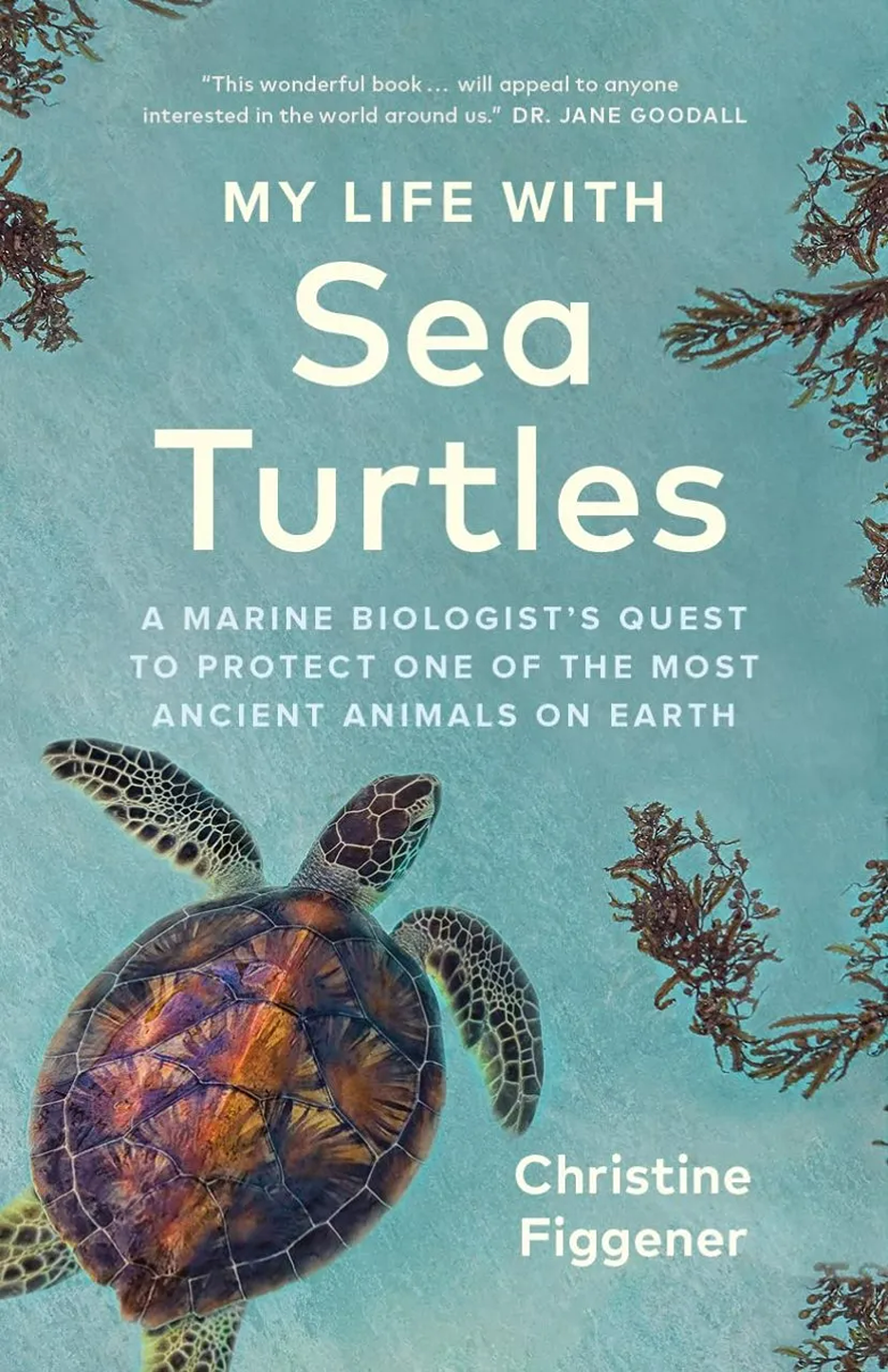
My Life with Sea Turtles is the story of the marine biologist who removed the plastic straw in the infamous YouTube video, which went viral and led to a UK ban on plastic straws.
President Trump has just reversed the law in the USA, to bring them back again to support the oil industry.
How to Help Stranded and Injured Turtles
If concerned about any marine creature, call British Divers Marine Life Rescue (RSPCA and Coastguard can also put you through).
You can take Marine Mammal Medic Course, to join rescue volunteers (you must have a smartphone – and receive a lifejacket and insurance for the first year).