How to Sew, Mend & Upcycle Your Clothes
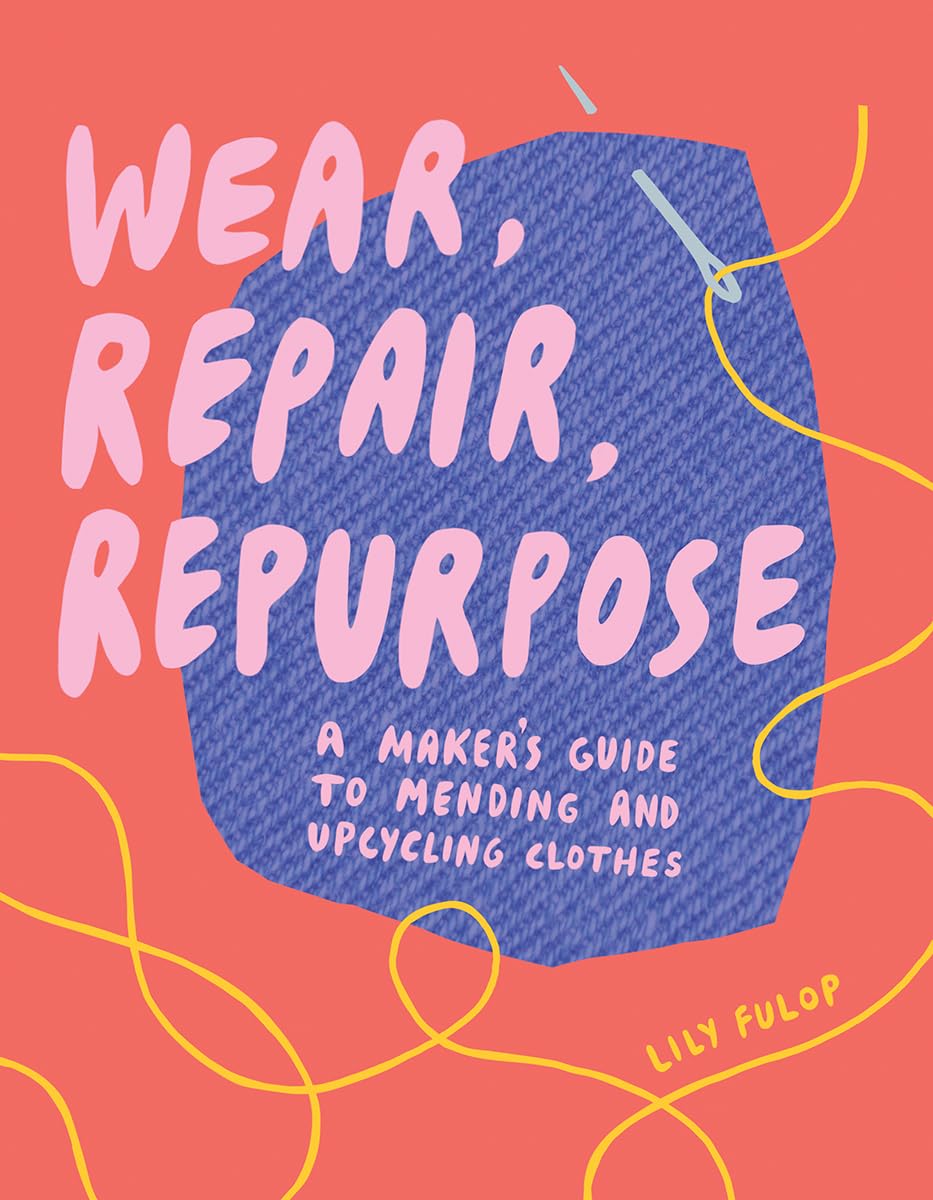
Wear, Repair, Repurpose is a beautifully illustrated guide to mending your clothes, with projects to refresh your wardrobe, give worn-out clothes new life or make the most of thrift store finds.
Read more on how to mend and alter clothes. Use organic cotton sewing thread and organic cotton fabric. If sewing with polyester, launder in a microfibre filter. Keep sewing materials away from children and pets.
Only buy used clothing from charity shops that don’t test on animals. Also read our post on removing stains, naturally.
Illustrated instructions demystify mending techniques. You’ll learn to darn socks, hem trousers, embroider over stains and reduce fashion waste, without sacrificing style.
- Basic Sewing Skills
- Repairing a Seam
- Hemming
- Sewing a Button
- Sewing a Hook & Eye Clasp
- Embroidery over Stains & Holes
- Patching Holes
- Darning
About the Author
Lily Fulop is a brand designer who lives in Brooklyn, New York. You may not know her, but you likely know some of her designs, which she creates for the colourful packaging on eco-friendly toilet paper company Who Gives a Crap?
A Book to Alter and Repair Your Clothes
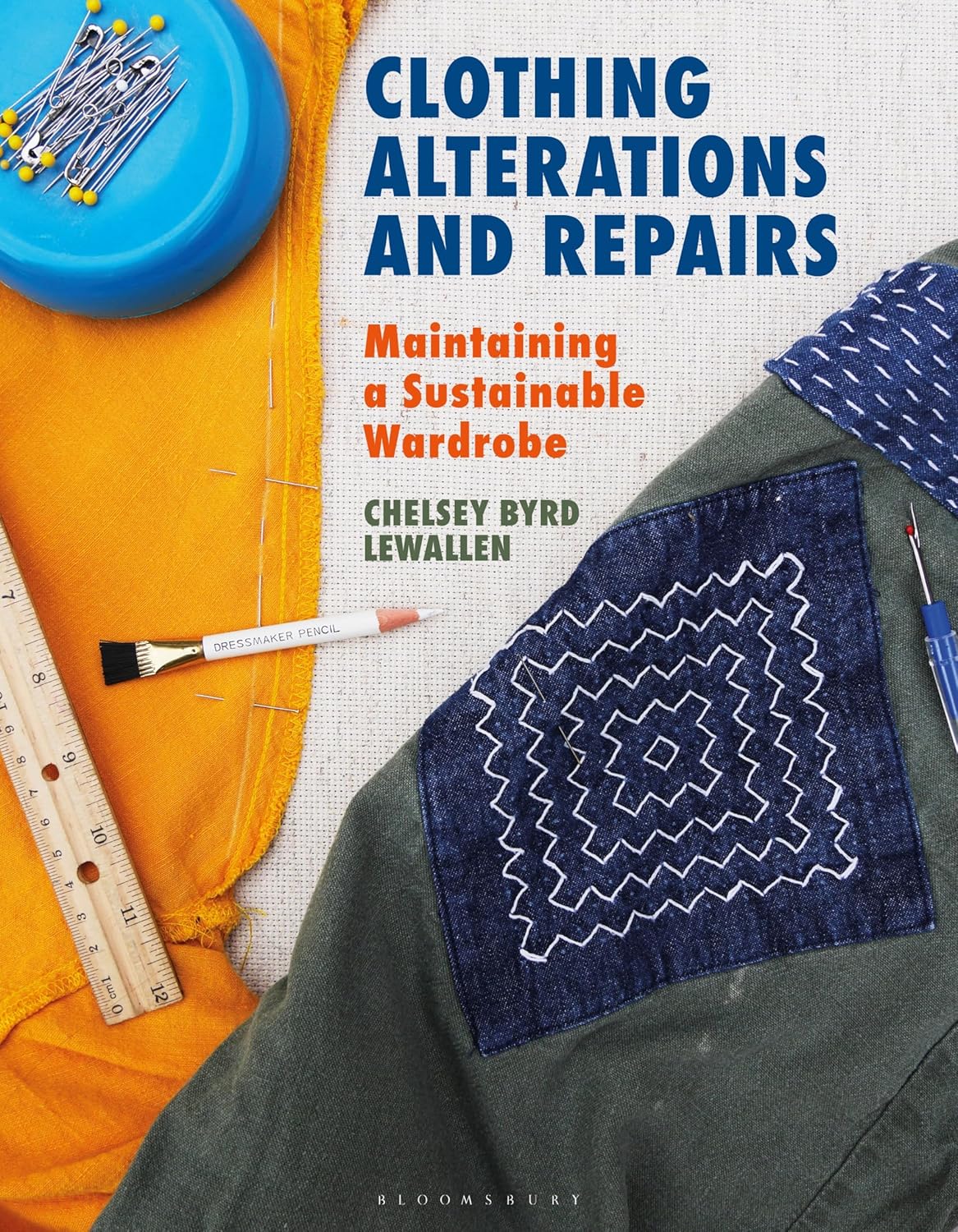
Clothing Alterations & Repairs is the ultimate guide to learn how to alter and repair clothes you already own, whether to extend their life or to achieve the perfect. Whether you’ve always wanted to know how to darn a sock, mend a hole or take up a hem, this book can show you how.
Read more on how to mend and alter clothes. Use organic cotton sewing thread and organic cotton fabric. If sewing with polyester, launder in a microfibre filter. Keep sewing materials away from children and pets.
Only buy used clothing from charity shops that don’t test on animals. Also read our post on removing stains, naturally.
Ideal for anyone interested in mending their own clothes, this is also a good manual for anyone considering a home business in sewing. The book features illustrated projects. You’ll learn how to:
- Hem clothes
- Take in or let out seams
- Repair broken zippers
- Fix tears & holes
There is also a detailed section on more complex techniques like:
- Adjusting suit jacket sleeves
- Reshaping necklines
- Fixing backpacks, tents & bags
About the Author
Chesley Byrd Lewallen is a lecturer in apparel, textile and design in Idaho, USA. She is also a sewist, artist and teacher who loves making clothes fit beautifully, while keeping textiles out of landfills.
DIY Thrift Flip: Transform Your Old Clothes!
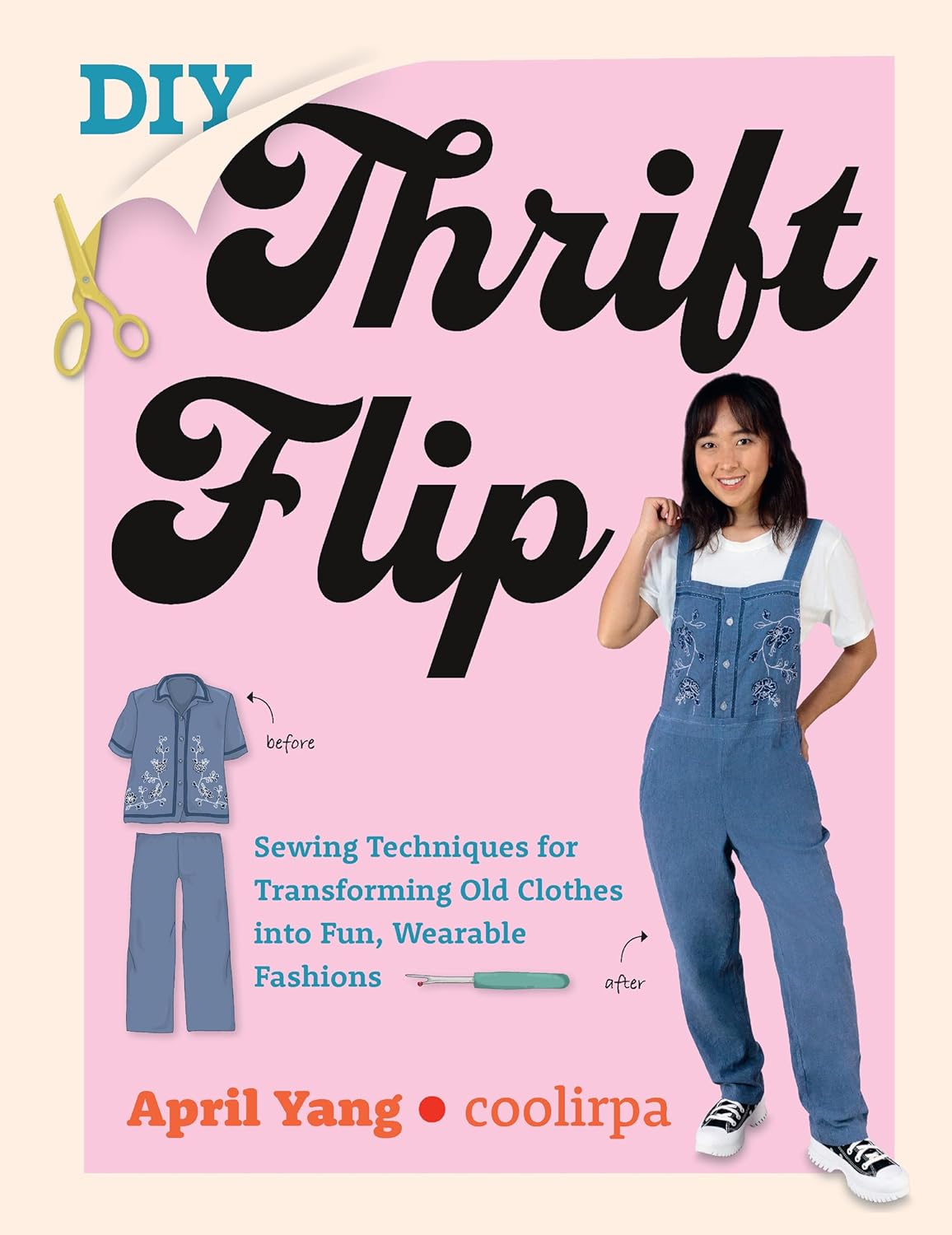
DIY Thrift Flip is a fun book by a student in California who learned how to make her own clothes on a budget, by transforming existing clothes or finds from thrift shops.
Join her, as she teaches you how to find, upcycle and customise second-hand clothing for sustainable style, with simple sewing instructions.
Read more on how to mend and alter clothes. Use organic cotton sewing thread and organic cotton fabric. If sewing with polyester, launder in a microfibre filter. Keep sewing materials away from children and pets.
Only buy used clothing from charity shops that don’t test on animals. Also read our post on removing stains, naturally.

April takes you through every phase of the process, from how to find the best clothes and fabrics to transport, plus easy ways to alter and tailor shirts, dresses, trousers, coats and more.
You’ll also learn what can (and can’t) be fixed and how to gauge sizes when you can’t try something on.
Learn how to use patterns to alter clothes (or parts of garments), how to add sleeves and hems and pockets, plus how to custom-tailor an altered piece for a great fit.

The projects are for beginner to intermediate level, and include lots of inspiring before-and-after photos. QR codes give access to techniques and tutorials.
About the Author
April Yang was a hobby sewist, who began to upcycle clothes, while studying at college in California. Her creations were so popular, that they went viral online, and led to the publication of this sewing books.
Sewing Green: 25 Projects with Repurposed Materials

Sewing Green shows how to turn old men’s shirts into pretty aprons, and make a wallet from the shirt cuffs! Author Betz White was born into a family of makers, earned a degree in fashion and after becoming a mother, left the corporate world to share her creativity to other sewers.
Read more on how to mend and alter clothes. Use organic cotton sewing thread and organic cotton fabric. If sewing with polyester, launder in a microfibre filter. Keep sewing materials away from children and pets.
Only buy used clothing from charity shops that don’t test on animals. Also read our post on removing stains, naturally.
Taking care of your own clothes saves money, cuts down on waste and keeps favourites in rotation for longer. Mending and altering can sound daunting, but you don’t need fancy skills or a sewing machine to get started.
Most repairs and changes can be done with a needle, thread and a bit of patience. Here’s a step-by-step guide to help you look after your clothes and get more wear out of everything you own.