How to Know What To Eat (simple nutrition tips)
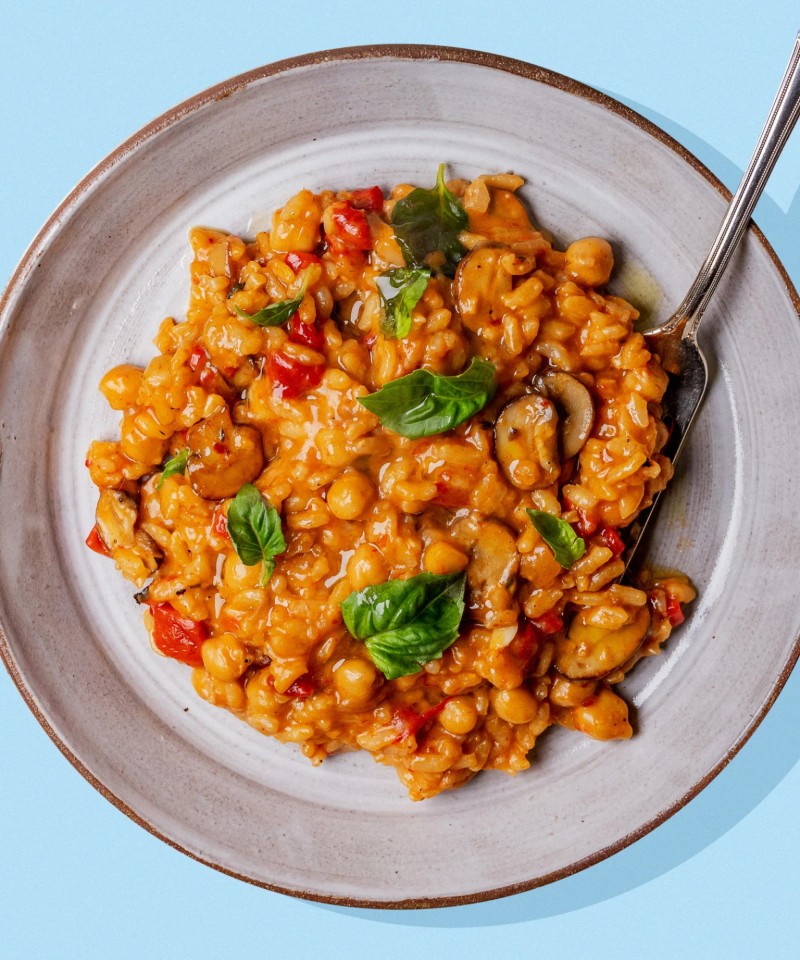
This recipe for one-pot chickpeas and rice (Exploring Vegan) is so simple to make, and very nutritious, packed with protein and calcium. Don’t throw away the water. You can whizz it up with a little sugar to make vegan meringue. Really
Once opened, store leftover tinned chickpeas in a covered bowl. For tinned ingredients, pop lids inside cans (or pop ring-pulls back over holes) to avoid wildlife getting trapped).
Before cooking, read our post on food safety for people and pets (many foods including onion, garlic, garlic and spices are unsafe near animal friends).
It’s best to just bin allium scraps (leeks, onion, garlic, shallots, chives) as like tomato/citrus/rhubarb scraps, acids could harm compost creatures.
A Filling Recipe for Chickpea Pasta Soup
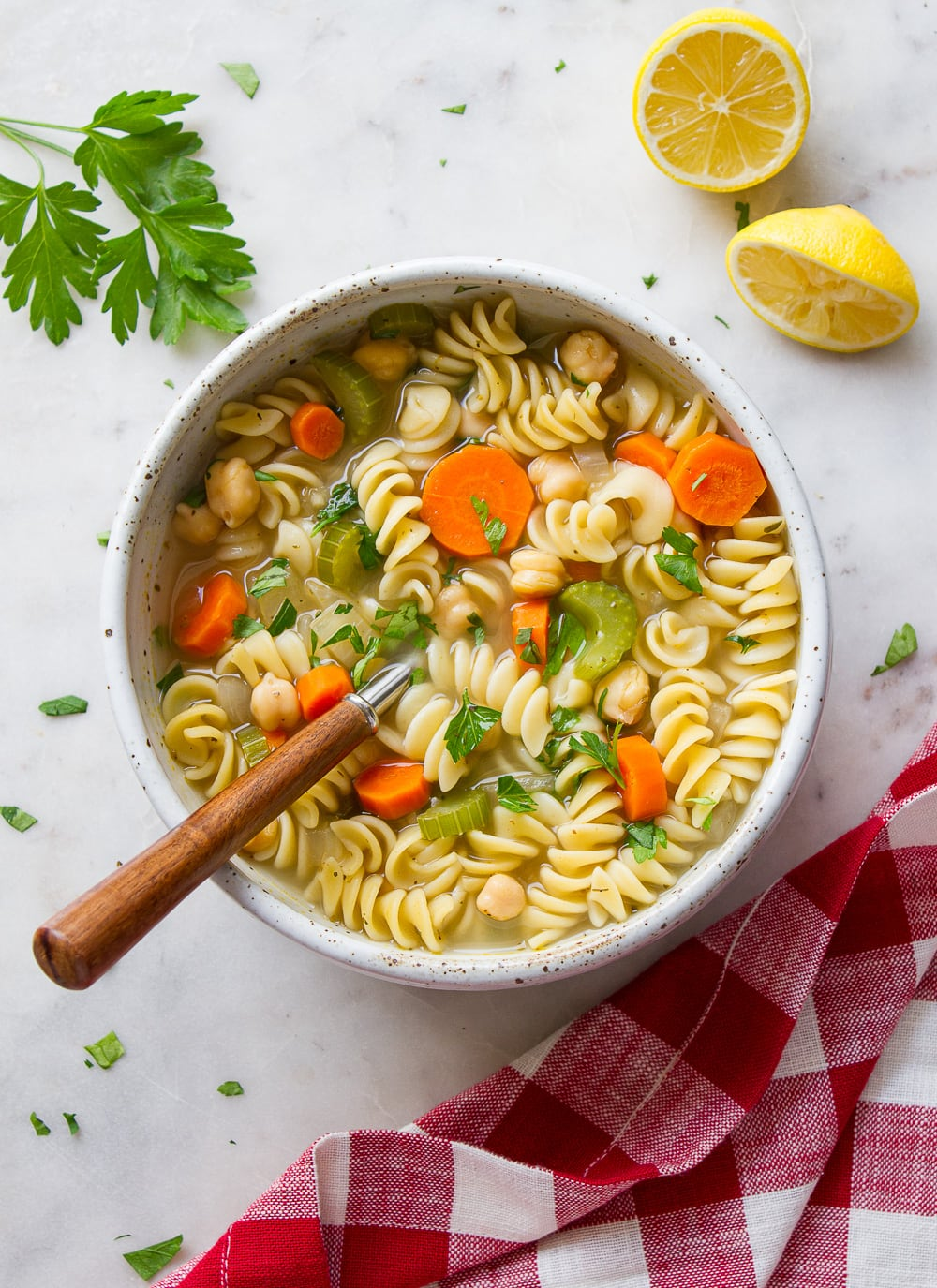
This chickpea pasta soup (The Simple Veganista) is way more tasty, nutritious and filling than a cup-a-soup or can of watery minestrone. It’s also very rich in protein and calcium due to chickpeas (garbanzo beans).
Easy to make in one pot, this is ready for the table in around 30 minutes. It uses tons of veggies (carrots, celery, onion), a vegan bouillon powder, herbs and bite-size pasta. So simple to make, you just fry the veggies and herbs, add the stock and chickpeas, boil and cook, then served with cooked pasta.
If you make a lot of homemade soup, it’s worth investing in a good stick blender, to save the faff of washing blenders all the time. It’s UK law that whoever sells it to you, has to take your old appliance back for recycling.
You could also use Souper Cubes. Sold in Lakeland, these are like giant silicone ice-cube trays. Just pour in cooled leftovers and freeze. Then when you want soup, just pop a portion out and thaw overnight in the fridge, before cooking up to a safe temperature. That way, you can make bigger batches, even if you are only cooking for one or two, with no food waste. Use with plastic-free pasta!
Easy Recipe for Vegan Chickpea Piccata

This chickpea piccata (Exploring Vegan) coats chickpeas in a salty briney sauce, and serves with glossy pasta. Sure to become a weeknight favourite dish.
A Simple Vegan Chickpea Curry Recipe

This vegan chickpea curry (Broke Bank Vegan) is high on taste and high in protein, yet is made with simple ingredients, and only takes 25 minutes.
Vegan Chickpea Tikka Masala Recipe

Who said that tikka masala has to be made from chicken? This chickpea tikka masala (Jessica in the Kitchen) is by a professional cook, and blasts with flavour.

This vegan pasta salad (Rainbow Plant Life) is a good way to use up courgettes (conventional pesto is not even vegetarian, it contains calf rennet). This pesto is made by caramelising chunked courgettes with garlic, salt and red pepper flakes. Top with sliced cherry tomatoes and chickpeas.
Why Make This Recipe?
It’s not just cheap and filling, but high in natural protein thanks to the chickpeas, so all the ingredients are easy to find.
Food Safety Tips
Avoid courgettes that are wrinkled or have yellow skin or black spots. Store in the fridge. Choose organic to avoid cross-pollinated seed batches that carry a toxin (Tim Dowling writes how he poisoned himself with homegrown courgettes). Keep this recipe away from pets, due to onion, garlic and salt.
Ingredients Needed?
Very simple affordable ones: onion, garlic, pasta, cherry tomatoes and tinned chickpeas.
Courgettes (called ‘zucchini’ in North America) are quite popular in England, especially for Mediterranean recipes like ratatouille. Related to squash, the smallest courgettes tend to be most tasty (if not harvested, they grow into marrows).
Which Pasta to Use?
Look in stores for Yorkshire Pasta Company or The Northern Pasta Co (both are made with British wheat, and sold in plastic-free packaging).
Serve with Grated Vegan Cheese
Conventional Parmesan is not vegetarian (it contains a cheese that by law, contains calf rennet). Instead, just grate good vegan cheese over the top.
How to Recycle Empty Tins
Before recycling, always pop the lid inside the tin (or pop the ring-pull over the hole). This stops wildlife getting trapped, if they came across them.
Compost Food Scraps?
Unless you’re an expert composter, avoid composting acidic scraps (onion, garlic, leeks, shallots, chives, tomatoes, citrus, rhubarb) as this could harm compost bin creatures. Just bin them, to break down naturally.
Peaceful Politics in Action!
Making a plate of homemade pasta salad with fresh veggies and protein-high chickpeas is a peaceful political act! Every meal you make with natural plant-based ingredients and seasonal produce, is helping to create a country where nutritious food matters. Is affordable to everyone – and tastes good too!
Try Some High-Protein Plant-Based Recipes

Soph’s Kitchen is a collection of popular recipes by one of the world’s top vegan influencer chefs. Delighted to share them with the world, Soph’s recipes are all quick, simple, healthy and sustainable.
Before cooking, read up on food safety for people and pets.
Just bin onion family scraps (alliums) and rhubarb/tomato/citrus) as acids may harm compost creatures.
As a qualified personal trainer, she knows how to create meals packed with protein and fibre, to fuel your body with energy for daily life and exercise. Her recipes have been described as ‘plant-based perfection’.
The book features over 100 recipes – from meal-prep lunches to comfort classic dinners and high-protein treats. Recipes include:
- Breakfast Burrito
- Ginger, Miso and Lime Noodle Salad
- Satay Chickpea and Quinoa
- Creamy Courgette and Butterbean Bowl
- Falafel Pot Pie
- Tofu Banoffee Pie Slices
Sophie Waplington is a celebrated plant-based chef and fitness expert, with over 1.5 million followers worldwide on social media.
Her mission is to prove that plant-based cuisine can be delicious and packed with protein, and takes a balanced sustainable approach to healthy food, refusing to include calorie counts in her recipes.

Vegan Wholesome is a book of 100 high-protein vegan meals and snacks, ideal for people who live an active lifestyle, or who are recovering from illness.
These nourishing recipes are simple to make (usually no more than 8 ingredients) and free from gluten, oil and salt.
From power breakfasts and quick lunches to one-pot dinners and sweet treats, the recipes include:
- Sweet Jalapeño Cornbread Waffles
- Tim’s Greek Salad with Homemade Feta
- Gochujang Chickpeas & Lentils with Poblano
- Teriyaki Orzo Casserole
- Jackfruit Pinto Bean Chilli
- Protein-Packed Mac n Cheese
- Smoky Bean Dip
- Chocolate Pots de Crème
Brandi Doming is a former model, and author of the popular recipe book The Vegan 8. She began cooking plant-based recipes, to help heal her husband’s painful gout, when medicine could not help.

Plant Protein is one of a new wave of vegan recipe books that focuses on healthy natural proteins, rather than expensive faux meats and cheeses.
The author (who runs ultra-marathons) merges her love of cooking with knowledge on how to fuel an active lifestyle, powered by plants.
In this book, learn how protein works and how you can easily include it in a vegan lifestyle, without relying on any animal ingredients. Find a handy list of staples for your pantry and fridge, plus tips for batch-cooking on busy weeks. Recipes include:

- Chocolate Brownie Baked Oats
- Corn Fritters with Smoky Beans & Mash
- Harissa Tofu Ciabatta
- Sweet Potato Gochujang Soup with Chickpeas
- ‘Marry Me’ Lentils
- Creamy Harissa Butter Beans
- Smoky Three Bean Chilli-no-Carne
- Sneaky Protein Coffee Chocolate Mousse

Gigi Grassia is a foodie influencer, vegan nutrition coach and personal trainer. Raised in an Italian family, she grew up on home-cooked meals and fresh pasta and now lives in London.
A Recipe for Vegan Black Bean Brownies

These vegan protein brownies (Rainbow Nourishments) contain protein-rich peanut butter (choose organic, to avoid palm oil).
Choose organic peanut butter, to avoid palm oil.
There used to be a join in vegan circles. How many vegans does it take to change a lightbulb? The answer: I don’t know – but where do you get your protein!
That’s all anyone ever seems to ask people who live on plants. The answer is – like everyone else – from a balanced blend of foods! The only people at serious risk of protein deficiency are people who are literally starving or anorexics (or are self-starving).
The answer is in balance. But as long as you have a regular amount of plant-rich proteins, you should be fine. People in recovery to wellness or athletes may need more.
High-Protein Vegan Shake Recipes

This chocolate cherry protein shake (Minimalist Baker) is made with fresh cherries, plant milk and chocolate vegan protein powder. Buy fresh cherries (they don’t last long) and avoid brown stems (they should be green).
Wash them under cold water before use, then eat and cook, or drain (remove the stems) and freeze in a single layer until ready to use.
If you eat a lot of cherries, it’s worth buying a cherry stoner (which you can also use to stone olives). Keep both away from children and pets, due to choking hazards (stone fruits also contain natural cyanide).
If you make a lot of mylkshakes, it’s worth investing in a quality blender with a glass jug, so the motor won’t burn out. It doesn’t have to be a silly price, just spend a bit more on quality.
It’s also UK law that whoever you buy from, must recycle the old appliance if you take it with you.

This vegan Snickers protein shake (Notably Vegan) may be a good recipe to make a few types, to put it to memory. Then you get all the benefits of enjoying the flavours of one of the world’s favourite chocolate bars. But without the animal ingredients, palm oil, refined sugar and plastic packaging.
Don’t use metal straws for dexterity issues, children or on the move, as they don’t flex.
As well as vegan protein powder, the shake contains plant milk, crunchy peanut butter (choose an organic brand free from palm oil), dairy-free chocolate chips (Moo Free is a good brand sold in stores) and is sweetened with Medjool dates.
The Three Plant-Based Protein Amigos!
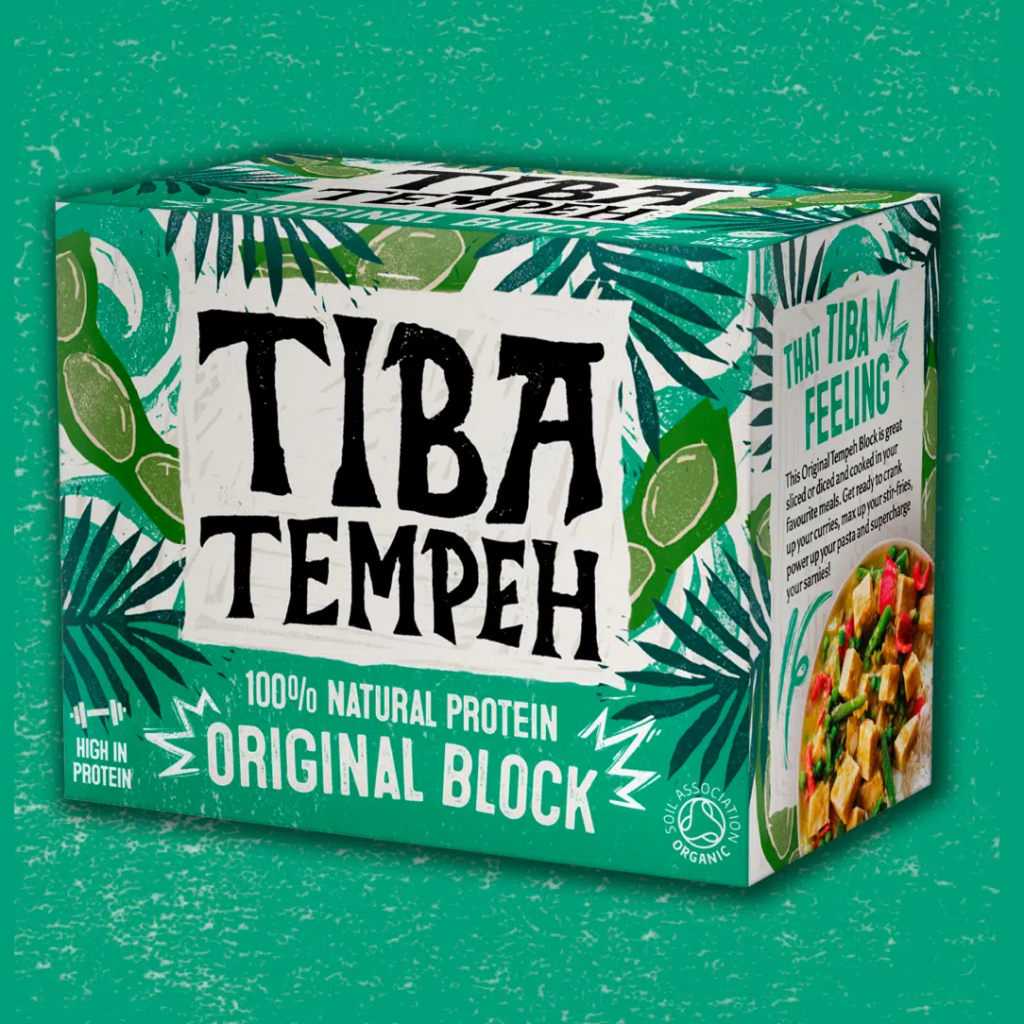
Although it’s more natural to get your plant proteins from lentils, there are three uber-high protein foods that are now easy to find in health stores and supermarkets. Let’s take a look at all three, if you’re a newbie!
Fermented tempeh is okay when cooked, but avoid unpasteurised fermented foods (or otherwise) for pregnancy/nursing, children or weak immunity. Before cooking, read up on food safety for people & pets.
Recycle packaging at supermarket bag bins, if kerbside does not recycle.
Tempeh – Tofu’s Groovy Cousin!
Tempeh is an Indonesian food made by fermenting organic soybeans (this brand does not use soybeans from rainforests). It’s then blended with water and a live culture, to produce a food that has more protein than tofu, and more fibre than brown bread.
You can freeze tempeh for up to 3 months, then chop it up to use in favourite recipes, without meat. Like tofu, it’s not flavoured, but most brands offer pre-marinated flavoured chunks that you can just throw in recipes.
Tempeh has a naturally nutty flavour, and lends well to punchy flavours like spices, chillies and garlic. The fermentation process means tempeh is often tolerated well by people with sensitive tummies. It’s also low in saturated fat (with no cholesterol) but also rich in omega 3 fatty acids.
Tiba Tempeh is a popular food brand sold in most groceries and supermarkets, of an Indonesian staple food that looks and tastes like meat (but isn’t) and ideal to ramp up your curries and stir-fries. The brand was created after tasting it while on holiday, and now sells nationwide.
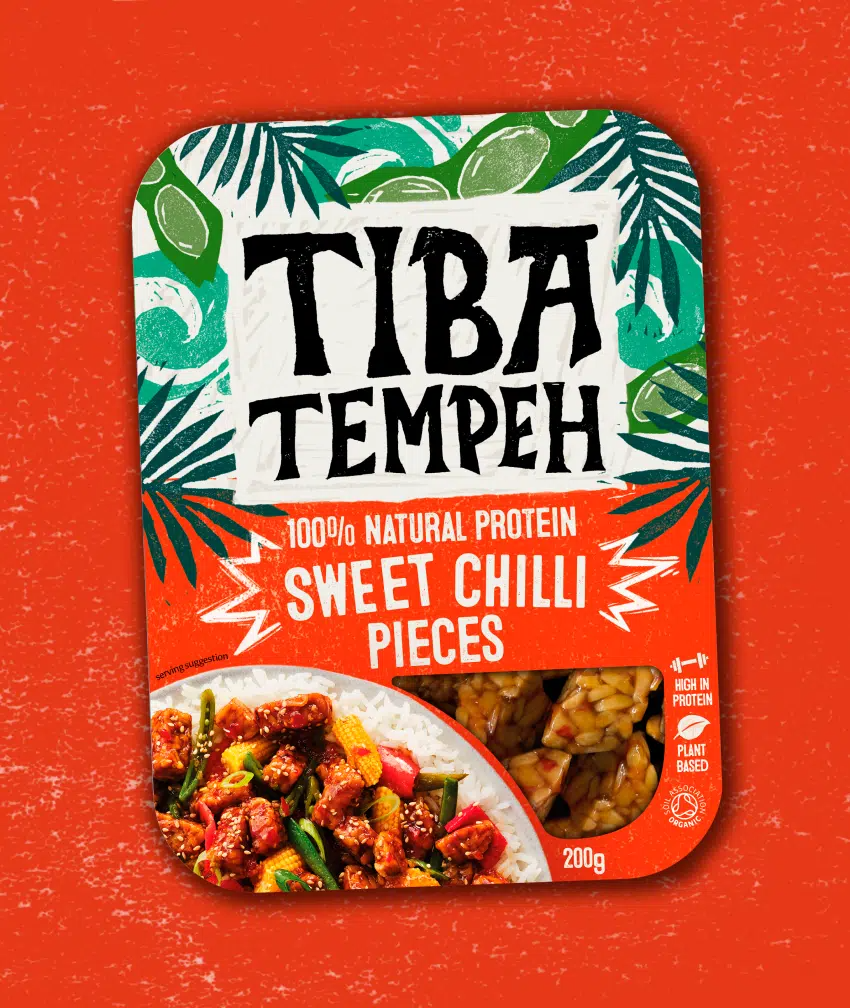
To cook, just slice or dice the tempeh and pan-fry in a little oil to fry for around 5 minutes, until golden brown. You can alternatively coat it with a little oil, and bake in the oven for around 15 minutes.
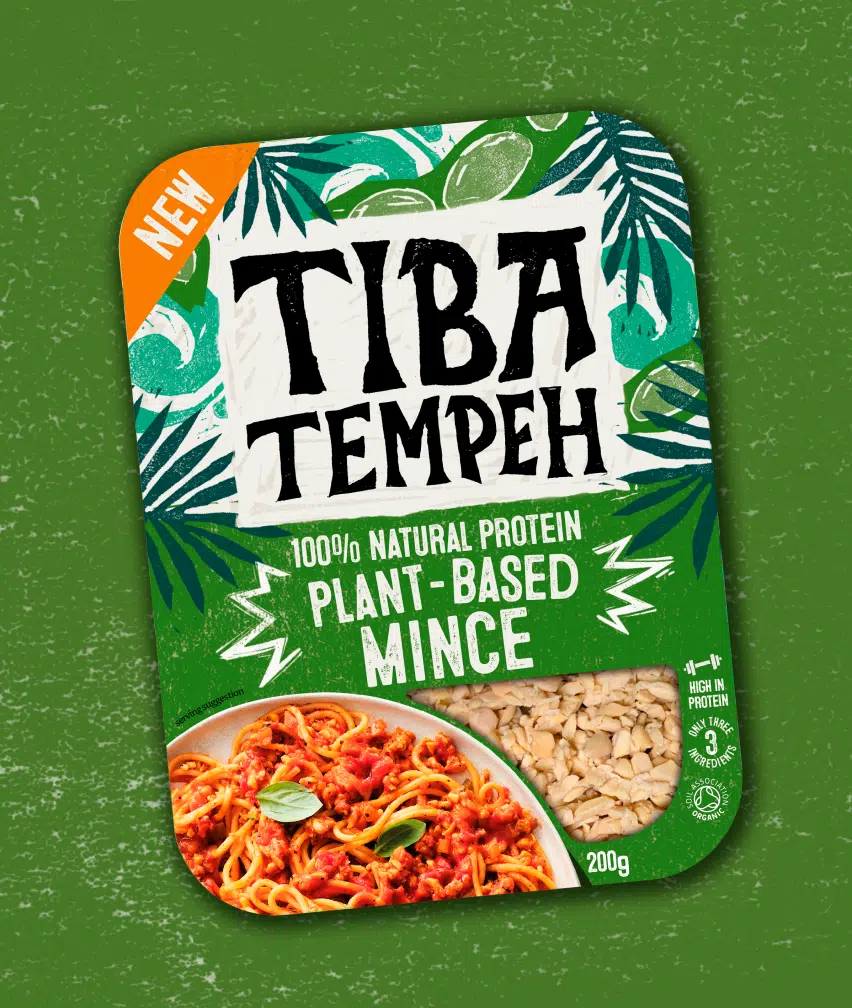
Plant-Based Mince is ideal for your spaghetti bolognese, lasagne or chilli non carne!
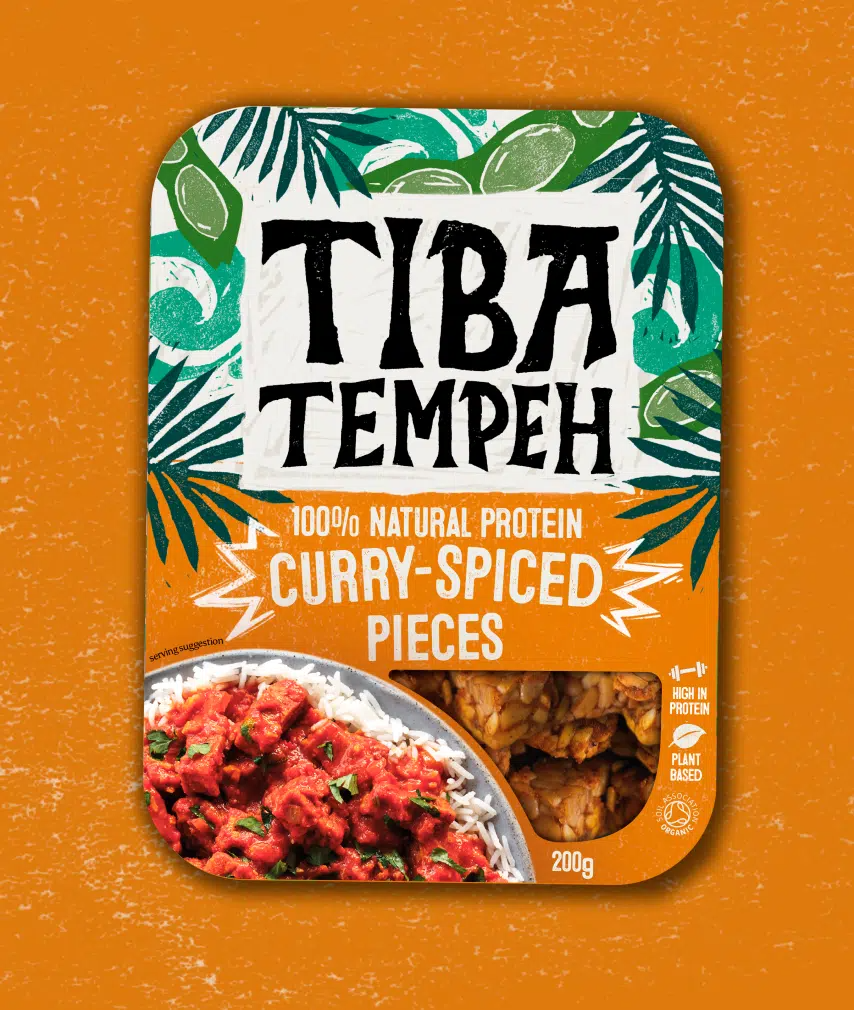
Tiba Tempeh also offers pre-flavoured pieces like Chilli or Curry (ideal for stir-fries, tacos, wraps and salads).
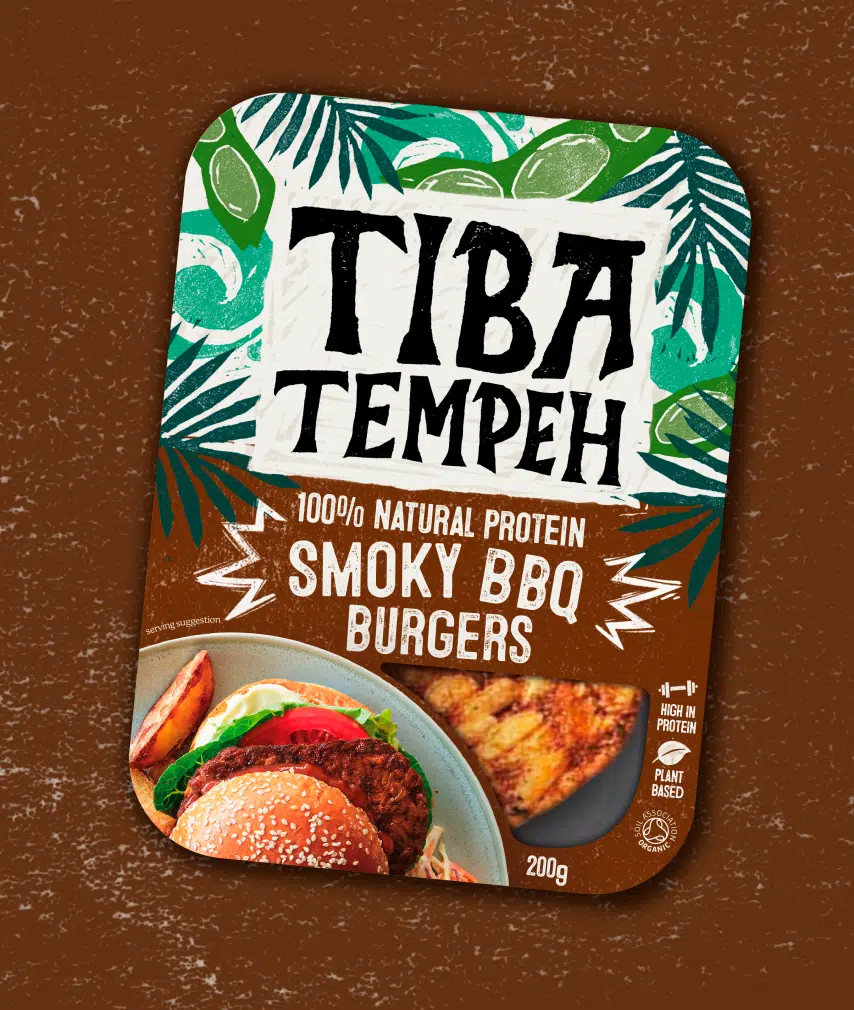
Smoky BBQ Burgers can be cooked on the grill or BBQ, serve in a bun with salad & sauce)
Better Nature Organic Tempeh
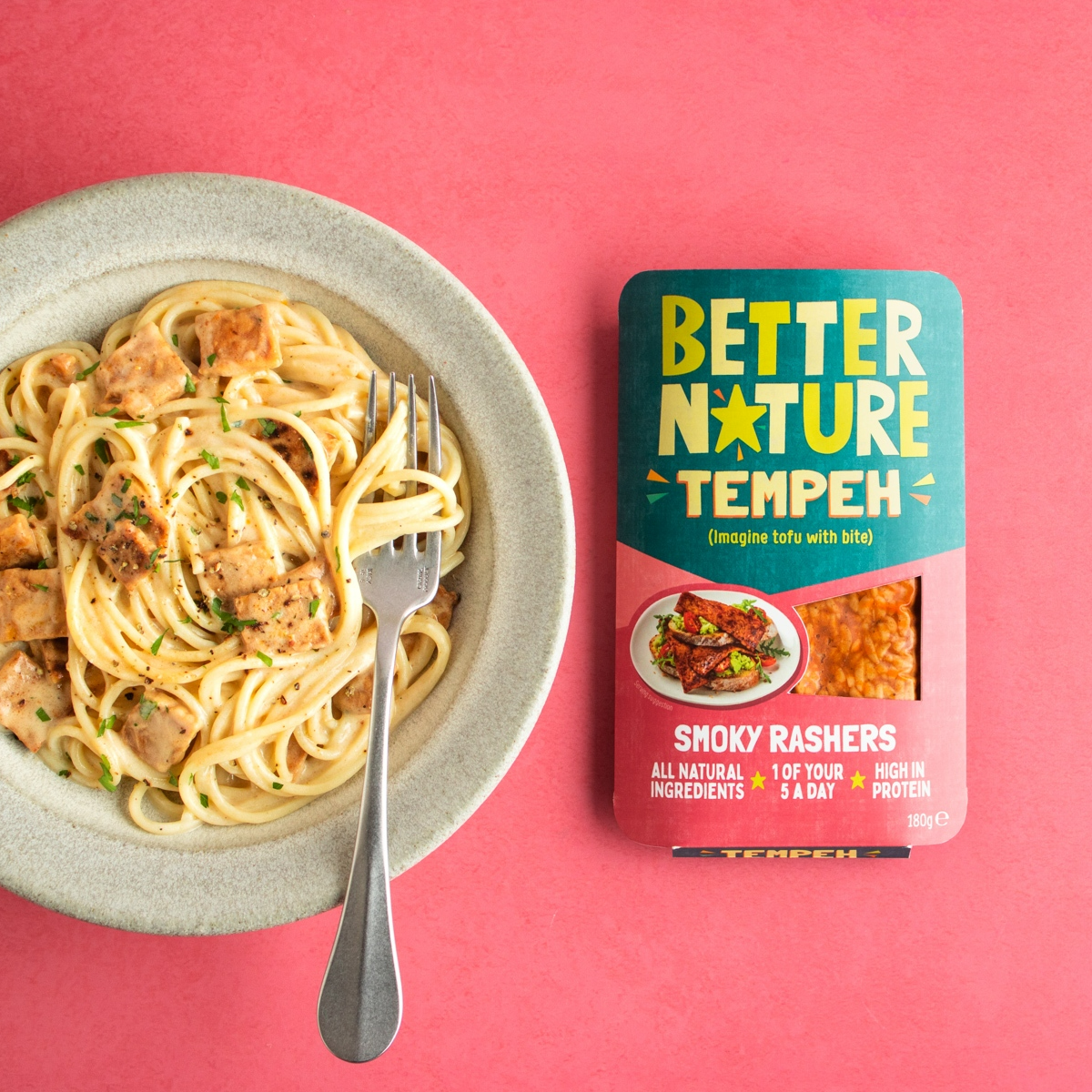
Better Nature is a another popular brand, created by four friends. One is an Indonesian who even did a thesis on the benefits of tempeh, and the other three then got on board to offer their skills.
This company is planet-positive. This means that it has a very low carbon footprint (no ingredients are air-freighted), and is also ‘plastic-neutral’ meaning any plastic used (which can be recycled) is also offset. Plus it also uses profits to donate to a charity that uses tempeh to tackle malnutrition in Indonesia.
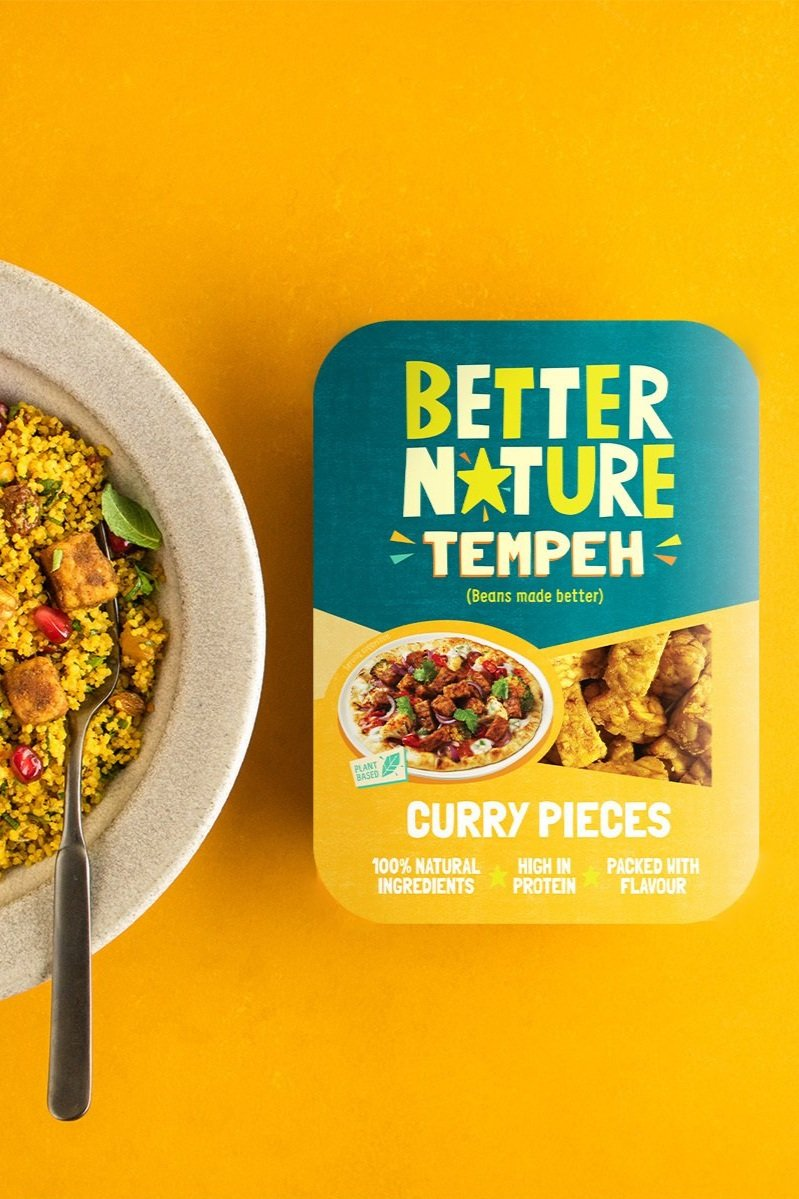
The plain tempeh is accompanied by marinated tempeh packs, great for stir-fries, salads & wraps. Choose from:
- BBQ
- Smoky
- Mediterranean
Tofoo (organic tofu from Yorkshire!)

Tofu has been eaten for thousands of years in the Far East. It’s made from from bean curd, and made in the same way as cheese (with ‘curds and whey’).
Japanese people have been eating tofu for thousands of years, and they are a lot healthier than us. Viva! has a good article by a nutritionist on the hormone debate and soya.

Firm tofu is chopped up to replace chicken in curries. Silken tofu (which looks like custard) is used for puddings. It has no taste, it just absorbs the flavours of whatever you marinate it with.
Saying you don’t like tofu, is like saying you don’t like cake flour (chef Sarah Kramer)
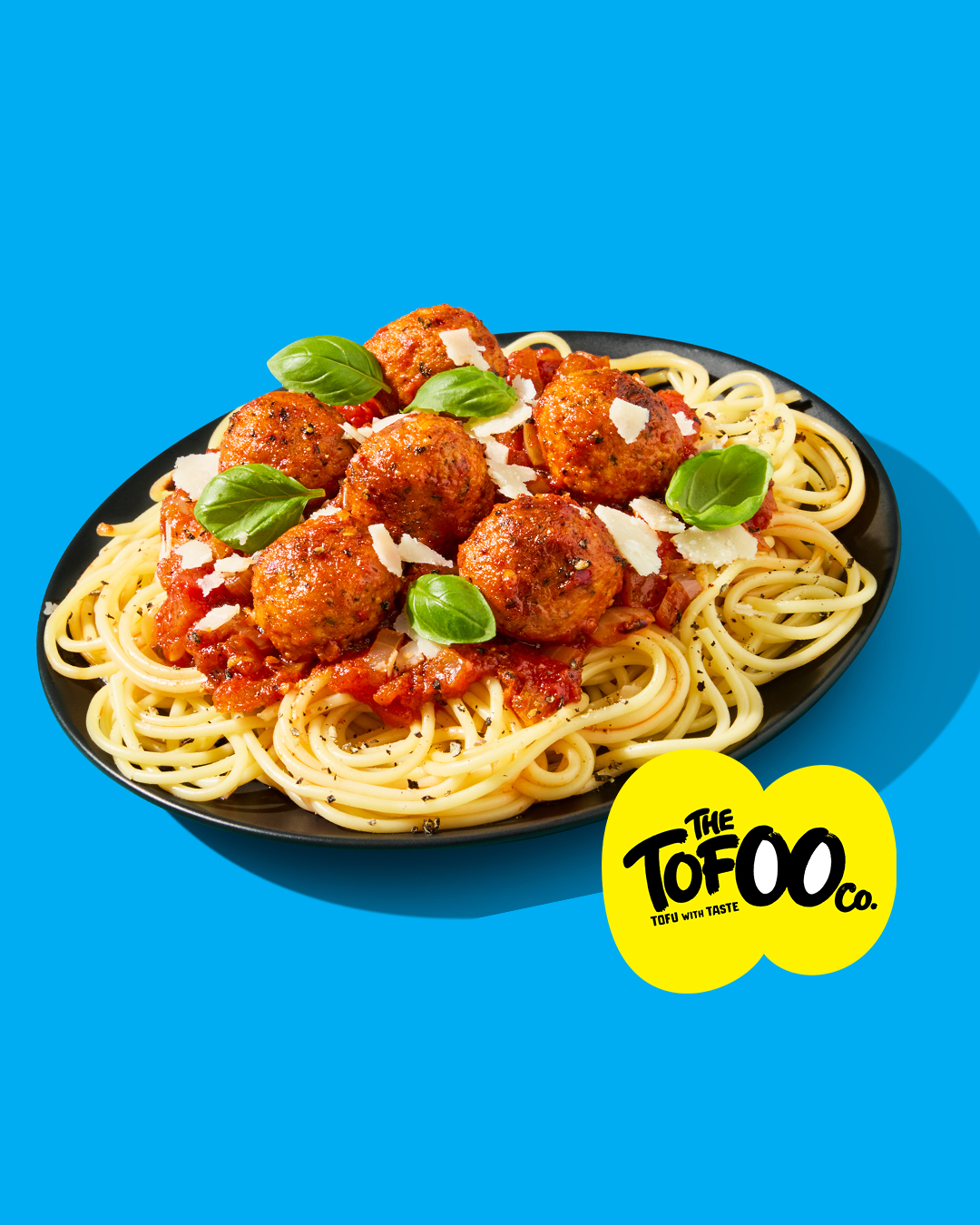
Oumph! is another good soy brand in stores. It’s Swedish and sources soy from Europe, rather than from South America.
Yorkshire-Made Seitan (wheat-meat)
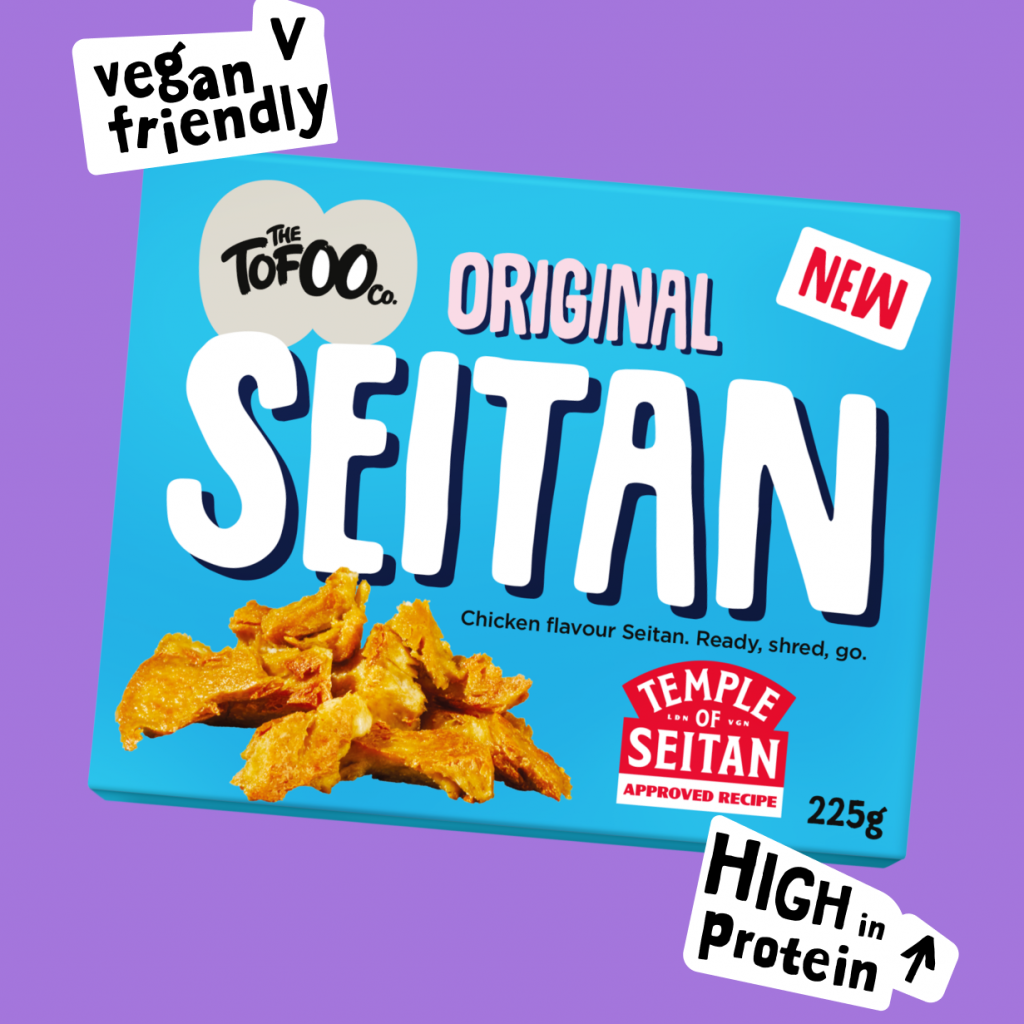
Seitan is a ‘wheat meat’ that is very similar to meat in taste and texture. Choose from several flavours, including vegan pepperoni. Obviously it’s not for gluten-free diets.
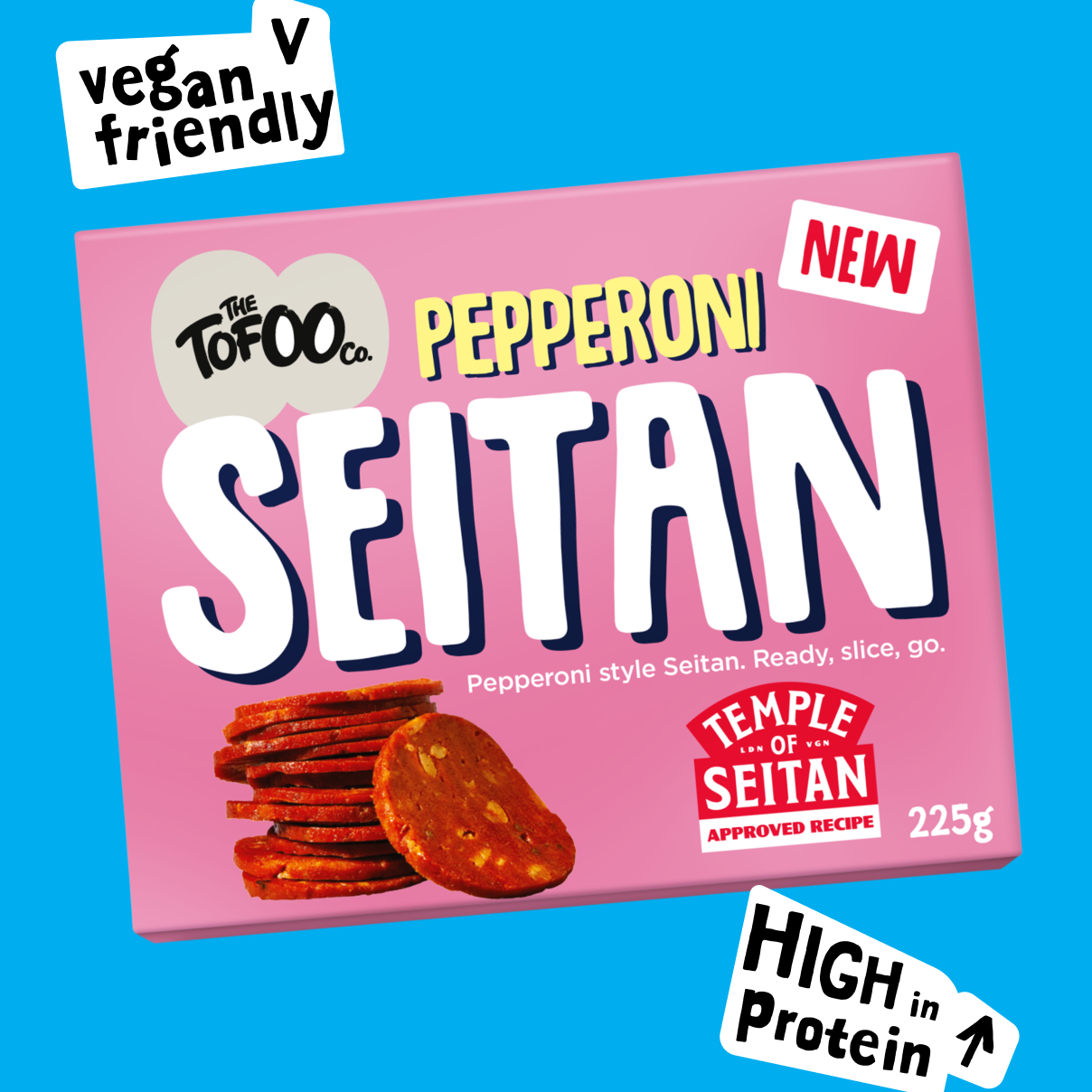
Organic Vegan Protein Powders and Shakes

Body Me is a range of organic vegan protein powders and shakes. The company also does not include plastic scoops, instead it offers spoon measurements on the packaging. Everything is made with real ingredients (no added sweeteners, fillers, binders, bulking agents or seed oils).
Recycle packaging at supermarket bag bins, if kerbside does not recycle. Check labels as some of the powders contain caffeine and ashwagandha (avoid both for pregnancy/nursing).
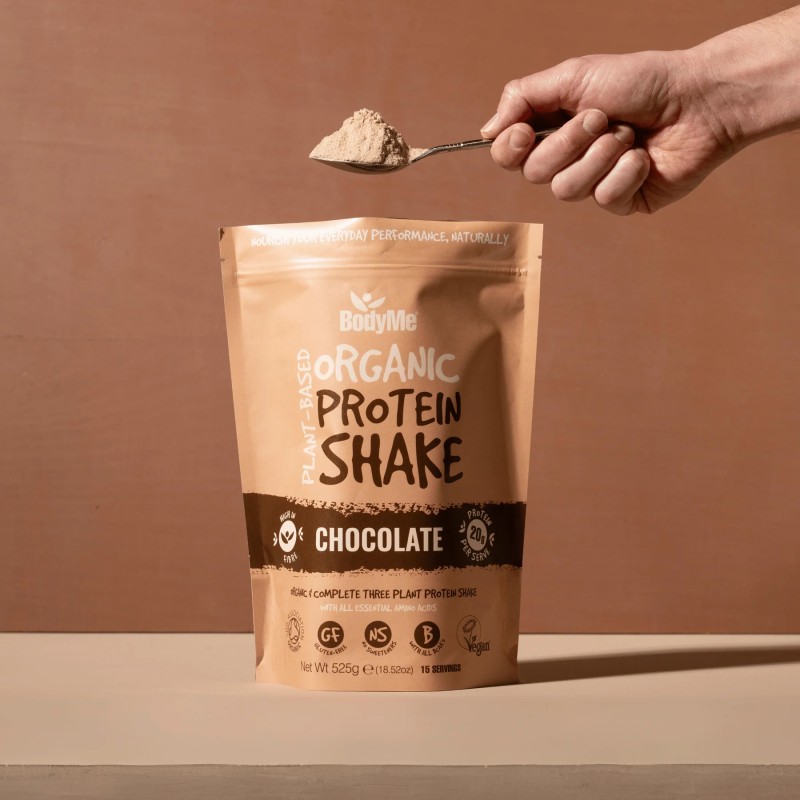
If you eat a wide variety of foods, you should get enough protein. But in modern society, most people can benefit from some added protein, especially vegans and those in recovery to wellness. Plant-based proteins are less acidic, cholesterol-free and higher in fibre, as well as being kinder and more sustainable.
This brand uses plant-based proteins in their powders from a variety of sources including:
- Hemp
- Peas
- Brown rice
- Cashew nuts
The powders are sweetened naturally with dates or coconut nectar, but not ‘sweetened’ too much, so you can just add to your own recipes. Choose from vanilla or chocolate flavours. Some of the powders also contain superfoods like maca (tastes a bit like maple shortbread) and acai berry).
To use, simply add your vegan protein powder to smoothies or porridge, or mix into recipes and baking.
They taste better when mixed with plant milks over water, try blending 300ml of oat milk with 1 serving of protein powder, a small banana and 1 tablespoon of nut butter.
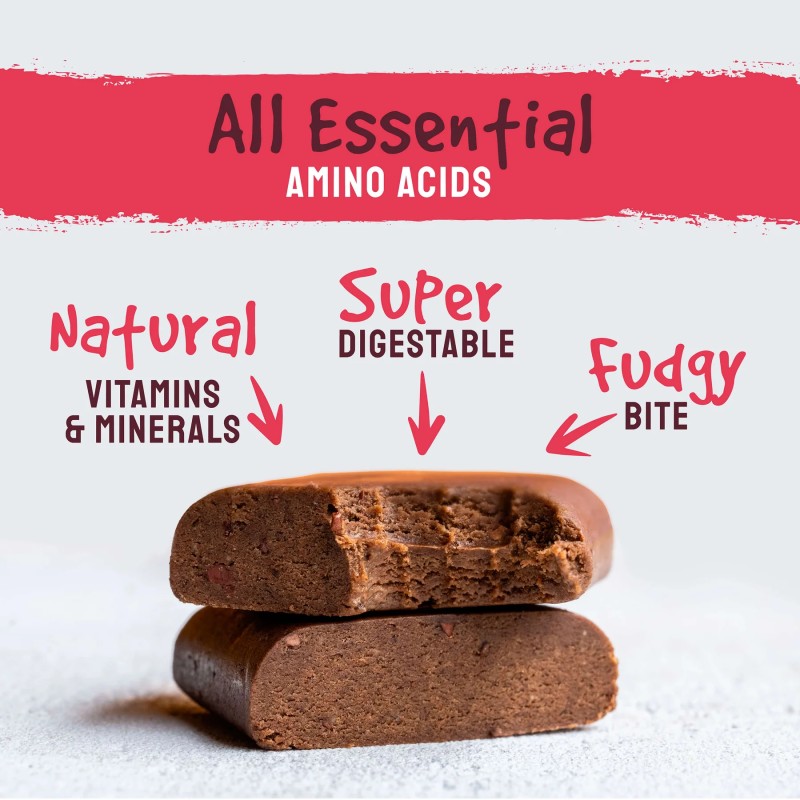
The packs contain 30 servings per pouch (or use half for 60 servings to save money, though of course you’ll get half the protein but that’s better than nothing).
The superfood powders also offer 30 servings per pouch. Also find portable vegan protein bars in easy-to-recycle packaging.

Vivo Life offers a great range of vegan protein powders, all in easy-to-recycle packaging (at supermarket bag bins, if your kerbside does not collect). These are ideal for everyday, and also offers a range especially for people who have regular workouts like athletes.
Check with GP if you already take medication or supplements (esp. for turmeric and Reishi mushroom). Keep away from children and pets.
Recycle packaging at supermarket bag bins, if kerbside does not recycle.
Most bodybuilding supplements are based on whey (milk). But these are plant-based and contain more protein, and are also better absorbed. In natural or vanilla flavours, just mix into your favourite drinks.
To use, just add two tablespoons to a shake (250ml water or plant milk), blend with fruits and plant milks for a smoothie or mix with plant milk and frozen banana in a bowl. The company sells a compostable scoop, if you prefer.
Sweetened with stevia, the other products include one for clean protein (for muscle and bone health), a collagen builder and a meal replacement.

Fruit Protein Superfood Protein Powder is a high-protein powder formulated by trained nutritionists, made with pumpkin protein, chia seeds, passion fruit extract, cacao nibs and acai extract. Each of the 10 servings contains 12 grams of plant-powered protein. Just pop a scoop into a smoothie or porridge.
Do not exceed the stated dose. Pumpkin powder and chia seeds are allergens for some.
Just add a scoop to smoothies or porridge. Do not mix with hot liquids.
This protein powder is sold in compostable pouches. The company recommends a one-off purchase of its amber glass jar (metal lid) so you can decant supplements, to protect from moisture and light (hand-wash and rinse before refilling). This supplements contains:
Blueberry Extract
Blueberries support immune system and bone health, and contain powerful antioxidants known as anthocyanins that help protect your body from cell damage. Eating blueberries daily supports heart health, brain function and even skin appearance.
Acai Extract
Known as the ‘superberry’, it has 30 times more vitamin C than oranges, and is richer in antioxidants than all other berries. Acai berries are from a South American tree (that does not require cutting down, though like any crop, it’s important to choose sustainable brands, to avoid forest-clearing).
Full of fatty acids, fibre and amino acids, it has a unique tart flavour, and can also help fight inflammation.
Green Goddess Protein Powder
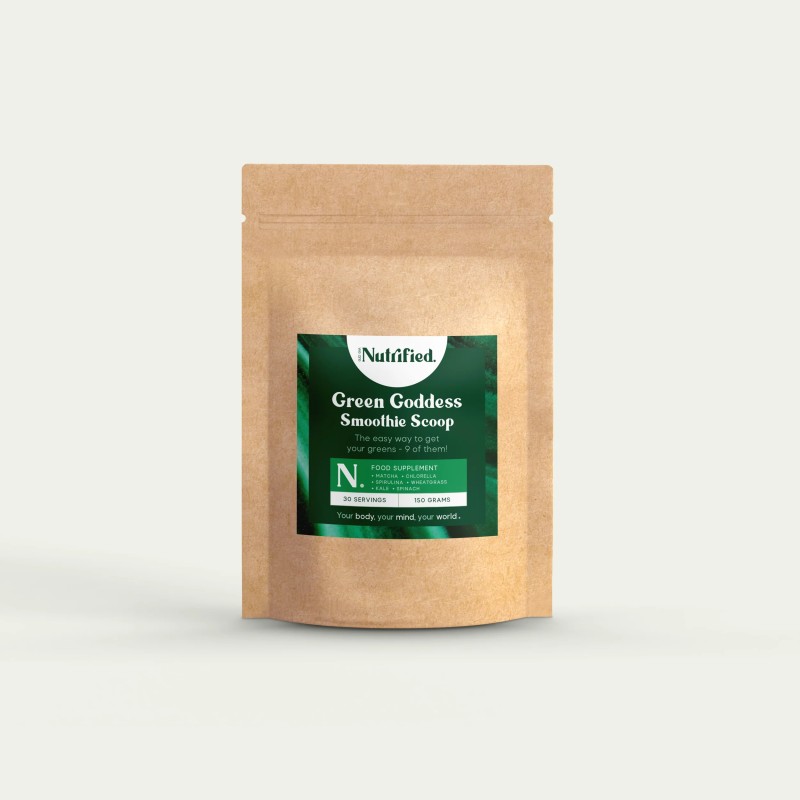
The Green Goddess Protein Powder offers an alternative flavour. This is a mega-blast of 9 super-greens. Check medication before consuming lots of greens.
Kelp
Kelp is a sea vegetable that grows in shallow, ocean waters. It’s rich in iodine, which helps your thyroid stay healthy. You’ll also find calcium, iron, and magnesium in every serving. Kelp’s high antioxidant content supports your body’s defences against daily stress.
Wheatgrass
Wheatgrass is made from the young shoots of the wheat plant. It’s popular in juices and smoothies for its fresh, grassy flavour. Wheatgrass provides a wide range of antioxidants, vitamins A, C, and E, and iron.
It’s known for supporting healthy digestion and boosting energy. Many people like to drink wheatgrass shots for a fast nutrient boost.
Barley Grass
Barley grass is another young cereal grass, packed with fibre and chlorophyll. It’s loaded with vitamin K and contains copper, manganese, and selenium.
Barley grass is known to support a healthy immune system and promote clear skin. Its mild, earthy flavour blends well with other ingredients.
Matcha
Matcha is powdered green tea known for its vibrant green colour. Unlike regular tea, you consume the whole leaf, which means more nutrients.
Matcha is high in antioxidants called catechins, which help keep your cells healthy. It also offers a calm energy lift without the jitters.
Spinach
Spinach is a leafy green that packs a lot into every bite. It’s rich in folate, iron, and vitamin C. Spinach also offers plant-based iron and magnesium, both important for energy and muscle function.
This classic green supports eye health, bone strength, and a healthy immune system.
Broccoli
Broccoli is a versatile vegetable with plenty of vitamin C, fibre, and potassium. It’s also a good source of plant protein. Broccoli contains sulforaphane, a natural compound that helps protect your body’s cells.
Chlorella
Chlorella is a freshwater algae known for its deep green colour and impressive nutrient content. It provides chlorophyll, protein, and vitamin B12, making it a great option for those who don’t eat animal products.
Chlorella also contains iron, vitamin C, and a range of antioxidants.
Kale
Kale has become famous for its high levels of vitamin K, vitamin C, and fibre. It’s also a source of calcium and antioxidants that support your whole body.
Its nutrient profile helps keep your heart, bones, and skin healthy.
Spirulina
Spirulina is a blue-green algae that grows in both salt and fresh water. It’s packed with protein, B vitamins, iron, and copper. Its high antioxidant content can support your natural defences and help you feel energised. Check medication, before consuming spirulina.
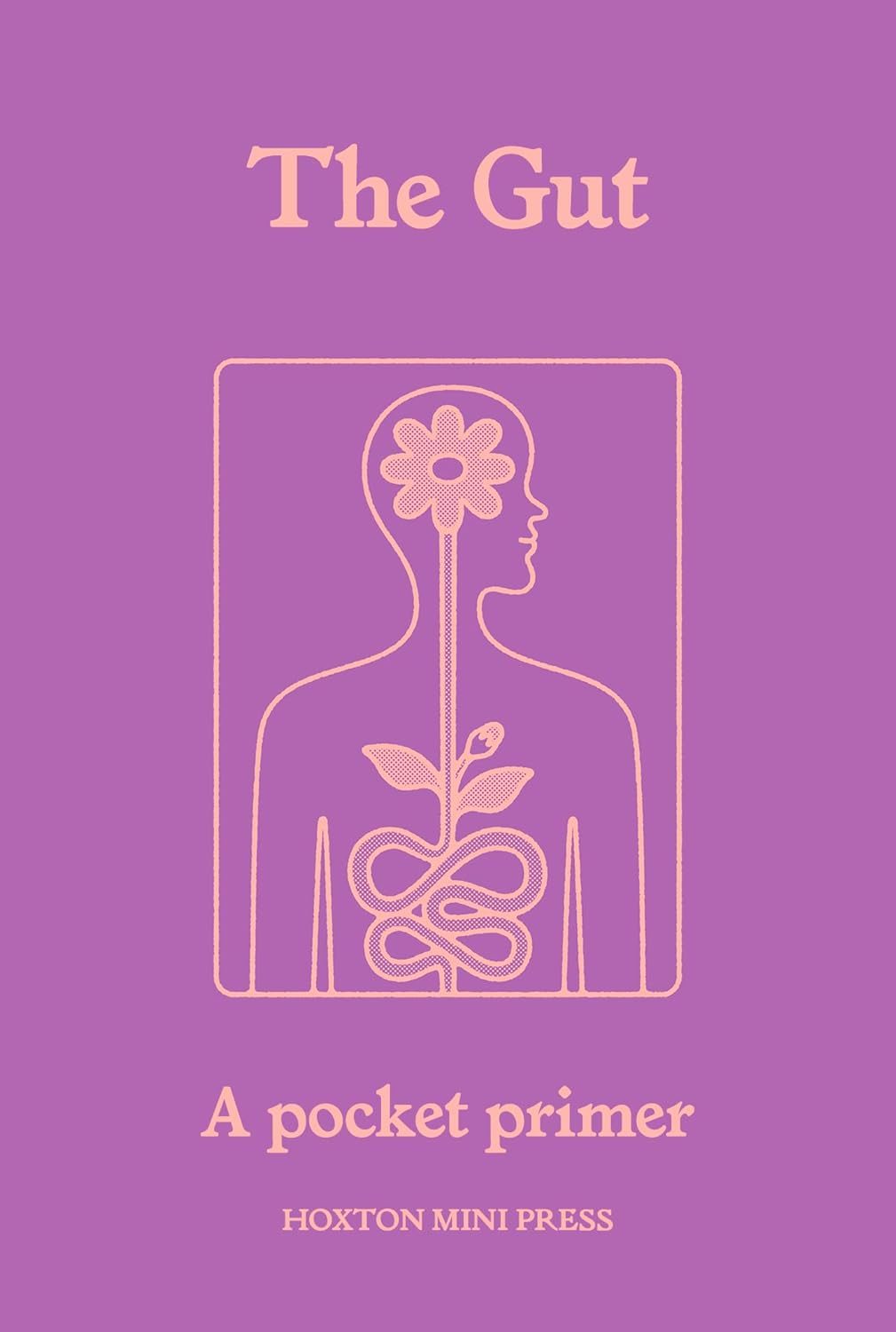
Our digestive systems are miracles of nature, yet millions of people in England spend each day popping pills to heal indigestion. Sometimes this is due to a gluten allergy. But often due to eating foods that are low in fibre and preventable conditions like constipation and IBS (irritable bowel syndrome).
Read up on food safety for people and pets (this covers foods to avoid for allergies/medications). If cooking, just bin allium scraps ((onion, leeks, garlic, shallots, chives) and tomato/citrus/rhubarb scraps, as acids could harm compost creatures.
It Takes Guts is a fun book to explain in plain English how bodies turn food into fuel – and poo! Once you know how your body works, it’s empowering to know which foods to eat and avoid. You’ll also learn about helpful bacteria and how acids break down food, without burning holes in your stomach!
What Are Gut-Healthy Foods?
Fresh fruits and vegetables, pulses (beans, peas, lentils) and whole grains are all pretty gut-friendly. Fibre adds bulk to your stools, to help prevent constipation (as long as you also drink plain water and eat slowly, to help food absorb better).
A good way to see how your tummy is, is to look at your poo! Obviously see a GP for anything serious (and don’t worry if poo turns a bit pink or black if you eat beetroot or liquorice).
Sticky poo is due too much dairy/gluten, smelly poo is too little fibre and too much acid (give up meat). Greasy poo is due to fast food (Joy McCarthy writes that if you poo looks like ‘an oil spill in the toilet’, it’s your liver and gall bladder begging for love!) Alcohol can also cause havoc, as can dehydration (rabbit poo) and too much caffeine (race car poo!)
If any of the above apply, drink more plain water, eat more plants and fibre, and slow down your lifestyle. You should notice positive changes within days.
Fermented Foods, Kefir and Kombucha
Many fermented foods are unpasteurised (and may contain caffeine or alcohol) so avoid for pregnancy/nursing, weak immunity, children and some medical conditions (IBS, leaky gut, low-salt diets, histamine intolerance and awaiting transplants).
- Sojade organic plant-based yoghurts (find in health shops) contain the same ‘good bacteria’ as dairy, without the cholesterol.
- Fermented foods include sourdough bread, sauerkraut and kimchi (both from cabbage), tempeh (an Indonesian food to replace meat) and miso (a tasty Japanese condiment).
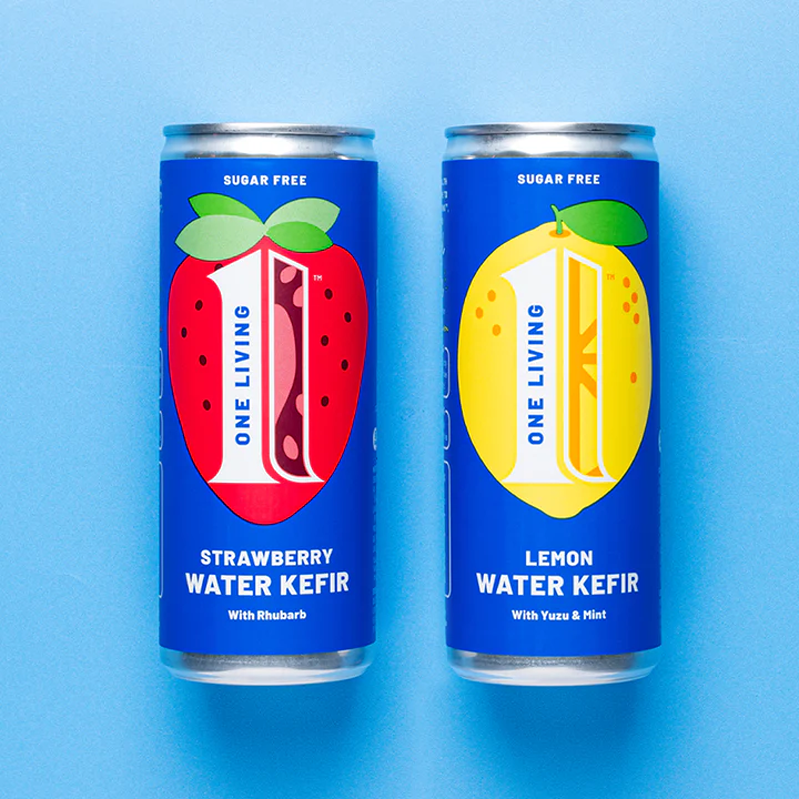
- Kombucha and kefir are usually in drinks (use store-bought versions for safety, to avoid bacteria). ONE Living (founded by rugby legend Jonny Wilkinson) also offers canned water kefirs. Choose from strawberry or lemon flavours.
Pop ring-pulls back over cans before recycling, to help avoid wildlife getting trapped.
Gut Health Supplements (in sustainable packaging)
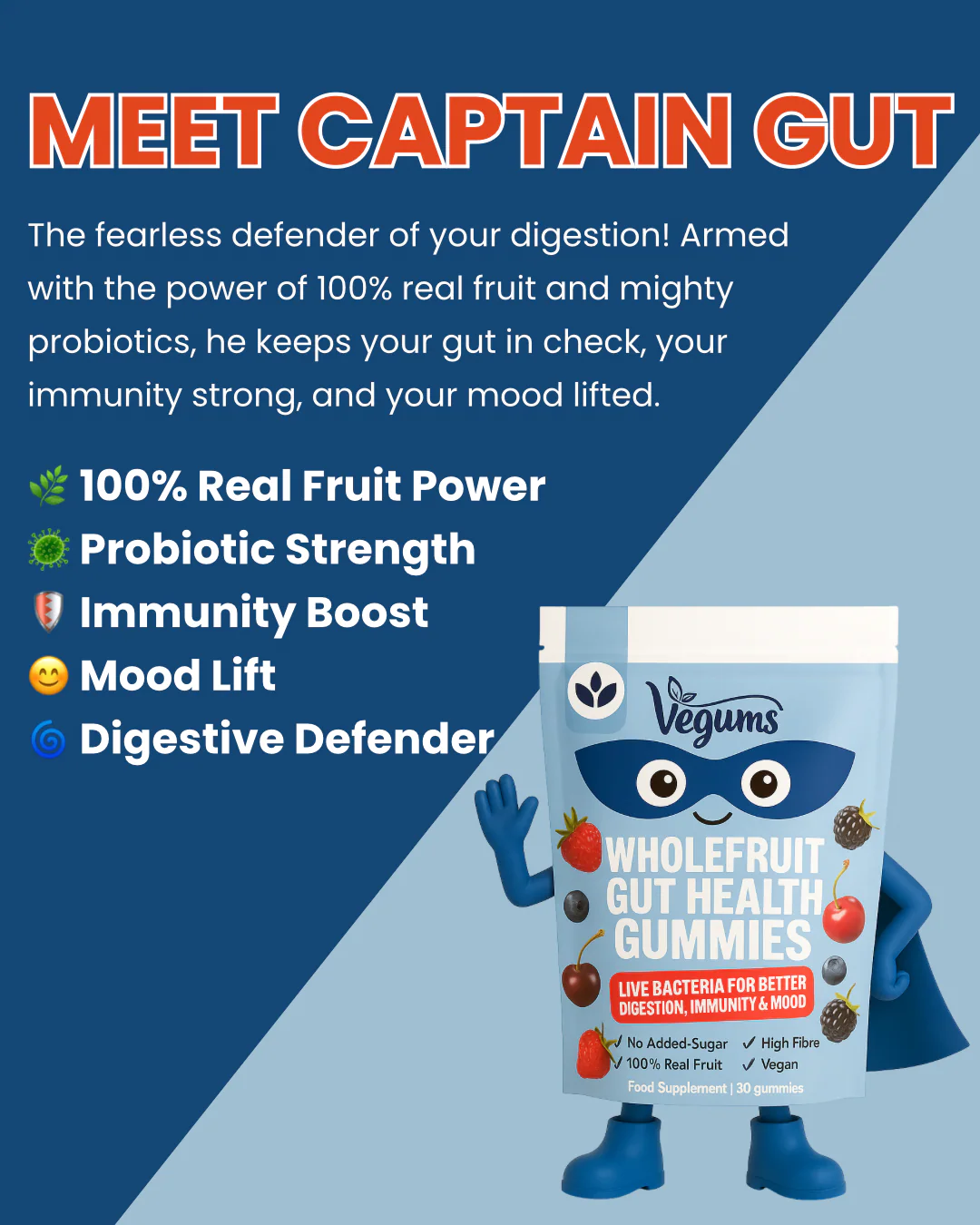
If you need a helping hand, take gut supplements 30 minutes before food and not with hot drinks, to feel benefits within a few weeks.
Consult your GP if pregnant/breastfeeding or have any medical condition (including depression), before taking these supplements. Store in a cool dark place, away from children and pets.
Vegums Gut Health Gummies are made from baked fruits and potent probiotics, sold in tins with refills in compostable bags. Just chew 2 gummies each day (for children, use Captain Gut Gummies (keep away from younger children and pets, as these look and taste like sweets).
Dr Vegan GutWorks blends 50 billion live cultures along with prebiotics and psyllium husk. Users report less bloating and wind after a month, and more settled digestion and comfort after 2 months.
Teens and older children can use it, although those under 13 may be better served by a child-friendly probiotic.
Gut Goodness is a natural probiotic/prebiotic supplement with inulin, turmeric and 8 strains of probiotics. You can decant refills into their amber glass jar (to protect from moisture and light). movements.
Feel Daily Biotic combines 14 strains of live cultures and prebiotic dietary fibre. Reviewers report less constipation, bloating and acid tummy.
Use code partner20 for 20% discount (not bundles or subscriptions). If subscribe, sign up for an account to earn discount rewards.

As we age, our bones get weaker, and joints get stiffer. That’s why not just good nutrition, but regular exercise is important. Calcium is important for strong bones, but you can get it from plant foods (leafy green veggies like broccoli and kale are good choices – check medication as some interact with vitamin K).
But regular exercise is as if not more important. That’s why eastern countries (where people eat little dairy but walk a lot) have stronger bones than people in the west, who guzzle lots of dairy, but don’t exercise as much.
Keeping bones strong helps to reduce the chance of broken bones, and leads to better quality of life in older life. In Florida, professionals put people in a care home on a regular weight-training routine. Some worried it would kill some of them off.
In fact, all got much stronger, a few no longer needed walking sticks or wheelchairs. And at least one left the care home, and went back home to live independently!
Choose Weight-Bearing Exercise
Weight-bearing exercise is usually with weights, though you can also use your own body weight. Qualified trainer Lucy Wyndham-Read offers good short free videos online. Move It Or Lose It! offers nationwide classes for seniors, or you can buy the founder’s book with resistance bands. There are also exercise options for people in wheelchairs.
Being overweight can put more strain on bones and joints (so exercise is good). And being underweight can lead to brittle bones (again exercise can help build muscles, to protect bones).
Eat Enough Plant-Based Protein
You don’t need meat for protein. Just eat a balanced diet. Unless you are starving or have anorexia, you likely already eat enough protein. The best plant-based sources legumes (beans, peas and lentils). Eat some beans on toast!
Cut Down on Salt and Fizzy Drinks
Foods that are high in salt can make your body lose calcium, through urine. So go for plain water over fizzy drinks. Try to gradually reduce too much salt in food (but there’s nothing wrong with using a little sea salt in pasta unless there’s a medical reason not to).
It’s all the hidden salt in processed foods, that’s the main problem. A plate of pasta with sea salt water – yes. Bags of salty crisps each day, not so good!
Avoid Smoking and Limit Alcohol
Smoking is known to make bones weaker, and can increase the risk of fractures. Same with alcohol, which can lead to thinner bones over time. Read our posts on how to give up smoking and where to find help for alcohol addiction.
If you drink alcohol, keep within recommended limits. In plain language (units etc), that means for most adults: one glass of wine OR one pint of beer OR 2 spirit measures (no more than 6 times a week). Of course no alcohol for driving and pregnancy/nursing – or alcohol issues.
Get a Medication Review
Many medicines can lead to bone and muscle issues. If you take medicine, ask your GP for a yearly medication review, if not already offered. This is because sometimes information updates (you may be put on other medicines, or asked to gradually reduce some). Never stop any medicine without advice.
A good doctor should be recommending lifestyle changes anyway, like better diet and exercise or even sometimes supplements, over always recommending orthodox medicine, when not always needed. Good GPs should be also offering bone density tests.
Get Enough Vitamin D

Vitamin D is important to help absorb calcium. You can get it from sunshine, but we don’t get a huge amount in England in winter months, and too much is not good either. Read our post on natural sun protection. Wash off sunscreen before letting pets lick or kiss you, due to zinc oxide.
D3 is the best absorbed, but most is from lanolin. So look for D3 version made with either sustainable algae (grown in contained farms) or lichen). Nothing Fishy is a good brand, sold in a glass jar with compostable refills.
Sustainable Supplements for Bones & Muscles

You don’t always need these. But if you GP recommends one, then choose a good brand. Magnesium is often one that is recommended for bones and muscles.
Check with GP before taking supplements if pregnant/nursing or on medication or other supplements. Keep away from children and pets.
Feel Natural Magnesium & Calcium is good for bone health, along with nerve function, sleep and relaxation. Backed by over 40 peer-reviewed scientific publications, it’s sourced from the seawater of the Irish and North Atlantic seabed around the Icelandic coast, and includes 72 natural trace minerals. You should notice results within 90 days.
Dr Vegan Magnesium Glycinate is sold in a zero waste metal tin, with refills in sustainable packaging. It’s also good for sleep. Expect results in a few weeks. You can also find magnesium in leafy greens, whole grains, legumes, nuts and seeds.
Lauren DeDecker MD says that two thirds of people in the west don’t eat enough magnesium-rich foods, and it’s best absorbed with vitamin C (in fruit and veg). Because magnesium relaxes muscles, it sometimes can relieve heartburn and constipation – it’s even sometimes used as a laxative for prepping patients for colonoscopies.
The American Headache Society and American Academy of Neurology both say that magnesium is ‘probably’ good to help prevent migraines.
OsteoFriend is a daily supplement designed to support bone strength, muscle function and joint comfort. It brings together nutrients your body uses to build and maintain healthy bone tissue, relax and power muscles, and soothe overworked joints.
It’s a shame that lentils don’t receive the love they deserve in England. In Italy, everyone eats them, whether they are vegan/vegetarian or not. Native to the Middle East, lentils are cheap, tasty, nutritious and filling.
Throw them into your pasta sauce for a protein-rich dinner. Blend them in soups and stews, or add to fresh salads, for a filling lunch.
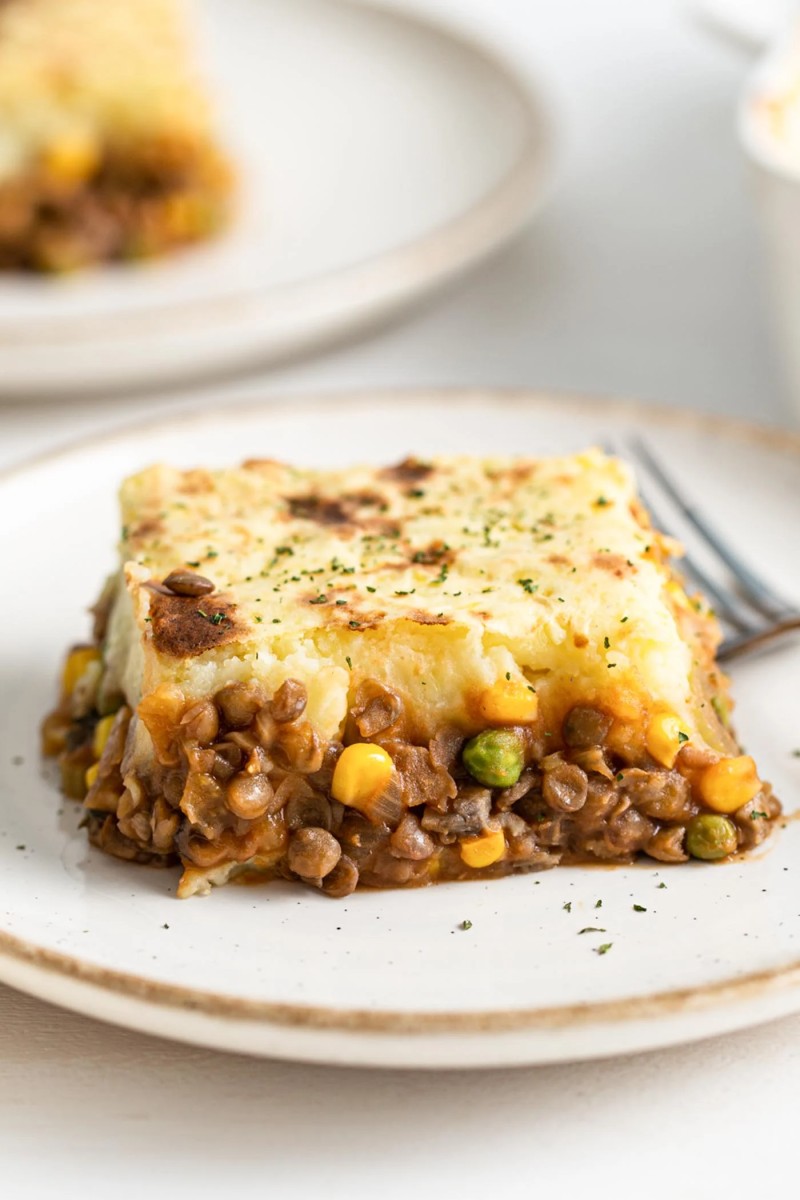
This lentil shepherd’s pie (Running on Real Food) subs the meat with lentils – more healthy and animal-kind!) You’ll never miss the meat with this hearty mushroom lentil filling, topped with creamy mashed spuds. It’s ready in 1 hour, and leftovers keep in the fridge (in a covered container) for a short time.
Read up on food safety for people and pets (onion, garlic and spices are unsafe near animal friends). Bin allium scraps (onion, garlic, leeks, shallots, chives) as acids may harm compost creatures (same with tomato/citrus/rhubarb scraps).
There are three main types of lentils:
- Red lentils are the easiest to cook, but tend to be less likely found in tins. So if buying from stores in plastic bags, you can recycle the packaging at supermarket bag bins, if your kerbside does not recycle. They take around 20 minutes to cook in water. They go quite mushy, and are nice in all recipes.
- Green and brown lentils are more ‘earthy’ in flavour. These take longer to cook, but are the best choice to replace meat in dishes like vegan shepherd or cottage pie, and hold up better if making lentil burgers.
- Black lentils are not so easy to find, but again are more dense in flavour.
Before recycling tinned lentil cans, pop the lid inside the can or pop the ring-pull back over the hole, to avoid wildlife getting trapped).