Simple Swaps for More Sustainable Schools
Schools are usually large buildings, so just one inspired headteacher can make a huge difference. For example, most people can’t afford to put a solar panel on their roof (and if they did, it would take years to break even).
But a big school can not only get grants, but end up powering their school for nothing, and even funding projects, by selling excess energy back to the grid. Use natural house paint on walls and ceilings.
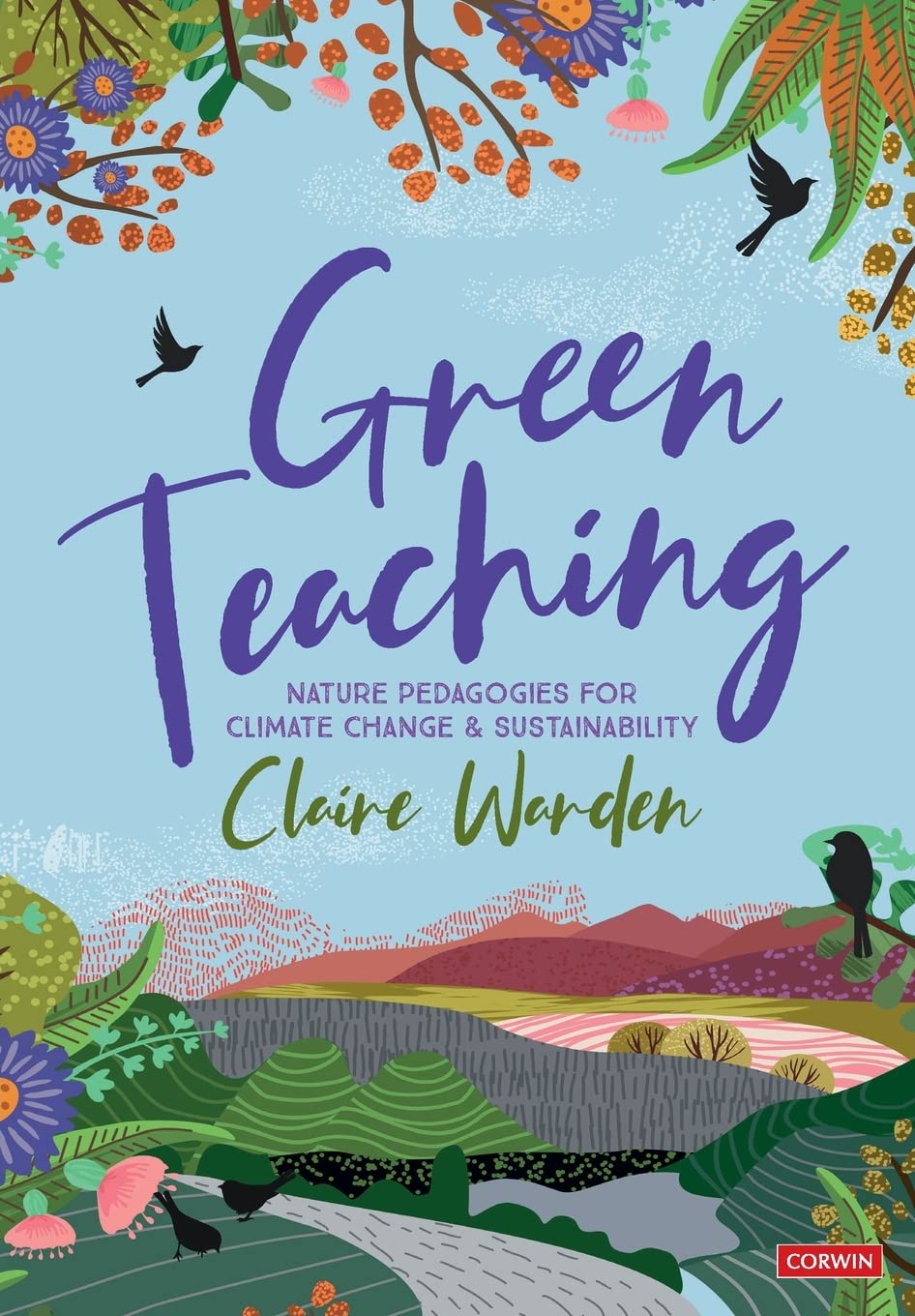
Green Teaching is a book on helping teaches to embrace ecological choices and to use nature as the location for learning, to help transform how children are taught. The author draws on international research and case studies to offer ways to transform how children are taught about environment and nature.
Paper, printing, pens and glue
Paper is still one of the biggest sources of waste in schools, mainly because it’s so easy to press print. Choose post-consumer waste reams of paper from office supply stores, to save trees.
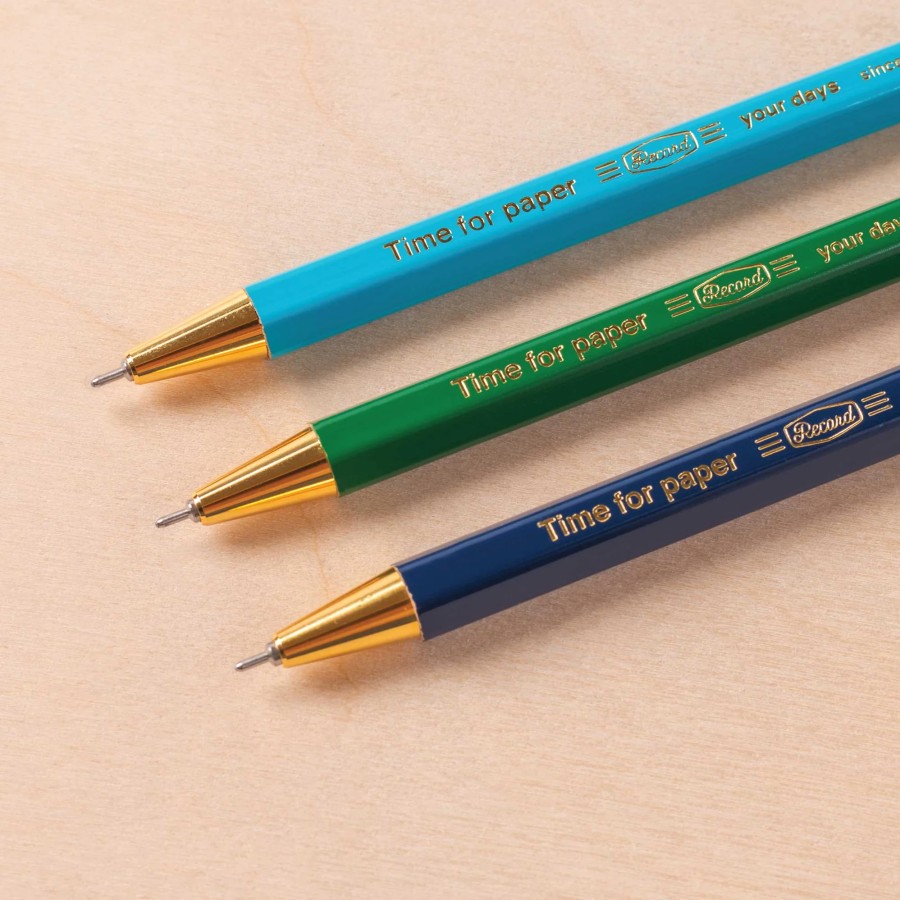
Whiteboards are a common culprit. Refillable whiteboard markers cost more upfront, but they cut plastic waste and stop the last-minute panic when pens dry out. The same applies to refillable pens for staff, especially in the office and at reception where pens vanish daily.
Choose water-based glues (still keep away from children and pets).
Plant-based catering and packed lunches

Forest Green Kitchen offers plant-based catering options in compostable packaging (with no palm oil) that is both delicious and nutritious. Also read our post on the best zero waste reusable lunch boxes.
Biodegradable Cleaning & Bathroom Options

Many zero waste feminine care brands now offer machines for public toilets, so you can offer plastic-free options to female students.
Choose biodegradable cleaning brands and plastic-free cloths for housekeeping staff, and public areas like toilets, for better health and to reduce plastic waste (most sold in bulk are in refillable containers which also save money long-term). Choose unscented ideally to avoid issues with allergies.
Delphis Eco offers biodegradable urinal blocks, that are vegan and not tested on animals.
Join the Eco Schools Program
Eco Schools is a worldwide community, who are going through ten topics to qualify. From From zero waste to litter clean-ups to growing food.
The program is funded by the £200 charged to qualifying schools to display a Green Flag, which also links you to other eco schools worldwide. The fee could be from pooled donations, school budgets or even councils (who will pay less for clean-up, so it balances out, you may even save money).
The Ten Topics to Graduate!
- Biodiversity – helping local plants, insects and animals thrive
- Energy – reducing energy and switching to clean providers
- Global citizenship – taking an active role in communities
- Healthy living – plant-based, organic and seasonal food
- Reducing litter – to help the planet and local wildlife
- Marine – protecting local water systems and creatures
- School grounds – improving for children, staff and wildlife
- Transport – encouraging walking and school buses
- Waste – refuse, reduce, reduce, repair and recycle
- Water – value and preserve our most precious resource
Asphalt to Ecosystems (schoolyard transformations)
Asphalt to Ecosystems (only now as an e-book) is a wonderful resource for schools that wish to transform ugly unused spaces into green outdoor spaces for schools, including green parks and playgrounds, to spaces for growing organic food. It includes case studies and 500 photos.
Read more on no-dig gardening and humane slug/snail deterrents. If you live with animal friends, read up on pet-friendly gardens (some recommended flowers and fruit trees are not safe). Also avoid netting to protect food (just leave some for wildlife!)
Sharon Gamson Danks is on the board of Green Schoolyards America (which she founded), where you can find lots more ideas, case studies and resources. She is an environmental city planner who has helped to shape the green schoolyard field for over 20 years.
She holds master’s degrees in landscape architecture and city planning, and a Professional Certificate in Natural Resource Management. She is the mother of two expert playground testers, who are now off on adventures of their own.
Our Lady of Sion Schools (eco-friendly learning)
Our Lady of Sion School in Worthing (West Sussex) is one of a worldwide network of schools (they are private, but not as expensive as many and offer concessions) that could inspire state schools, in the way they are run and how they teach.
Founded by two extremely wealthy Jewish brothers who later were baptised into a Jesuit Catholic order, the schools accept people of all faiths, and their religious education promotes respect for all beliefs.
The school’s motto is ‘Consideration always’.
The brothers’ history is interesting. One became a Catholic priest and was rejected by his family, including his brother. But as the second brother was visiting Rome just before marriage, he had a vision of the Virgin Mary, and fell on his knees:
In the presence of the Blessed Virgin Mary, although she did not utter a word, I understood the horror of the state of my soul, the hideousness of sin, the beauty of the Catholic religion. In a word, I understood everything.
On his return home, his fiancée rejected his newfound faith, and he also became ordained as a priest. Together they used their wealth to found an education movement based on love and respect for God and each other.
They helped to found a ‘Convent of the Sisters of Sion’, and it was these sisters who arrived in Worthing, which led to the founding of the school. Back in the day, there was also an adjacent free school for local orphans and children in poverty.
What makes these schools special is that all focus on serving up nutritious organic food (often from their own gardens). Worthing’s school (the only one presently in England, most of the others are in the USA, Costa Rica, France, Turkey or Australia) is completely plant-based (everything is also free from palm oil and the 14 major allergens).
As well as becoming the first school in the UK to serve fully vegan food (a decision made in consultation with students and parents), it has consistent excellent ratings for education and happiness. Typical meals served include:
- Fillet Fisch Burger with tartare sauce and chips
- Butternut squash and sweet potato tikka masala with rice
- Tofu tacos with Asian slaw
Previous alumni include:
- Nuala Quinn-Barton (the Irish film producer of Goodbye Christopher Robin, the biopic of A A Milne, who wrote the Winnie the Pooh books).
- Actor Noah Huntley (who grew up on a nearby Sussex farm). He embraced the veggie lifestyle as an adult, saying he loves whizzing up a smoothie for breakfast, snacking on hummus and salad, and wished the world had more vegan shoes!
Is Downe House England’s Greenest School?

Downe House (Berkshire) is working to become one of the most environmentally-friendly schools in England. It has won the top eco school award and has its own eco student committee.
It has no plastic bottles, a crisp packet recycling scheme and only uses free-range eggs (and holds Meat Free Mondays for everyone).
Food waste is collected to make into biogas, all lighting is LED, cups are made from bamboo and they plant trees and flowers for bees. Even old uniforms are gifted to help others.
Originally founded in Charles Darwin’s former home in Kent, 3o-year old ‘Miss Olive Willis’ had strong ideas on how girls should be educated. Today the school focuses on compassion and even helps out at local allotments.
Well-known graduates are comedienne Miranda Hart, TV presenter Clare Balding and actress Geraldine James.