St Ives, Cornwall (named after an Irish Princess)
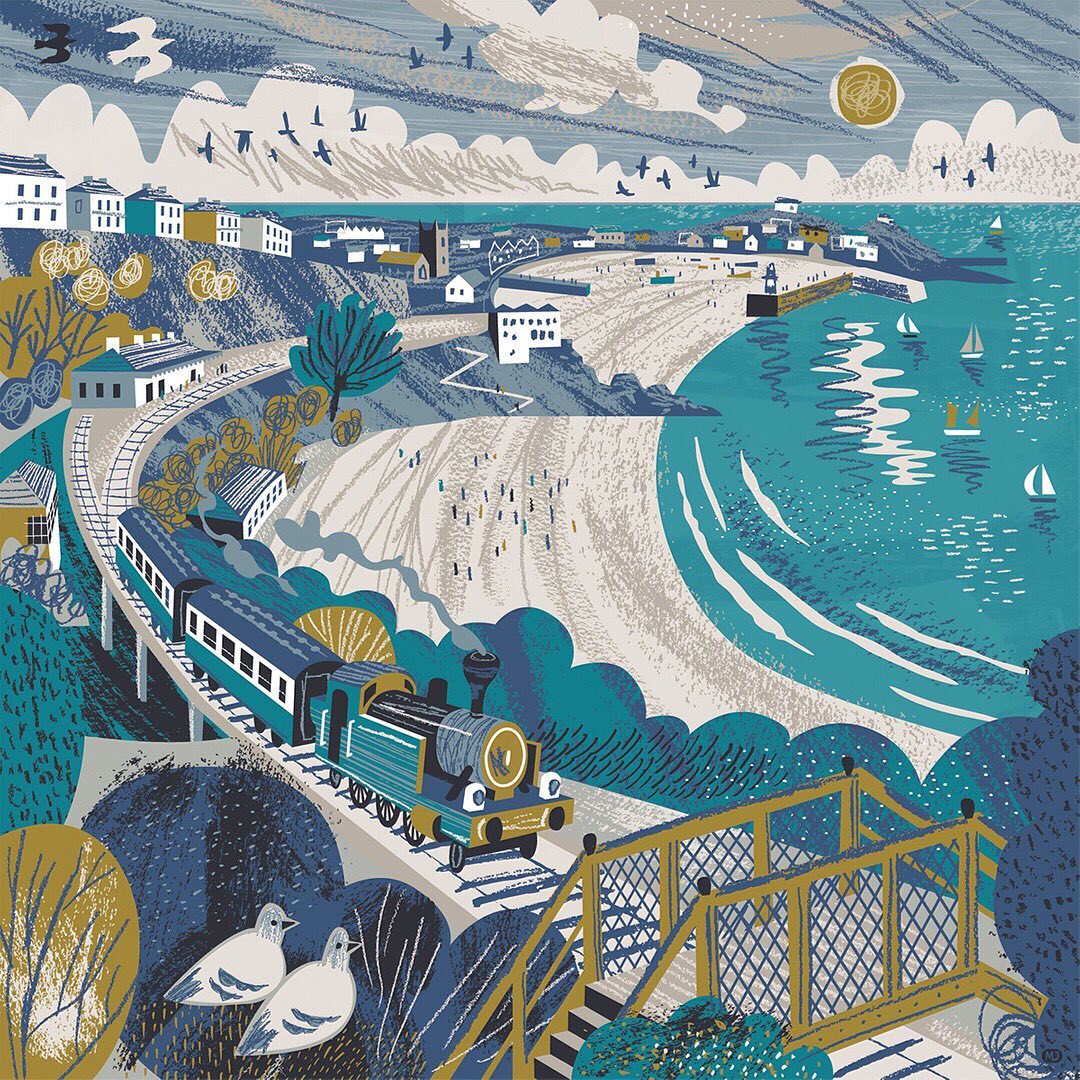
Cornwall is a fairly small county on the tip of southwest England, and surprisingly one of its less affluent as one of the only incomes these days is tourism. This has led to an influx of empty second-homes.
If out walking, always follow the Countryside Code to keep all creatures safe. If at the coast, read about how to keep dogs safe by the seaside.
Don’t walk on sand dunes (to protect endangered natterjack toads) and keep you and dogs away from coastal birds and flowers (some are toxic) and seals. Join the campaign to ban flying rings, to help local seals.
St Ives is one of Cornwall’s most popular holiday destinations, and popular with sustainable surfers and painters (due to its unique light). However, it is one of the towns where so many Londoners have second homes that remain empty most of the year, that it’s pushed property prices up for locals.
A ‘not for sale’ Ancient Green Door
The ‘green door of St Ives’ has peeling paint and is over 200 years old. The owner was offered an obscene amount of money by the local Tate Gallery to buy it, but it’s not for sale. In fact, the owners had the door listed, so it stays put. He asked ‘Where am I going to find another 207-year old door?’
Was St Ives named after an Irish princess?
Legend is that St Ives was named after Irish princess Ia. She was planning to visit Cornwall from Ireland with other saints. Finding herself alone, she began to pray. She then noticed a small leaf on the water. She watched it grow bigger. So embarked up on it – and it carried her across the Irish sea to St Ives!
Cornish place names and early Christianity
When historians look at names like St Ives, they usually start with the obvious clue: “St”. Across Cornwall and the wider South West, many place names connect to early Christian sites, chapels, and saints’ cults. Over time, dedications and local speech can shape the spelling and sound in ways that aren’t tidy on paper.
Evidence tends to come from a mix of sources: later written references, church dedications, and patterns in place names. That means certainty is rare, especially for the early period. Still, the consistent link between St Ives and a saintly figure called Ia (or a close variant) is part of why the saint explanation holds weight.
So the simple takeaway is this: St Ives is very likely connected to a saintly Ia tradition, and may reflect real Irish movement and influence, but the exact biographical details sit beyond what we can prove.
Why an Irish link to St Ives makes sense
Even if the princess part stays uncertain, Ireland and Cornwall connecting across the water is not a stretch. In fact, it’s the most believable part of the whole tale. Look at a map and it feels like distance. Stand on the coast and it feels like a route.
In the early Christian period, stories of holy people moving between shores appear across Celtic regions. Names, devotions, and small religious foundations travelled with them, then took local shape.
Shared Celtic roots and faith shaped stories
Cornish and Irish sit within a wider Celtic family, and that shared background matters. Early Christian communities often carried saints’ stories across regions, then rooted them in local places. A reputation could spread first, and the details could fill in later.
Harbours, old lanes and quiet corners
From the harbour, wander into older lanes, and see the scale change quickly. Look out for hurch spaces and memorial hints, including the parish church dedicated to St Ia. Even if you don’t go in, it’s a reminder that faith once organised daily life as much as shopping does today.
Finally, take a breather at a viewpoint, either near the headland or above the harbour line. From up there, you can see how St Ives curves around shelter and access, like it grew from practical needs first.
Local art, museums, and books
St Ives is famous for art, and that’s part of its modern identity, not a side note. Places like Tate St Ives, the Barbara Hepworth Museum and Sculpture Garden, and the St Ives Museum can add depth to a visit, because they show how the town explains itself.
Local museums and heritage boards often mention the naming tradition, sometimes with careful wording. Pay attention to how they phrase it. “Said to be” and “traditionally linked to” usually signal uncertainty.