Start a Tiny Business (and keep it small)
Ethy is a great app that is being used to verify sustainable businesses, to enable consumers to cut through greenwashing, and support businesses that are truly doing good. In a recent survey, over 75% of people are wishing to boycott companies that harm the planet.
Trusted by hundreds of brands, member businesses simply complete an application form, then pay a small fee to use the attractive coloured verification labels on their literature, website and social media.
What Labels Does Ethy Offer?

The idea is that these labels (developed by sustainability experts) become ‘the new norm’ to trust. You can choose the ones that suit, then use these to show customers that you truly care. The labels include:
- Vegan
- Climate-friendly
- Donate to charity
- UK-made
- Female-owned
- Reviews from Businesses
Why Use Sustainability Labels?
Many businesses that can prove their sustainability, enjoy a 30% increase in conversions. Most customers are prepared to pay a little more when they trust a brand’s green credentials.
Genuine User Reviews
Ethy’s independent verification is a key part of our business plan, and underpins a lot of what we do. The Sustainable Watch Co.
We started using Ethy, as we wanted a solution for better authenticating our sustainable credentials to customers in an efficient and beautiful way. Cosy Panda
Ethy has served as our trusted roadmap, connecting us with partner programs to address carbon emissions, renewable energy and recyclable packaging changes. UK Radiators

It’s good to launch a small business that gives you income, if you prefer to work for yourself. But likely your quality of life will be better, if you launch a tiny business, and keep it small. As long as you have enough money to support yourself (and donate a little to favourite causes), a tiny business will likely you better quality of life.
You can work less hours and have a better life-work balance, and have far lower overheads, especially if you work from home. Read The Magic of Tiny Business, by a Canadian who runs a tiny eco-friendly bag company. She runs a successful enterprise, yet still has time to visit her children’s sports days!
When you wanted to do something your parents or teachers didn’t like, you may have heard the question: ‘If everyone else jumped off a bridge, would you?’ Then you grow up and people start expecting you to behave as they do. It’s almost as if they are asking ‘Hey, everyone else is jumping off the bridge. Why aren’t you?’ Chris Guillebeau
Simple living blogger Courtney Carver downsized her life when diagnosed with MS, and has earned a good living online for years writing books and courses, while keeping her business small. She writes that ‘busy work’ (checking emails, attending meetings) is very different from ‘good work’ (doing something useful, to help others).
Pick the Right Idea for Your Tiny Business
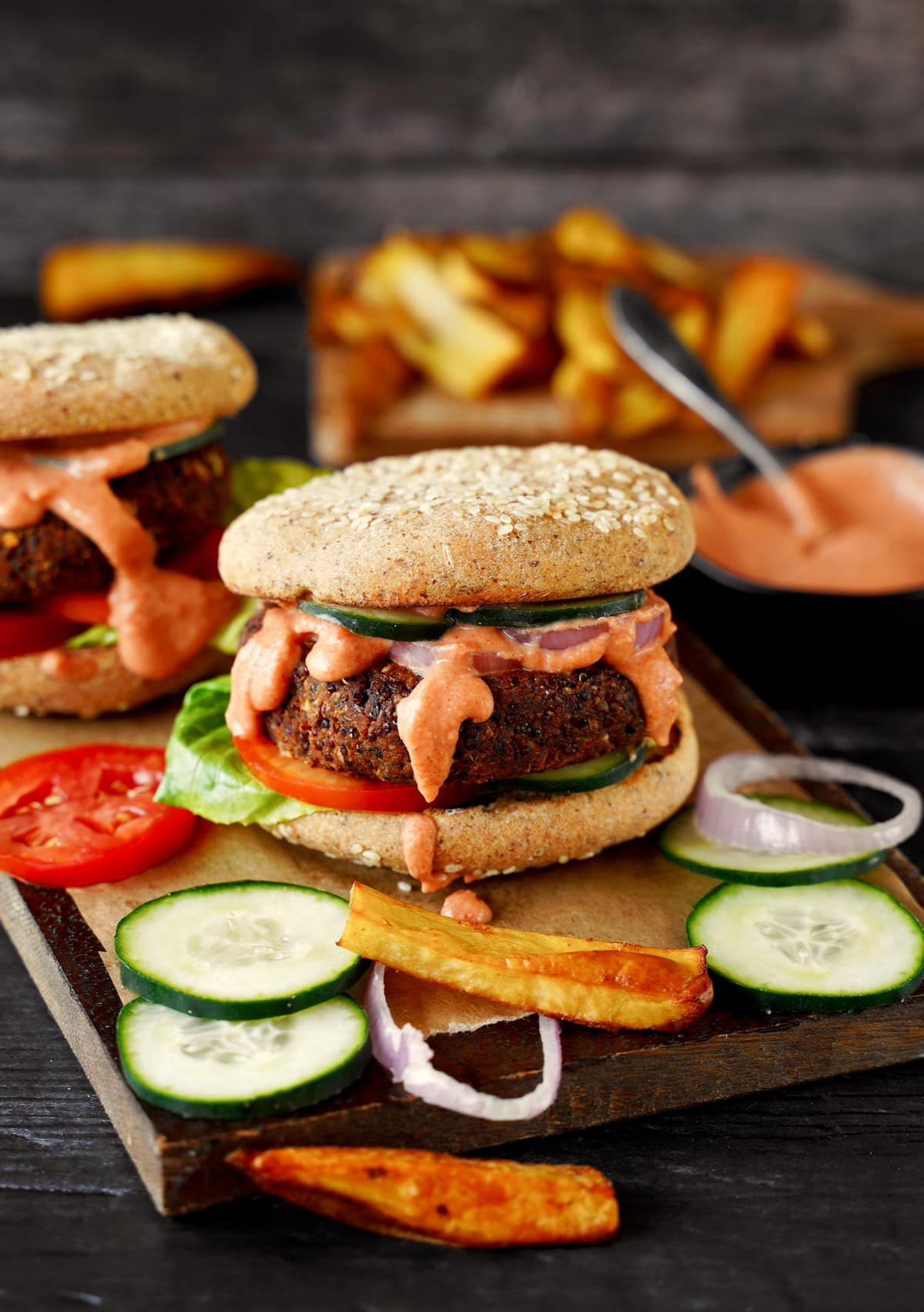
What do you enjoy doing? It’s important to do something on a tiny level, or else you may not enjoy it anymore. Say you like cooking – if you then work for a big restaurant, you’ll be so stressed, you may lose the love for it. But creating a tiny home vegan baking business, you likely will retain your love for your passion.
Whether it’s dog-walking or graphic design, choose a profession you love, but keep it small to keep it ‘relaxed’, rather than making it a source of stress.
As an example, a home chef may sell produce at weekend markets. She can take pre-orders online to avoid baking too many items, to keep costs and stress low. Then spend weekday afternoons with her children, after school.
100 Things Successful People Do is a great little read of ‘dip-in’ advice, divided into short chapters to put advice into practical action tips. Stay focused and honest, live mindfully, seek simplicity, say goodbye to toxic people, spend time outside in nature, help the planet and leave a legacy.
Set Clear Goals to Guide You

Goals give direction and save time. Short-term goals cover the next one to three months. Long-term goals cover six to twelve months. Keep both in view. The short term creates momentum. The long term sets the path.
Good Tuesday goal planners are beautifully designed, printed on recycled paper, and sent in plastic-free packaging. Goals also help you to manage your funds well. List income sources and fixed costs, and set aside money for savings (and taxes).
Set up a Simple Small Business Account
Like personal current accounts, good business accounts will be covered by the Financial Services Compensation Scheme up to a certain amount (check before opening an account). In most cases, you can use each bank’s easy switching service.
You’ll have to verify your identity (a full passport (read photo rules) – post offices can take your photo on a smartphone if you don’t have one, and send it all off on your behalf. A full birth certificate and full driving licence are also good to help acceptance. Other options are Citizen Card and Post Office Pass Card.
Most simple business bank accounts these days are app-based:
- Starling offers a free digital business account, used by over 500,000 UK businesses.
- Monzo again has over 500,000 customers. 92% of accounts are opened the same day.
- Tide lets you open a free business current account in minutes.
- Anna lets you open a UK business account with sort code in minutes, if you have ID to hand.
If you prefer a more ‘traditional’ bank account, Reliance Bank gives up to 75% of profits to the Salvation Army (to help homeless people). And Unity Trust Bank offers current and savings accounts to help businesses that help communities.
It’s not good to get loans if you don’t need them. But Co-operative & Community Finance offer help for people setting up co-ops and social enterprises (community pubs, charities and community energy)
There’s the old adage of ‘do what you love and the money will follow’. Of course that’s not always true. If your passion is to run an animal sanctuary or homeless shelter, it’s likely you won’t become a millionaire.
But you’re probably be a lot happier than an burned-out trader in the city who is making a lot of money, but would rather help out at a soup kitchen. And if you have no talent to sing or paint, accept that nobody is going to pay you!
But if you’re stuck in a job you hate (or have a talent going to waste), you could free up time to earn decent income, doing what you love.
If you intend to cook or grow/sell plants/flowers, read our posts on food safety for people and pets and pet-friendly gardens.

Just Making is a guidebook for writers and artists. Work that fits your interests lifts your mood and your stamina. You show up more, you learn faster, you stick through the hard times. This means better mental health, and more creativity with steady motivation. Passion does not remove effort, but it makes that effort feel useful, and keeps you going, when results take time.
Don’t Waste 80,000 Hours of Your Life!
80,000 Hours is a guide based on over 10 years of research alongside academics at Oxford, on finding a job that you like, and does good. Working until retirement age (full-time) means 40 hours a week for 50 weeks a year for 40 years. That’s 80,000 hours, so choose to do something you love, to leave a legacy.
Make the right choices, and not only have a more rewarding and interesting life, but help to solve some of the world’s most pressing problems. Rather than work long hours to contribute to problems we already face ((climate change, animal abuse, war, unhappiness, stress, consumerism).
Most career advice focuses on how to write CV and to ‘follow your passion’. This is not always possible (your passion may be teaching elderly people to navigate the subway, but it won’t make you a living).
Likewise, if you passion is building big online stores to put indie shops out of business, your passion then negatively affects the lives of others. Those people then become unemployed, and are unable to serve their community (say running an independent bookshop).
Author Benjamin Todd is co-founder and president of 80,000 Hours, an indie non-profit founded in Oxford which offers online and in-person advice.
Pray As You Go (an Ignatian Catholic online prayer sanctuary) has an article on ‘the seeds of vocation’
Every seed grows up into a unique plant… it gives life and nourishment… it gives colour and vigour… it creates shade for all who pass by… take a moment to imagine that you are holding some seeds in your hand… you cannot know what plant they will become… but you trust that one day they will bear fruit…
Now imagine that those seeds are the seeds of your vocation… the gifts or talents you possess… the challenging experiences you have been through… the dreams and desires that sustain you… what does God want to tell you about those seeds…?

There is no doubt that we humans are creative peeps. And like it or not, often people buy from small brands that have an artistic brand (logos, business cards, web banners). But you don’t have to pay a fortune for pretty designs.
Many fellow small businesses offer pre-made branding, you just adjust the text to receive a cohesive brand design, often for just a few pounds. If you don’t have skills or software to amend the titles or colours, usually the designers can do this for you, at a small added cost.
Know Why You’re In Business
It’s known that people are prepared to pay a little more, for small independent brands that have good ethics. So rather than focus just on ‘making money’, do a little work on yourself to discover why you are in business, and what you wish to do to help society.
This makes it a lot easier to build a consistent brand, which will help you decide on a mission statement, tag lines, colours, fonts and images.
Be Consistent
If you look at successful brands, they tend to be consistent. The big unethical brands have often not changed their logos and colours for decades, as this builds trust (even from untrustworthy companies).
So do the same. Take the time to come up with a good brand design that you like, and try to keep it for at least a few years, so people get to feel comfortable and cosy with your brand and message.
Know Your Audience
Who buys your products or services? Where do they live, what are their values? Never think of your brand as ‘What can I sell to them?’, but more ‘How can I help them?’ This helps to build trust, so that you should end up with less customers or clients, but ones who remain loyal for years.
Learn a Software (or don’t!)
If you have some techy skills, free programs like CANVA are useful to build your own brand from affordable templates. But if you find this difficult, it’s often easier to just hand this part over to those who have the skills, so you can save time, and focus on your business (and your life!)
CANVA is also good for non-profits, to create free and affordable posters for community events, pet adoption drives and call-outs for volunteering.
You Don’t Need All the Designs!
Most designers offer a wide range of design options across a given theme. But often you don’t need all of them. For instance, if you run a small shop with a website, you likely only need a pre-made logo, perhaps an image for your cloth bags (so customers can advertise around town) and a web banner.
If you don’t have an Etsy shop, social media or email marketing newsletters, save yourself some time and money, and only choose the few items that you need, rather than confusing ‘bundles’.
Choose a Talented Affordable Designer!
Just because someone offers budget pre-made design, does not always mean that he or she has much talent! Spend a few pounds more on designers who have lots of talent and good reviews, then you won’t regret your purchase.
Here are a few talented designers to consider:
Anouska Rood offers pretty CANVA templates for e-books and brochures that you can amend yourself, or have her do it for you. Just pop your info on the pre-designed table of contents and covers, drop photos into layouts, and find pre-designed copyright, planners, worksheets and checklists.
The slide deck templates let you build your own courses, with space for success stories and testimonials. Anouska also offers quick techy design fixes, with top-notch customer service, from over the pond in The Netherlands.
The Design Pixie is a small business run by a young Aussie creator, who offers gorgeous colourful pre-made designs from logos to web templates to price list templates. Everything is super-affordable, and you can create a consistent brand, to fit your particular style.
Bluchic offers nice CANVA templates for bloggers who use social media. You can use these stand-alone, or use them with one of the company’s pretty WordPress theme, to brand your small business.