Start a Tiny Business (and keep it small)

It’s good to launch a small business that gives you income, if you prefer to work for yourself. But likely your quality of life will be better, if you launch a tiny business, and keep it small.
As long as you have enough money to support yourself (and donate a little to favourite causes), a tiny business will likely you better quality of life.
Also read how to set up a simple business account.
When you wanted to do something your parents or teachers didn’t like, you may have heard the question: ‘If everyone else jumped off a bridge, would you?’
Then you grow up and people start expecting you to behave as they do. It’s almost as if they are asking ‘Hey, everyone else is jumping off the bridge. Why aren’t you?’ Chris Guillebeau
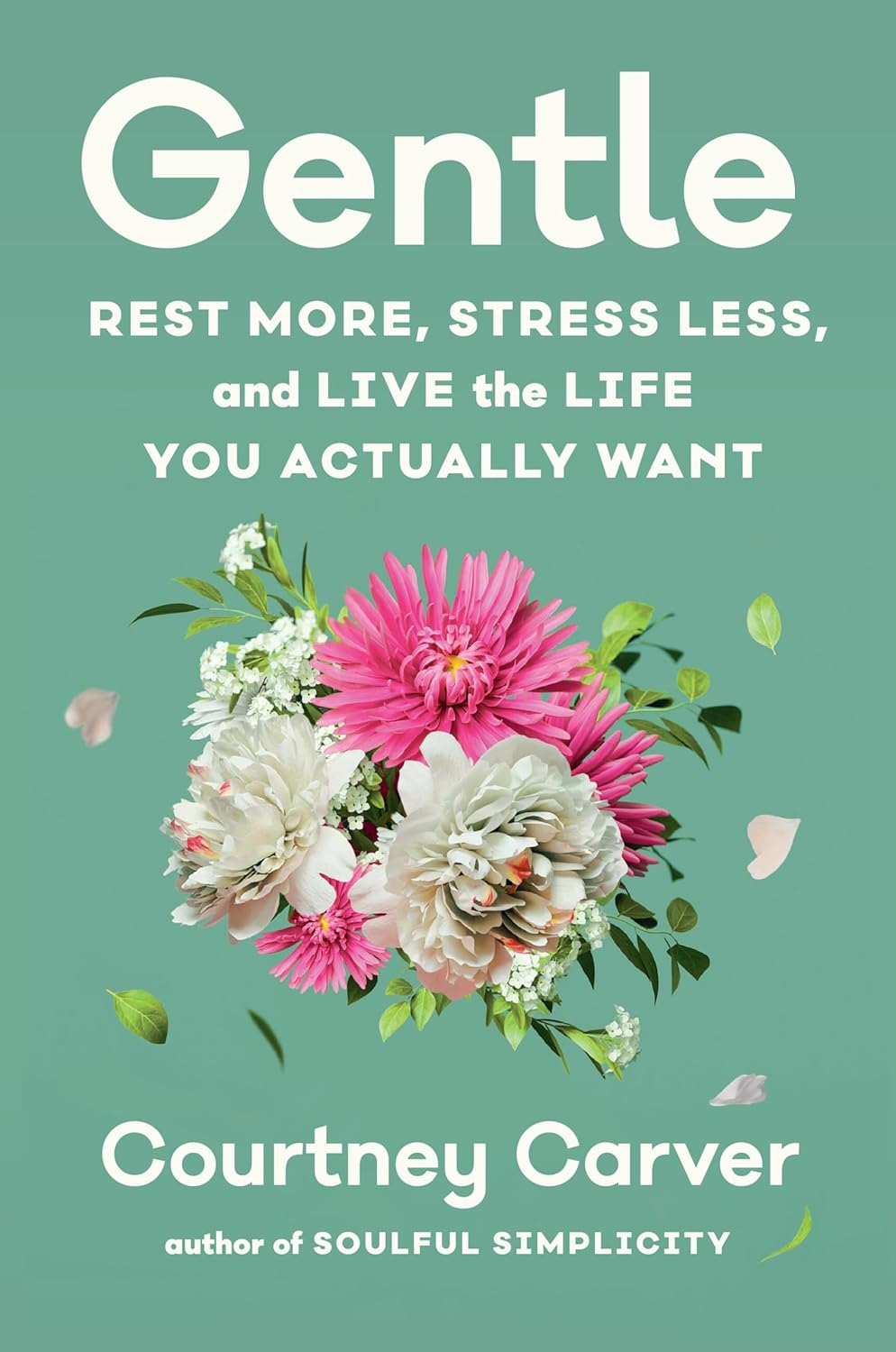
Simple living blogger Courtney Carver downsized her life when diagnosed with MS, and has earned a good living online for years writing books and courses, while keeping her business small. She writes that ‘busy work’ (checking emails, attending meetings) is very different from ‘good work’ (doing something useful, to help others).
Pick the Right Idea for Your Tiny Business
What do you enjoy doing? It’s important to do something on a tiny level, or else you may not enjoy it anymore. Say you like cooking – if you then work for a big restaurant, you’ll be so stressed, you may lose the love for it. But creating a tiny home vegan baking business, you likely will retain your love for your passion.
Whether it’s dog-walking or graphic design, choose a profession you love, but keep it small to keep it ‘relaxed’, rather than making it a source of stress.
As an example, a home chef may sell produce at weekend markets. She can take pre-orders online to avoid baking too many items, to keep costs and stress low. Then spend weekday afternoons with her children, after school.
100 Things Successful People Do is a great little read of ‘dip-in’ advice, divided into short chapters to put advice into practical action tips. Stay focused and honest, live mindfully, seek simplicity, say goodbye to toxic people, spend time outside in nature, help the planet and leave a legacy.
Set Clear Goals to Guide You

Goals give direction and save time. Short-term goals cover the next one to three months. Long-term goals cover six to twelve months. Keep both in view. The short term creates momentum. The long term sets the path.
Good Tuesday goal planners are beautifully designed, printed on recycled paper, and sent in plastic-free packaging. Goals also help you to manage your funds well. List income sources and fixed costs, and set aside money for savings (and taxes).
There’s the old adage of ‘do what you love and the money will follow’. Of course that’s not always true. If your passion is to run an animal sanctuary or homeless shelter, it’s likely you won’t become a millionaire.
But you’re probably be a lot happier than an burned-out trader in the city who is making a lot of money, but would rather help out at a soup kitchen. And if you have no talent to sing or paint, accept that nobody is going to pay you!
But if you’re stuck in a job you hate (or have a talent going to waste), you could free up time to earn decent income, doing what you love.
If you intend to cook or grow/sell plants/flowers, read our posts on food safety for people and pets and pet-friendly gardens.

Just Making is a guidebook for writers and artists. Work that fits your interests lifts your mood and your stamina. You show up more, you learn faster, you stick through the hard times. This means better mental health, and more creativity with steady motivation. Passion does not remove effort, but it makes that effort feel useful, and keeps you going, when results take time.
Don’t Waste 80,000 Hours of Your Life!
80,000 Hours is a guide based on over 10 years of research alongside academics at Oxford, on finding a job that you like, and does good. Working until retirement age (full-time) means 40 hours a week for 50 weeks a year for 40 years. That’s 80,000 hours, so choose to do something you love, to leave a legacy.
Make the right choices, and not only have a more rewarding and interesting life, but help to solve some of the world’s most pressing problems. Rather than work long hours to contribute to problems we already face ((climate change, animal abuse, war, unhappiness, stress, consumerism).
Most career advice focuses on how to write CV and to ‘follow your passion’. This is not always possible (your passion may be teaching elderly people to navigate the subway, but it won’t make you a living).
Likewise, if you passion is building big online stores to put indie shops out of business, your passion then negatively affects the lives of others. Those people then become unemployed, and are unable to serve their community (say running an independent bookshop).
Pray As You Go (an Ignatian Catholic online prayer sanctuary) has an article on ‘the seeds of vocation’
Every seed grows up into a unique plant… it gives life and nourishment… it gives colour and vigour… it creates shade for all who pass by… take a moment to imagine that you are holding some seeds in your hand… you cannot know what plant they will become… but you trust that one day they will bear fruit…
Now imagine that those seeds are the seeds of your vocation… the gifts or talents you possess… the challenging experiences you have been through… the dreams and desires that sustain you… what does God want to tell you about those seeds…?
Avoid Small Business Overwhelm (how to delegate!)
Everyone’s different. And sometimes no matter how talented or visionary or creative you are, it’s often time that you need to ask for help, for people to do jobs better than you can!
No man (or woman) is an island. And if you struggle and waste time getting all the stuff done that you can’t do (or have to pay someone else you don’t know to do it for you), it can be time-consuming or expensive or both.
So why not reach out to someone who shares your vision and goals, but perhaps has better skills than you? Then you can focus on the skills and talents that you have, that perhaps they don’t!

Sometimes a small simple project turns into something bigger, and it causes overwhelm. And if you get overwhelmed, then you can’t do the job well. But rather than try to work out all the stuff that other people know how to do (apps, smartphones, social media, marketing, business, income, charity-accounts etc), it would be far simpler if you just ‘gave that stuff over’ to someone you trusted.
Like it or not, the modern world works by apps and feeds and communication. And if you would rather just sit in a little forest and read a book, don’t try to turn yourself into a square peg, if you are a round one!
Finding Someone to Trust
It helps if you already know someone, as friends going into business together can be complicated. You are bound to sometimes fall out. So ensure it is someone that you know will be trustworthy, as well as having the skills that you don’t, but the ethics that you do!
Once you’ve reached out and decided to go into business together (to halve your work and create an interesting career for the new partner), it’s time to take action!
Create a Master Task List
Perform ‘a brain dump’ of everything you are doing. And highlight tasks that you are finding overwhelming. These could be:
- Setting up a business and charity account.
- Doing search engine optimisation (meta-tags, plug-ins etc)
- Setting up and running social media accounts
- Being the ‘communicator (by email or phone)
- Saying ‘no’ when you can’t!
- Email marketing (eek!) and inbox management
Believe or not, some people love this kind of thing. They are the kind of people who arrange their clothes by colour in the wardrobe, and like cleaning things!
So if your business is turning into a nightmare due to not being able to do any of these things, the ‘fun stuff for them’ could free up the business to be fun for you.
Then when you have two business partners having fun, this translates into a more successful venture! And that helps the planet more, if your business is a success!
Getting the Paperwork Right
This is something your new ‘left brain partner’ will likely enjoy. Make a document to delegate who does what, then ensure both names are written on the business account, and that everything is properly sorted out (how to earn, retrieve and donate monies, a Will in case one of you goes under a bus.
And scheduling for tasks and anything else that needs to be done in the near future – from a business plan to a profit-and-loss account.
- Block out times that you meet up (or not if you are working virtually) and learn to say no to protect boundaries for your personal life, say with family time.
- Allow room for teething mistakes, and trust each other to get things wrong now and again, and know it’s a learning curve for both of you.
But do keep to your views and values. Make it clear what boundaries you are not going to cross in order to go into business with someone:
For instance, if you have a vegan or zero waste business, know these values are not going to be ‘watered down’ to accommodate a new business partner.
But if you get it right, it’s like a big helping hand to whisk your tiny business into a new phase. And accept that sometimes if you can’t do everything, it’s good to let others do something!
Sometimes friends and business partners fall out. But hopefully as adults you can get through this. If not, then be sure there is something in place to know what to do, if it all goes wrong and you have to part ways.
None of us is as smart, as all of us. Ken Blanchard
It is amazing what you can accomplish, if you do not care who gets the credit. Harry S Truman
How could you have a soccer team, if all were goalkeepers? How would it be an orchestra, if all were French horns? Desmond Tutu