Meet the tree expert mapping London’s urban forest
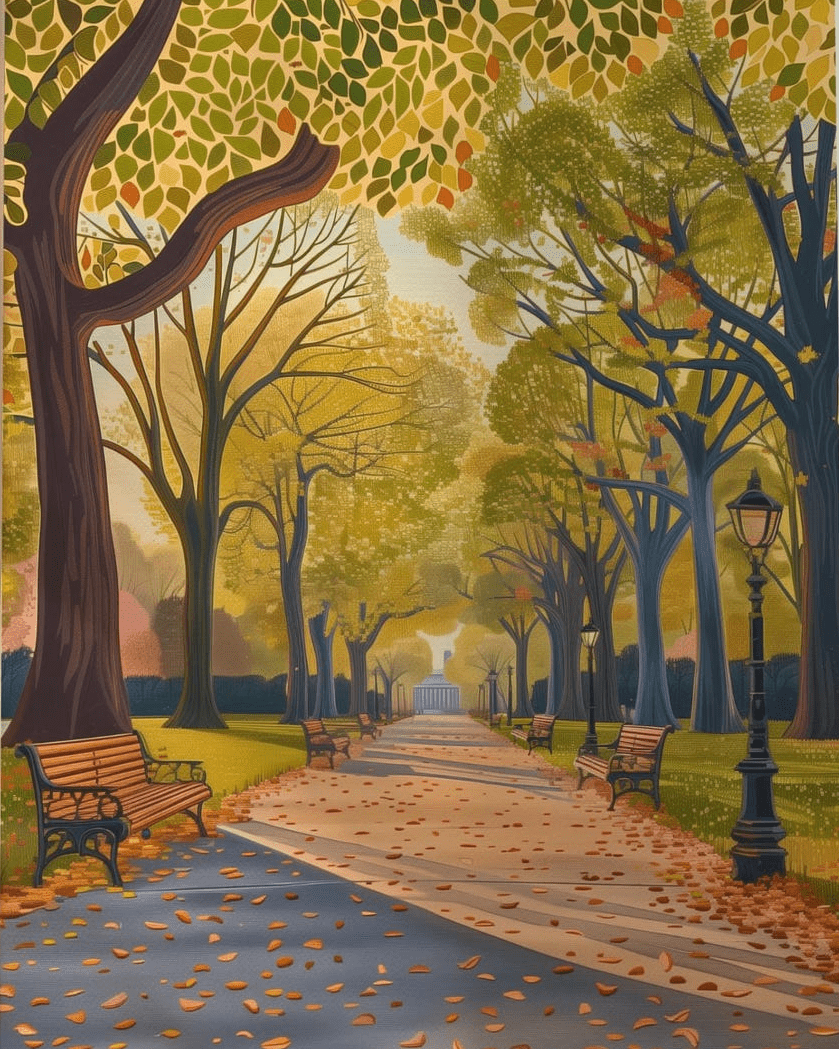
Hyde Park, Ava Lily
With more trees than people, the city of London is officially an urban forest. And the person to teach you all about them is Paul Wood.
His book London’s Street Trees looks at all the major species, from common planes to winter-flowring cherries to shocking pink-flowering Toona senensis. Buy a signed copy if you want from the author.
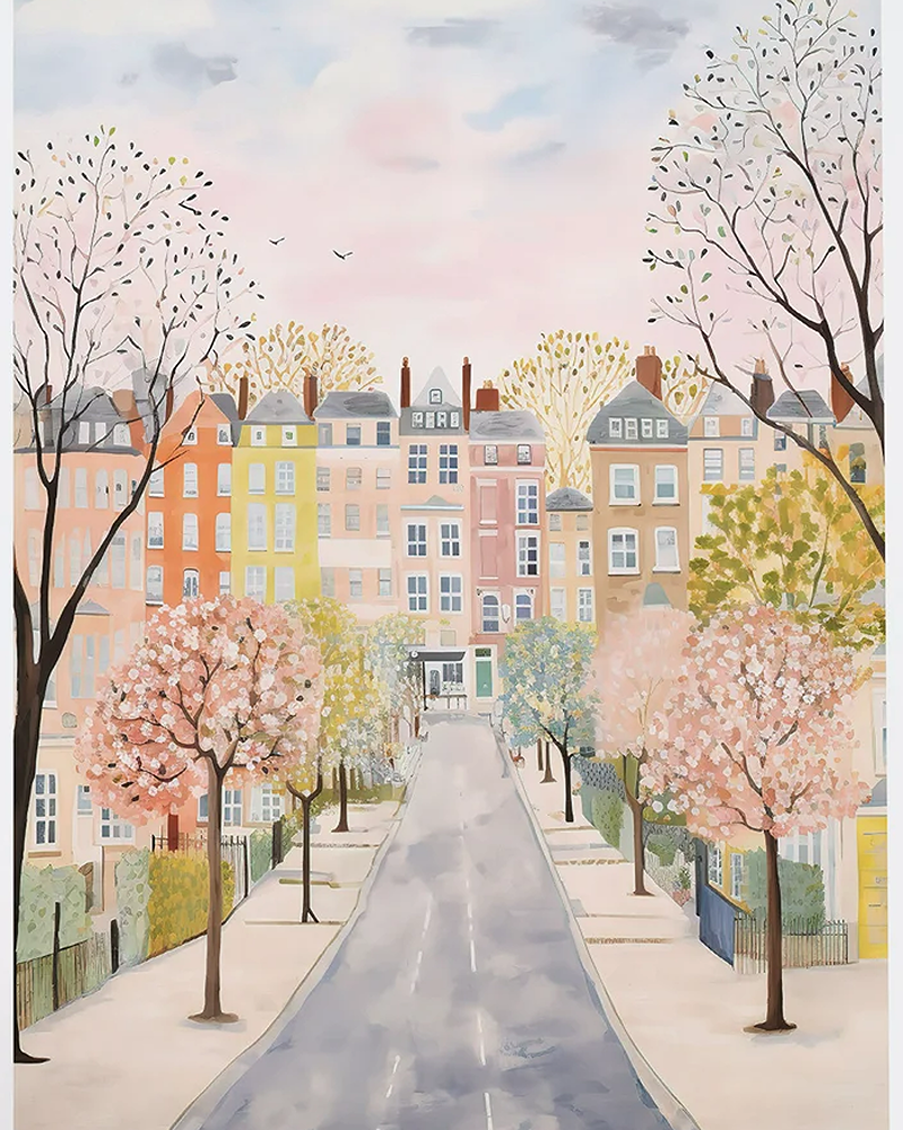
Although London is famed for its historic buildings and busy streets, sometimes its street trees are overlooked. Plane trees often line grand avenues, and many terraced houses are graced by limes and rowans.
As well as softening urban landscapes, they help to reduce urban heat island effect, and provide homes and food for birds and wildlife. They also buffer wind, help to prevent floods and cool the air. Trees are brilliant!
However, you do find in London that some areas are more tree-heavy than most. And this can often be due to lazy town planning. Less affluent boroughs could do with more more street trees.
Read up on pet-friendly gardens (some trees and conkers are not safe) and trees to avoid near horses (including yew, oak and sycamore).
Keep away from grey/white caterpillars (oak processionary moths) that can cause allergies and breathing difficulties – call a doctor or vet if you come into contact. These trees are cordoned off from horses and livestock (report to your local council and Treealert.
Plane trees (London’s most common street trees)
Plane trees are by far the most common street trees in London. Their broad canopies give shade in summer and they are an important part of the city landscape. Often because they are able to tolerate urban conditions.
Again, Paul Wood has an excellent piece on London’s plane trees.
They became popular in the 19th century as they proved unusually resilient against pollution from coal fires and factories.
These trees can also grow to 30 metres, with huge spreading crowns that give a huge amount of greenery in small spaces. However care must be taken for the big root systems to not block drains from fallen leaves. But as we face hotter summers, their large canopies are doing lots of help cool cities.