Sustainable vegan cider (from orchards to tankards!)
Cider is simply made from fermented apple or pear juice, but some brands filter through isinglass (fish bladder), gelatine (bones) or casein (milk). There are better brands.
Before recycling cans, rinse then remove lids (pop ring-pulls over holes). Then step on cans to ‘pinch’ inner rims together, to avoid wildlife getting trapped. Never buy drinks wrapped in plastic rings, they harm wildlife (if you see any, rip the holes and securely bin).
Wasted apple (cider from donated fruit)
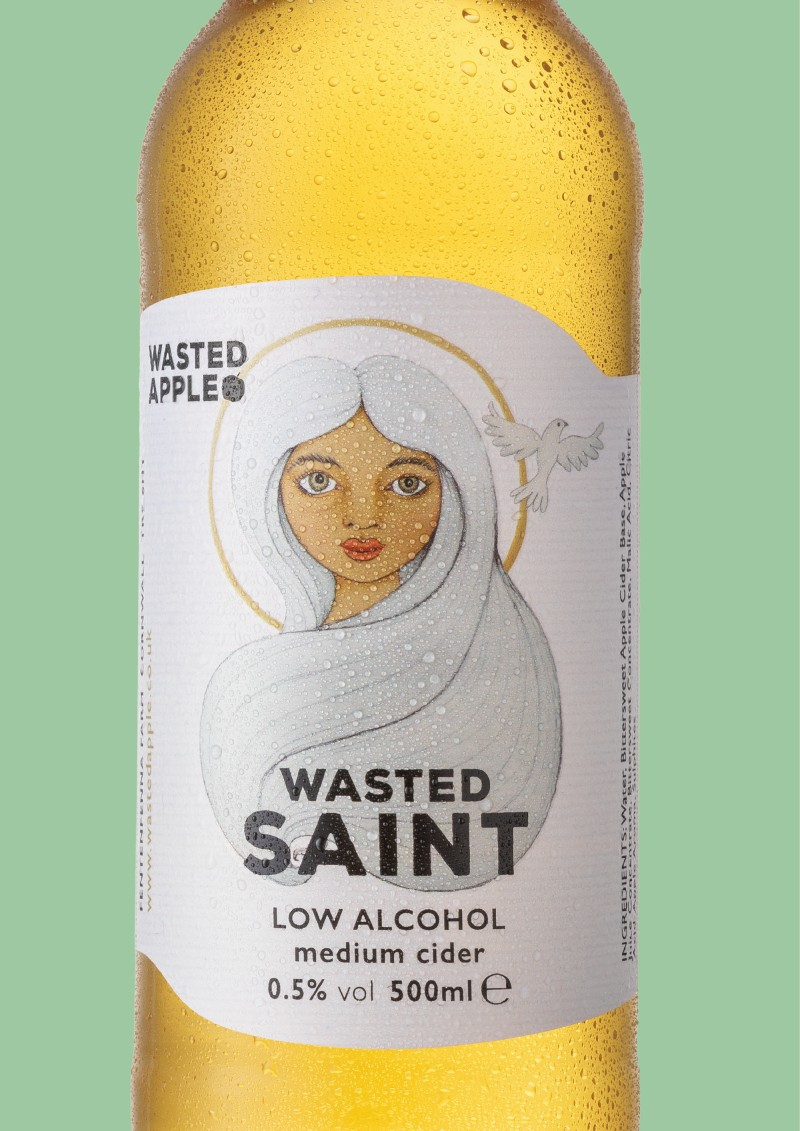
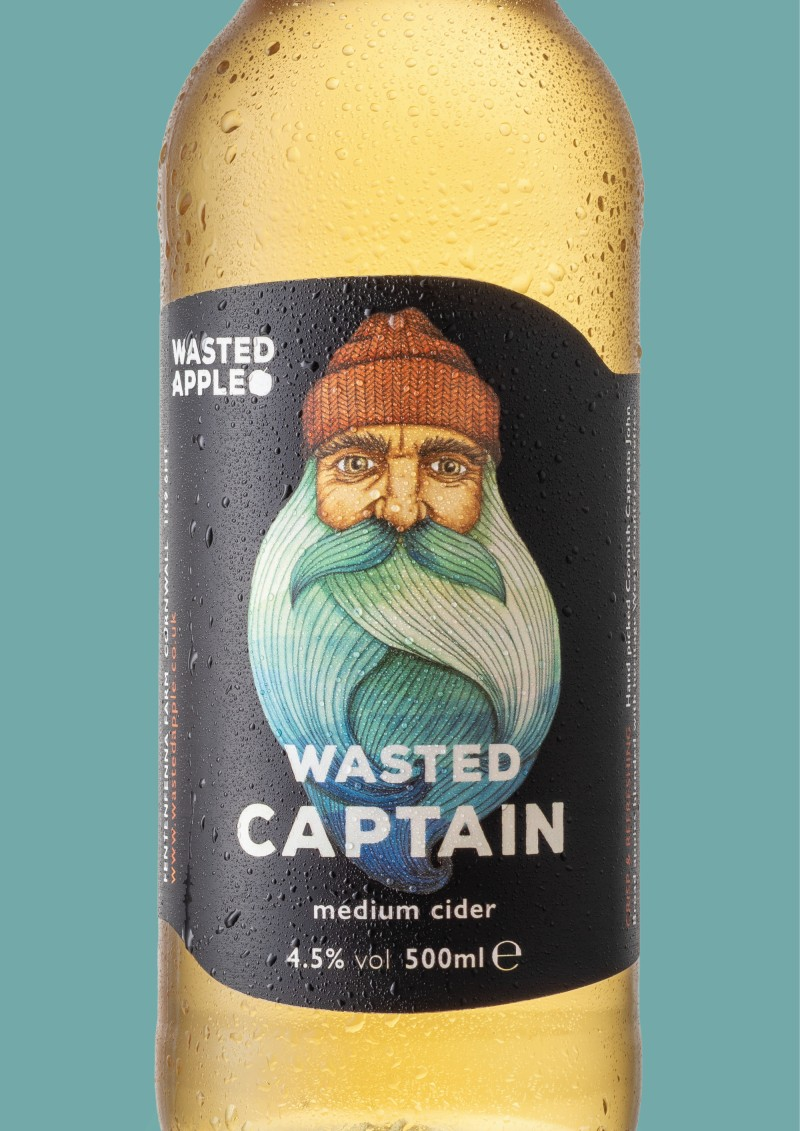
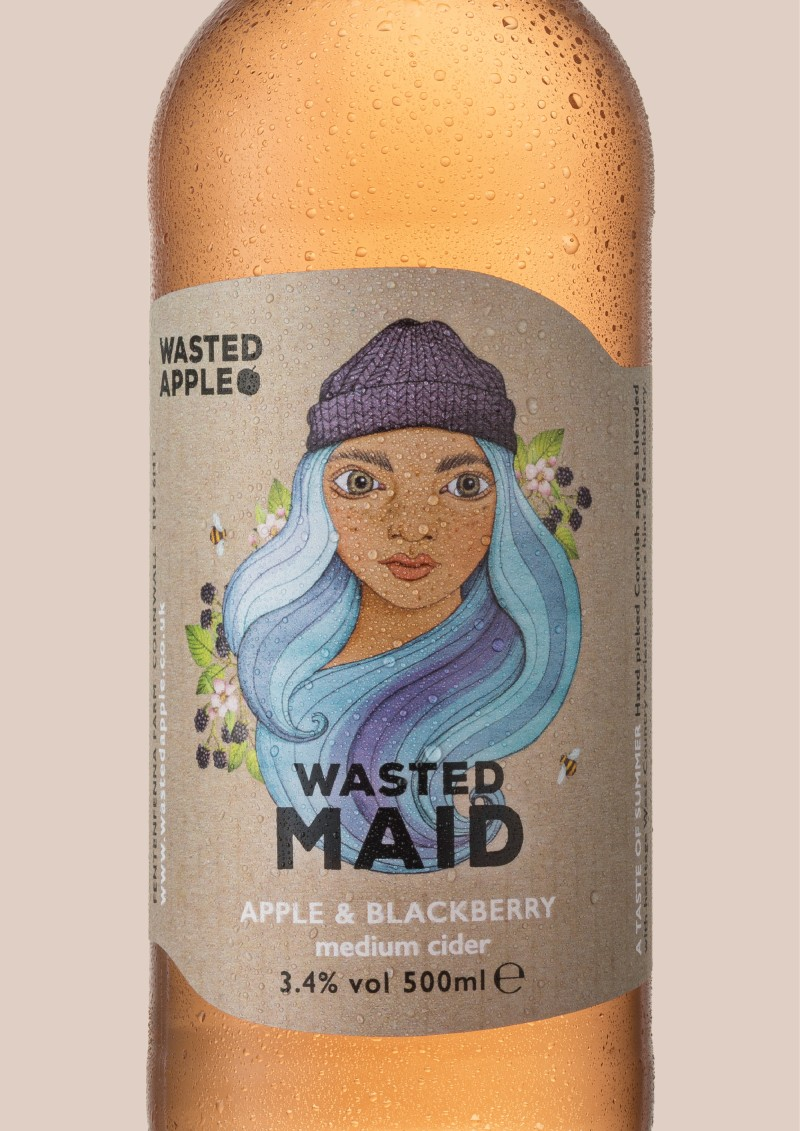
Wasted Apple sells a nice range of vegan ciders, all made from donated apples. Choose from:
- Wasted Captain (medium cider)
- Wasted Maid (apple blackberry cider)
- Wasted Saint (low alcohol medium cider)
Plus fruit juices:
- Braeburn apple juice
- Cornish cloudy apple juice
Donate Apples (get free cider in return!)
There are quite a few projects nationwide, where you can donate windfallen apples (leave some for wildlife!) or apples that you are not going to be eating up, and get free cider in return!
How does this work? It’s simple, really. Just locate your local lovely turn-apples-into-cider maker, then contact to arrange donation. It’s away of preventing food waste.
As a thank you, you then usually get a few bottles of quality cider, and the rest is turned into other products like jelly, jam or even more cider to sell!
Locate your local peeps in the Orchard Project’s fruit donation directory. Or visit Wasted Apple to find more communities turning apples into cider.
Here’s a guide from The Orchard Project on how to press your own cider.
Avoid unpasteurised juice for pregnancy/nursing, children and weak immunity.
Urban Harvest (Leeds) also takes wasted apples, but this time turns them into fruit juice, plus a little cider. Why drink Tropicana (one version contains fish?) when you can drink locally-sourced fruit juice for breakfast?
Each year, thousands of city trees go unused, profits are reinvested back into this wonderful project.
More good vegan ciders
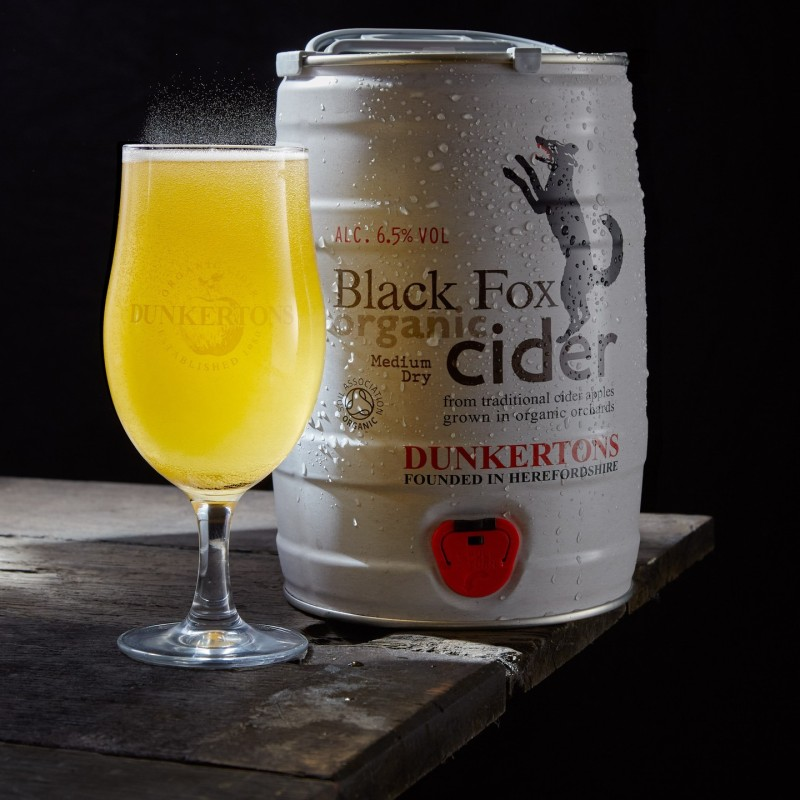
Dunkertons Organic Cider has been making cider for nearly 40 years using traditional skills. The fruit is pressed and fermented for up to a year, using apples from Gloucestershire, Herefordshire and Worcestershire.
The range includes sweet and fresh ciders, Perry (made with pears) and canned and draught ciders.
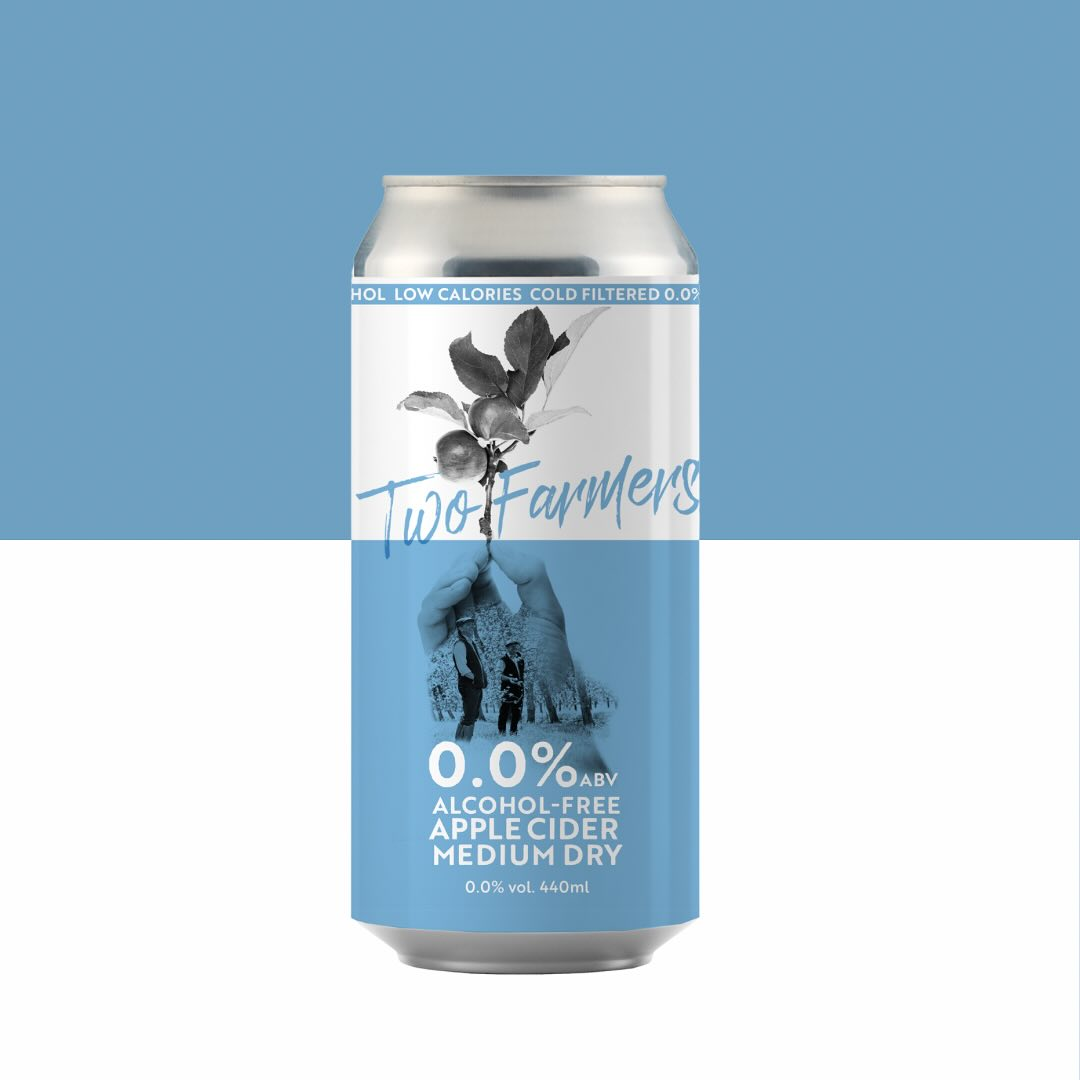
Two Farmers Cider is a fruity cider made from locally-harvested strawberries, raspberries and blackcurrant, plus there is a no-alcohol version. Lovely to enjoy with tins of salt and vinegar crisps.
Cider is to Hereford, what wine is to Bordeaux. Pickers go out early morning to harvest baskets of fruits, before being pressed and fermented into cider.
Big Nose Beardy turns waste apples in Sussex into a refreshing cider, that’s also vegan-friendly. The solar-powered brewery produces crisp ciders with strong floral notes, with everything fermented slowly for great taste.
Shandy Shack (low-alcohol cider and shandy)
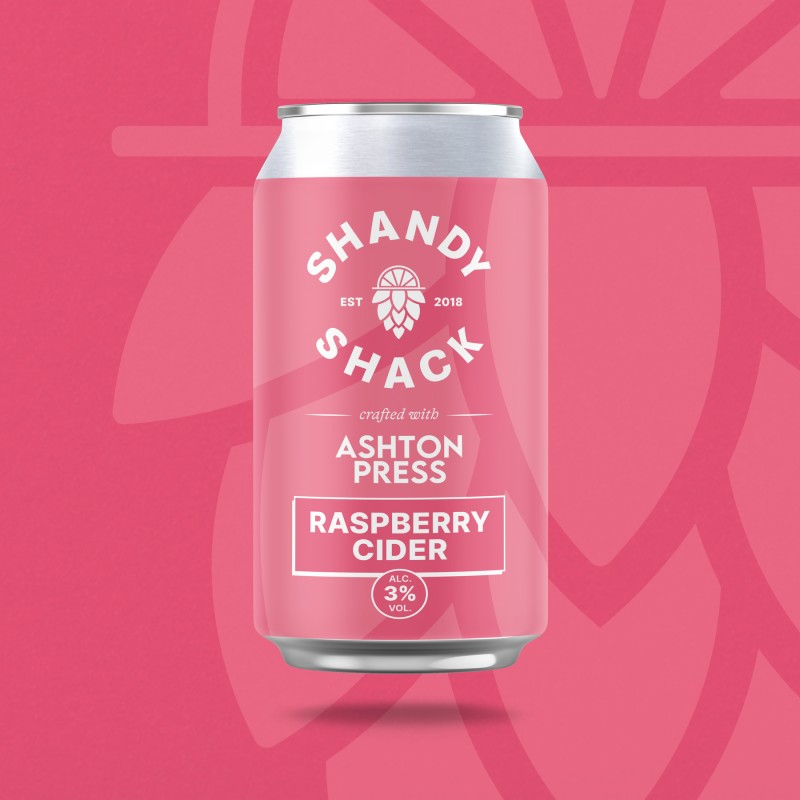
Shandy Shack is a brand of low-alcohol cider from Hampshire, founded by young men who were still young, but not young enough to no longer be able to recover from heavy nights out!
The range includes a raspberry cider. Plus a range of low-alcohol shandies:
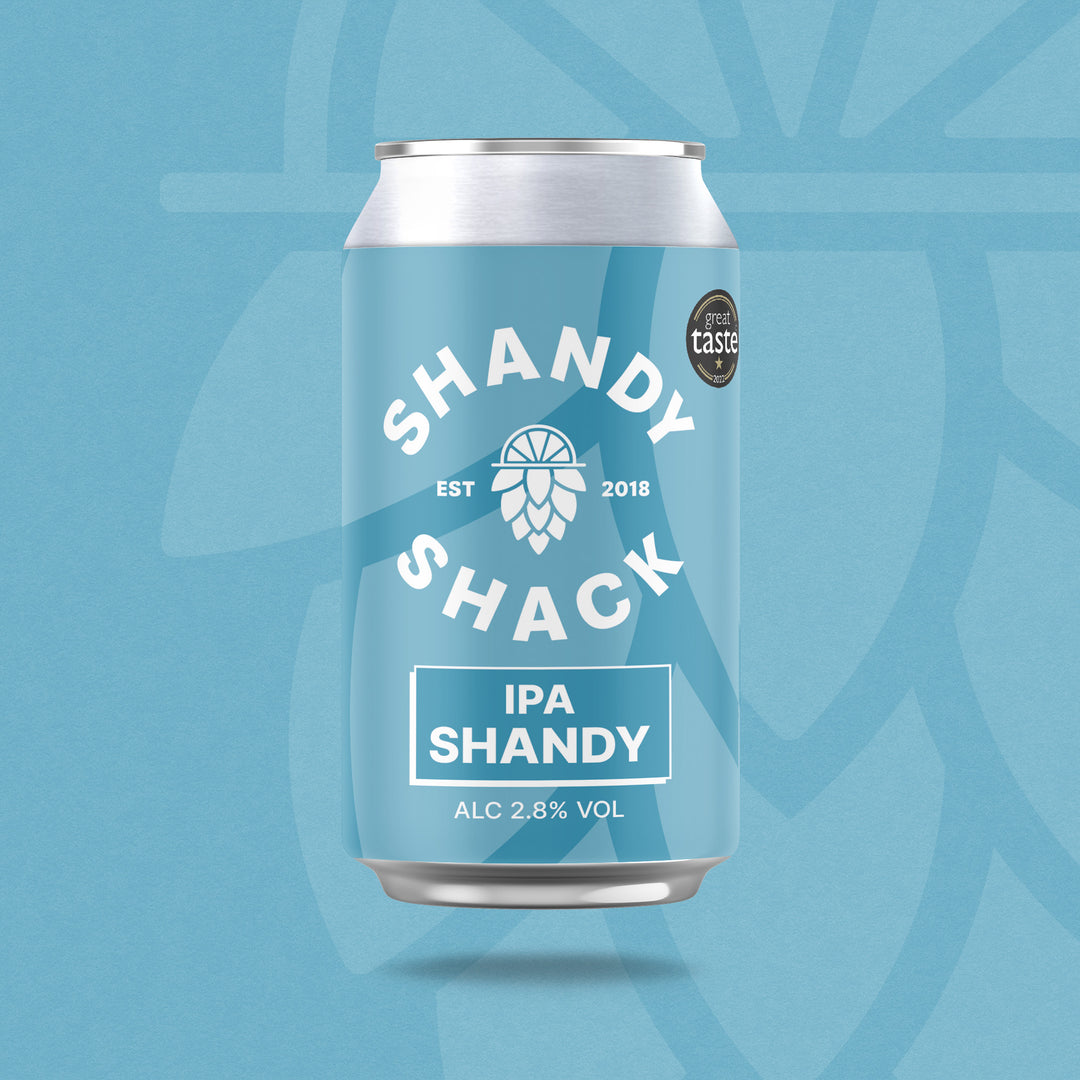
- IPA
- Lager Top
- Raspberry
- Elderflower
- Ginger Beer
Many people prefer shandy, simply because it’s fizzy and also because it means lower alcohol. You can of course just mix a vegan artisan beer with a good lemonade like Fentiman’s to make your own. But if you want ready-made ones, this is the best brand to choose!