The Beaver Manifesto (wetlands and conservation)
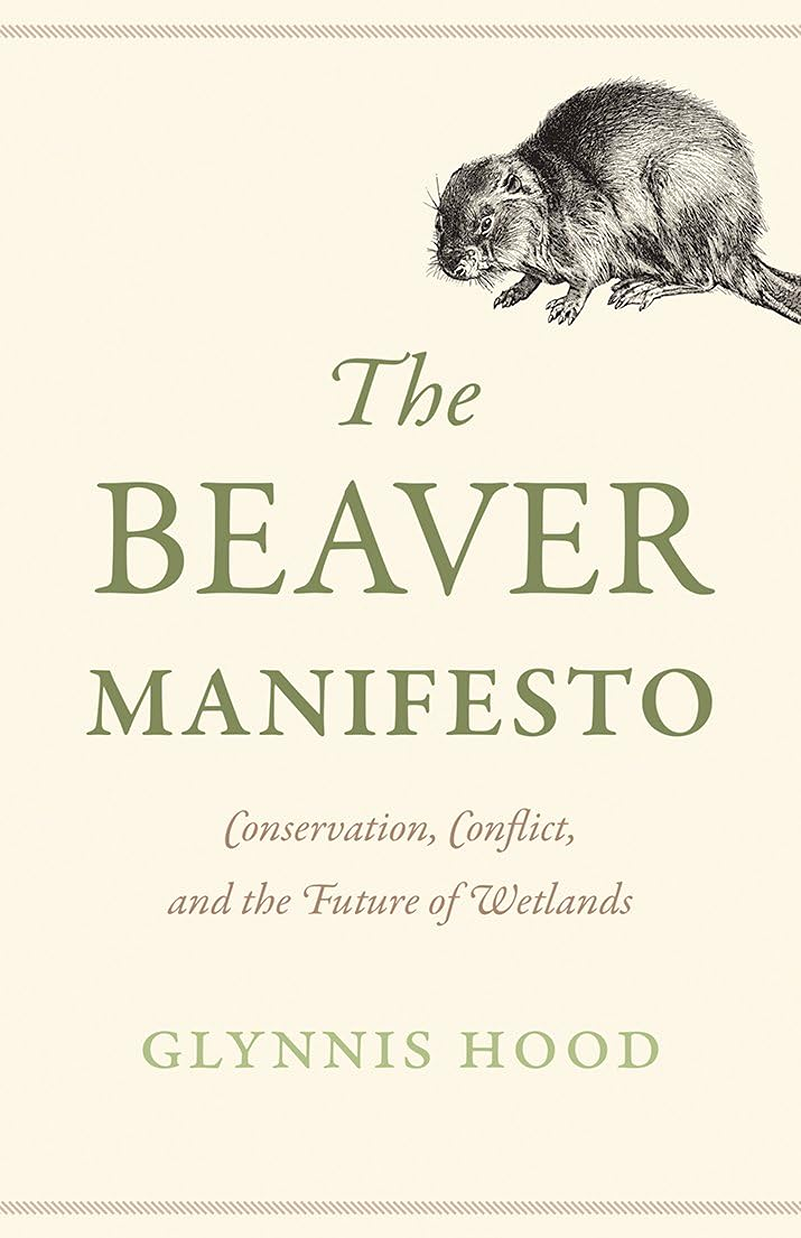
The Beaver Manifesto is a compelling book, which explores how councils, town planners and politicians need to rethink their approach, protecting native wildlife instead of ignoring their natural habitats. We can still build affordable homes, while working alongside ecology experts to avoid disturbance to native creatures).
Beavers are large vegetarian rodents, who use their huge orange teeth to gnaw wood and create dams, which also happens to prevent floods for us humans. Almost hunted to extinction for their fur, today they are thriving, thanks to nationwide rewilding projects.
This book tells the story of ‘nature’s architects’ and a keystone species for maintaining healthy aquatic ecosystems, and one beloved by conservationists, who often clash with those involved in urban development.
Beavers however refuse to conform to human rules, and so the only way to go is to accept that our native wildlife should be cherished and respected, and people should stop ‘fighting nature’.
The Beaver Trust is our national charity, helping to protect and rewild beavers. It says that rewilding should always be left to experts, as releasing them at the wrong times in the wrong areas, could cause harm to them and other species.
Author Glynnis Hood grew up in British Columbia (Canada) and spent her summers in little boats and running barefoot along the shores of Kootenay Lake. She has spent most of her adult live in forest and mountain areas, and has a PhD on wildlife and wetland ecology, and is now a professor of environmental science.
Her closest neighbours in Alberta are – a family of beavers!
Concern Over Wildlife Political Policies
After discovering that 80% of Reform UK voters are concerned that the party has no wildlife policies (and is planning to return rewilded land to farming), it has hired Ben Goldsmith (half-brother of environmentalist Zak Goldsmith) to flesh out policies, to try to win more votes.
Presently, the party policy is to scrap the Habitats Directive, the Birds Directive and water pollution controls, in order to generate more business income. Removing these laws would lead to more development and intensive agriculture, and likely more sewage pollution, floods and wildfires.
This would place many of our protected areas (wetlands, hedges, chalk streams, ancient woodlands, sand dunes, peatlands) at risk, which in turn would harm birds and native wildlife. Friends of the Earth describes their plans as ‘a scrappage plan to speed up the demise of UK wildlife’