The City of Westminster (not just Big Ben and Parliament!)

You may think of Westminster as Big Ben and parliament, but it’s actually a ‘city within a city’ that also includes many iconic landmarks including Buckingham Palace, Whitehall and Covent Garden.
Big Ben clock tower (completed in 1859) sits within the Houses of Parliament, named after the bell within Elizabeth Tower. Each of the four clock faces are made of 324 pieces of glass held together by a cast iron frame, with old pennies added or removed from the pendulum, to keep time.
The Houses of Parliament sit next door (the Palace of Westminster building was destroyed by fire in 1834, the new one has 1,00 rooms, 100 staircases and 3 miles of passageways). Together with the House of Lords, the politicians share a hair salon, pub and post office. Alas the pest control service needs to hire experts in humane deterrence to deal with the many visiting mice.
10 Downing Street (home of the Prime Minister)
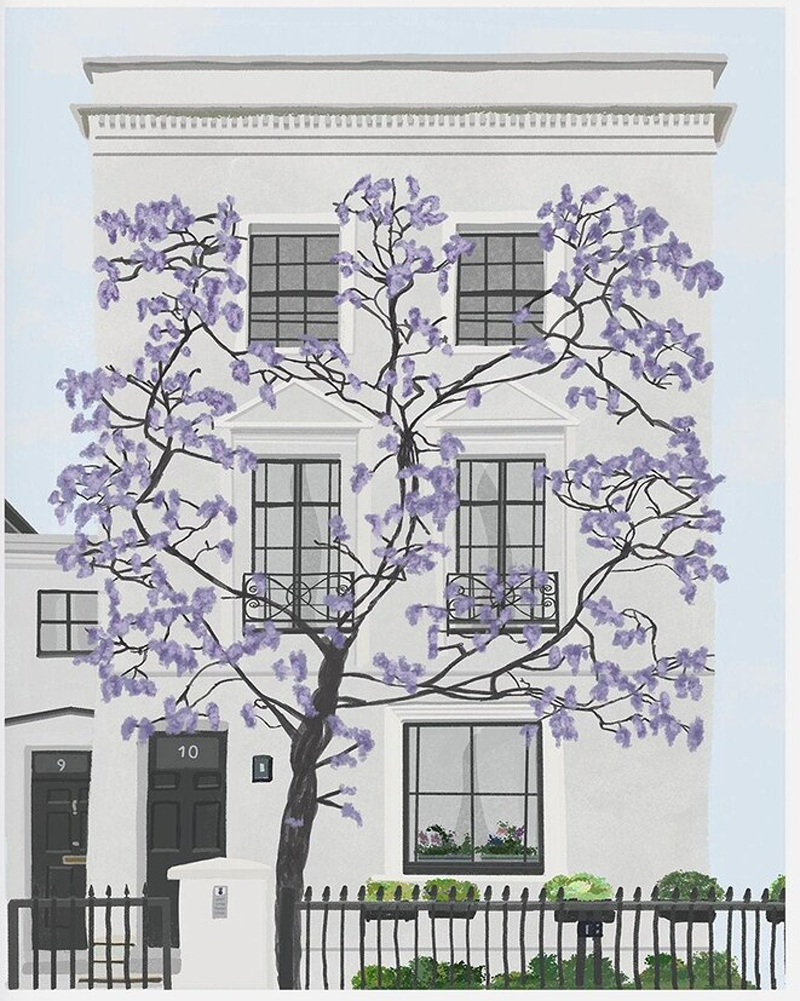
10 Downing Street is of course home to the Prime Minister, the black door (made from steel) in a building just off Whitehall (home of the government offices). Inside are three merged houses, a combined 100 rooms over four floors.
The last private resident was Mr Chicken (that really was his name!) who in the 1700s was persuaded to move elsewhere, so future Prime Ministers could move in.
Since then, controversy has ensued over using taxpayer money to redecorate an already luxurious residence. There is a £30K annual public allowance, but even private redecorations (funded by donors or private money) has not gone down well – £80K to remove ‘tory blue’ in the last year, and Boris Johnson’s £200K refurbishment (funded by a Tory donor), showing a lack of being in touch with public opinion.
A refurbishment in 2021 for the No.9 Downing Street media room (for televised briefings) cost over £2.6 million. No wonder people have lost faith in politics.
Today the most beloved resident is Larry the cat, a stray adopted from Battersea Dogs & Cats Home in 2007. As a senior cat, he spends most of his time napping (due to his previous life, he is nervous around men, but apparently took a liking to President Obama on a state visit).
Ipsos polls show that Larry is more popular than his Prime Minister co-residents! Freya the cat at No.11 Downing Street kept wandering off. So for her safety, was adopted to a home in the Kent Countryside.
Buckingham Palace (and other London palaces)
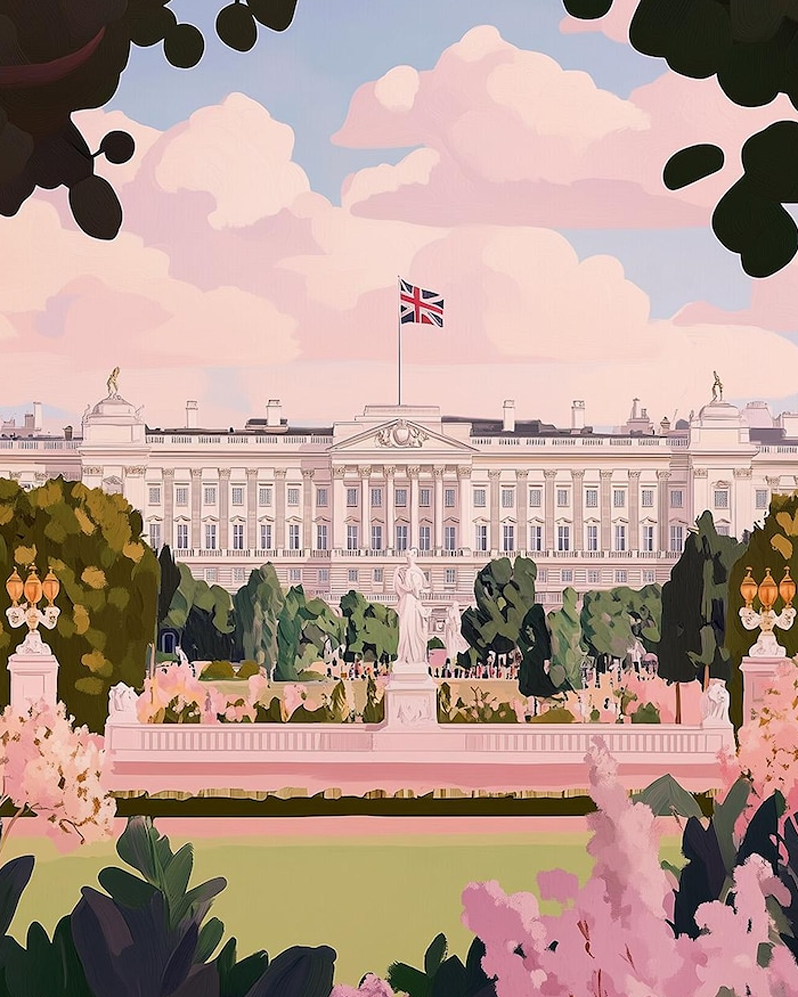
Palaces are all owned by the Crown, and London is home to quite a few. The main one (in Westminster) is Buckingham Palace that is of course home to our monarchy, controversial due to its huge expense (when homeless people live within walking distance).
Originally a townhouse built for the Duke of Buckingham in 1703, the palace has:
- 188 staff bedrooms
- 92 offices
- 73 bathrooms
- 52 private bedrooms
- 19 state rooms
- A swimming pool
- A doctor surgery
- A cinema
- A jeweller’s workshop
- A 42-acre Garden
- Lakes and a tennis court
- A landing pad for helicopters
- Royal Mews (that house cars and carriage horses)
The palace was bombed 9 times during the Second World War, which destroyed the chapel. In modern times, some rooms are open to the public to raise funds (after a claim to heat the palace from public community energy funds was rejected). Due to fears on public opinion, when many people can’t afford to heat their homes.
Other London Palaces
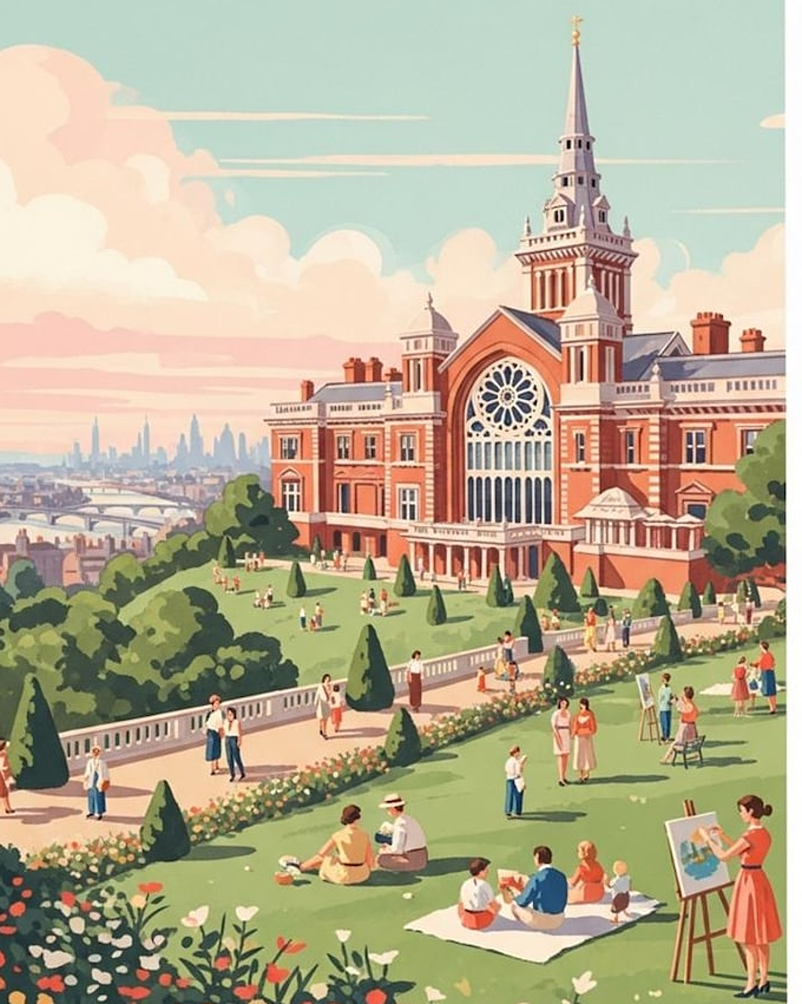
- Alexandra Palace in North London was built in 1873, then rebuilt after it burned down. Known as ‘the people’s palace’, this was host to the world’s first TV broadcast in 1936, and today is a Grade II listing building, sitting in 196 acres of parkland.
- St James’s Palace is the oldest in London, built by Henry III on the site of a former leper hospital, and where Queen Victoria was married. And where King Charles III was proclaimed King.
- Kensington Palace has been home to many members of royalty, including Princes Diana and Princess Margaret. William and Kate used to live here, now they have moved to Windsor (some locals not happy, as dog-walking areas have been removed to give privacy).
- Hampton Court Palace is known for its Tudor gardens and maze.
- Banqueting House is the remaining part of Whitehall Palace, now used as government offices.
Covent Garden (once owned by monks)

Covent Garden is known for its flowers and mime artists, but used to be owned by the monks of Westminster Abbey. The market building still houses pineapple-shaped lamps, due to being the first place you could buy tropical fruits, back in the day.
If buying or selling flowers, know toxic flowers to avoid near pets. Avoid displaying foliage near gardens, to help stop bird strike.
The monks lost the garden after property was seized during Henry VIII’s Reformation (when he replaced himself as head of the church over Rome’s Catholic Pope).
Here you’ll also find Drury Lane (London’s oldest theatre) and Royal Opera House (students at the Royal Ballet School can reach it over the concertina-like Bridge of Aspiration).
Other districts in the City of Westminster are:
- Soho was originally for aristocrats, but today is more for other professions (back in 1854, the area was hit with a bad outbreak of cholera).
- St James (home to a park, and handmade shirts for rich gentlemen).
- Victoria was built to ferry people from London to Chatham or Brighton (a major holiday destination).
- Knightsbridge (shared with Kensington) is home to Harrods (singer Leona Lewis declined the offer of turning on the Christmas lights, due to it selling fur).
- Green spaces include Green Park, Kensington Gardens and Hyde Park (home to an IRA bombing that killed not just humans, but 7 innocent horses).