The Isles of Scilly (beaches, rum and migrating birds)
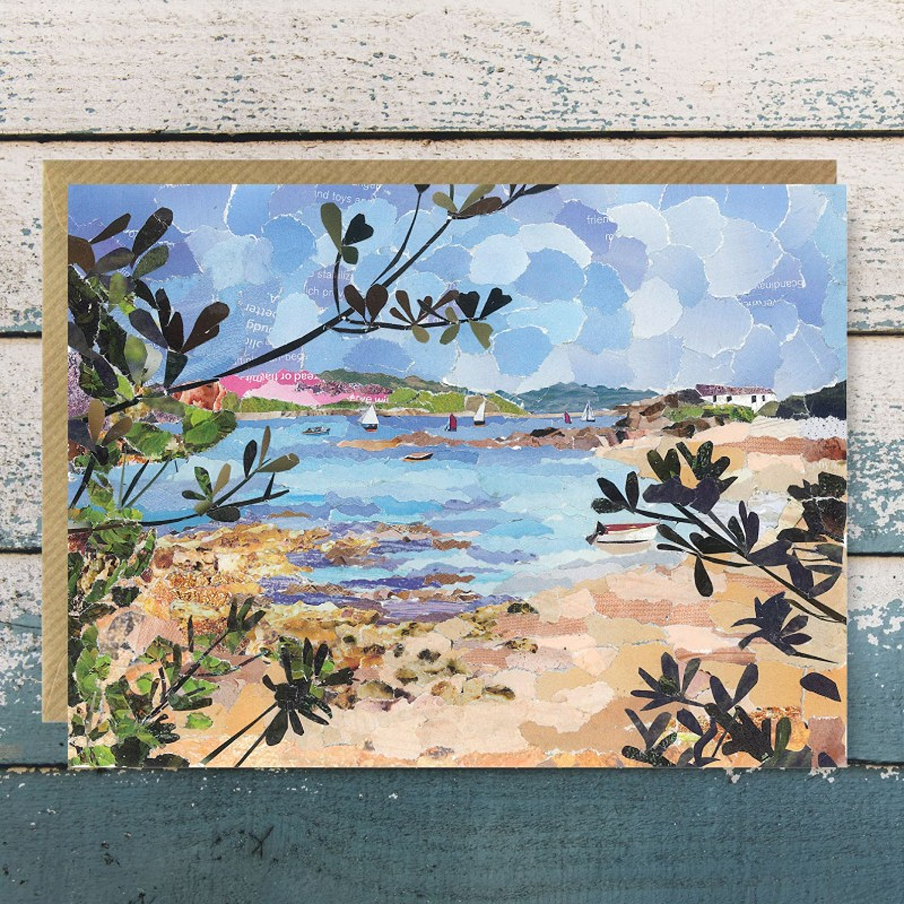
The Isles of Scilly are around 23 miles off the Cornish coast (you can take the ferry from plastic-free Penzance). Stunningly beautiful, they look more like Caribbean islands, with white sandy beaches and clear blue seas. But don’t be fooled – this area has many shipwrecks, to show waters can be treacherous.
The islands are slightly warmer than elsewhere. And many birds like to stop here for a rest, when migrating from or to Africa. The islands are very popular with painters.
Always follow the Countryside Code, to keep all creatures safe. If at the coast, read our post on keeping dogs safe by the seaside.
One sailor stranded on an island for a few days was shocked to find dead marine wildlife, many due to oil and litter. This caused him to found Clean Ocean Sailing, a team of volunteers that remove plastic waste from the coast in all of Cornwall.
Visit Scilly Organics, one of England’s best micro box schemes (the founder is also a sustainability expert, who offers carbon consultancy for other organic farmers). Check out his free carbon calculator tool.
A Quick Guide to the Main 5 Islands
St Mary’s is both the heart and busiest corner of Scilly. Its lively harbour at Hugh Town greets nearly all visitors. Cobbled streets wind between cafés, galleries, and old stone buildings. Car-free footpaths lead out to sandy beaches and craggy headlands.
Tresco’s reputation springs from its sub-tropical Abbey Garden. Rare palms, exotic blooms, and succulents layer across terraces—all warmed by Scilly’s gentle climate.
Red squirrels, absent from most of England, make this island their home (there’s no need to cull grey squirrels with proper habitats).
St Martin’s brings together some of Britain’s clearest waters and softest sands. Low-tide reveals wide expanses, while steep dunes and heathered cliffs shelter wildflowers and butterflies.
With only a handful of shops and a single pub, it keeps things simple. The island has become known for its vineyard and the only flower farm in Scilly open to visitors.
St Agnes is smallest of the main inhabited islands, and feels the most remote. Rocky outcrops, old lighthouses, and sweeping sea views create a world apart. Ancient chapels, and hidden coves make St Agnes a haven for walkers.
Bryher stands close by, just a short boat ride from Tresco, but its mood can shift in moments. One side meets the wild Atlantic in crashing surf, the other lies calm and sandy.
Tiny hamlets, scattered fields, and a single hotel give this island an ideal space, for quiet and wide coastal skies.
Home to Many of our Native Seals

Grey and harbour seals are both found here, giving birth and resting on beaches. Never play frisbee on beaches (seals get trapped in them) nor jet ski near any marine creatures. Keep dogs away and keep at least 100 metres away (if a seal is looking at you, you’re too close). Read more on how to help native seals.
Why Flowers Bloom Longer in The Scilly Isles
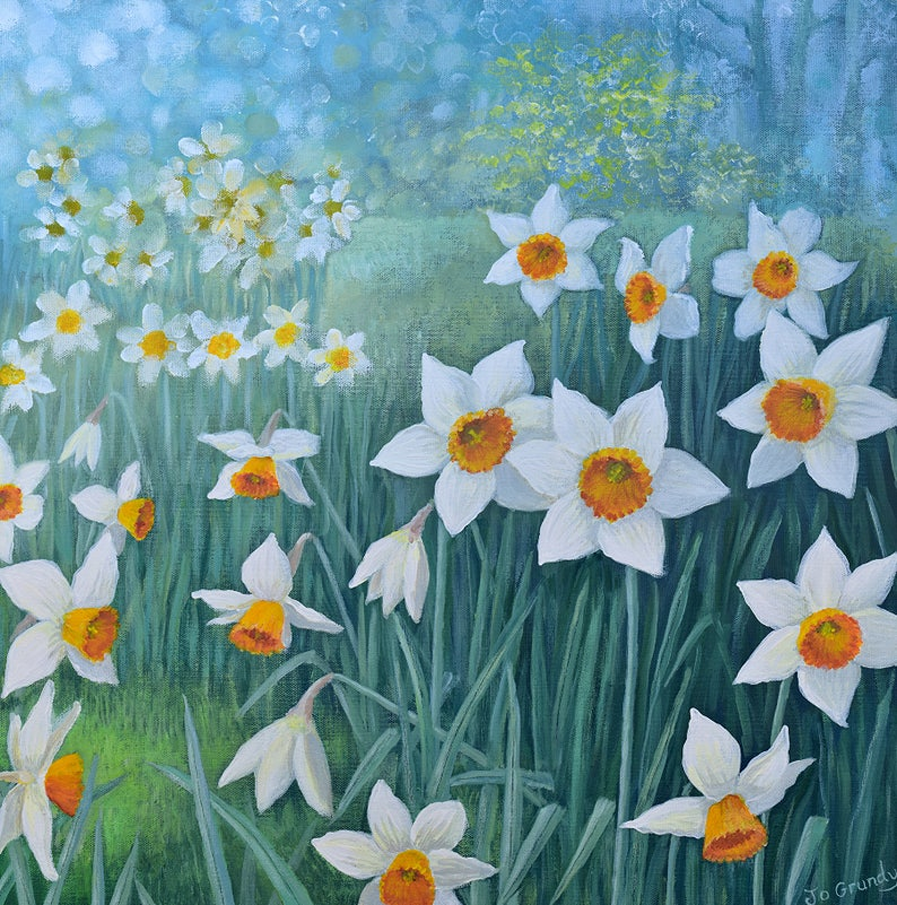
The Scilly Isles have longer growing seasons, due to warmer weather. So there are many companies here that sell ‘summer flowers’ that often are still going, well into autumn!
Daffodils are one of England’s favourite flowers, often grown in gardens and public parks (not the best choice, as daffodils are highly toxic to all pets, horses, deer and livestock).
So don’t send them to homes with animal friends. Read more on pet-friendly gardens (and never face indoor foliage to gardens, to help stop birds flying into windows).
The Isles of Scilly (despite its high rate of shipwrecks on windy days) has a very mild winter climate, compared to the rest of England (it’s 23 miles off the Cornish coast). Commercial growers also use special techniques to extend the season, like selecting varieties for a long season, and leaving some bulbs in the ground for longer, for high quality crops.
The History of England’s Daffodils
Daffodils are seen as as sign of hope. But only display them away from other flowers, as the sap can harm other flower species). Or at least soak the stems in a vase, before mixing for a bouquet.
The national flower of Wales can produce galantamine, a chemical which may help patients with dementia.
The scientific name Narcissus, is from a Greek myth of a young man, who fell in love with his own reflection. After dying away due to not being able to ‘marry himself’, the flower apparently grew in the place where he died.
A Sustainable Face Mask Made with Scilly Seaweed
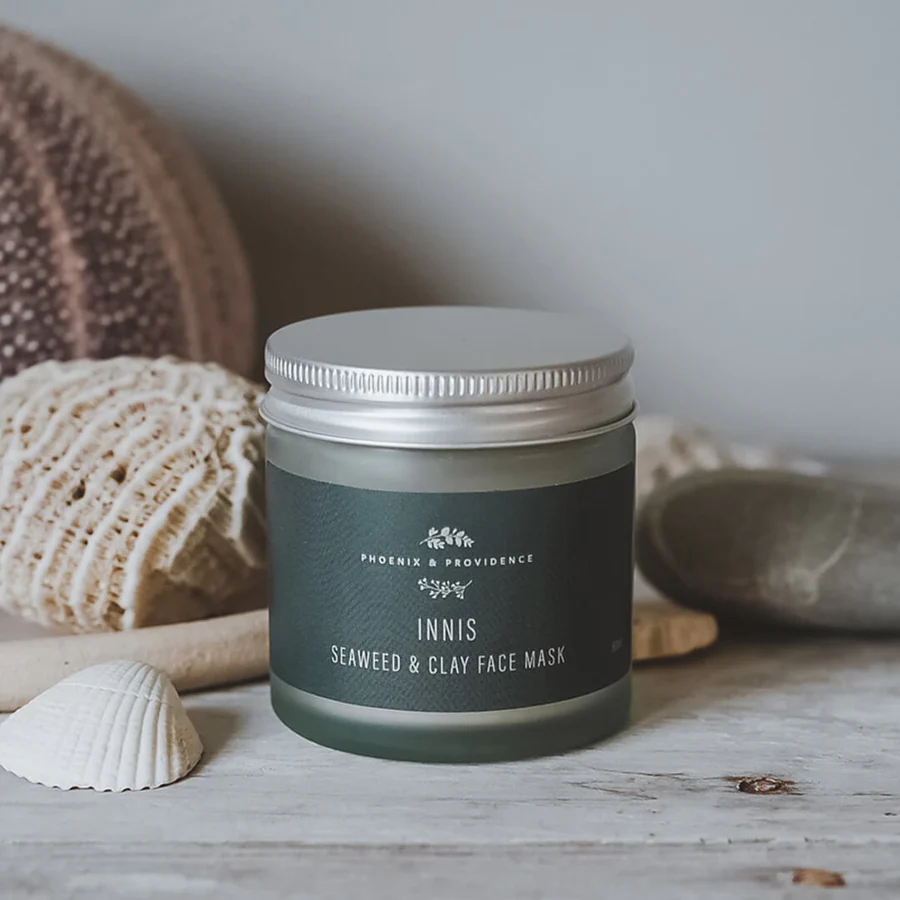
Phoenix & Providence Face Mask uses hand-harvested seaweed on the Isles of Scilly for a cleansing skin treat to draw out toxins using kaolin clay and seaweed (the high mineral content makes it wonderful for skin, and salt water is a natural detox to absorb oil).
Contains oils of lavender and rosemary. The powder is activated with a little water, and sold in a glass jar.
Avoid essential oils for pregnancy/nursing and affected medical conditions.
England has over 600 species of seaweed (mostly native species) although warming coastal temperatures is (like on land) affecting growing, due to climate change.
The most common type is bladderwrack (the type that looks a bit like ‘bubble wrap’ with big air bubbles). Only about 20 species of seaweed are edible, though others are also used in beauty care and some are dehydrated to make seaweed salts.
Never harvest seaweed yourself (it has to done without removing the roots – like ‘giving seaweed a haircut’). As one expert wrote – it’s seaweed to you, but the universe to a shrimp!
Also don’t let dogs play with fronds, as wet seaweed can expand in the stomach as it dries.
Artisan Rum (from the Isles of Scilly)

It may look like the Caribbean, but the Isles of Scilly is notorious for shipwrecks (a lighthouse once even blew over before it was finished, and had to be rebuilt). It also has a strong history of pirates, so it’s no surprise that SC Dogs Distillery is a popular tipple here
All bar one is vegan – contains honey.
The range includes William Gibson Gold Rum (named after the son of a smuggler and farmer whose land still provides the ingredients and John Nance White Rum (named after a family ancestor who would row 100 nautical miles to France to bring back contraband rum!
RNLI Sea Dogs Rum is made in honour of heroic lives that were lost in these treacherous seas. Distilled in small batches from local ingredients and aged in old whisky barrels, the lingering notes of peat produces a taste to savour, over ice.
Each bottle raises money for water-safety initiatives.
‘Grog’ is another word for rum, linked to its history with pirates (simply robbers who work on ships, rather than on land).
Back in the day when sailors would drink rum on board, pirates would loot anything they found and this included rum, which they traded as currency.
They would find coopers who would fill empty rum barrels with boiling water and roll them around to create a new drink called ‘grog’. Shiver me timbers!
Why Switch to Artisan Rum?
Rum is one of the world’s most popular spirits, enjoyed by ‘old dog’ sailors and pirates! Created in the Caribbean in the 17th century, rum is made from sugarcane that is crushed to extract the molasses (if you like gingerbread, you’ll like rum).
The sugar converts to alcohol to produce a high-alcohol spirit, so keep measures low. It’s easy to get smashed on rum! Soldiers were so fond of it, they were often paid in rum.
Corks are too dense to compost, so recycle at off license or send in bulk to Recorked.
White rum is not aged as long as dark rum (which takes years to mature) and some brands age in oak barrels for deeper flavour. A few rums offer blends with honey, but apart from that, most rums are vegan.
You can’t really have a ‘local rum’, because most rum contains Caribbean ingredients (we have too much rain and cold, to grow sugar!) But you can support artisans who blend the rum, and bring money into local communities.