How to Make Your Own (vegan) Chinese Food
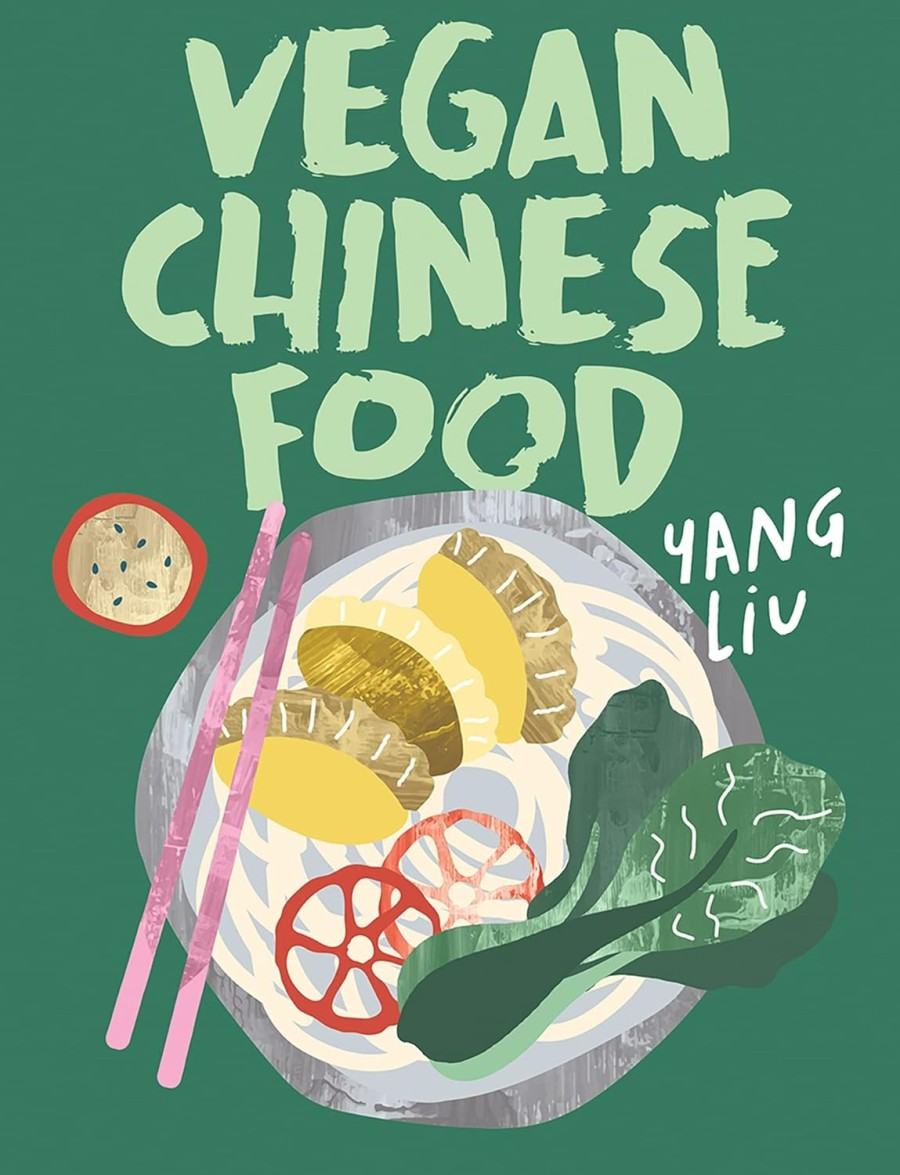
Learning to cook your own food is empowering, as you no longer have to rely on expensive plastic-wrapped ready-meals and takeaways. Master your favourite cuisines at home. Then every night is restaurant night!
Vegan Chinese Food uses plant-based alternatives for sauces, dumplings, noodles and desserts. Learn how to season a wok from a couple who met in Spain (Yang Liu was born in Hunan province in China and spent her early years sampling cuisines from each region).
Read up on food safety for people and pets. Bin allium scraps (onion, leeks, garlic, shallots, chives) and tomato/citrus/rhubarb scraps (acids may harm compost creatures).
Fully remove tinned lids (or pop ring-pulls back over holes) before recycling, to avoid wildlife getting trapped.
The book begins with an overview of tofu. Then you’ll find all kinds of recipes to use it, like sweet and sour tofu and five-spice tofu.
Other recipes include:
- Kung Pao King Oyster Mushrooms
- Zha Jiang Mian Noodles
- Yuxiang Aubergine
- Biang Biang Noodles
- Wontons in Chilli Oil
- Mango Sticky Rice Balls
- Hong Kong Milk Tea
More Good Vegan Chinese Recipe Books
The Vegan Chinese Kitchen is by a woman who wished to still enjoy the food her family ate, when she went plant-based. She learned of zhai cai (a plant-based Chinese cuisine that uses umami-rich ingredients traced back over to centuries to Buddhist temple kitchens) and offers recipes for:
- Soft tofu in Black Bean Sauce
- Sichuan Chilli-Oil Wontons
- Spicy Mushrooms in Dandan Noodles
- Flaky Scallion Pancakes
- Pea Shoots in Mushroom Broths
The Vibrant Hong Kong Table is a visual guide to 88 classic colourful dishes, made plant-based, from banquet-style restaurant feasts to simple home-cooked dinners.
After leaving Hong Kong, the author yearned to recreate flavours and textures of her family’s food. Christine Wong (@conscious_cooking) is a cook and health coach with a focus on environmental sustainability.
Organised by a day of eating through the city and paying homage to its culinary heritage, these fresh recipes include:
- Sampan Congee
- ‘Egg’ Tarts
- Baked Tempeh Chop Rice
- Sweet and Sour Cauliflower
- Salt and Pepper ‘Squid’
- Laughing Sesame Cookies
- Hong Kong Sweet Buns
Ordering Chinese Take-Out?

Root Kitchen delivers home-cooked plant-based Chinese meals like Korean-style tofu noodles. Keep dry ice away from children and pets.
Some people are a bit iffy on ordering from Chinese restaurants, due to ‘wet markets’ and stories of illegally-imported ingredients like shark fins.
Serve with Vegan Prawn Crackers!
Native vegan prawn crackers are made with natural ingredients, sold in plain or spicy flavours. Also sold wholesale to Chinese restaurants, pubs and hotels, they also have 25% less fat than crisps, so you can eat more or them!
Recycle packaging at supermarket bag bins, if your council does not collect.